Natural Indoor Plants

Showing 37–48 of 50 results
POTHOS

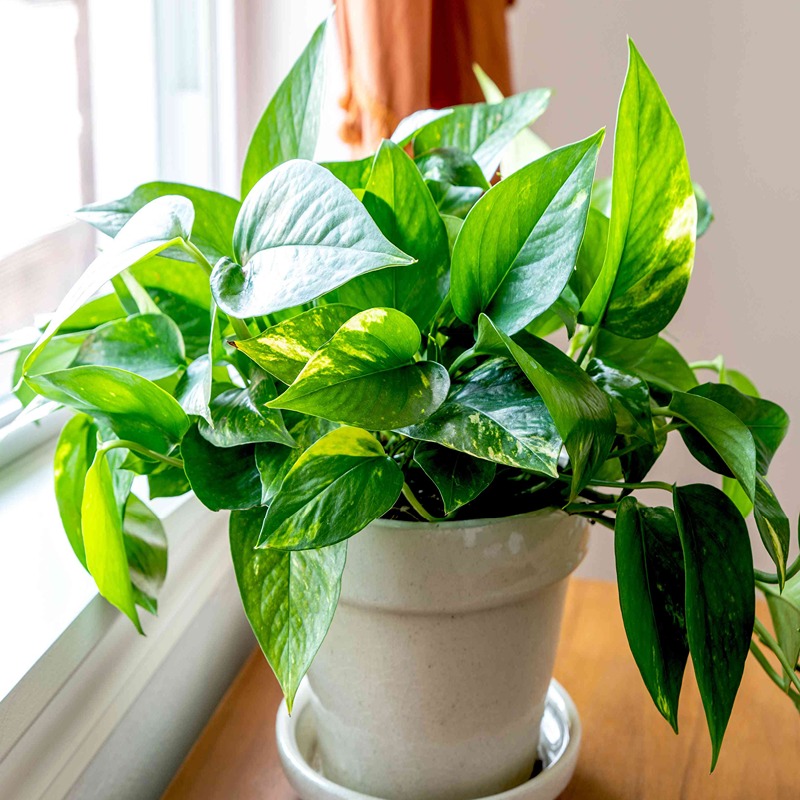
Pothos (Epipremnum aureum) is a tropical vine native to the Solomon Islands in the South Pacific, but you probably know it best seen trailing off of shelves and desks. Pothos is commonly grown as a houseplant, boasting pointed, heart-shaped green leaves that are sometimes variegated with white, yellow, or pale green striations. Pothos plants can live for many years with basic care and are super adaptable, as various light, soil, and moisture conditions suit them. They’re fast-growing plants even indoors, often adding between 12 to 18 inches of length in a month. Be aware that pothos plants are toxic to pets.

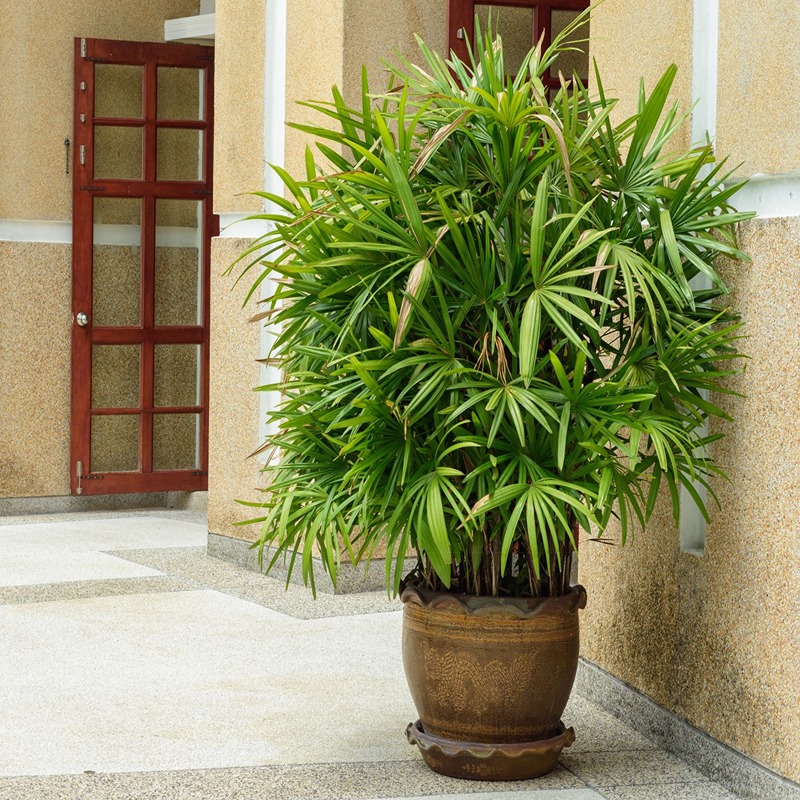
RHAPIS PALM – BAMBOO PALM

The bamboo palm (Rhapis excelsa) is a small palm species that grows in dense clumps of slender upright green stems. On the stems are fan-shaped, glossy green fronds that each have between five and eight narrow, lance-shaped segments. Because this palm is extremely tolerant of low-light conditions, it’s popular to grow indoors as a houseplant. It’s best planted in the spring at the start of the growing season, though houseplants generally can be started year-round. This palm has a fairly slow growth rate, gaining less than a foot in height per year.

RUBBER PLANT – FICUS ELASTICA

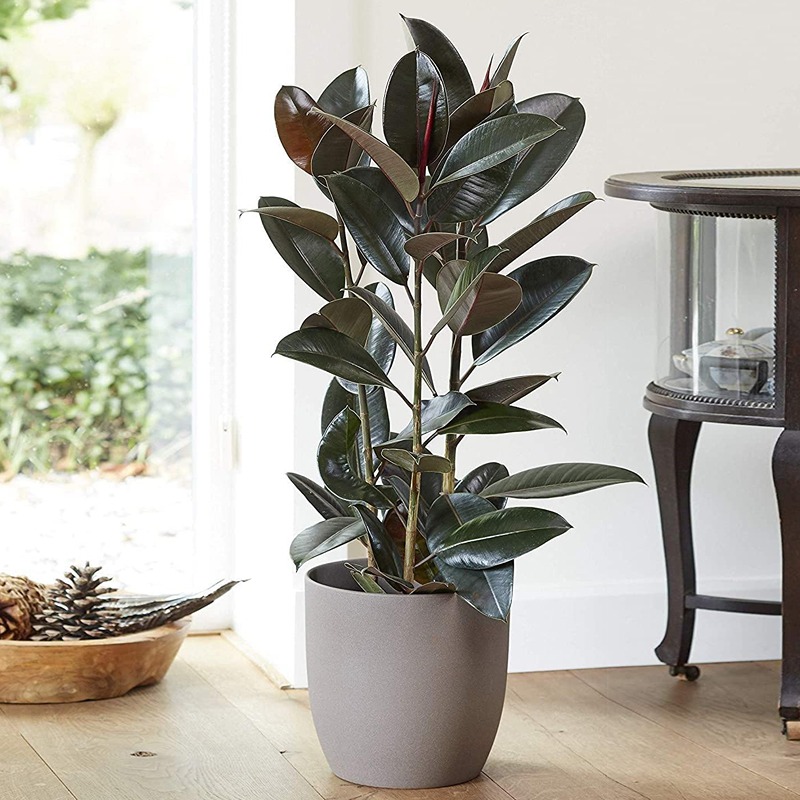
Native to southern China, Southeast Asia, and Indonesia, Ficus elastica is a species of evergreen tropical plant that makes for an excellent houseplant: It is tolerant of indoor light conditions. Rubber plants (known scientifically as Ficus elastica or Ficus robusta) get their name from the milky white latex in their veins. The Mesoamerican people from way back in 1400BC used rubber plants as a key ingredient to make bouncy balls. In parts of India, people use their strong roots to make ‘living bridges’ over small rivers. But they’re best known today for being handsome houseplants with their silky sheen, creamy colors and air purifying qualities.

RUBBER PLANT VARIEGATED – FICUS ELASTICA

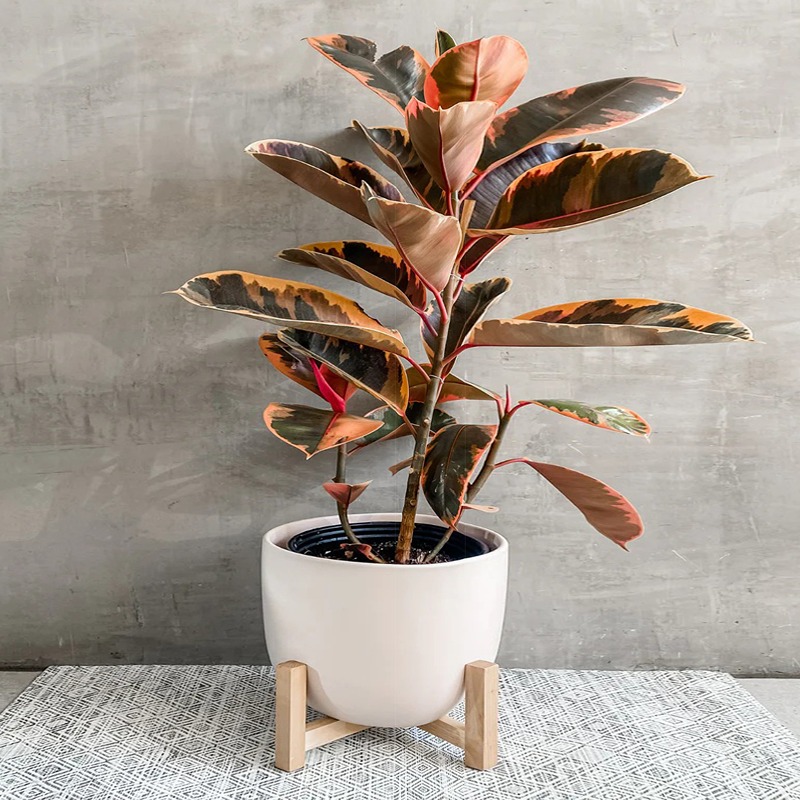
Variegated Rubber plants differ from regular rubber plants in their leaf color. Traditional rubber plants have dark green leaves but variegated rubber plants have leaves with shades of red, yellow, cream and green. Their colors fit the landscape of the desert perfectly. Perfect for bringing color and life to entry areas, empty corners and mixed plant groupings! Rubber Plants are a popular houseplant choice due to their ease of care, attractive foliage and tree-like presence. Perfect for all kinds of containers. Makes a breathtaking potted specimen plant. Keep soil evenly moist. Apply a balanced liquid fertilizer monthly during active growth. Dust or wipe off leaves for best display. Prune branches to maintain desired size.

SCHEFFLERA – UMBRELLA PLANT

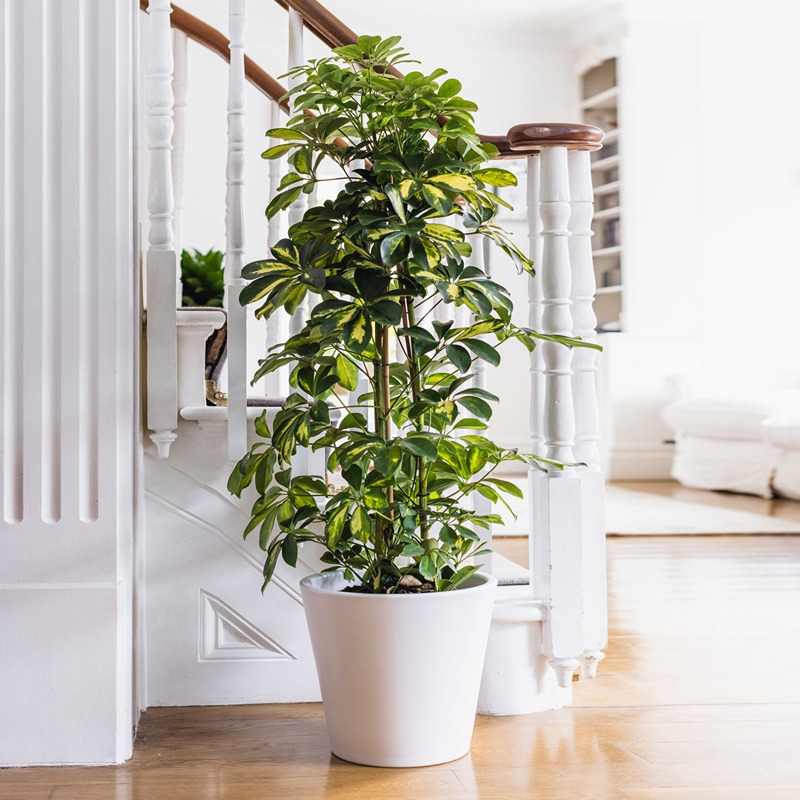
Schefflera is a large genus of tropical plants that includes two species that make wonderful tropical houseplants. The larger Schefflera actinophylla (sometimes called the umbrella plant or umbrella tree) features long, shiny, oval green leaves that droop gracefully from a central stalk, resembling an umbrella. A mature Schefflera might have 12 to 16 leaflets from a single stalk, while an immature Schefflera is more likely to have four to six. Schefflera arboricola (sometimes called dwarf Schefflera) features smaller, glossy leaves, sometimes with creamy variegation. Other than the smaller size, it looks very similar to its taller cousin. Schefflera pants are usually grown indoors for most of the year in cooler climates but can be taken outdoors for the warmer months, where they will thrive alongside other tropical plants. However, Schefflera plants typically have to be grown outdoors to display their show of long red, white, or pink tentacle-like flowers. Plants grown indoors rarely produce flowers. Schefflera plants are fast-growing plants, especially if planted outdoors, where they can add three feet per year. Indoor plants are slower-growing, especially if you keep them somewhat confined in a tight-fitting container. If you are planting a Schefflera in a warm climate garden, they are best planted in spring or fall when the weather is not blazing hot.

SCINDAPSUS PICTUS – SATIN POTHOS

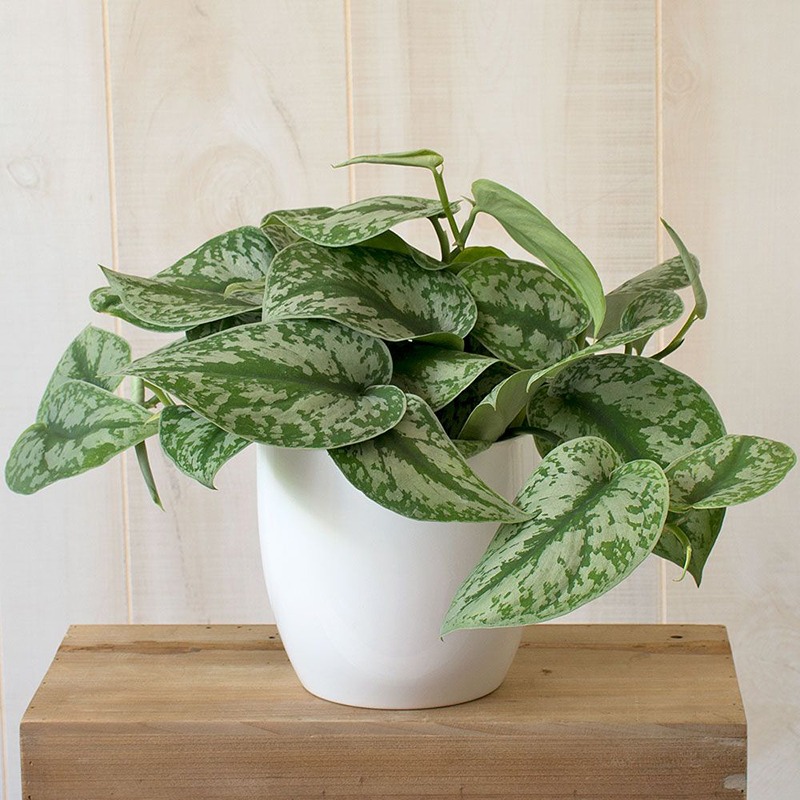
Satin pothos (Scindapsus pictus), just like its botanical cousin pothos (Epipremnum aureum) is one of the easiest houseplants to grow. Both are members of the Arum family. They are evergreen tropical vines that are not cold-tolerant. That’s why pothos is usually grown indoors. What distinguishes satin pothos from pothos is the variegation of its foliage. The heart-shaped leaves have silvery grey splotches, which makes them look almost shiny and adds to the visual appeal of the plant. The intensity of the variegation depends on the cultivar. Satin pothos is a vine that will latch onto its surroundings—that can be a pole, a trellis, other plants, a wall, or a piece of furniture. The way the vine attaches to surfaces is through its aerial roots. Sometimes it does this on its own, sometimes it needs a little help, such as with invisible mini hooks. Instead of letting it trail, you can also grow satin pothos in a hanging planter allowing its foliage to cascade down.

SNAKE PLANT – SANSEVIERIA

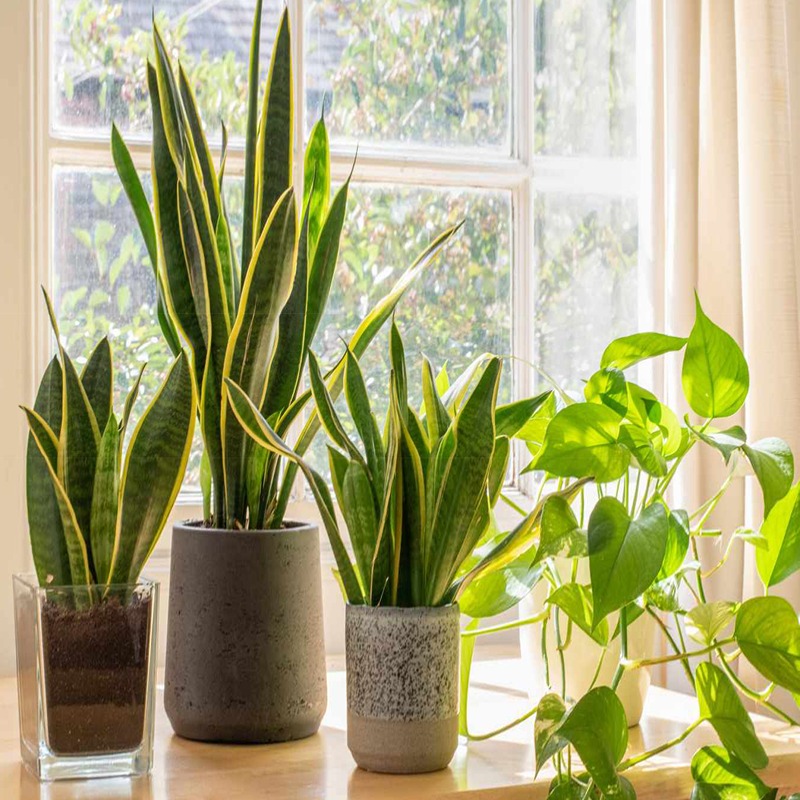
Snake plant, is a popular and hardy houseplant with stiff, sword-like leaves from six inches to 12 feet tall in its native habitat but usually reaches two feet tall when grown indoors. They vary in color but many have green-banded or striped leaves with a yellow or cream border. Snake plants are easy to grow and are nearly indestructible. They grow slowly indoors, adapting to both bright light and low-light corners, however a few hours of early morning direct sun can boost growth. Planting and repotting is best done in the spring. Snake plant is toxic to cats and dogs.

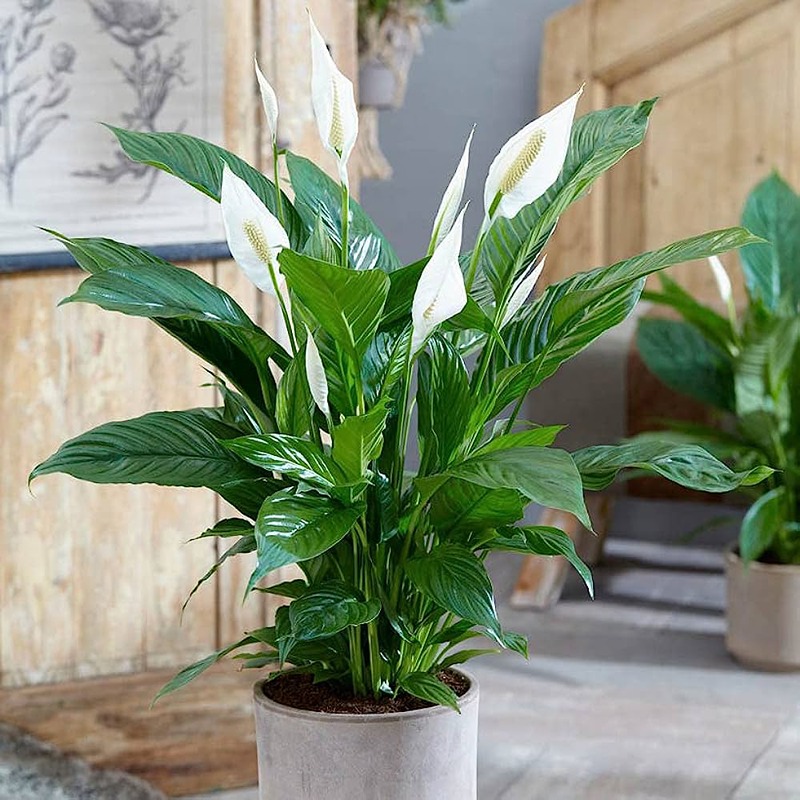
SPATHIPHYLLUM – PEACE LILY

Peace lilies are not true lilies. They are tropical, evergreen plants in the Arum family, native to tropical Central and South America. These plants thrive on the forest floor, where they receive dappled sunlight and consistent moisture and humidity. Replicating these conditions in the home is the key to getting your peace lily to be happy and healthy. With enough light, peace lilies produce white to off-white flowers starting in the early summer, continuing to bloom throughout the year in the right conditions. Most household varieties of peace lily grow up to 16 inches tall, but larger outdoor cultivars can have leaves that reach up to 6 feet in height.

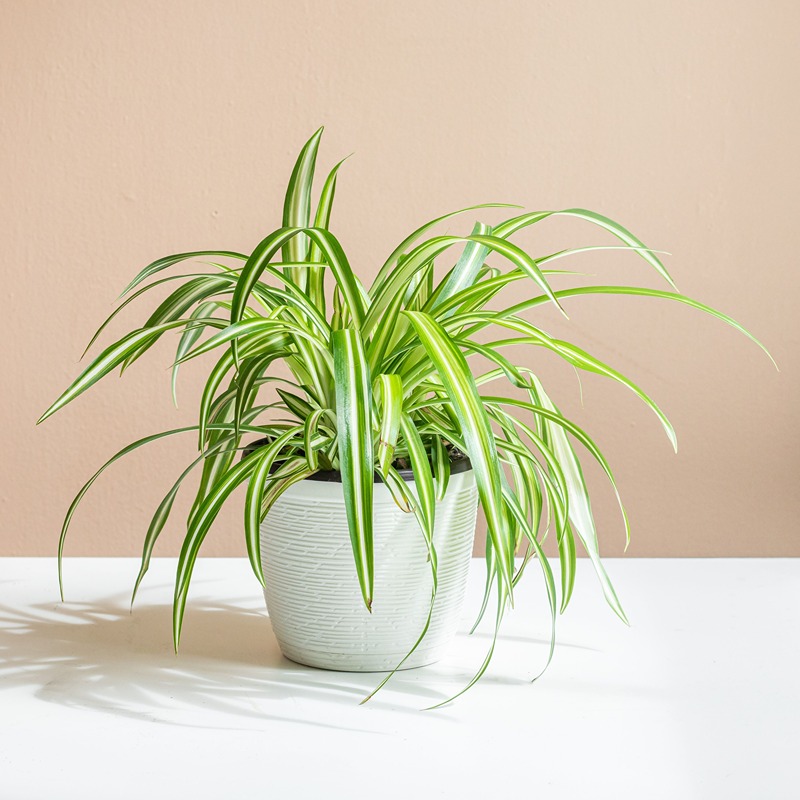
SPIDER PLANT

Spider plants produce a rosette of long, thin, arched foliage that is solid green or variegated with white. These easy-to-grow houseplants look especially nice in a hanging basket and were a favorite in Victorian-era households. During the summer, spider plants may produce tiny white flowers on long stems, as well as baby spider plants (offsets) called “pups.” The pups look like tiny spiders, hence the plant’s name! Caring for spider plants is easy. These tough plants tolerate lots of abuse, making them excellent candidates for newbie gardeners or those without a green thumb. Provide them with well-drained soil and bright, indirect light and they will flourish. Water them well but do not allow the plants to become too soggy, which can lead to root rot. In fact, spider plants prefer to dry out some between waterings.

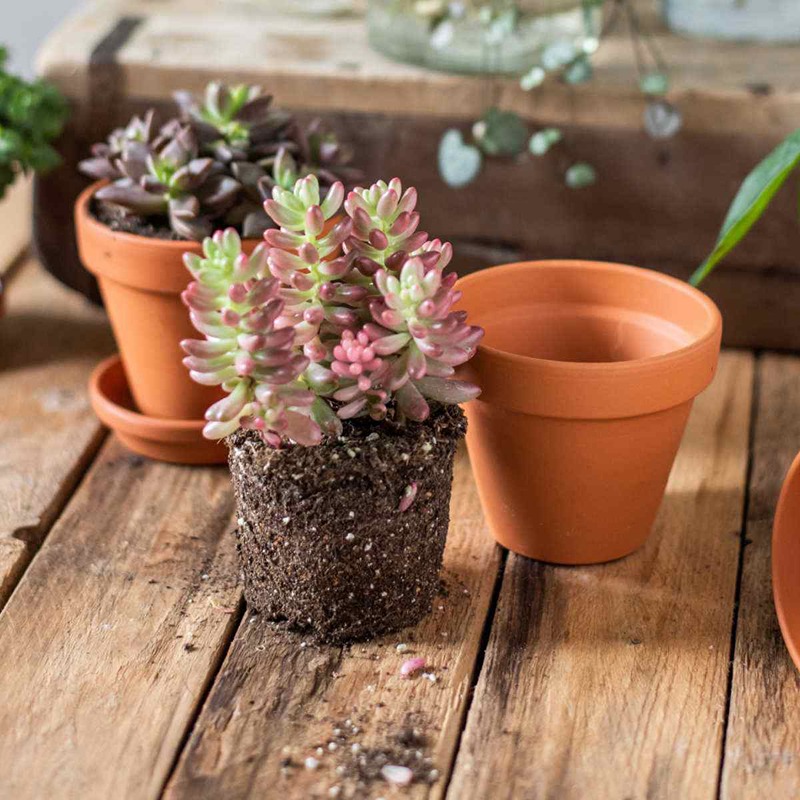
SUCCULENT MIX

These houseplants are celebrated for their low maintenance—that’s only true once you know what you’re doing. Succulents do best when kept in areas with moderate to bright, indirect sunlight and/or partial sunlight. Less is more when it comes to watering, All succulents (and all plants for that matter) benefit from a complete soaking, until water comes out of the bottom of the pot. For succulents, wait until the soil is bone dry — and then some — to water again. Just be sure to keep the leaves dry to keep mold at bay.

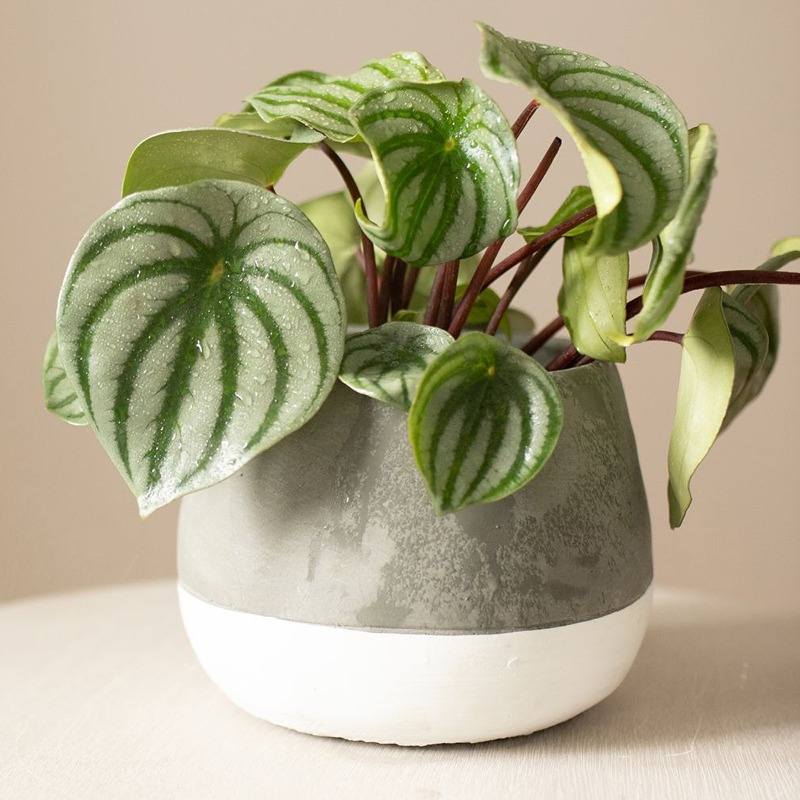
WATERMELON PEPEROMIA

Watermelon peperomia (Peperomia argyreia) have exploded in popularity among houseplant lovers thanks to their stunning watermelon-patterned foliage. They have a compact growth habit, and their leaves are not only colorful but also have a shimmery appearance that is especially stunning when the sunlight catches them. Native to South America, watermelon peperomia are tropical plants that grow naturally in the rainforest understory, and adapt exceptionally well to indoor growing.

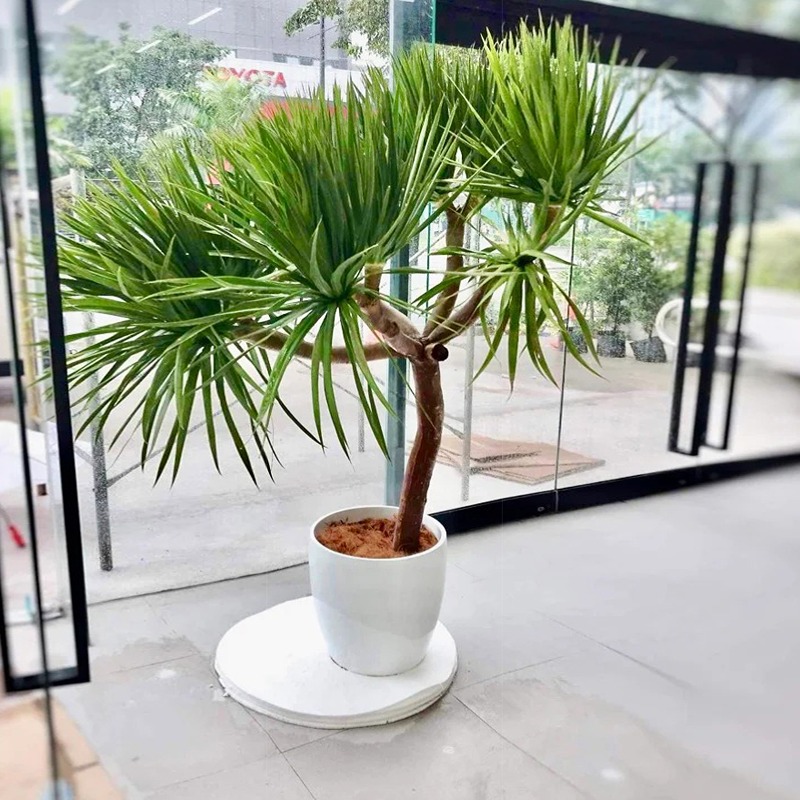
YUCCA MULTI HEAD – SPINELESS JEWELS

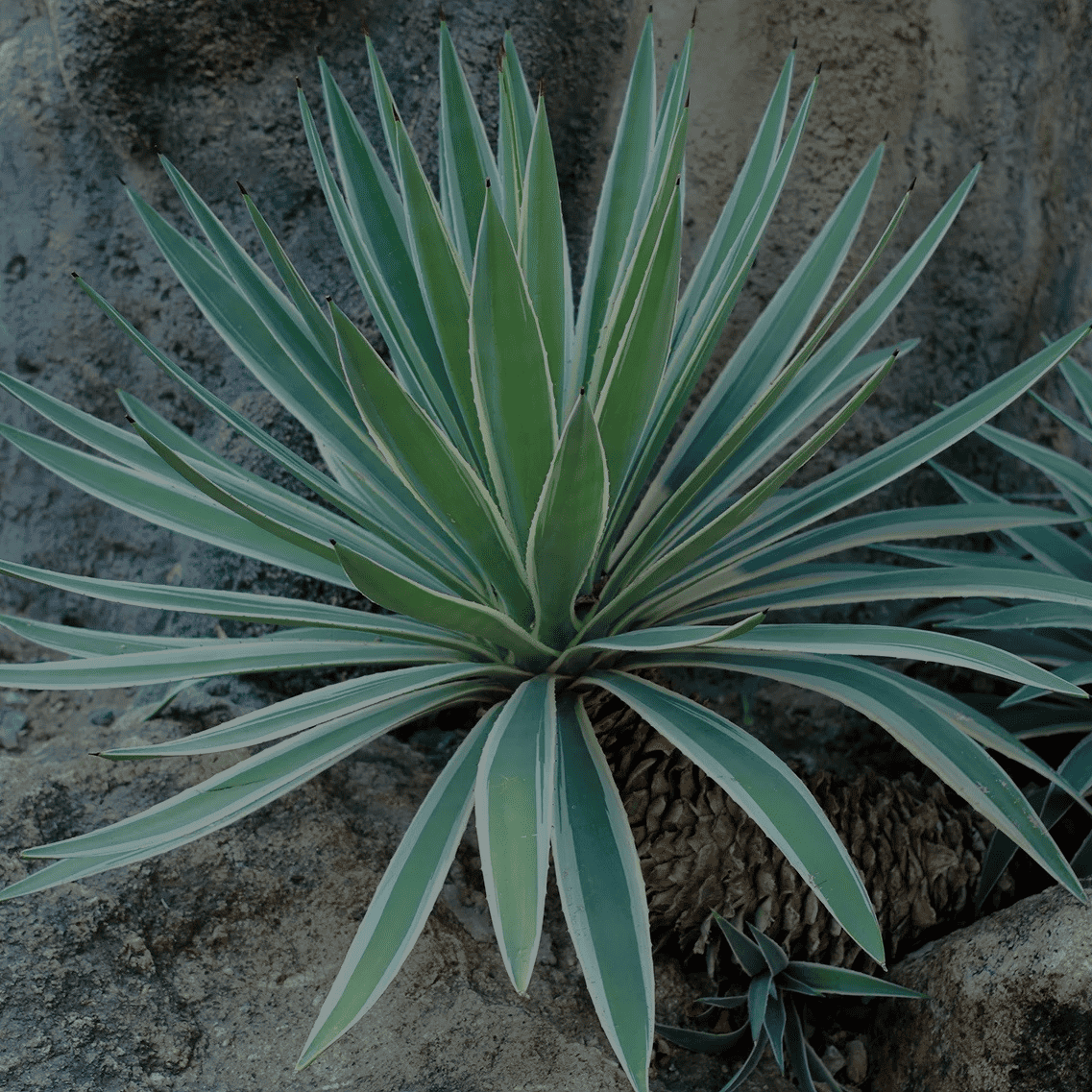
The drought tolerant Yucca is a low maintenance plant with sword like dark green leaves. The plant can add a tropical feel in your homes, cafes, restaurants.