
Natural Outdoor Plants

AGAVE
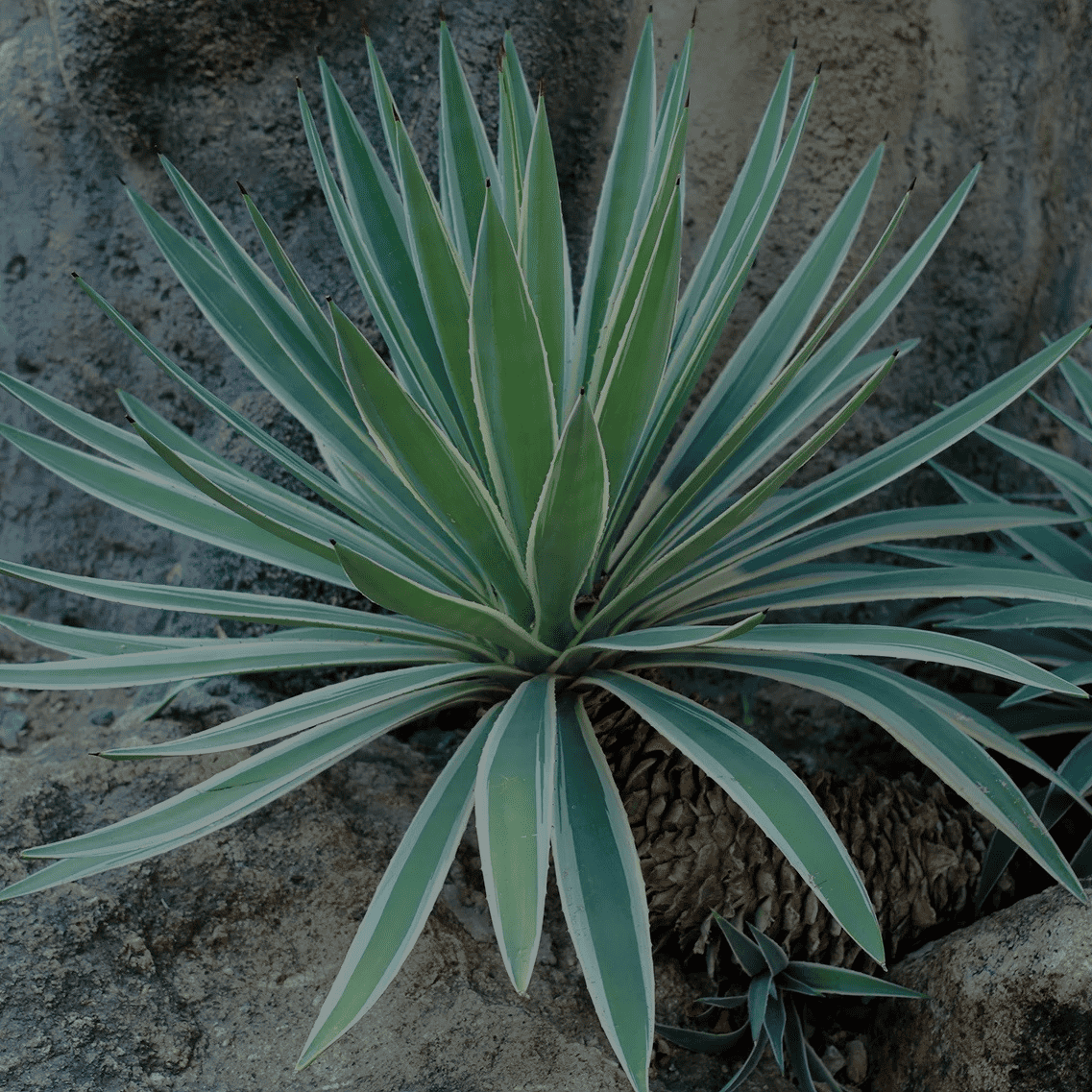
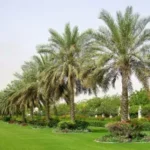
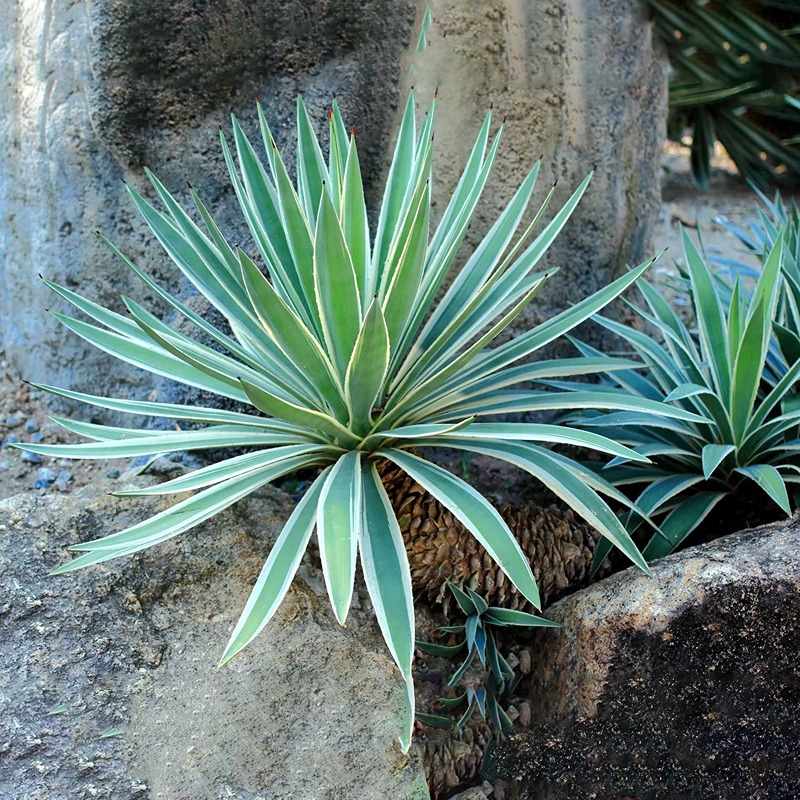
Agave plants are succulents with large leaves that end in pointy tips. Large, stiff specimens can grow to 10 feet or more in height and width, and smaller species can be dish-sized. A few agave species have soft leaves and no spines. Agave grows best in rocky, sandy, well-drained soil in full sun. Fertilizer can encourage agave to bloom, which is not recommended because the plant only blooms once, then dies.
ASPARAGUS SPRENGERI
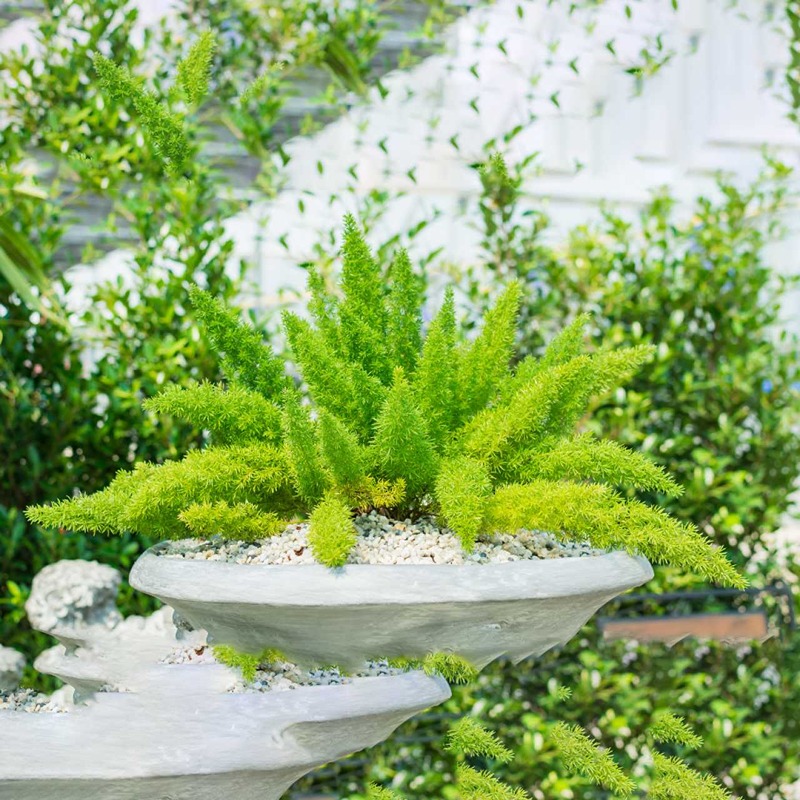
Normally planted in the spring, the fast-growing asparagus fern has a lot of good qualities, but it comes with some important cautions. In warm, humid climates, asparagus ferns can spread rapidly when planted outdoors—to the point of serious invasiveness. Neither plant is a fern, but instead, they are warm-weather perennials closely related to the common edible garden asparagus.
BARREL CACTUS
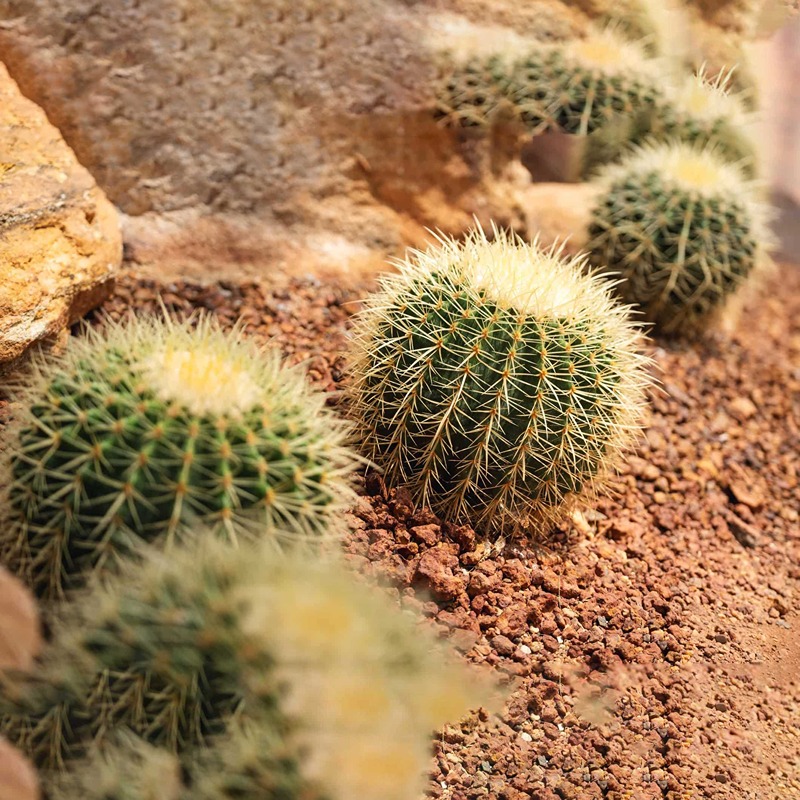
The aptly named golden barrel cactus or golden ball (Echinocactus grusonii) rarely grows in its native habitat. It is sometimes used in the outdoor garden in dry climates where temperatures never fall below 4 degrees Celsius. It’s called a barrel cactus because, as the name implies, they are almost perfectly round when juvenile. They are beautiful, with evenly spaced rows of spines on their deeply ribbed lobes. As they grow, it’s not uncommon for them to stretch out, so they are more oval than circular.
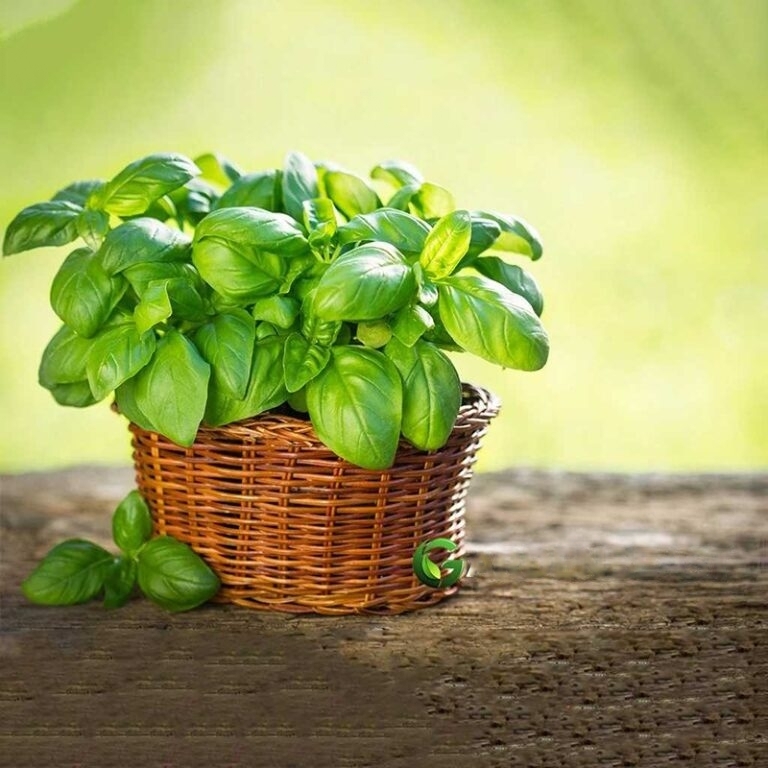
BASIL PLANT
Basil plants are one of the most popular herbs to grow and also one of the easiest. Sweet basil (Ocimum basilicum) is a member of the mint family. It is closely identified with Italian cooking, although it is originally from India. The extremely aromatic leaves also have a delightful variety of flavors, from the slightly lemony-mint of sweet basil to cinnamon and licorice. Leaf colors span from rich green to deep purple, with smooth or crinkled leaves. The flowers are insignificant but very popular with bees.
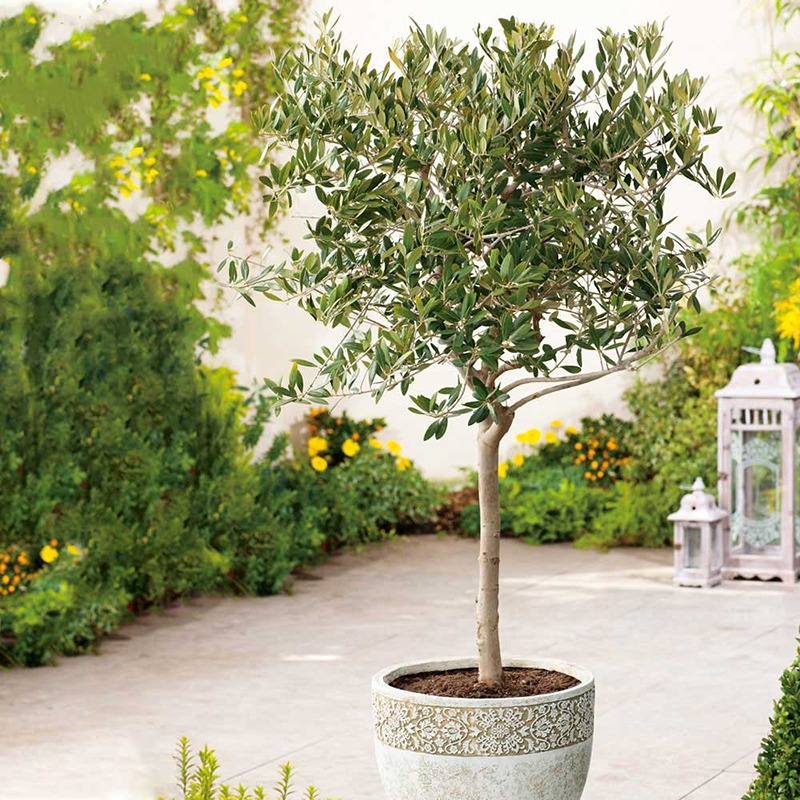
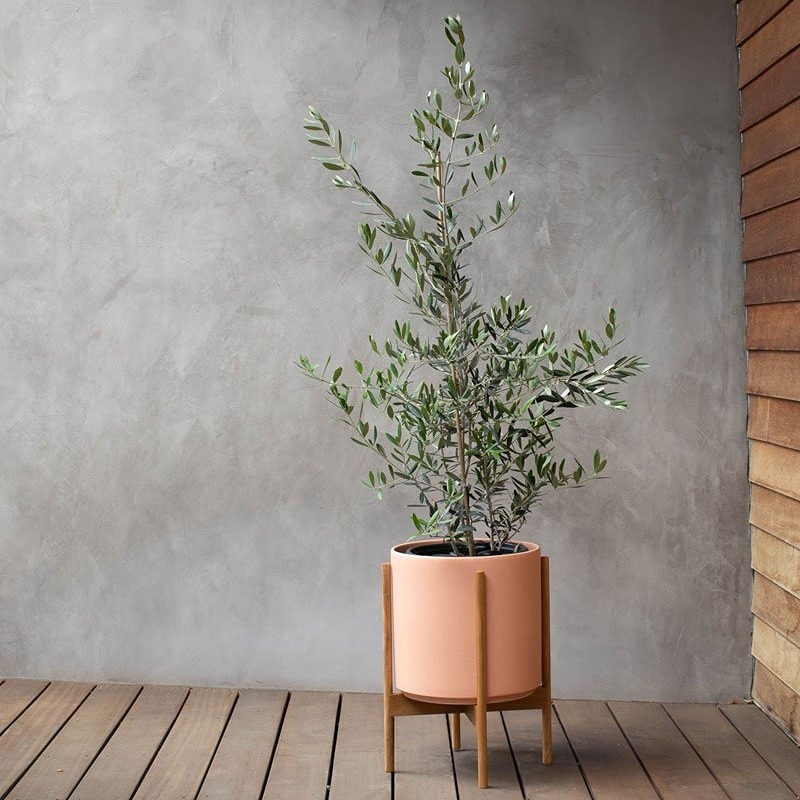
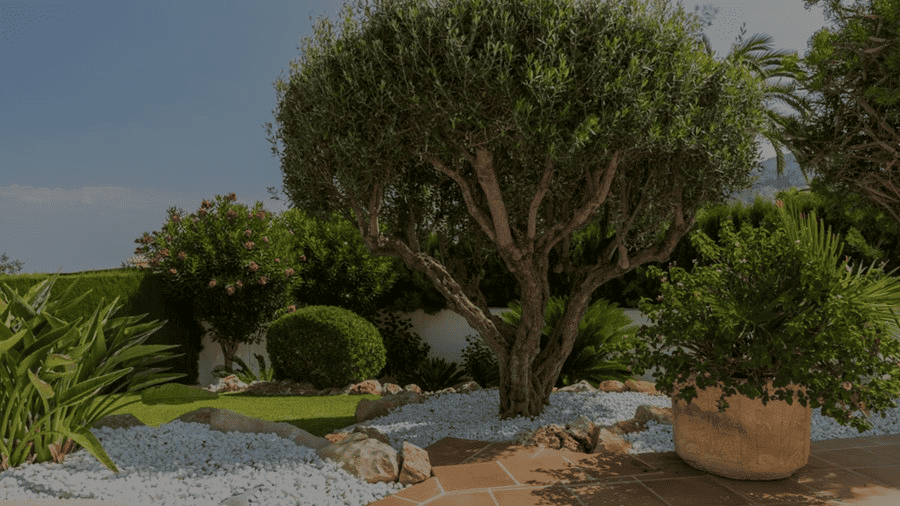
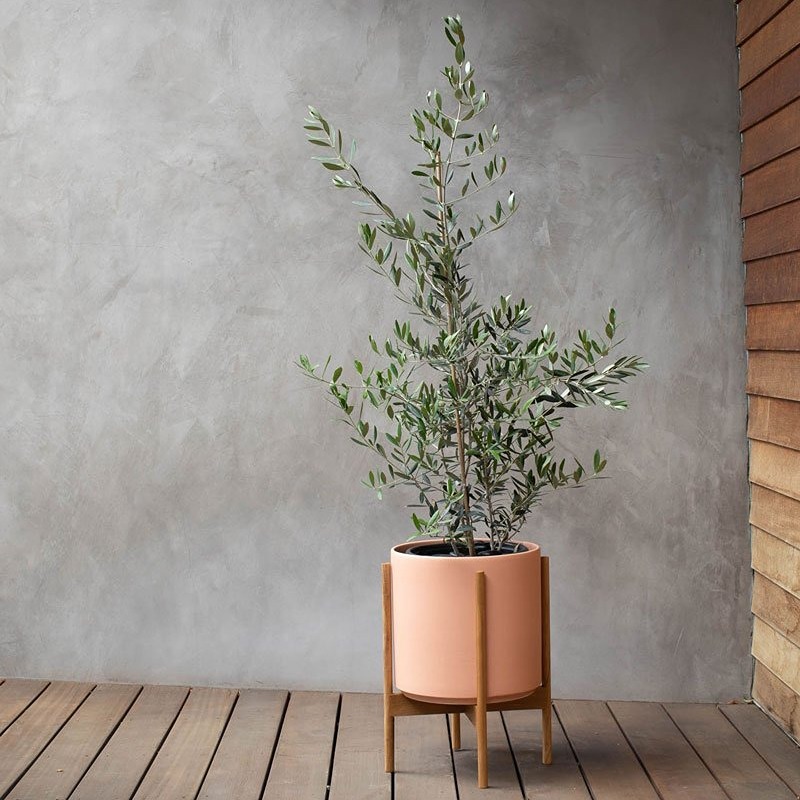
Best Selling Olive Trees In Dubai
With their small, silvery, gray-green leaves, olive trees (this specific variety is the Common Olive Tree) make beautiful outdoor & indoor plants. These Mediterranean plants need a lot of bright, direct sunlight. South and west facing windows are ideal.
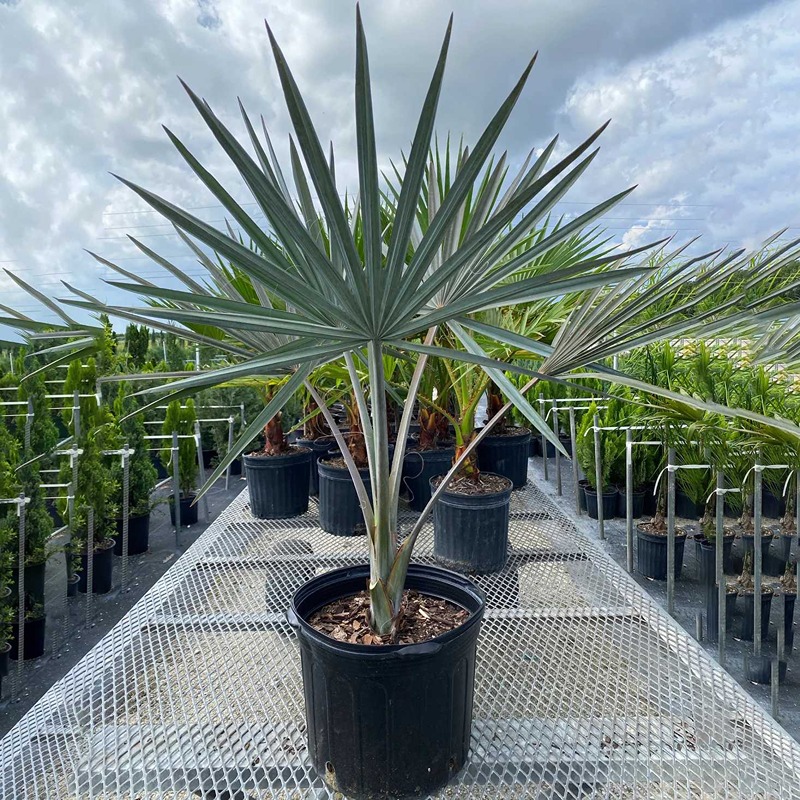
BISMARCK PALM
The Bismarck Palm, scientifically known as Bismarckia Nobilis, is a stunning and majestic palm tree that is native to Madagascar. It is a slow-growing palm that can reach a height of 30 feet and a width of 20 feet, making it a perfect choice for large landscapes and gardens. The Bismarck Palm has a single, thick trunk that is covered in a grayish-brown bark, and it is topped with a crown of large, fan-shaped leaves that can grow up to 10 feet in diameter. The leaves are a beautiful silvery-blue color, which makes them stand out in any landscape. The Bismarck Palm is a hardy plant that can tolerate a wide range of soil types and temperatures, making it an ideal choice for tropical and subtropical regions. It requires full sun exposure to thrive and should be watered regularly during the growing season. The Bismarck Palm is also resistant to most pests and diseases.
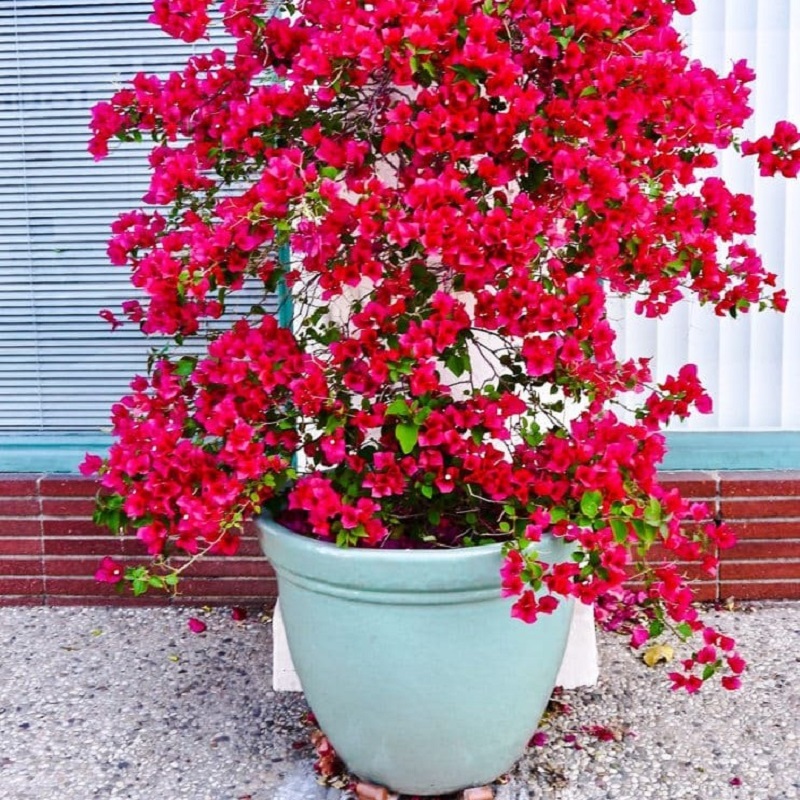
Bougainvillea
Botanically, the plants are classified as woody vines, although they often behave more like shrubs. In fact, they can easily be trained to grow as shrubs . The foliage of these tropical flowers is usually evergreen in warm climates, but their leaves will sometimes drop if watering has been insufficient. These vines can attain a height and spread of 15-40 feet and contain thorns. What appears to be the flower on bougainvillea plants is actually a foliar structure referred to as a “bract.” The flower, technically, is much smaller and not nearly as eye-catching.
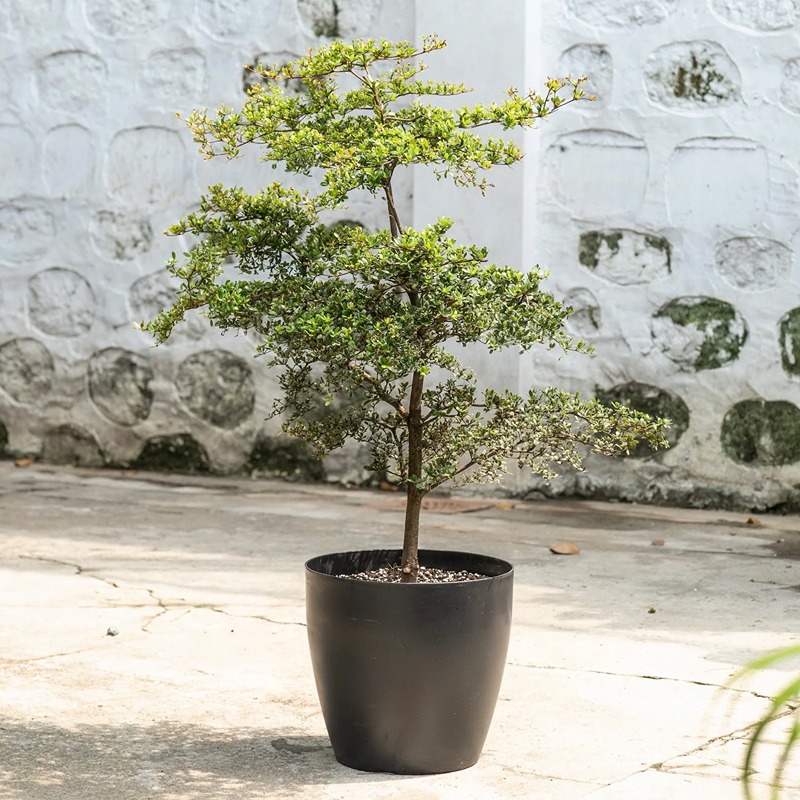
BUCIDA
Bucida buceras, Though commonly called ‘black olive tree’, this native of the upper Florida Keys is not the edible olive we know and love but does produce a small, black seed capsule. Black olive is a 40 to 50-foot-tall evergreen tree with a smooth trunk holding up strong, wind-resistant branches, forming a pyramidal shape when young but developing a very dense, full, oval to rounded crown with age. Sometimes the top of the crown will flatten with age, and the tree grows horizontally. The lush, dark bluish-green, leathery leaves are two to four inches long and clustered at branch tips, sometimes mixed with the 0.5 to 1.5-inch-long spines found along the branches.
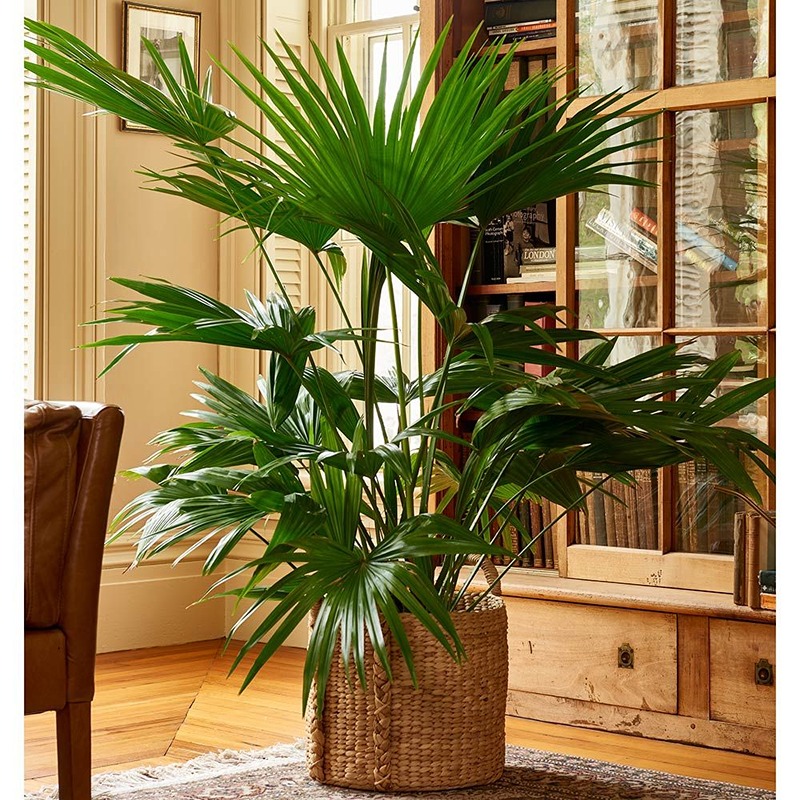
Buy Livistona Palm in Dubai in UAE
Livistona is a genus of palm trees that is widely distributed in the tropical and subtropical regions of Asia, Australia, and Africa. These palm trees are characterized by their fan-shaped leaves, slender trunks, and attractive, decorative fronds. Livistona palms are popular among gardeners and landscapers for their ornamental value, ease of care, and adaptability to a wide range of growing conditions.
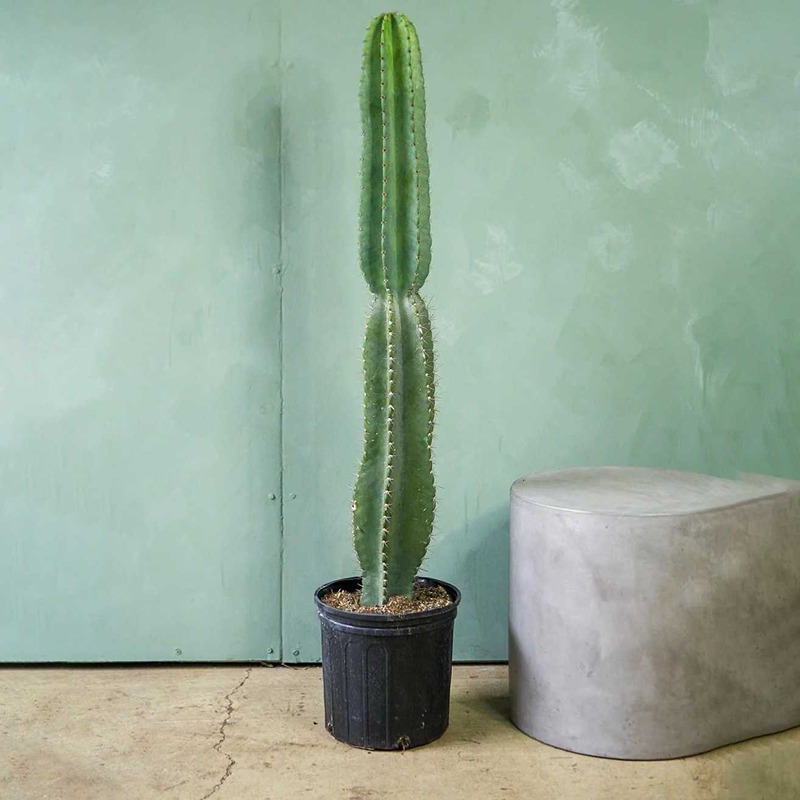
CEREUS PERUVIANUS
Cereus Peruvianus, the Peruvian cactus, is a large, erect, thorny columnar cactus found in South America. It is also known as giant club cactus, hedge cactus, cadushi, and kayush. Cereus repandus is grown mostly as an ornamental plant. The Peruvian apple cactus thrives on bright light and sunlight, although direct sun when blazing hot is best avoided, when first introduced to direct sun. It’s advisable to water this plant more often within the summer and much less, winter time. Like other desert-type cacti, their natural habitat is dry and they store water within the stems. Water this plant when the soil begins drying out, throughout spring and late summer. In late summer reduce watering until the next spring and allow the soil to be fairly dry.
CHIKOO – SAPODILLA
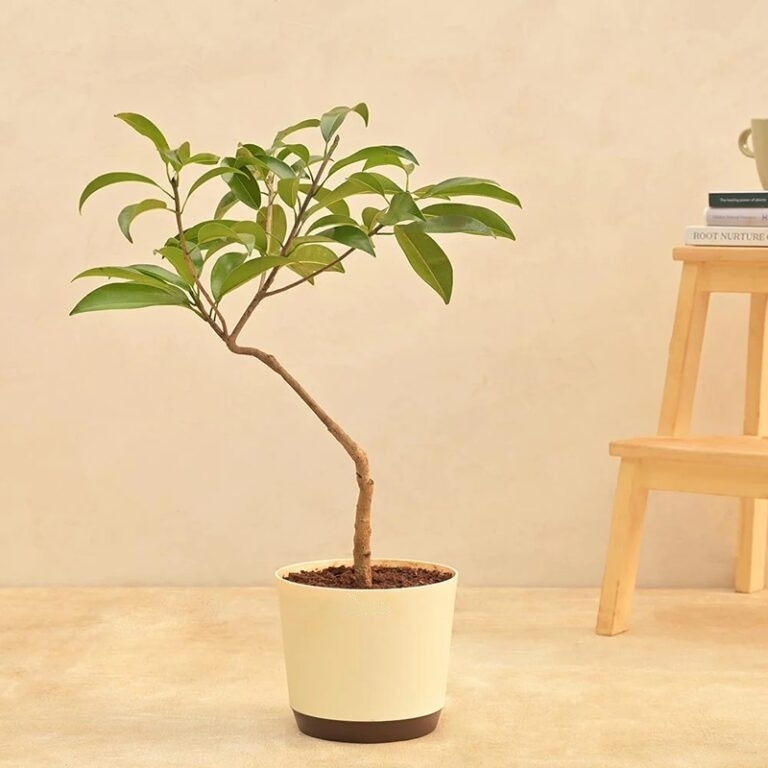
Manilkara Zapota commonly known as Chikoo trees are long-living evergreen trees. These are cultivated for their edible sweet fruits. With its native origin to Central America, Mexico & West Indies, but find its a wide distribution throughout Southeast Asian countries. Chikoo trees have a tendency to grow about 5 – 20 m tall when cultivated in your home garden. This tree consists of glossy medium green leaves, which are alternate, and elliptic to ovate with an entire margin. Manilkara Zapota also blooms inconspicuously with white flowers, that are bell-like, with a six-lobed corolla. The fruit that it bears is somewhat like a large berry (4 – 8 cm in diameter) with its color turning from a pale yellow to an earthy brown as it gets ripened. With their attractive appearance and easy-to-care conditions, these trees are excellent for ground cover or other relevant ornamental purposes.
CRASSULA OVATA – JADE PLANT
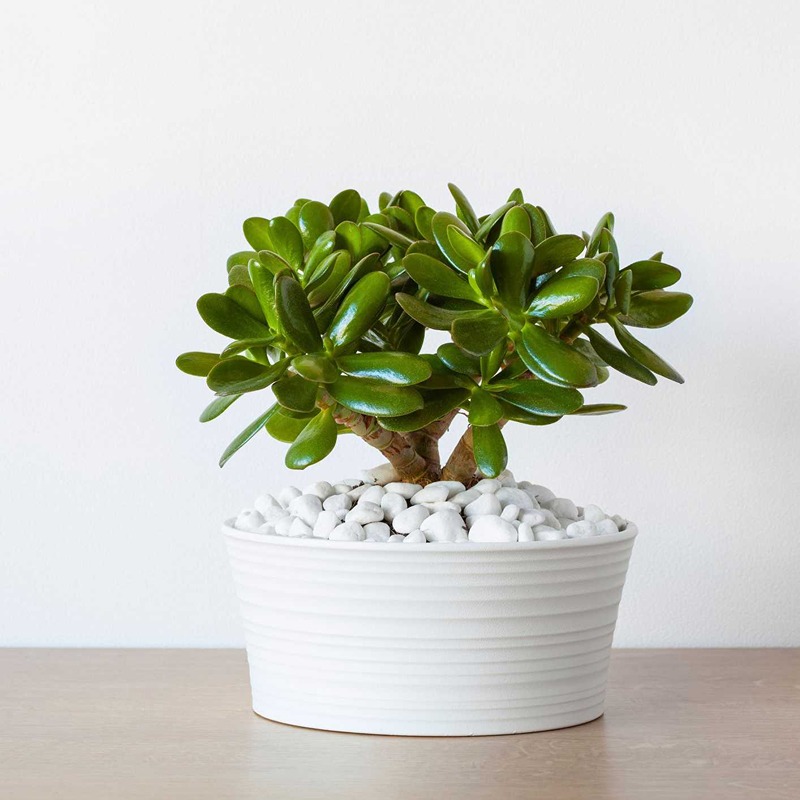
The jade plant is a popular succulent houseplant with simple indoor/outdoor care requirements and a very long lifespan of up to 70 years with the proper care. This plant is slow-growing—gaining only about two inches of height per year, but it can reach a total height between three and six feet. Jade plants feature thick, woody stems topped by green, fleshy leaves with an oval shape. Plant in loose, well-draining soil. A succulent potting mix is the best option.
CROTON PLANT
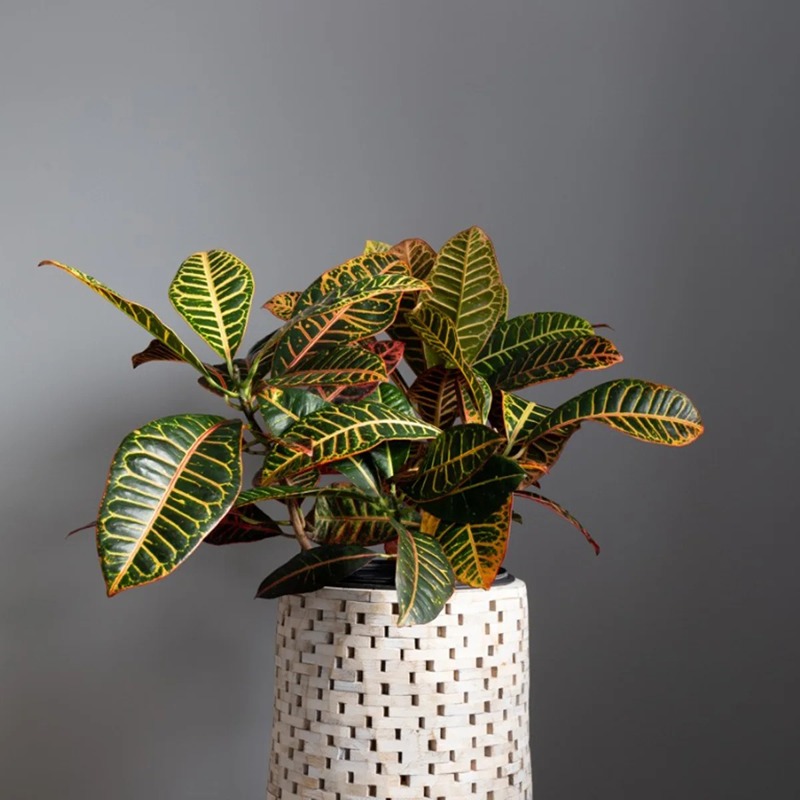
The croton plant (Codiaeum variegatum) has colorful variegated foliage and nearly limitless leaf forms with hundreds of croton plant varieties. Croton plants grow best outdoors in warm, humid climates. They like full to dappled light and plentiful water. Growing croton plants indoors can be a challenge to mimic their ideal conditions. Outdoor croton plants can reach around 8 feet tall, but as pot-grown houseplants they tend to be much smaller, making Croton a good indoor plant in that regard. In general, Codiaeum variegatum grows relatively slowly, gaining less than a foot per growing season.
CURRY LEAVES PLANT
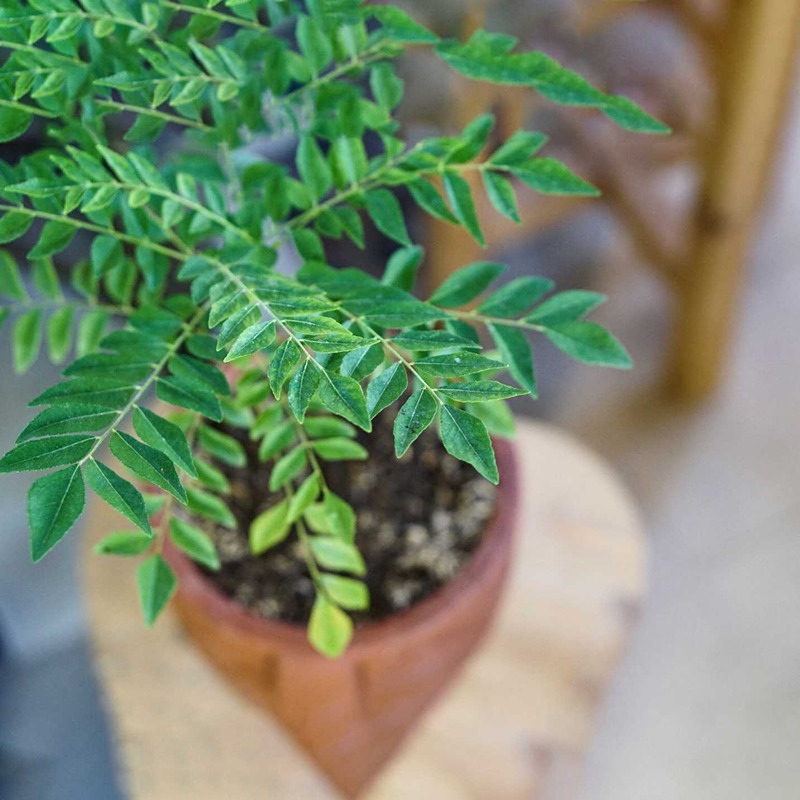
Native to India, the fast-growing curry tree is a small evergreen bush or tree that can reach anywhere from six to 20 feet tall. The most widely known part of the curry tree is its aromatic, spicy foliage, comprised of many leaflets. The leaves are pinnate and form alternately on the stem. They are best harvested when fresh. The tree produces fragrant white flowers, which develop into small, black fruits similar to berries. Unlike the leaves, they are not suitable for consumption. The curry tree is best planted in the spring.
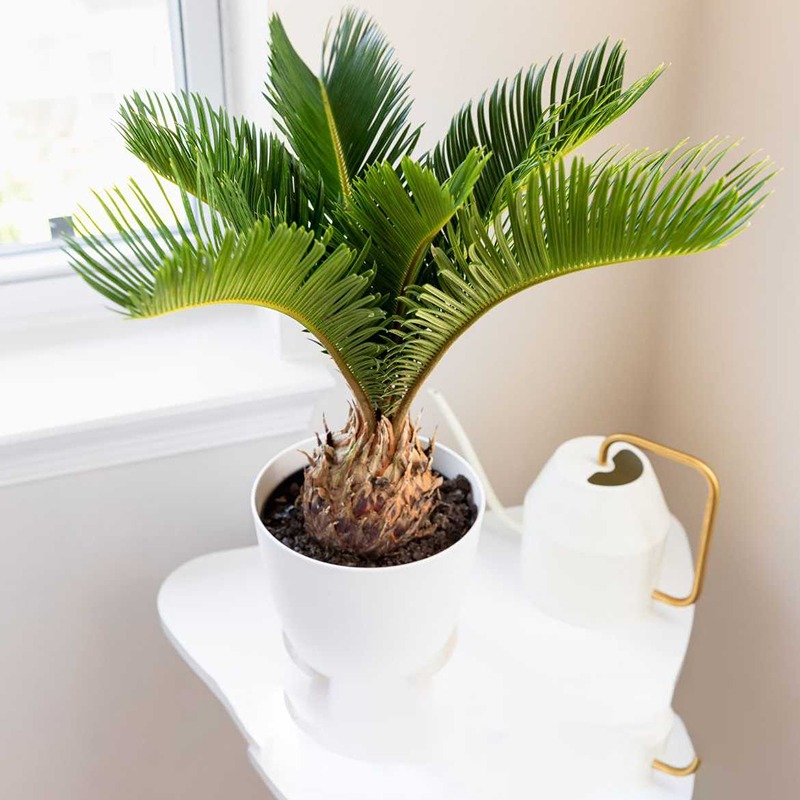
CYCAS PALM – SAGO PALM
Despite its common name, sago palm (Cycas revoluta) isn’t technically a true palm tree though it may have the appearance of other types of palm. Sago palm grows best in warm, humid conditions, and requires four to six hours daily of dappled sunlight, acidic soil, and consistent temperatures between 18 and 23 degrees Celsius. These fairly low-growing plants with long green fronds are cycads, a group of ancient tropical and subtropical plants that usually grow from a trunk that doesn’t branch out; it produces nuts but doesn’t flower or fruit. Sago palms are native to warm parts of Japan and southern China.
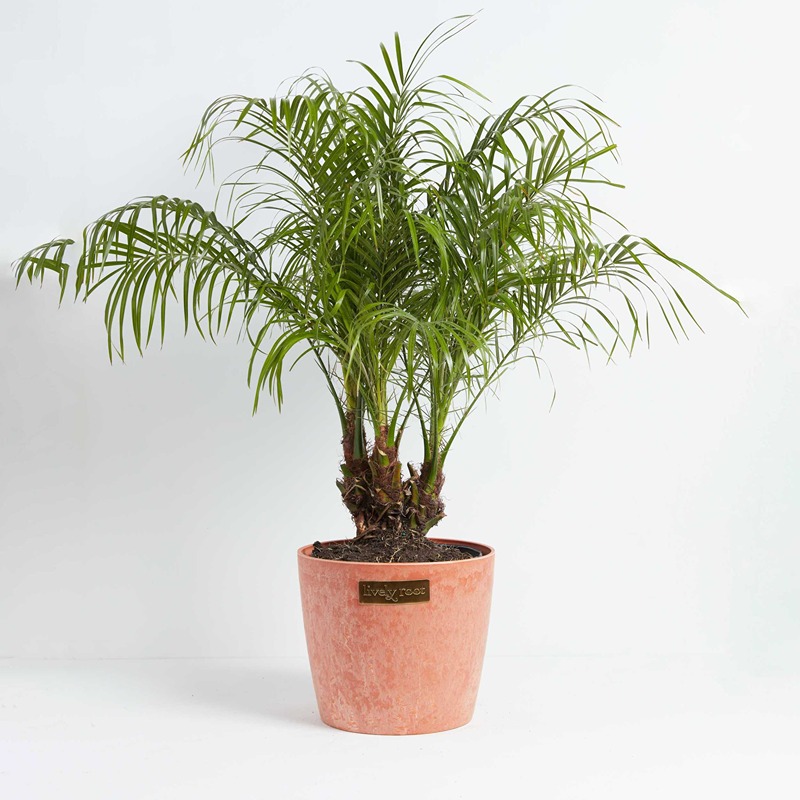
DATE PALM
The date palm (Phoenix dactylifera) has a commanding presence. Its arching, gray-green, waxy fronds can reach more than 10 feet long, forming a stately crown at the top of the tree. Panicles of pale yellow flowers generally appear in the spring. And they give way to the edible oblong fruits (the dates) that begin as green and then typically turn brown as they ripen. The palm is slow-growing, gaining a few feet per year on average. It can be planted in the spring or fall.
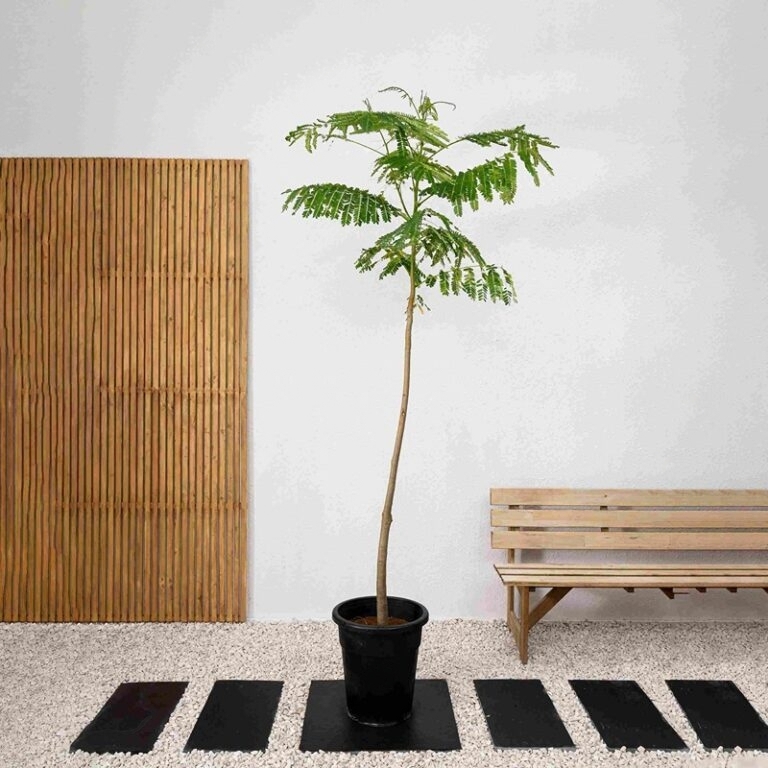
DELONIX TREE
Delonix regia or Flame Tree is a semi-evergreen tree (fully deciduous in areas with a long, dry season). It has a wide-spreading, dome-shaped crown and broadly ovate, 2-pinnate, bright green leaves, 30-50cm long, each pinna divided into 10-25 pairs of elliptic to oblong leaflets. From spring to summer, bears many scarlet flowers, 10-13cm across, the standard petals pale yellow and striped with red. Height to 10m, Spread 5-10m. Native of Madagascar. During summer, Water daily or when the soil starts to become slightly dry at the top. During the Winter season water once in 2 days or when the soil starts to become slightly dry at the top. Keep the soil lightly moist at all times, but do not overwater as this will cause brown spots and leaf drop.
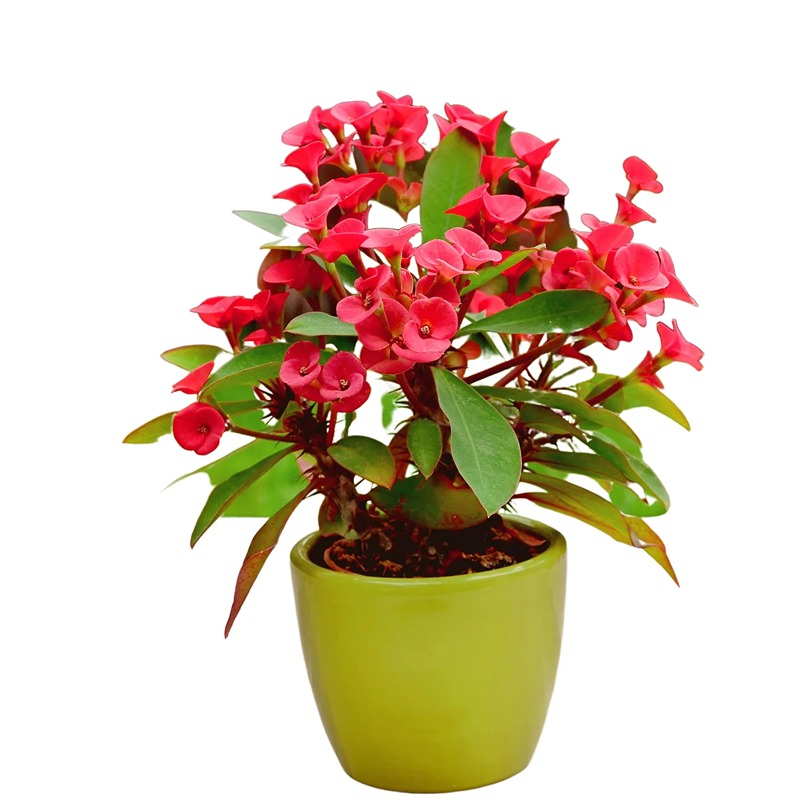
EUPHORBIA
The Euphorbia genus includes annual, perennial, and biennial species. You’ll find herbaceous plants and woody shrub species as well as both deciduous and evergreen species. The linking characteristic among the species is the presence of a milky white sap in the plants which comes out of the plants when cut or damaged. This white poisonous sap is something that deer and rabbits don’t like and is highly toxic and an irritant to the skin and eyes.
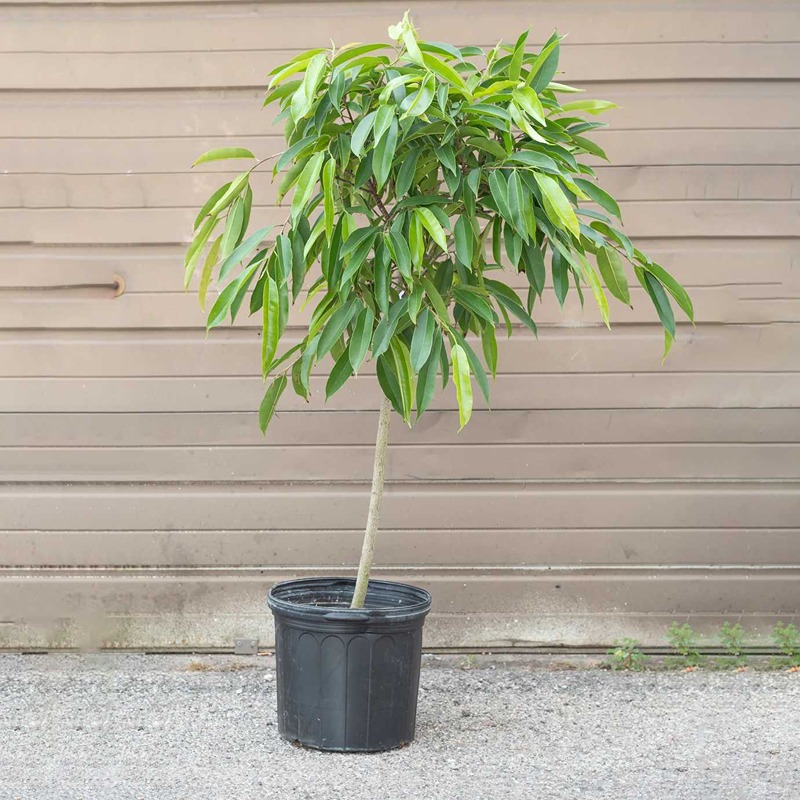
Ficus Amstel Queen-Indoor Plants
This Ficus variety has long, banana-shaped leaves. The large, leathery, fast-growing foliage has a lush tropical appeal. This plant has similar growth habits to Ficus Alli, but has many wider, thicker and somewhat larger leaves. During active growth periods, growth tips are a very pronounced pink to red that contrasts beautifully against the broad, shiny leaves. ‘Amstel Queen’ holds its foliage extremely well indoors as well as outdoors.
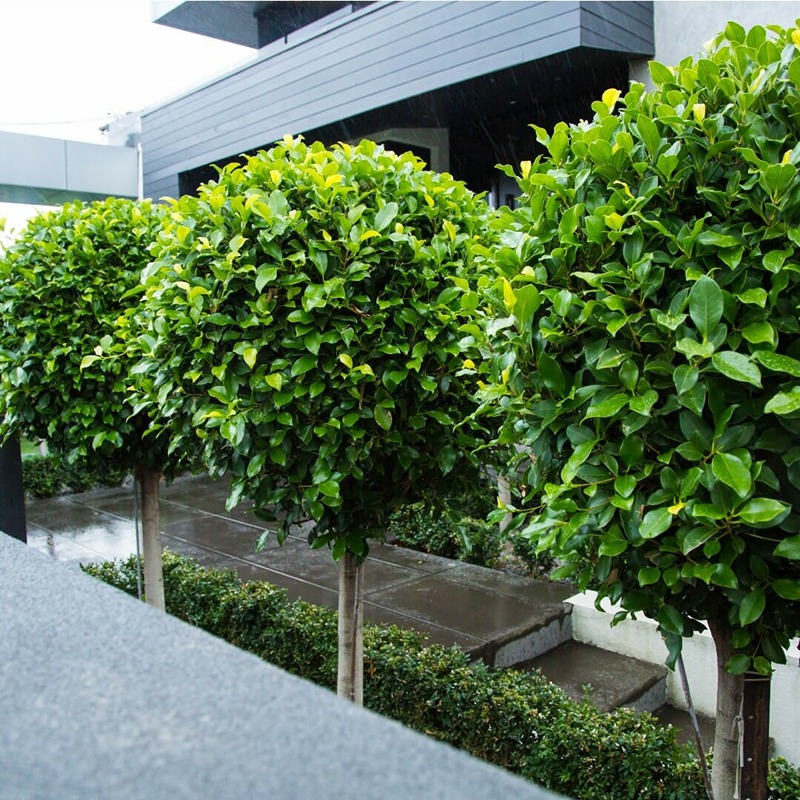
FICUS BALL
Ficus benjamin ball style . This plant is a nice idea for a new shop, new office or for someone that like’s geometrical design in the balcony.
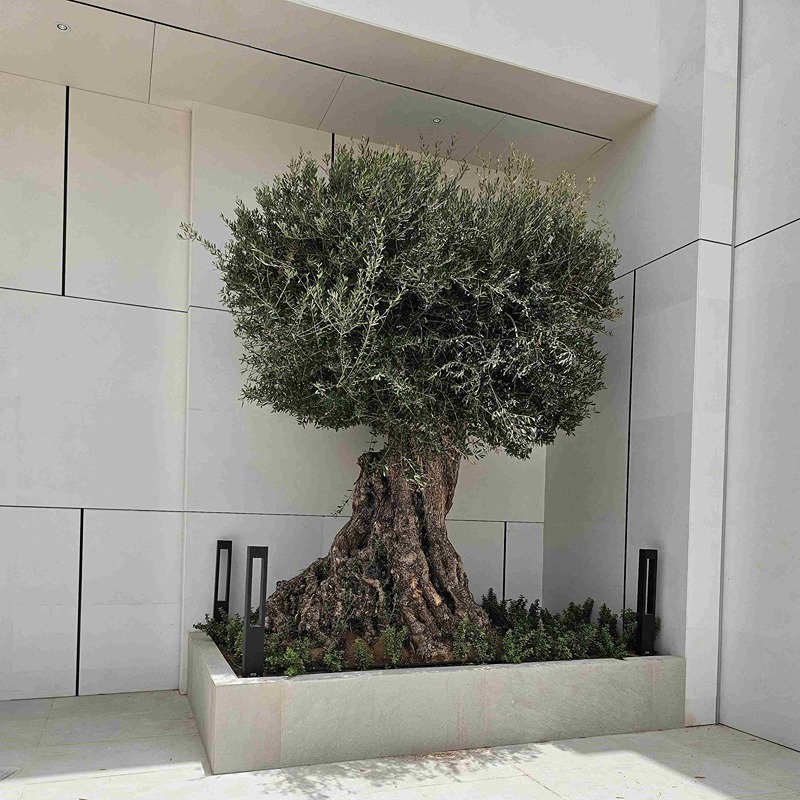
FICUS BONSAI BIG
Ficus bonsai is ideal for indoors and partially shady areas. Ficus is one of the most popular trees for Bonsai. It is an excellent tree for beginners and pros alike. Virtually carefree; they tolerate low light and humidity of a heated or air-conditioned house. In their natural habitat, these aerial roots are grown with ease in high-humidity environments. At home, you need to recreate these humidity levels which often means an artificial enclosure. The effect is achieved by roots growing vertically downward from branches until they reach the soil, where they develop into thick strong trunks. This can achieve the desired pillar style or the root-over-rock bonsai style called deshojo.
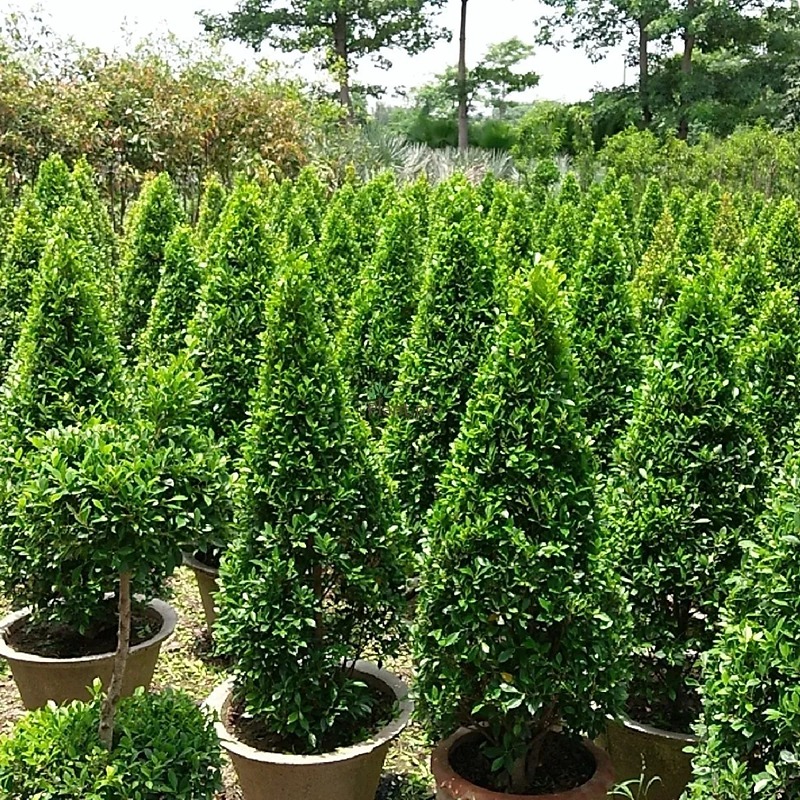
FICUS PANDA CONE
Ficus trees are a common plant in the home and office, mainly because they look like a typical tree with a single trunk and a spreading canopy. But for all of their popularity, ficus plants are finicky. However, if you know how to care for a ficus tree, you’ll be better equipped to keep it healthy and happy in your home for years. Most ficus trees enjoy bright indirect or filtered light with variegated varieties happily able to take medium light. Bright, direct light may result in scalding of the leaves and leaf loss. It requires a moderate amount of watering in summer, and only enough to keep it from drying out in the winter. It does not need to be misted. Ficus trees also cannot tolerate low temperatures or droughts.
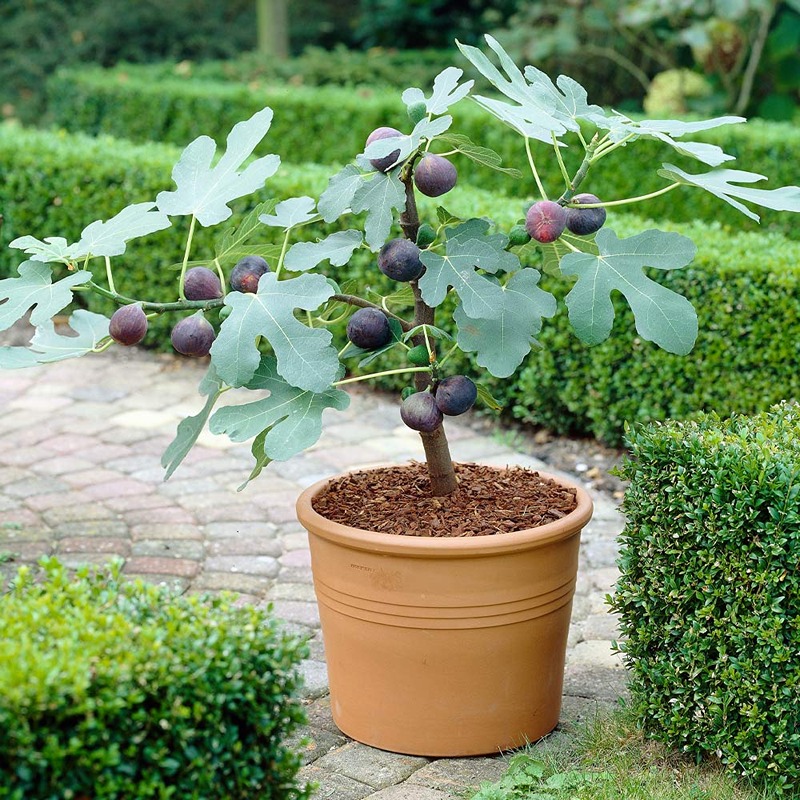
FIG TREE
Every garden should have a fig tree. These iconic plants produce delicious fruit with flavors best experienced ripe from the tree. Unlike other fruits, figs ripen entirely on the branch, so planting your own allows you to harvest the freshest fruit. The common fig tree, thriving in warm climates, does not require pollination to bear new fruit. Depending on the variety, specific fig trees need pollinators, so check the type before planting your own to know its growing conditions.
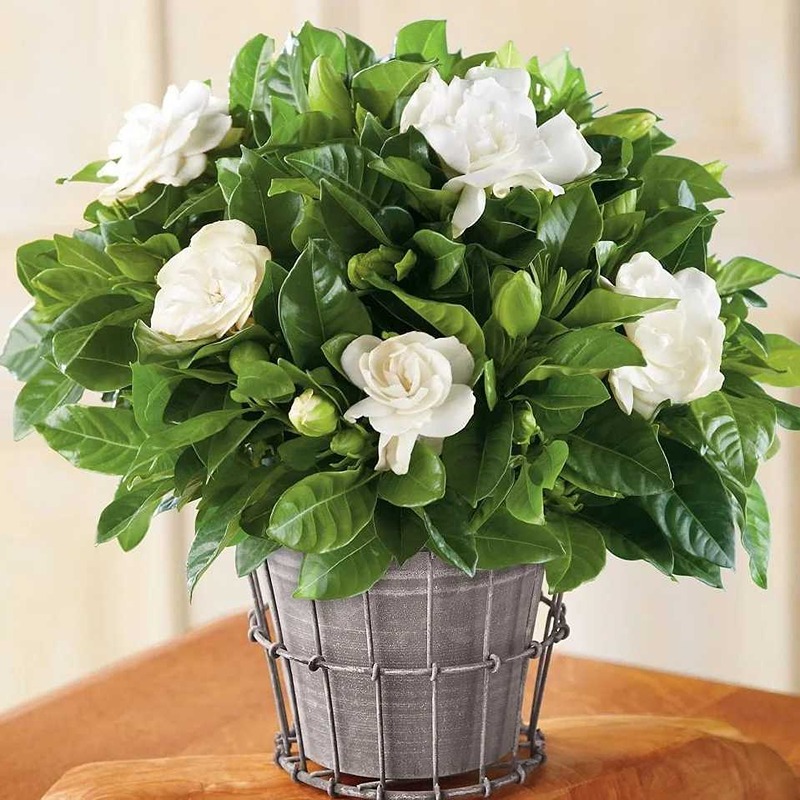
Gardenia Jasminoides “Gardenia”
Gardenias have a distinctive floral, citrusy sweet scent. They look like roses with showy white or cream-colored petals that open up to a spiral around a central point. They bloom from late spring up through fall. Each bloom lasts several weeks before wilting. Deadhead or remove spent blooms after they wilt to spur more flower production.
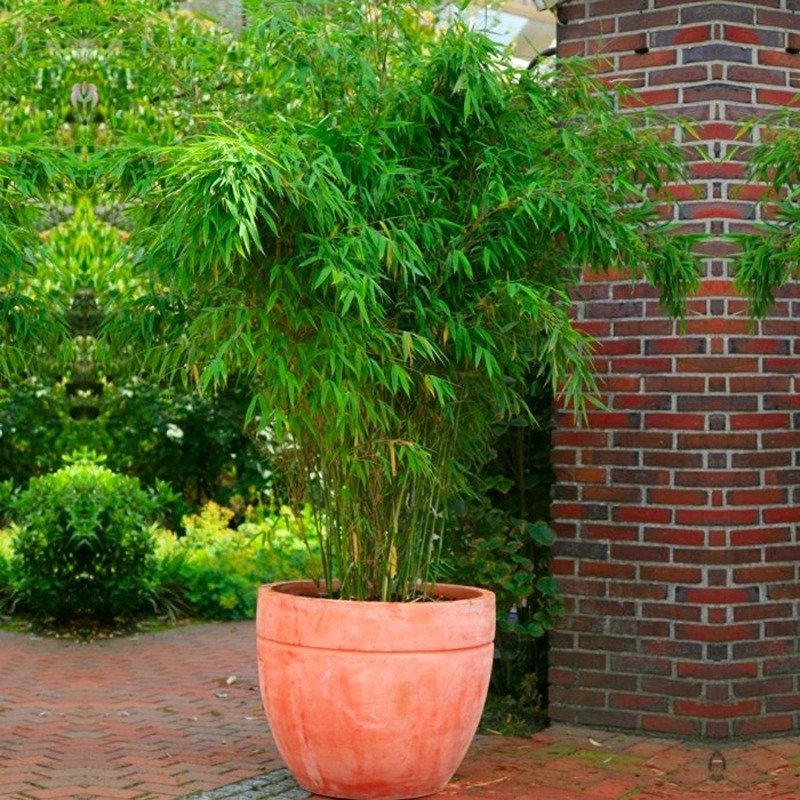
GOLDEN BAMBOO
Golden bamboo (Phyllostachys aurea) is a perennial “running bamboo” that is also sometimes referred to as fish-pole bamboo. Fast-growing and able to reach over 6 mt in height, it’s a popular choice for providing dramatic ornamental interest or for creating a living privacy screen or noise barrier. Golden bamboo is best planted in the spring or fall and is easy to grow, often establishing itself in as few as two years. Native to China, the woody and hollow stems of golden bamboo feature lush, lance-shaped green foliage, while the lower cane has a striking yellow-green tortoiseshell pattern and distinct compressed internodes (the stem section between two joints). As with most bamboo species, golden bamboo rarely flowers, and seed production is exceptionally unusual.

GRASS
Grasses are herbaceous (er-bay-shus) plants. Herbaceous means that they have tender green stems, rather than woody stems like those of trees and shrubs. Two main types of grass for turf are warm-season grass and cool-season grass. Warm-season grass originates in the South and grows best in hot weather. Warm-season grass lawns will typically go dormant and turn brown in cool temperatures.
BERMUDA GRASS – Bermuda grass is commonly used for lawns in Dubai.
PASPALUM GRASS – Paspalum grass has also gained popularity in recent times.
DURBAN GRASS – Durban grass takes a reasonably long time to grow.
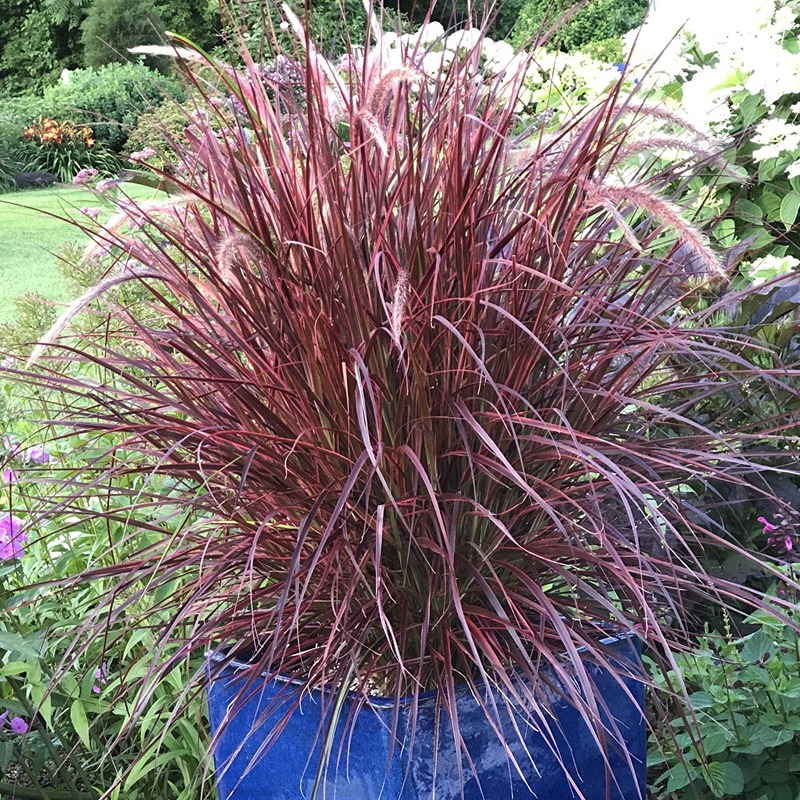
GRASS – FOUNTAIN
Fountaingrass, also known as the Pennisetum genus, encompasses a wide variety of landscape grasses beloved for their soft shape, sprawling nature, and fuzzy plumes. Native to Africa and southern Asia, they come in a wide range of sizes, shapes, and colors, and are uniquely suited to landscape design and container gardens alike. In general, most varietals of fountaingrass are easy to care for and will reward your efforts with eye-catching blooms through summer and early fall. Their lovely flowers are perfect for cut and dried flower arrangements. Some of the well-known species of Pennisetum include feathertop grass (Pennisetum villosum) and pearl millet (Pennisetum glaucum).
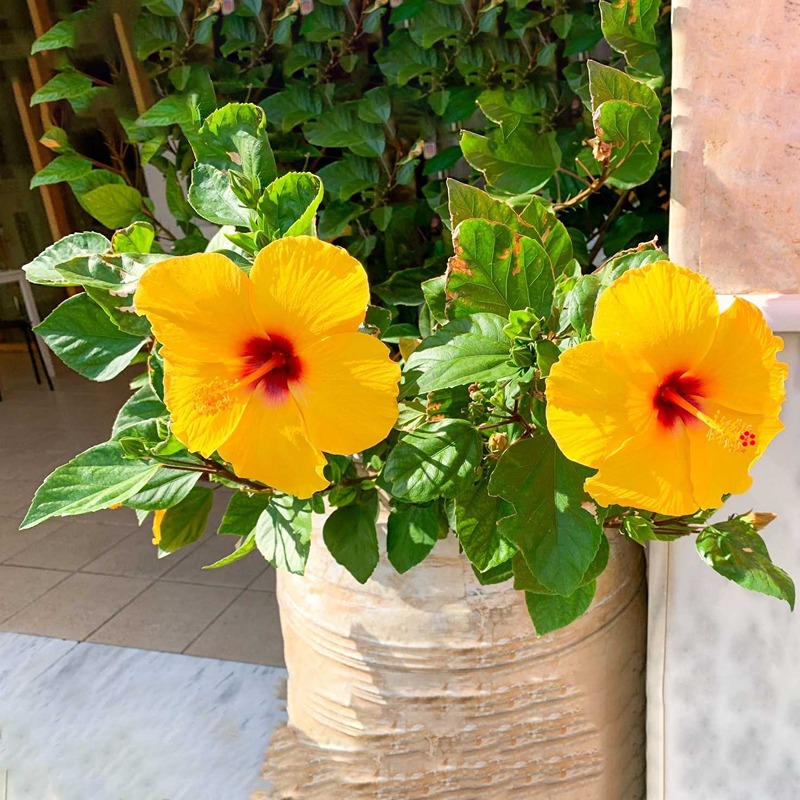
HIBISCUS
The tropical-looking flowers of the Hibiscus create a warm-weather vibe and make this perennial a favorite of many. There are two varieties of Hibiscus: hardy and tropical. Hardy Hibiscus can quickly outgrow a container, and they naturally go dormant during the colder months, so it is not common to grow this variety in a pot. Potted hibiscus feels most comfortable at indoor temperatures between 18 and 28 °C. If the temperature outside is consistently above 15 °C, your indoor hibiscus can move outside in the summer. Here, it prefers a semi-shady and sheltered location. Both indoors and outdoors, the hibiscus is extremely loyal to its location. This means that once it begins to bloom, it should not be moved. A change of location places great stress on the plant and can lead to the shedding of flowers.
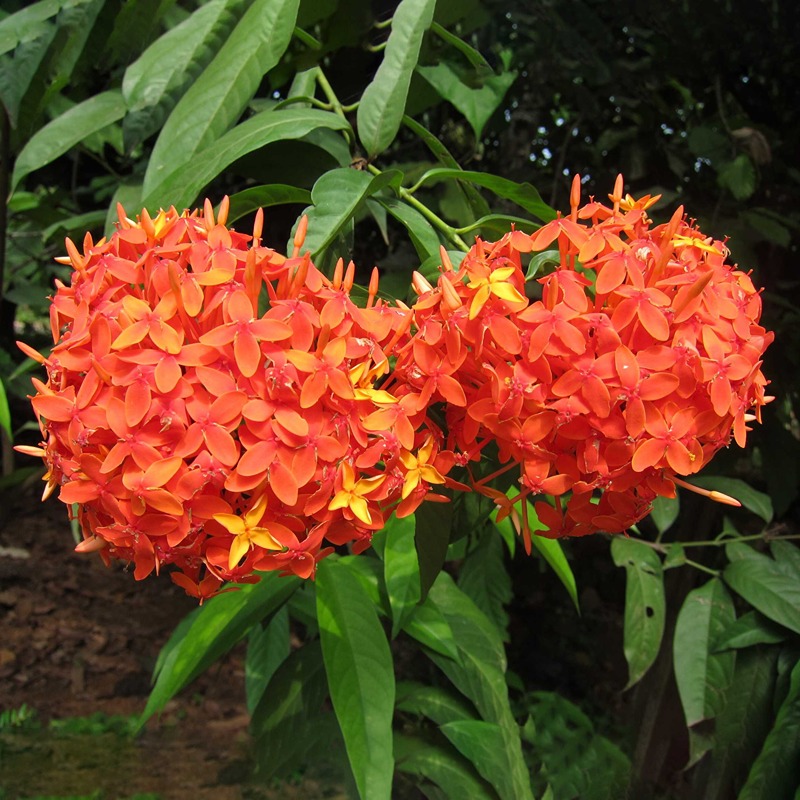
IXORA
Native to Asia, Ixora plants are actually small shrubs that grow in subtropical regions, making them suitable for outdoor growth in the country. Started and grown year-round outdoors, Ixora plants feature large clusters of red, yellow, white, or orange flowers that emerge like puffballs from the evergreen leaves continuously throughout the year. They are relatively easy to grow outdoors under the right conditions, keeping an Ixora plant happy and blooming inside can be a challenge even for an experienced gardener. In either location, the plant will grow slowly, so patience is key if you’re hoping for an oversized shrub.
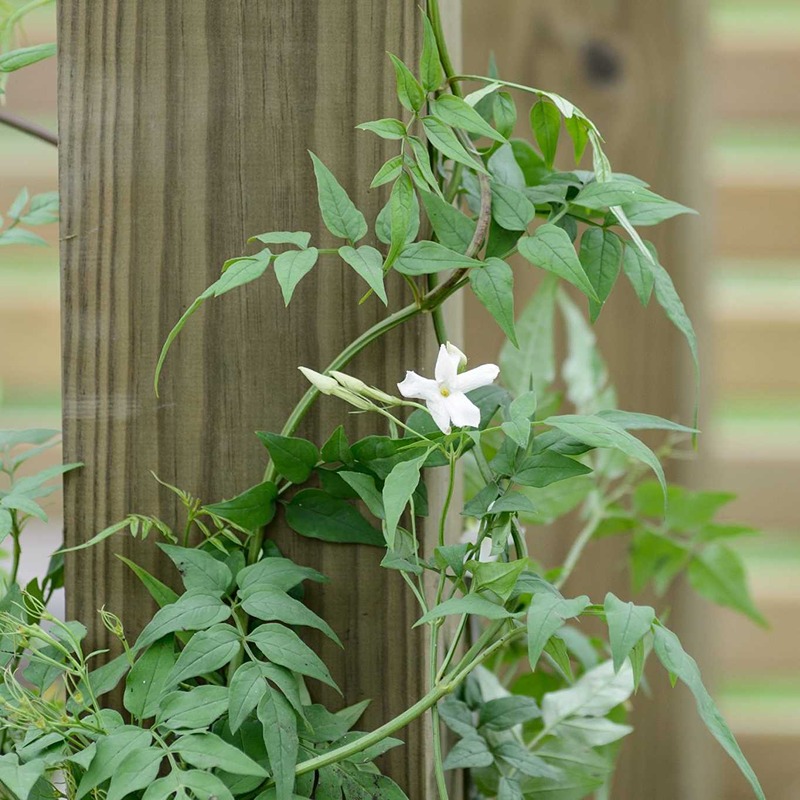
JASMINE CREEPER
From the teas we drink to the perfume we wear, jasmine is beloved for its signature floral scent. While there are several different types of jasmine plants, the genus Jasminum, also known as Jasminum sambac and J.polyanthum, are true jasmines. True jasmines are shrubs and vines that generally become quite large over time, The small, numerous blossoms are often intense enough to fill a room with scent and can be enjoyed from several yards away in a garden. Many species and styles of jasmine are available, most of which make a delightfully fragrant addition to the garden.
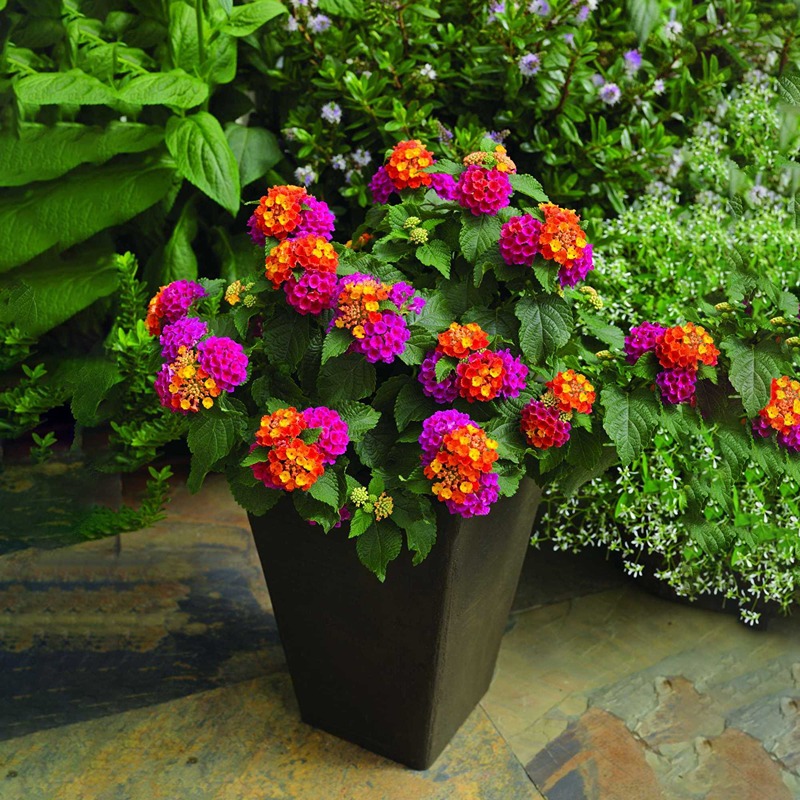
LANTANA
Lantana is a perennial vining, flowering shrub in warm zones and an annual in places with frosty winters. Fast-growing lantana produces rounded clusters of small, brightly colored flowers in yellow, orange, white, red, pink, blue, or purple and is often used in hanging baskets or ground covers. Lantana grows best in full sun conditions and requires at least six hours of direct sunlight, preferring neutral, well-draining soil and temperatures above 12 degrees celsius.
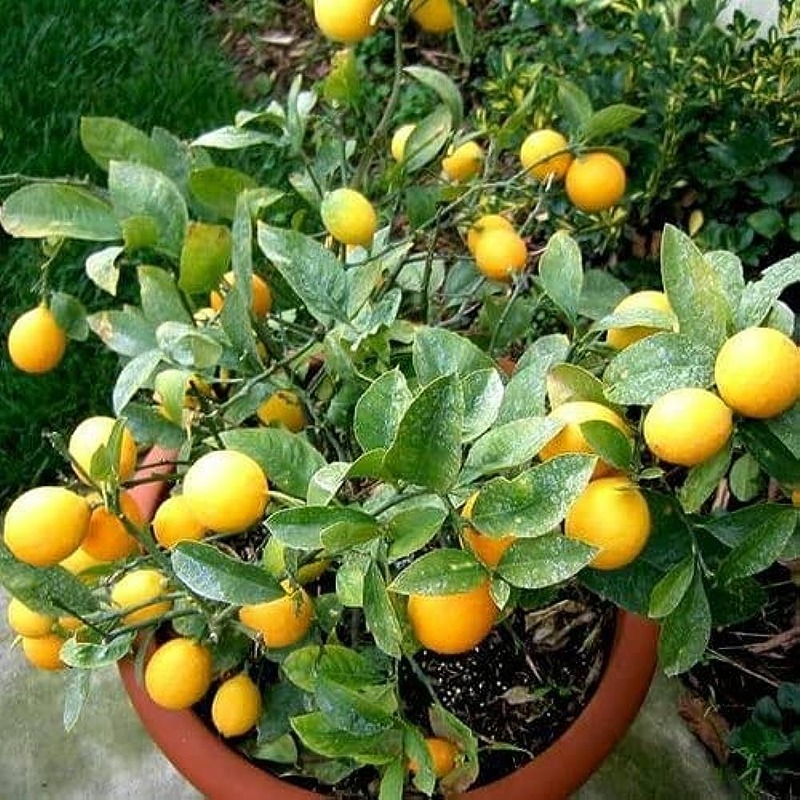
LEMON TREE
Lemon trees (Citrus limon) grow best in tropical and semi-tropical climates. The tree’s reddish buds develop into mildly fragrant white and purple flowers in solitary or small clusters of two or more blooms. Be aware there are often sharp thorns on the twigs of the tree. Plant your lemon tree in the spring and you can expect it to be established within three years.
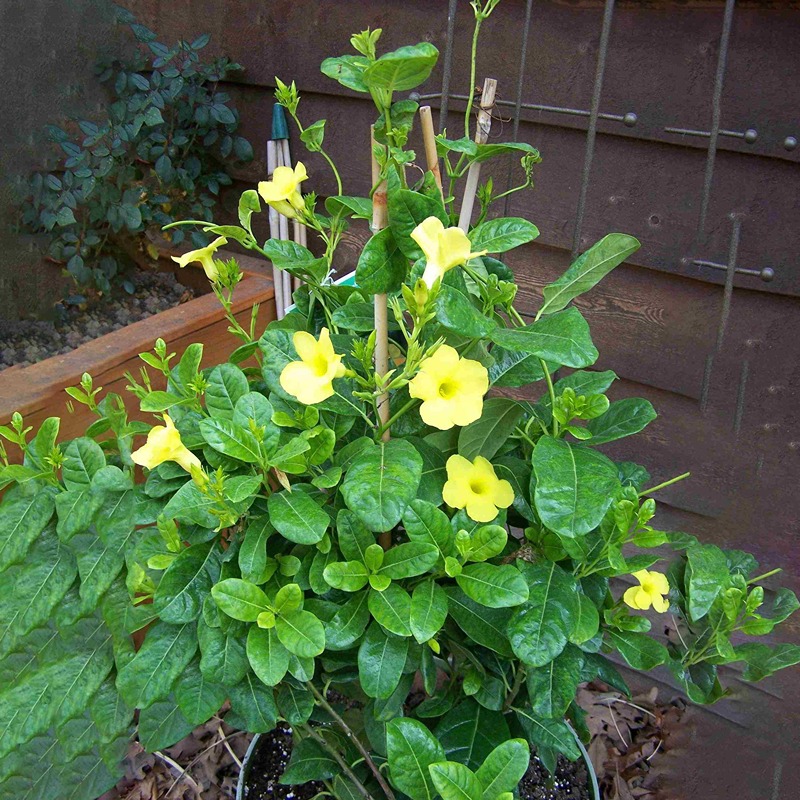
MANDEVILLA
Mandevilla, also known as rock trumpet, is a genus of flowering vines that grow in tropical and subtropical climates. The five-petal trumpet-shaped flowers are often showy and fragrant, typically coming in shades of pink, red, and white, occasionally with yellow throats. They generally bloom in summer and can stretch into fall, though in warm climates they can bloom year-round. Some species within the genus have smaller, more plentiful blooms while others have fewer, larger blooms. Their ovate leaves are usually a glossy green. These fast-growing vines should be planted in mid-to-late spring once the temperature is reliably warm.
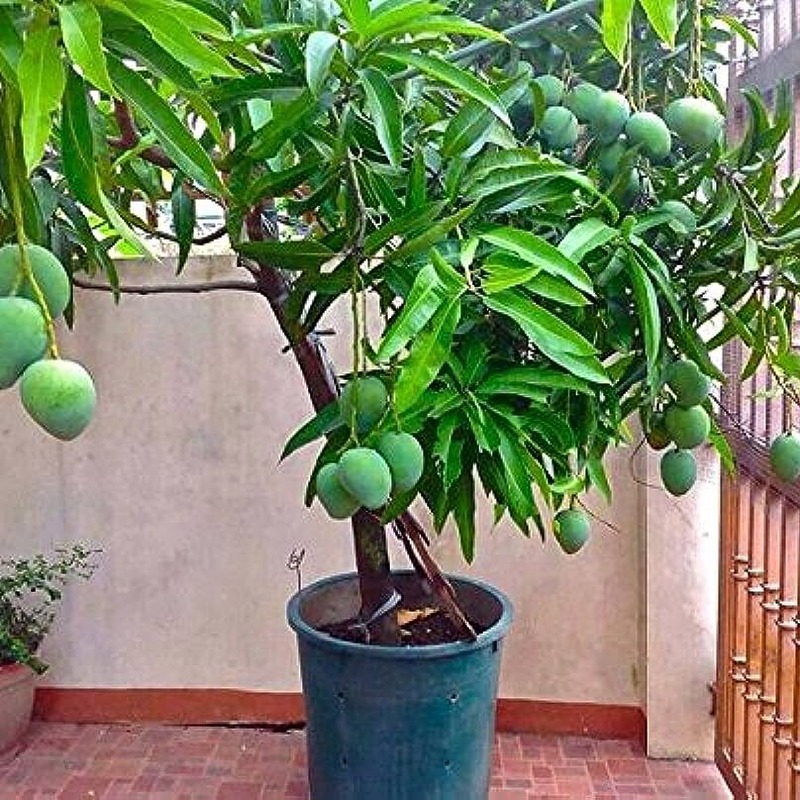
MANGO TREE
Although it can be tricky to grow, a mango tree (Mangifera indica) can make for an interesting specimen when grown in the ground or a large pot. This tree forms a dense canopy of long oblong green leaves in the right conditions, rewarding you with white flowers from December through March. After flowering, mango trees bear fruit three to five months later.
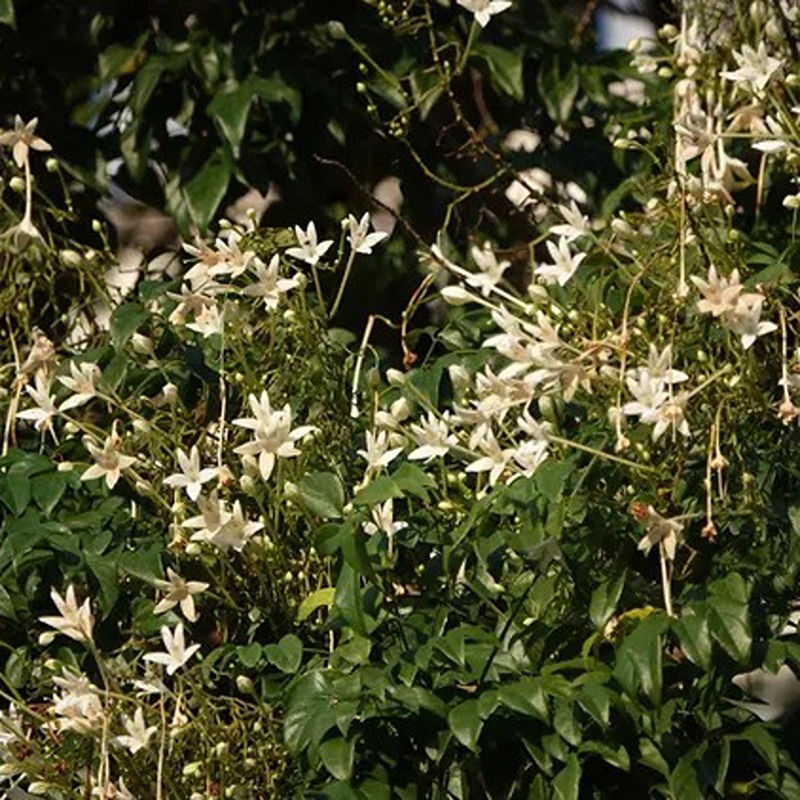
MILLINGTONIA – INDIAN CORK TREE
The indian cork tree is a tree native to many areas in Asia desired for its landscaping features and various uses. The plant possesses attractive foliage adorned with white, trumpet-shaped, and fragrant flowers used in rituals. The wood of this tree is a good timber; the bark is utilized as an inferior alternative to cork.
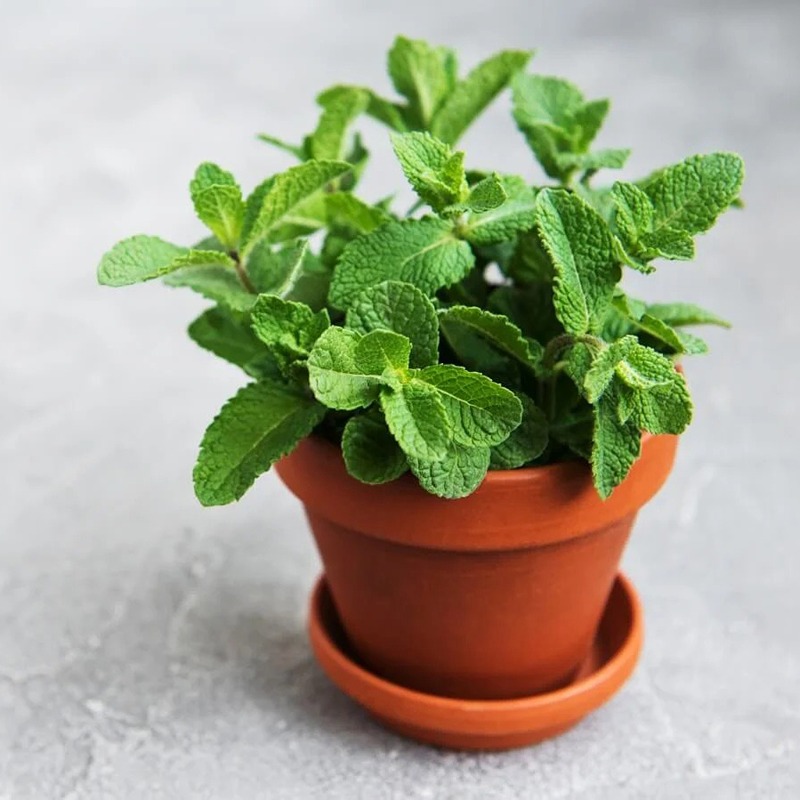
MINT LEAVES
Mint plants (Mentha spp.) are very hardy perennials that are simple to identify not just because of their fresh and spicy scent, but because all members of the mint genus have opposite leaves and square stems. Long stems grow upward, flop over, and roots will form where the stems touch the soil enabling the mint plant to spread quite aggressively. Its small white or purple summer-blooming flowers attract bees, butterflies, and other pollinators. Mint plants grow quickly and should be planted in the spring.
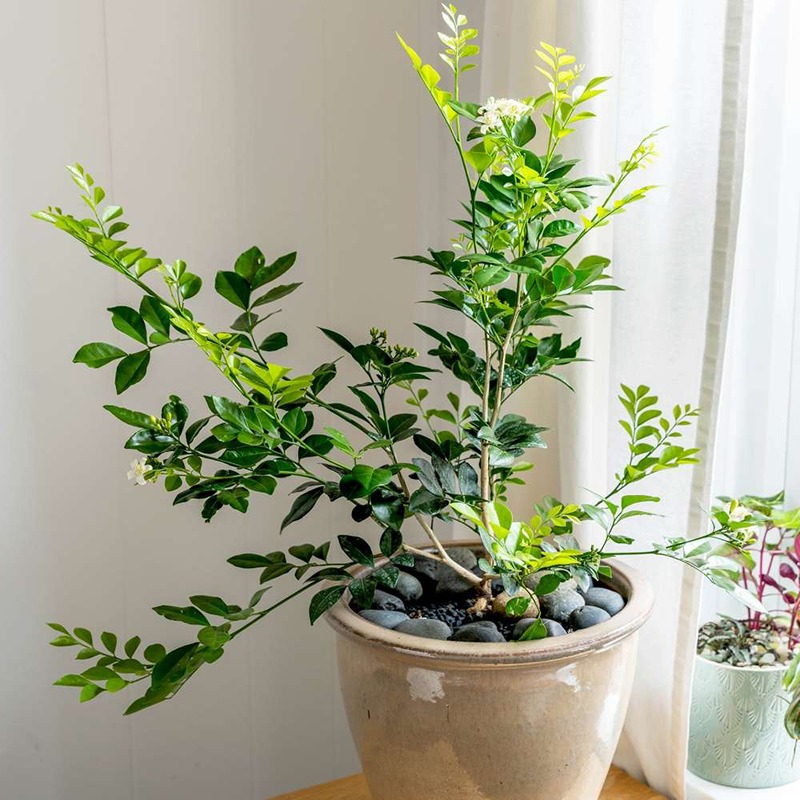
MURRYA JASMIN
Filling the air with the sweet smell of blossoms, Murrya Jasmine is a welcome addition to a garden in a tropical climate and a great choice if you’re looking to attract bees, birds, or butterflies. If you live in a cold climate, you can still enjoy it by growing Murrya jasmine indoors. The leaves of this evergreen shrub are oval, shiny, and a deep green extending from interesting, gnarled branches. At maturity, which can take three to four years, the shrub can grow to eight to 3.5 mt. tall and wide, with a round growth habit. Murrya jasmine is best planted in the spring.
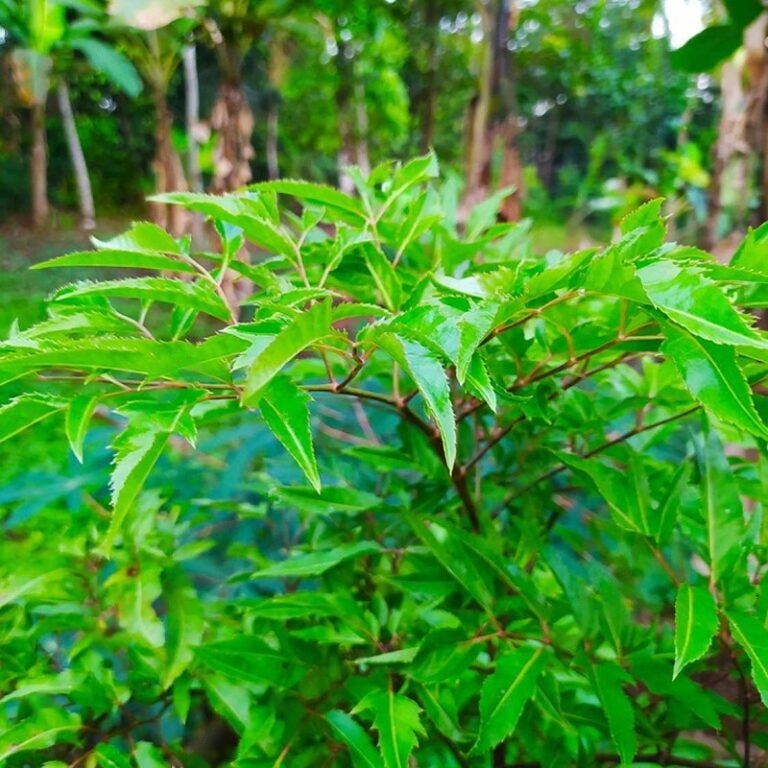
NEEM TREE
Neem, (Azadirachta indica), also called nim or margosa, fast-growing tree of the mahogany family (Meliaceae), valued as a medicinal plant, as a source of organic pesticides, and for its timber. Neem is likely native to the Indian subcontinent and to dry areas throughout South Asia.
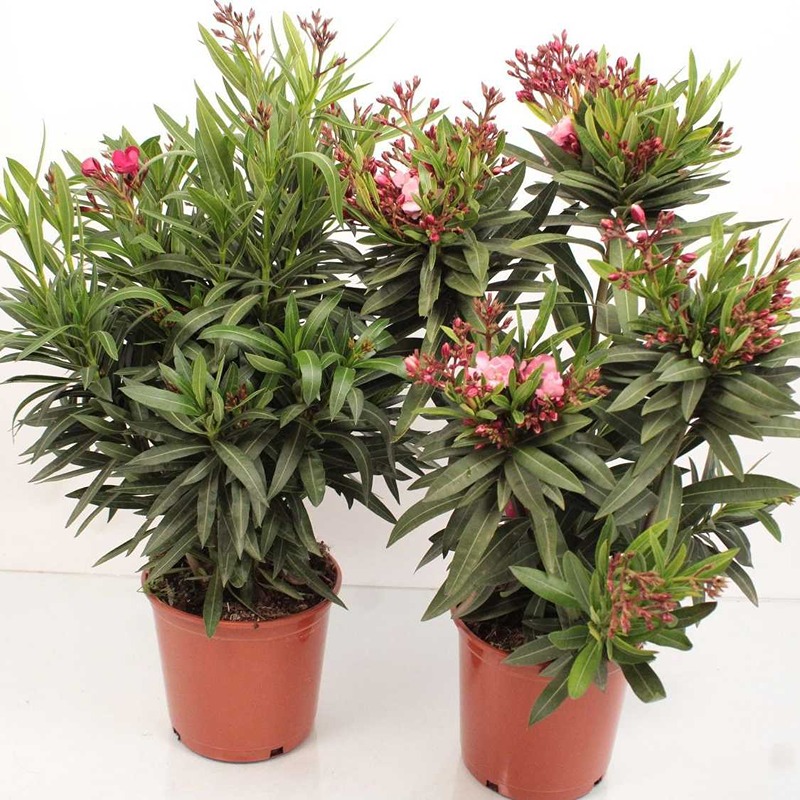
Nerium Oleander (Oleander/Nerium)
Oleander (Nerium oleander) grows naturally as a mounded, round shrub, or it can be trained as a small single- or multi-trunked tree. The evergreen foliage of the oleander plant is dense, leathery, and dark green, offering a privacy screen when planted in groups or borders. Delicately shaped, showy, fragrant flowers tend to be pink, while some varieties produce red, orange, yellow, or white flowers. Blooming for an especially long period, the 1 to 3-inch flowers appear from spring to summer and sometimes early fall and year-round in warmer climates.
ORANGE TREE
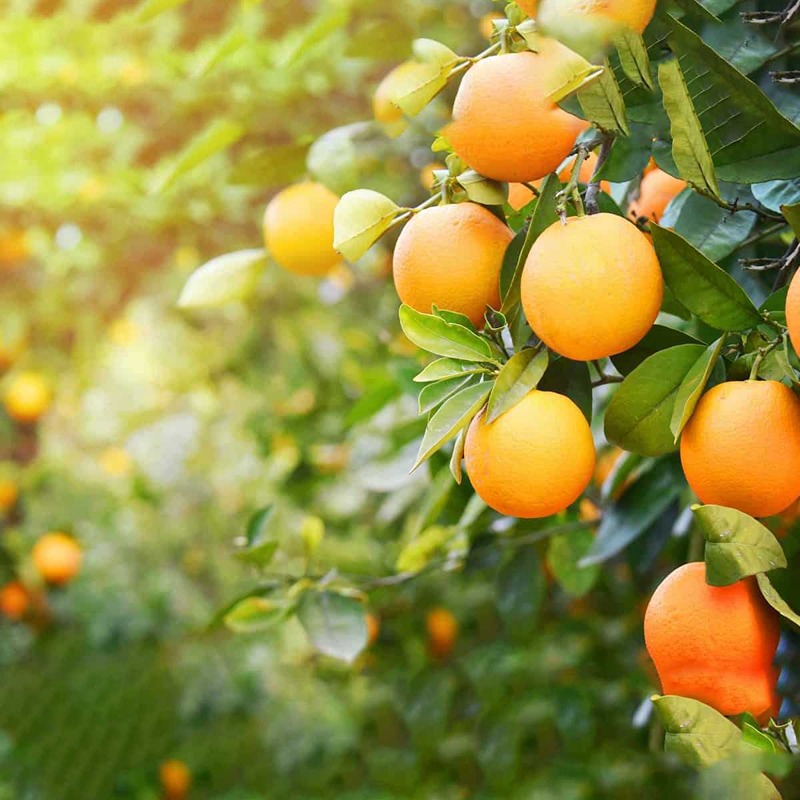
Orange trees are one of the most recognized types of citrus trees featuring full, leafy canopies and fragrant flower displays. Best of all is the delicious fruit produced during the growing season. A full-size tree can grow to 10 mt tall, with dwarf varieties reaching about 4 mt in height. Orange trees can be kept even smaller when planted in containers, which makes them great for indoor gardening as well. Orange trees are notable for white blooms that appear in summer followed by their famous fruit. These trees can be planted at any time of year in warm climates.
PANDANUS – SCREW PINE
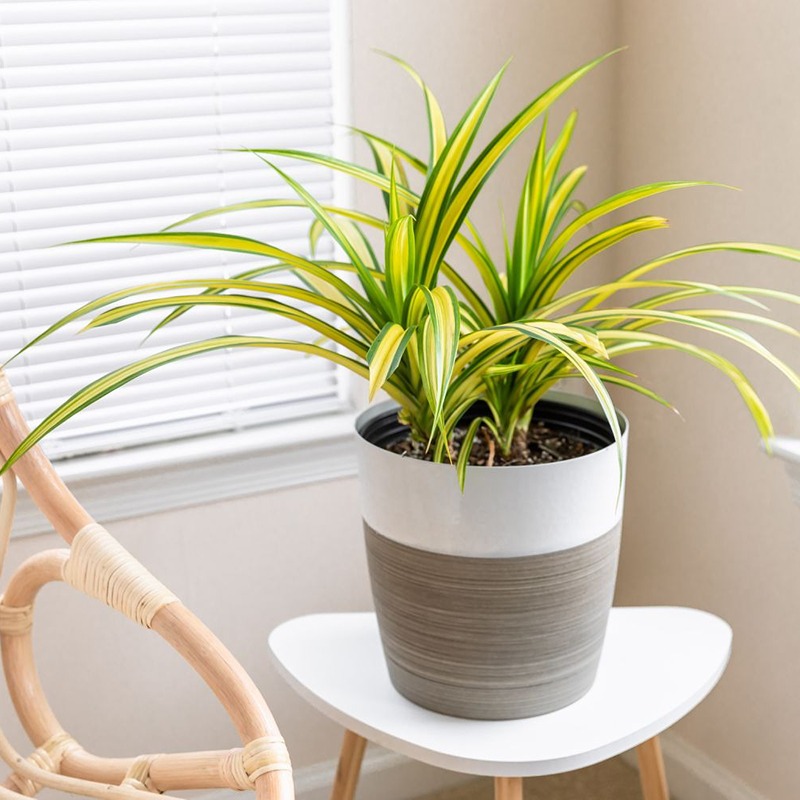
Travelers to the tropics are no doubt familiar with the pandanus or screw pine. The large trunks are whorled, with a spiral crown of leaves emerging from the top. The leaves are still and pointed, sometimes reaching several meters in length, and frequently striped or variegated (depending on the species). Moreover, the leaves are all armed with wicked and painful spines, so casually grabbing a pandanus leaf is not something you’re likely to forget. They are a lovely symbol of the tropics.
PEPYRUS GRASS
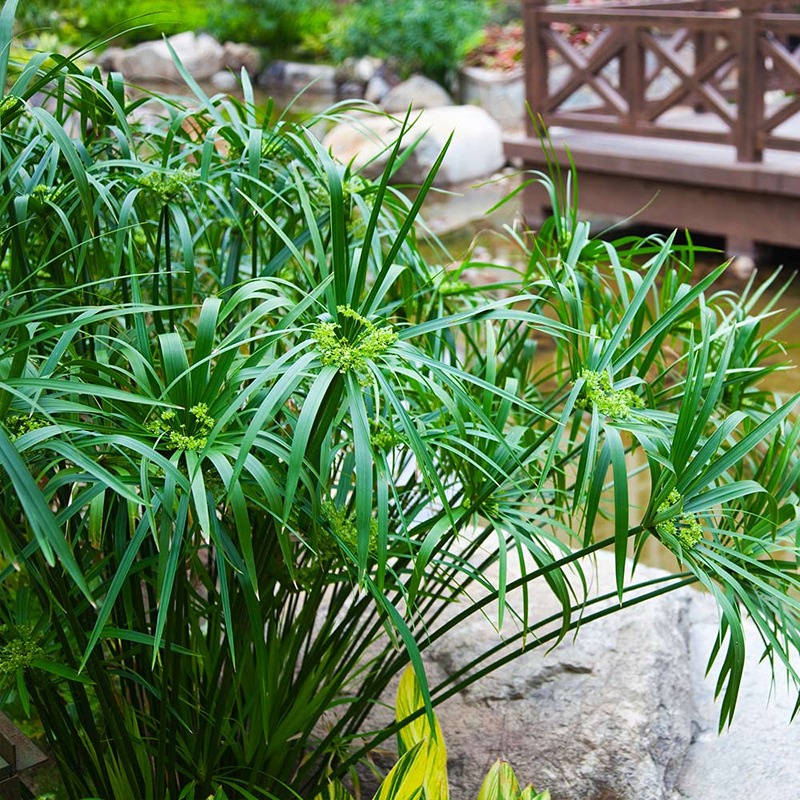
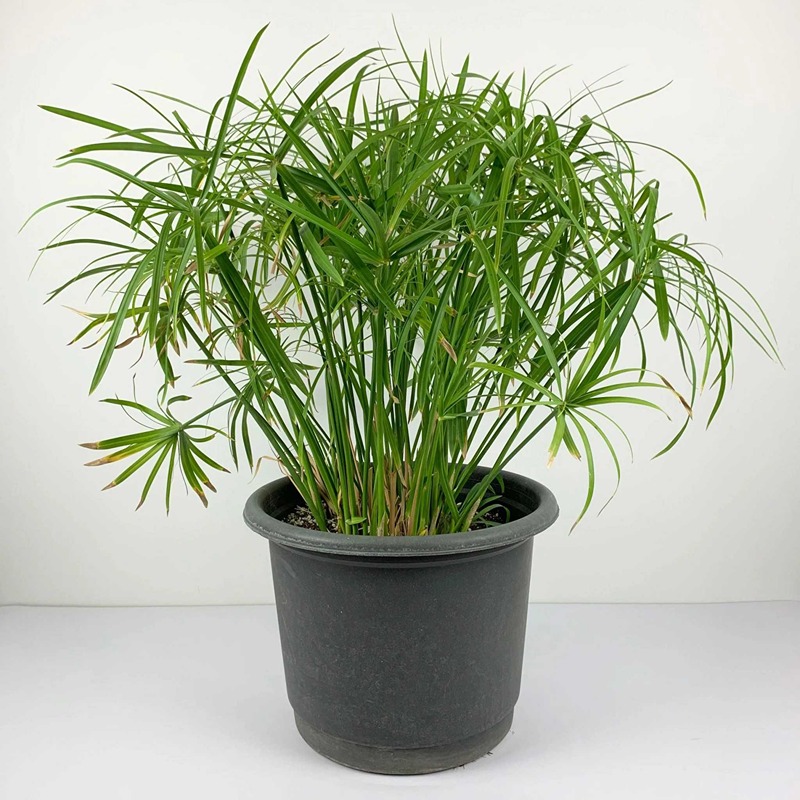
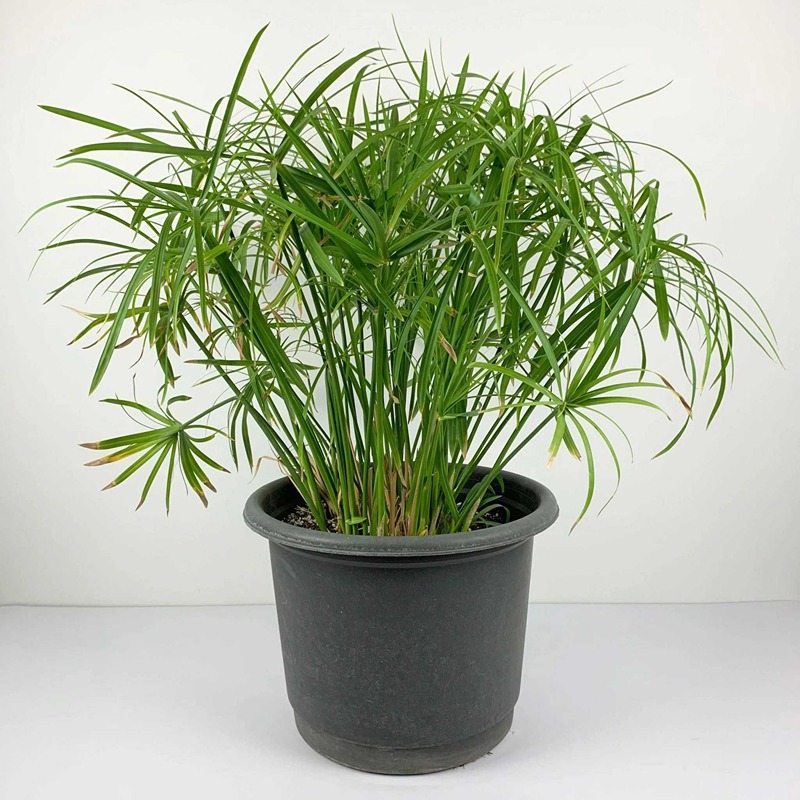
Pepyrus plants are sometimes thought of as ornamental grasses but they are not true grasses. A sedge is defined as a grass-like plant with triangular stems and inconspicuous flowers, usually growing in wet areas. Papyrus is a tall, stately plant. Papyrus is primarily a foliage plant and the accompanying bracts (modified leaves) make the umbels pop and give them strong visual appeal. Be aware that this is a fast-growing and spreading plant and is one of many sedges known to impede waterways and encroach on native plants.
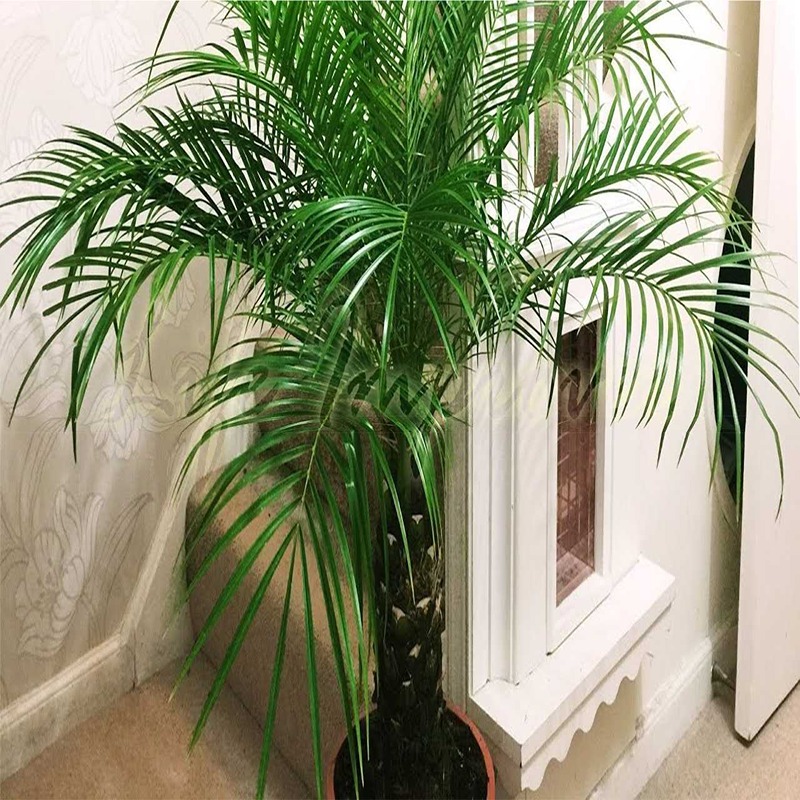
PHOENIX PALM
Phoenix palms are among the oldest cultivated plants in the world. These palm trees remain fairly small—mature specimens rarely reach over six feet—they are relatively slow-growing, and they are tough enough to stand up to many outdoor environments.
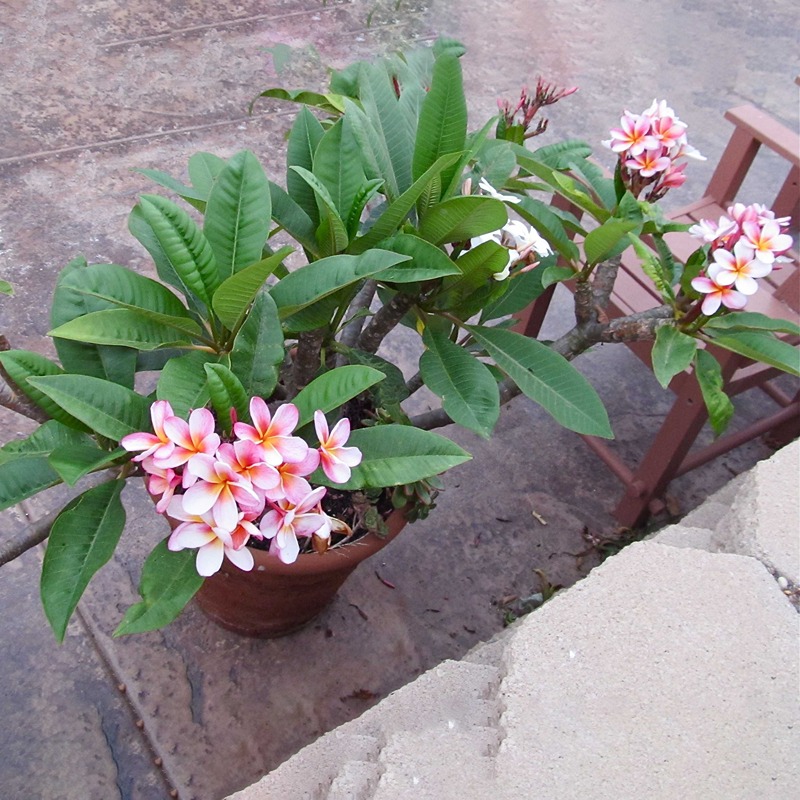
PLUMERIA – FRANGIPANI
Famous for their appearance in Hawaiian leis, white frangipani adds a burst of tropical flair to the garden and has a pleasant floral fragrance. Their plump, soft, five petals partially overlap each other and gently swirl outward, giving these blooms a sculpted appearance. White frangipani has a soft yellow center that fades to pure white near the tips of the flower. Also known as a white plumeria, West Indian Jasmine, this tree has thick, gray-green, succulent branches and long, leathery green leaves. The tree often forms into an umbrella shape. Though they can grow to be quite large, white frangipanis are slow growers. They can be kept in pots for easy moving and to keep them more compact.
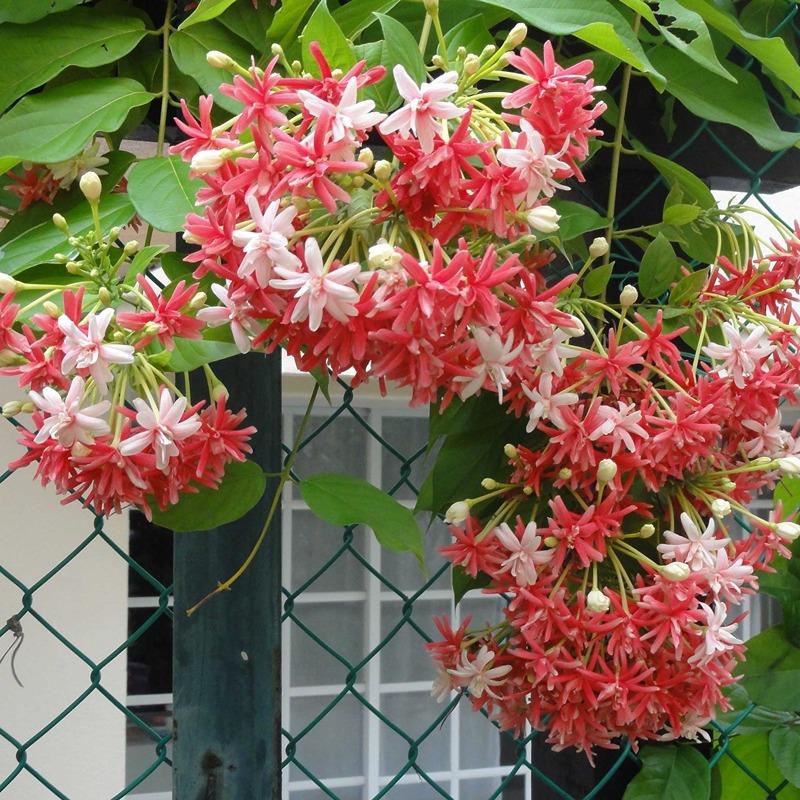
RANGOON CREEPER
Rangoon Creeper or Madhumalti is a tropical vine and a fast growing flowering plant that produces red to white colored fragrant flowers in cluster throughout the year. They are generally found in India, Philippines, and Malaysia.
RAVENALA PALM – TRAVELER’S PALM
Anecdotally known as the east-west palm or the traveler’s palm, Ravenala madagascariensis. Its distinctive fan-shaped leaves, which grow in an east-west orientation by nature, give rise to its name. This tree, which is native to Madagascar, was once used to determine direction, much like a compass. The leaf bases and bracts of this plant also catch and store rainfall, making it a beautiful find for thirsty visitors who may subsequently find up to a half-gallon of fresh water contained within it. There is even folklore that says you may make a wish, and it will come true if you stand in front of a traveler’s palm, making it a very lucky discovery. Since then, it has grown to be one of the most popular outdoor/indoor tropical plants for workplaces and homes.
RHAPIS PALM
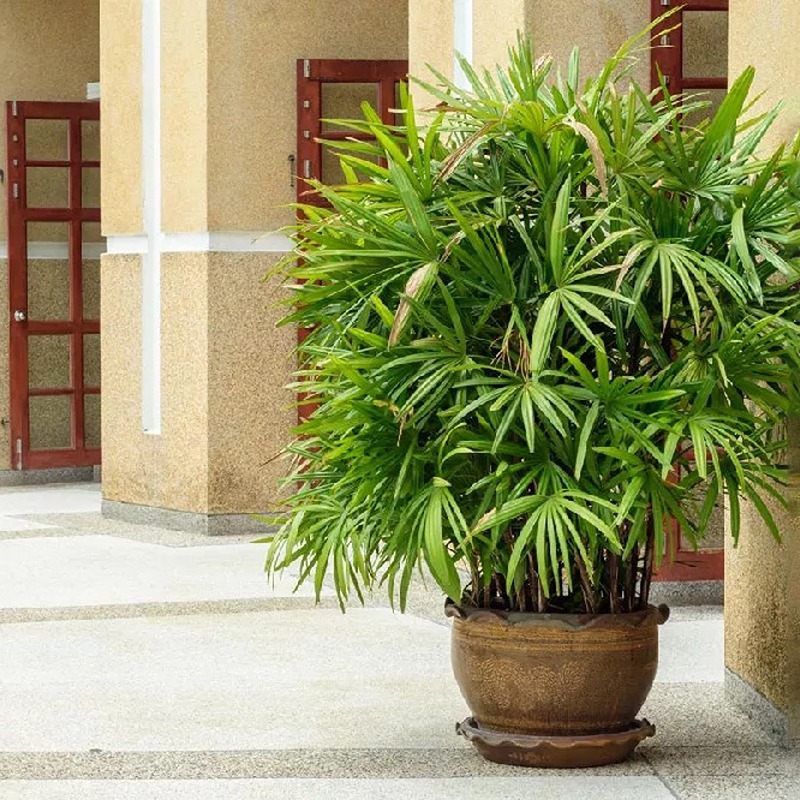
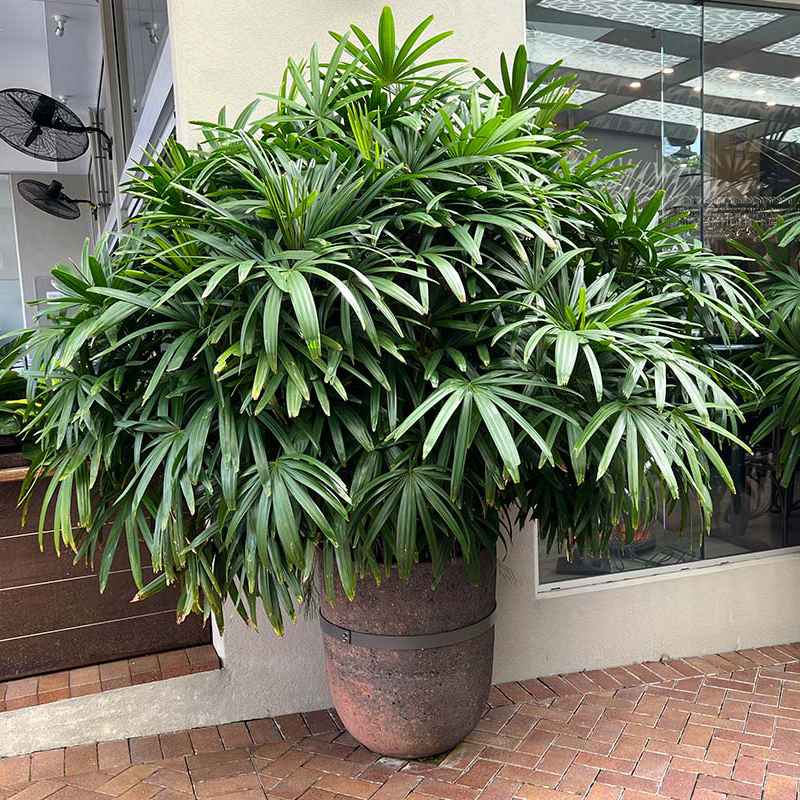
The Rhapis palm is a small palm species that grows in dense clumps of slender upright green stems. On the stems are fan-shaped, glossy green fronds that each have between five and eight narrow, lance-shaped segments. Because this palm is extremely tolerant of low-light conditions, it’s popular to grow outdoors & indoors. It’s best planted in the spring at the start of the growing season. This palm has a fairly slow growth rate, gaining less than a foot in height per year.
ROSEMARY PLANT
The rosemary plant (Salvia rosmarinus) is a fragrant herb that grows as a perennial rounded evergreen shrub. It features slender, needle-like, gray-green leaves on erect woody stems. It produces clusters of small, light blue to white flowers typically in the late spring to early summer, though it can bloom at other points of the year as well. Plant rosemary in the spring. You can grow rosemary indoors, too, though it will grow quite large. The shrub has a moderate growth rate and spreads when planted.
ROYAL PALM
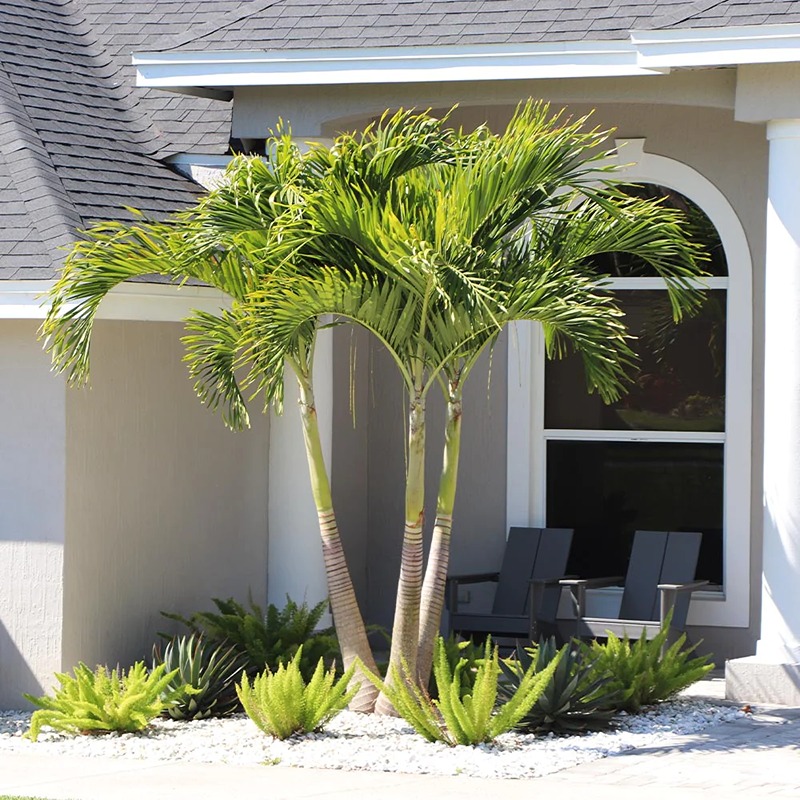
This big beauty is the classic South Florida palm tree and a Florida native. Smooth trunks of gray to gray-white are topped with bright green crownshafts and long, luxurious, full fronds. Soaring to heights 25 mt tall, this giant palm tree is one of the most sought-after landscape palms for elegant South Florida homes.
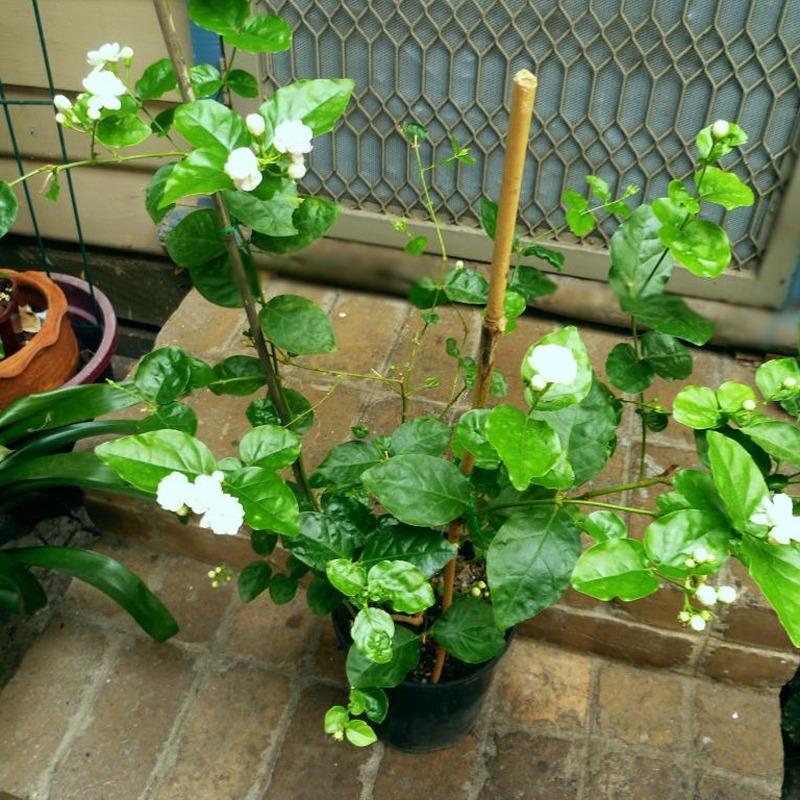
SAMBAC JASMIN – ARABIAN JASMINE
Arabian jasmine is famous for its fragrant flowers and its use in jasmine tea and leis. It is a fast-growing evergreen climbing shrub. Glossy, dark green oval leaves create a beautiful contrast to the highly fragrant, white flowers that fade to pink as they age. These beautiful-smelling blooms appear all summer long and may continue to bloom year-round in warm climates. Arabian jasmine can be trained as a flowering vine with support or maintained as a sprawling shrub. It also does very well in containers and makes an eye-catching plant for patios and porches.
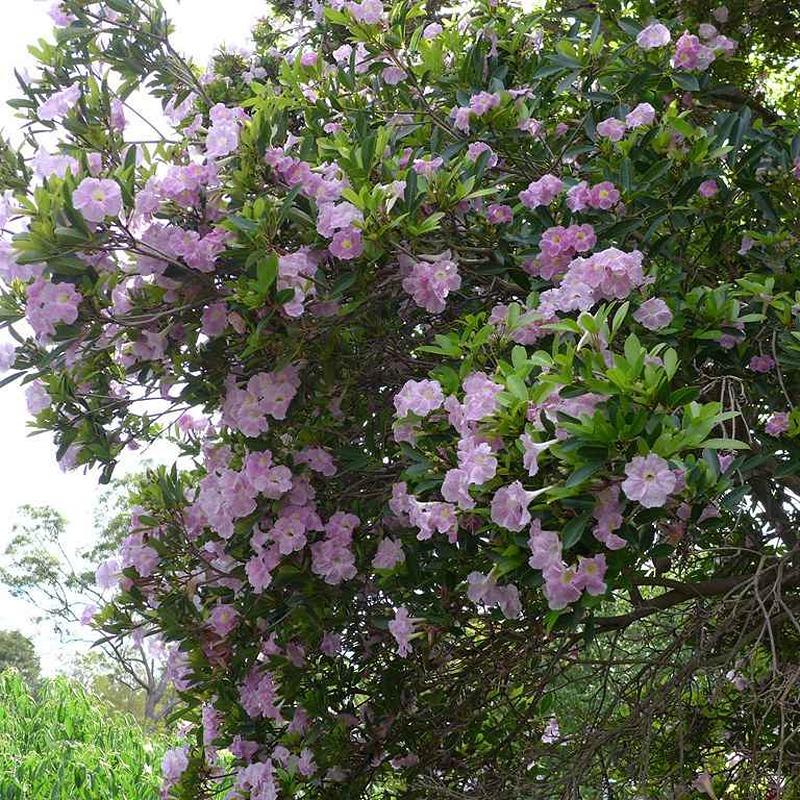
TABEBUIA ROSEA – ROSY TRUMPET TREE
Tabebuia Rosea, commonly known as the Pink Trumpet Tree, is a stunning deciduous tree native to the Caribbean region. It’s celebrated for its dazzling display of pink to purple trumpet-shaped flowers that bloom in clusters, providing a spectacular spring show. The tree can grow up to 15 mt. tall, with a similar spread, and has a rounded to vase-shaped canopy, making it a favored ornamental tree for urban and suburban landscapes. Its compound leaves are glossy and dark green, offering a pleasing contrast to the bright flowers.
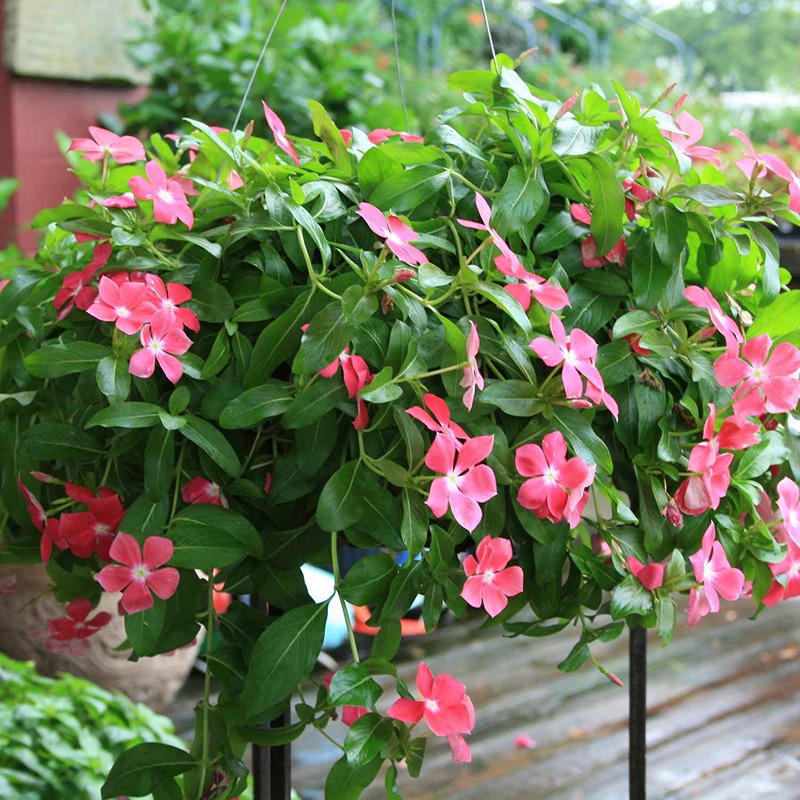
VINCA – MEDAGASCAR PERIWINKLE
Annual vinca (Catharanthus roseus) is a tropical perennial that is grown as an annual in most regions. The foliage is dark green and leathery. Depending on the variety, fast-growing vinca is 10 to 50 cm tall with a similar spread. Annual vinca plants bear single blooms with five petals that frequently touch or overlap from early summer.
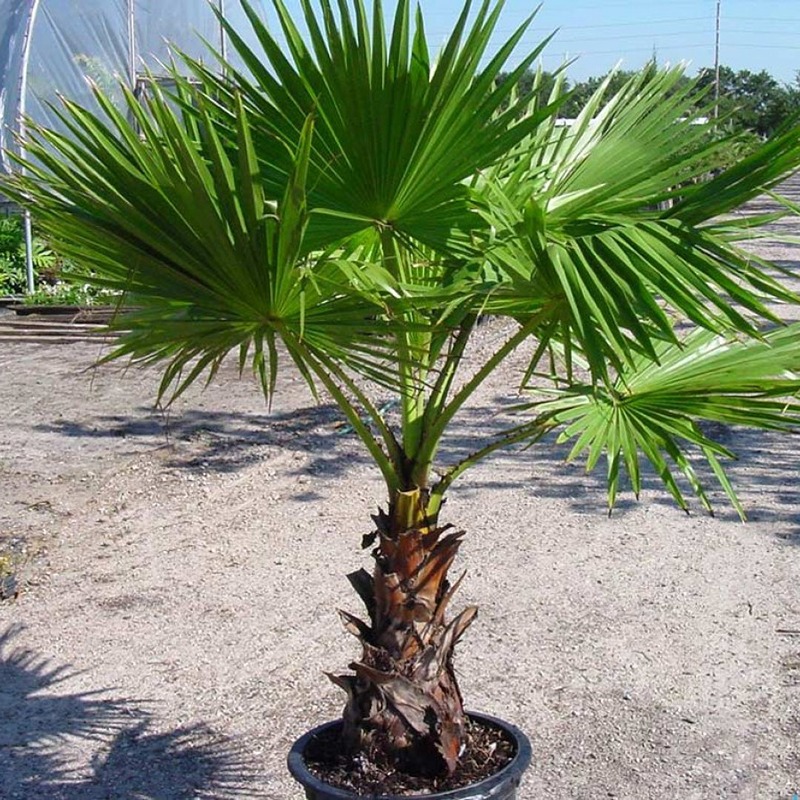
WASHINGTONIA PALM – MEXICAN FAN PALM
The fast-growing, extremely hardy Washingtonia Palm can provide big tropical landscape appeal in a hurry. Washingtonias grow fast – yet the rate can vary from palm to palm. No two grow at the same pace, so pairs of these palms are not a good choice for symmetrical landscape design. They’re a favorite with builders who want to give a finished look to a newly constructed home, and with homeowners who want more instant gratification.
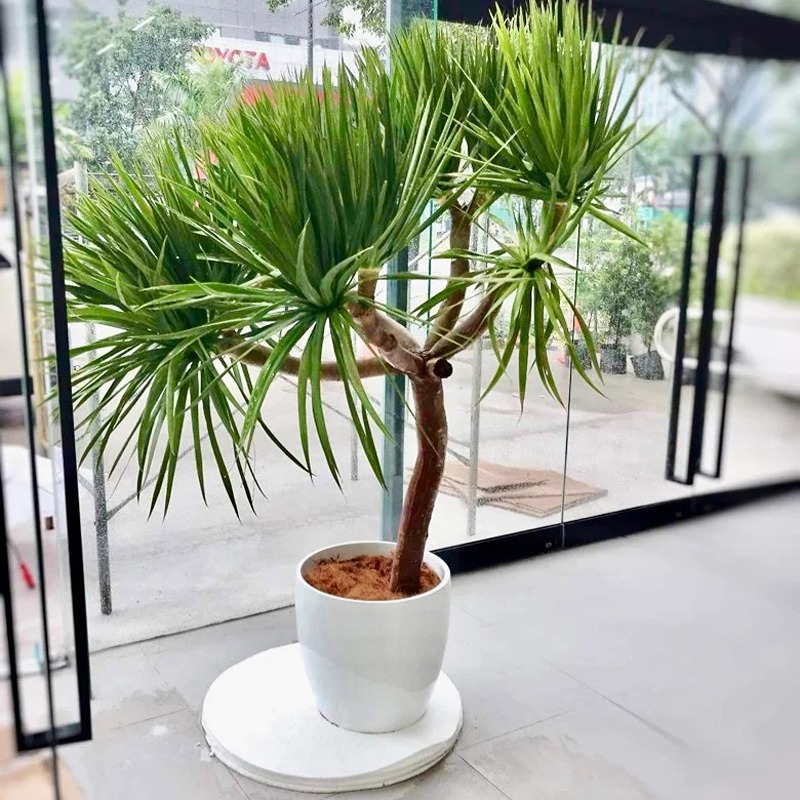
Yucca Plants Online
This type of yucca is native to the Southwest United States (Arizona, New Mexico, Texas, Colorado, Utah, Nevada, and the Death Valley area of California) as well as northern Mexico. It shares the same mounded clumps of stiff, sword-shaped leaves with all the other varieties of yucca. Yucca baccata often grows with sagebrush, pinyon juniper, or ponderosa pine in its natural environment. It is a slow-growing plant that is best planted in the spring. The banana yucca is non-invasive.