
Table of Contents
TogglePlants parent guidance – Plumeria maintenance & care guideline
-
 Laura Bathia
- September 22, 2026
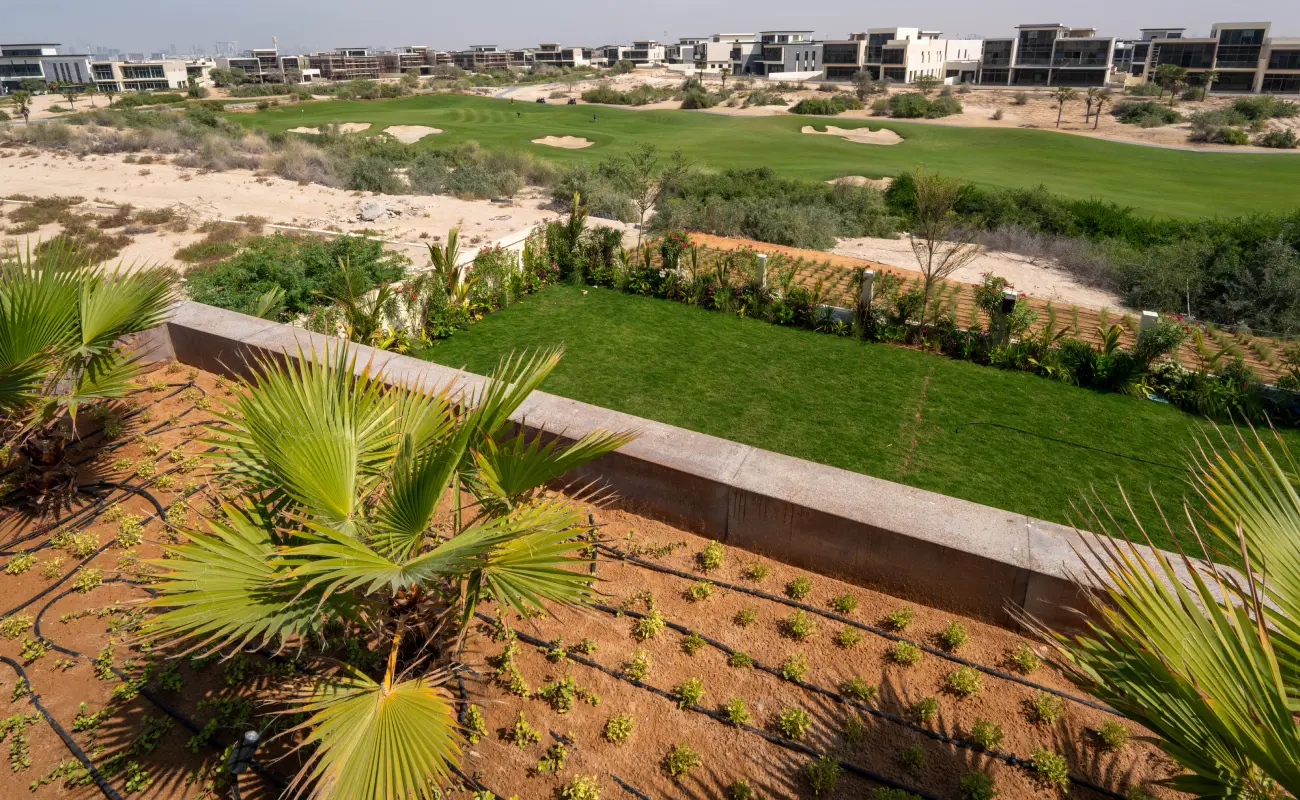
In April, when driving past Dubai Hills or the Arabian Ranches, the scent hits you before the tree. Plumeria, more commonly known to all plant parents across the UAE as frangipani, has become the most desired flowering plant-and it is obvious as to why. Of all flowering shrubs, the plumeria plant can truly be said to tolerate heat-indeed, it thrives in it! This manual clearly lists out all that a Plumeria can realistically expect from its environment, ranging from soil to sunlight, pruning, propagation, as well as troubleshooting common problems.
Quick Facts - Plumeria Care at a Glance
For anyone who wants the essentials before the detail, here is what matters most. These fundamentals shape everything else in this guide.
- Sun: full sun, at least 6-8 hours per day
- Watering: deep & infrequent, less in winter
- Soil: sandy, fast-draining, weakly acidic-neutral
- Blooms: late spring–early autumn
- Habit: year one slow, then rapid growth
- Best used: villa gardens, patios, container and terrace growing
Prefer to skip the slower early stage entirely? Our Plumeria - Frangipani arrives already established and ready to plant into a UAE garden.
Is Plumeria Suitable for the UAE's Climate?
All they need is protection from continuously hot, dry wind and water-retentive soil. Across the villa gardens we have planted in Dubai Hills, Arabian Ranches and Business Bay, one pattern holds consistently. When plumeria struggles, heat is rarely the cause. Soil that stays wet, or a location with insufficient light, almost always is.
Best Location & Sunlight Requirements (UAE Gardens & Balconies)
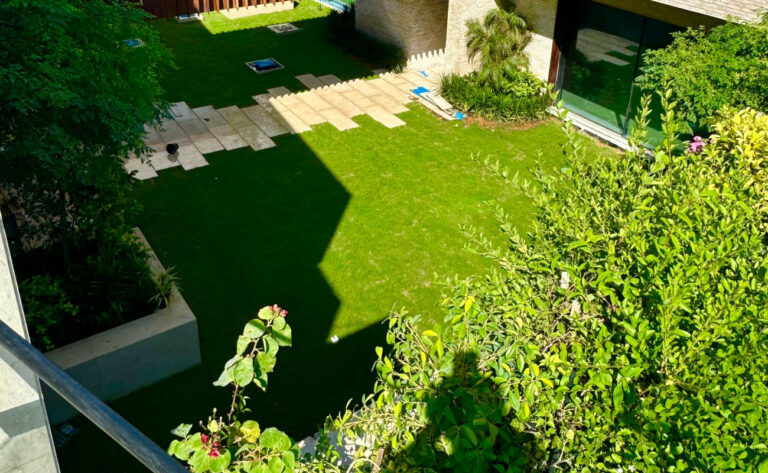
Choosing the Right Spot
- South or west facing walls suit UAE gardens well
- Balconies need a minimum of half a day in direct, unfiltered sun
- Avoid positions shaded by taller trees or building overhangs
- Allow space for the canopy, which widens considerably as the plant matures
A plumeria placed in a shaded courtyard corner will survive, but it typically stays leafy with very little flowering to show for it.
Soil & Drainage Tips for UAE's Sandy Soil
This is where many first time plant parents are pleasantly surprised. UAE's naturally sandy soil, often treated as a limitation, is actually closer to what plumeria prefers than the rich, moisture-retentive soil assumed by most general gardening advice.
What a Good Soil Mix Looks Like
Plumerias require a rapidly draining soil mixture that never stays wet. A mixture of fairly coarse sand mixed with perlite and a small quantity of compost is effective. Another added precaution in areas that experience occasional cloud bursts is to plant on a raised bed or raised mound.
If your soil has compact, clay composition, don't wait until after you've planted, but amend first. If roots sit in compact, waterlogged soil, they rot away, often without giving any indication above the surface.
Watering Plumeria in Dubai's Heat
This is the spot that most people really mess up when growing plumeria-usually in the opposite direction than one might think. The plumeria should be deeply watered only, then be completely dry during the midsummer doldrums- no light daily sprinklings.
A Simple Watering Rhythm
- Summer: Water deeply once every 4-5 days. Never allow the top 1-2 inches of soil to dry out fully between waterings.
- Winter: Much less water is required. A dormant plant can survive on a great amount of water.
- Potted plumeria tends to dry out much more rapidly than ground-grown and will need frequent monitoring.
Signs You Are Overwatering
If the bottom leaves are yellowing, or if your plant has a soft or spongy stem base, or is losing leaves despite heat, overwatering is far more probable than under-watering. If in doubt, just leave another day without watering.
Fertilizing Plumeria for More Blooms
Well-fed plumerias flower much more abundantly, and fertilizer content is more important than frequency. Use one low in nitrogen and high in both phosphorus and potassium (a 10-30-10 formulation, for instance), as too much nitrogen will result in leaf production, not flower production.
Fertilize every 3-4 weeks from March to September as long as the plant is actively growing, and cease fertilization when winter dormancy is reached. Top dressing with a slow-release granular fertilizer incorporated into the soil is much more sustainable than a regime of frequent liquid feeding.
Pruning & Maintenance Guide
Correct pruning is vital to a plumeria's ability to produce blossoms in the subsequent season; this makes this one of the most neglected steps in plumeria husbandry. When done correctly, it maintains a good shape and prompts more vigorous and more regular growth.
When to Prune
Do this in late winter, just before it begins growing again. This is plenty of time to heal and will not impact the flowering next season.
Basic Maintenance Steps
- Remove dead, damaged, or crossing branches first
- Cut cleanly just above a node using a sharp, sanitised tool
- Let cut ends callous for a day or two before further handling
- Step back periodically to assess shape and encourage even light distribution
Mistakes to Avoid While Pruning
Common Pests & Problems in UAE Climate
Plumerias are quite tough plants on the whole, but some problems appear to crop up from time to time when they're in UAE conditions generally due to overheating, change in humidity, or over/underwatering, and problems are much easier to resolve when dealt with sooner rather than later.
- Spider mites - common in hot, dry weather, visible as fine webbing and speckled leaves
- Mealybugs - small white clusters usually clustered near stem joints
- Black tip fungus - blackened new growth caused by cold snaps or excess moisture
- Rust spots - orange or brown patches on the underside of leaves during humid periods
Most of these problems will respond quite well to individual treatments with a targeted application as soon as they become apparent, instead of preventive spraying. Sealing off the plant and encouraging better circulation of air around it has often solved the problem.
Growing Plumeria in Pots (Ideal for Homes & Villas)
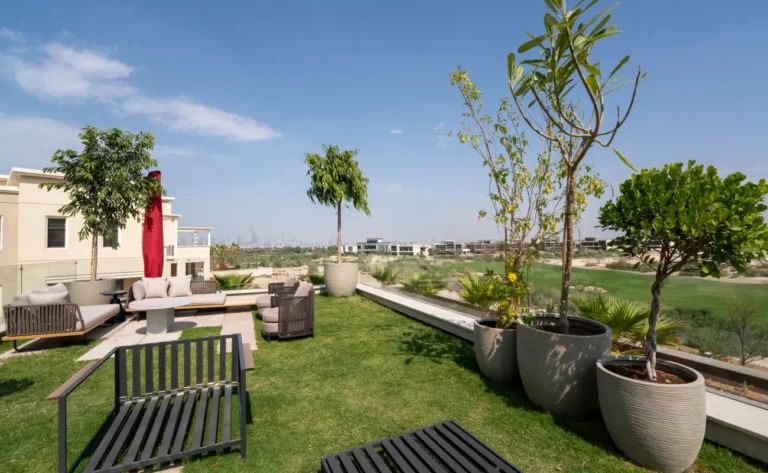
In any container culture, especially on terraces, rooftops, and small courtyards when the trees will have to spend all their life in the soil-in container, plumeria appears to be an excellent candidate. A suitable pot/soil ratio will guarantee blooming just like in an outdoor context.
Choosing the Right Container
Choose a pot with large drainage holes and enough space for the roots to develop in and out. Unglazed and Terracotta are best as they allow excess water to be drawn through to the outside. Repot to a slightly larger pot size every 1 to 2 years.
Winter Care (Mild Cold Season)
Although winters in the UAE aren't dramatically cold compared to many other climates, the plant does start to decelerate noticeably when nights consistently become cool. If there is major leaf drop during these months, this is completely normal and doesn't indicate that the plant is not doing well.
In this dormancy stage, minimize all watering and completely stop using any fertilizer. Resume normal watering and feeding when new growth tips begin to form in the early spring as new growth starts.
How to Propagate Plumeria from Cuttings?
Propagation is one of the more rewarding aspects of plumeria plant care and considerably more straightforward than it might appear. A single healthy cutting can develop into a flowering plant within a couple of years, at a fraction of the cost of purchasing a mature specimen.
Steps to Root a Cutting
- Choose a vigorous, mature branch, at least 12-18 inches long
- Cut neatly and leave the wound to callous in a dry, shaded place for 5-7 days
- Plant the calloused end several inches deep into a fast-draining mix
- Water lightly only once the mix has dried completely
- Expect root development within 4 to 8 weeks, sometimes longer
Resist the urge to water extensively at this time. A cutting that has not been calloused, which is currently in moist soil, is far more likely to rot than it is to root.

How to Get More Plumeria Blooms?
If the plant is thriving and putting on excellent growth but will not flower readily, the reason falls in one of a few categories as opposed to an odd or rare phenomenon, and once identified, the fix is normally simple and visible within a season or two.
- Insufficient direct sun, since plumeria flowering depends heavily on full sun
- Excess nitrogen fertilizer, which favours leaf growth over blooms
- A young plant, as plumeria often takes 2 to 3 years to flower consistently
- Root stress from an undersized pot or soil that remains too wet
Patience matters more than intervention here. A plumeria that receives proper sun and watering will settle into a consistent blooming rhythm on its own timeline.
Buying Plumeria Plants in UAE - Where to Get Them
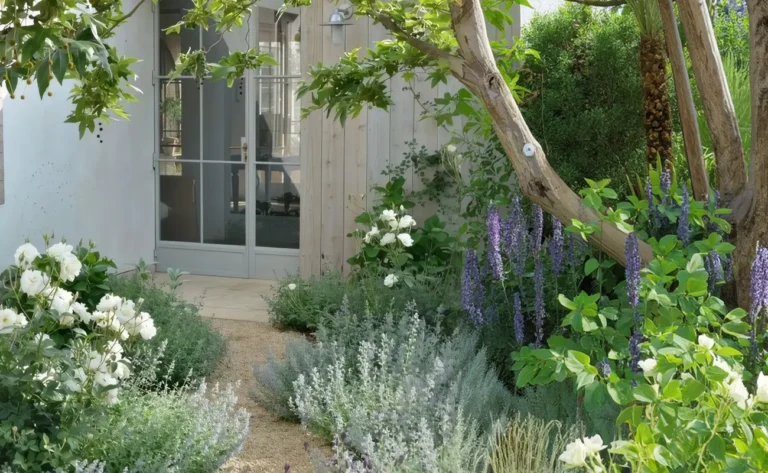
Other than the plant, we also consult and guide on the placement of it, the preparation of soil, and the follow-up care as an integrated part of a landscape maintenance plan, in order to make plant-parents' lives easier without trial-and-error in the first year of ownership.
FAQs: Plumeria (Frangipani)
Water thoroughly every four or five days at the height of summer while letting the topsoil dry out completely in between watering. Water plumerias growing in pots slightly more often.
They can both be used on a terrace, a balcony, or a small patio, whereas in a large villa garden, planting directly into the ground should be used to encourage the canopy to grow wide in the long term.
This is usually a sign of overwatering rather than a pest issue. Reduce watering frequency and confirm the soil drains properly before assuming a more serious problem.
Use a low-nitrogen, high-phosphorus, and high-potassium fertilizer such as a 10-30-10 feed every 3 to 4 weeks all the way through the growing season.
Fully mature plants will vary from 4 – 8 metres in height, but are initially rather slow-growing. With regular pruning, they can be kept down for most-sized gardens, and a large container will limit growth.