
Our Collection

AGAVE
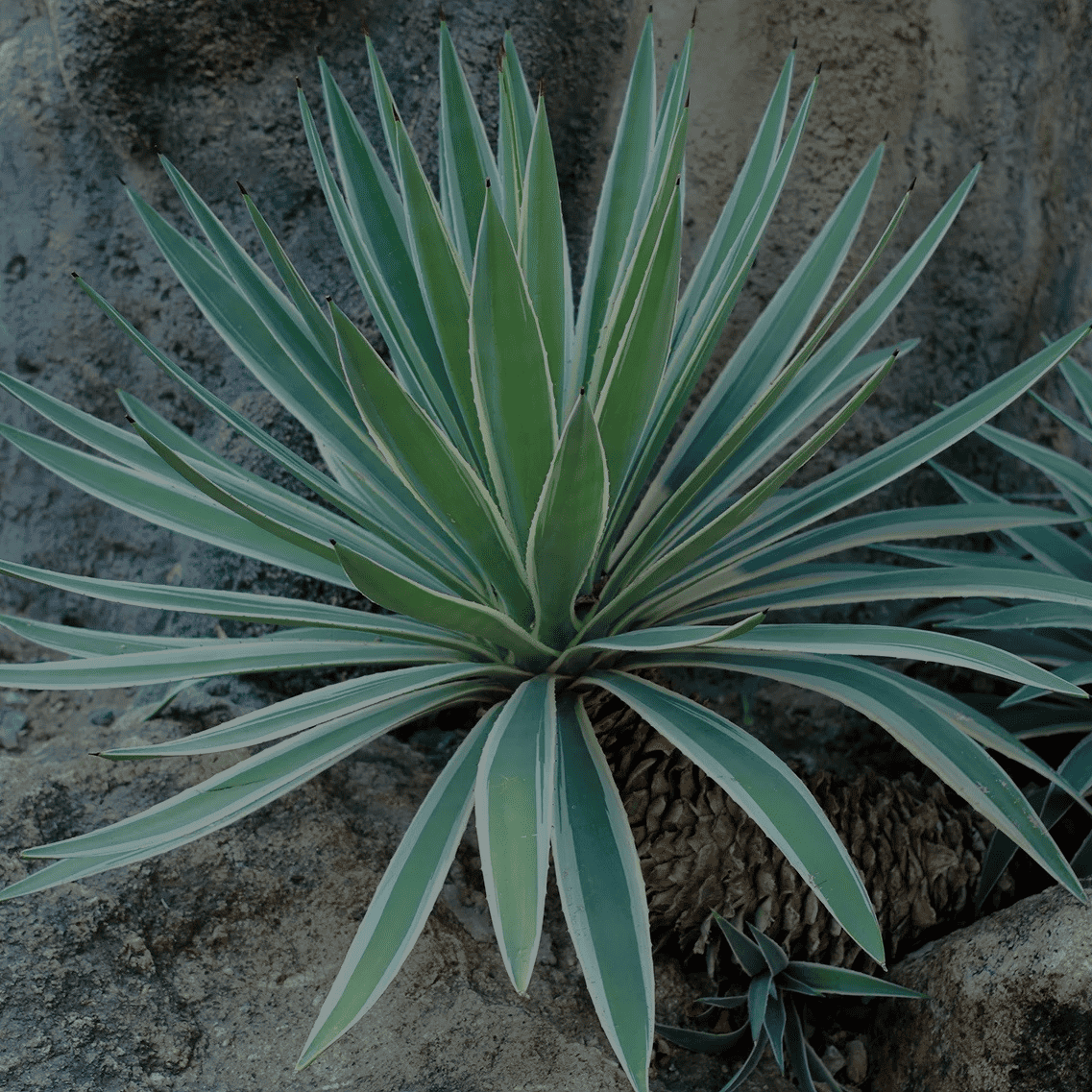
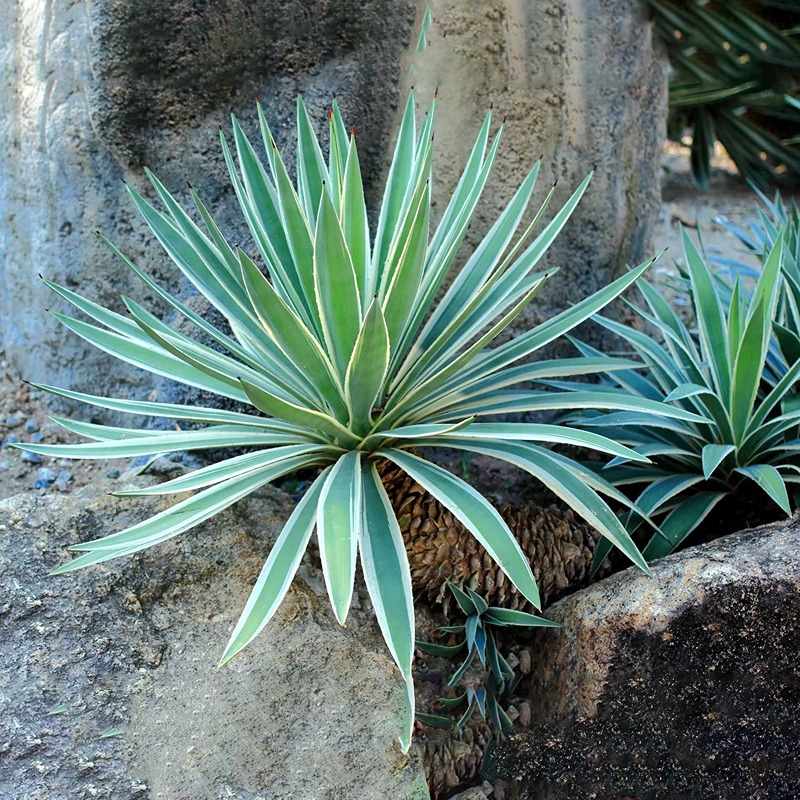
Agave plants are succulents with large leaves that end in pointy tips. Large, stiff specimens can grow to 10 feet or more in height and width, and smaller species can be dish-sized. A few agave species have soft leaves and no spines. Agave grows best in rocky, sandy, well-drained soil in full sun. Fertilizer can encourage agave to bloom, which is not recommended because the plant only blooms once, then dies.
AGLAONEMA PATTAYA
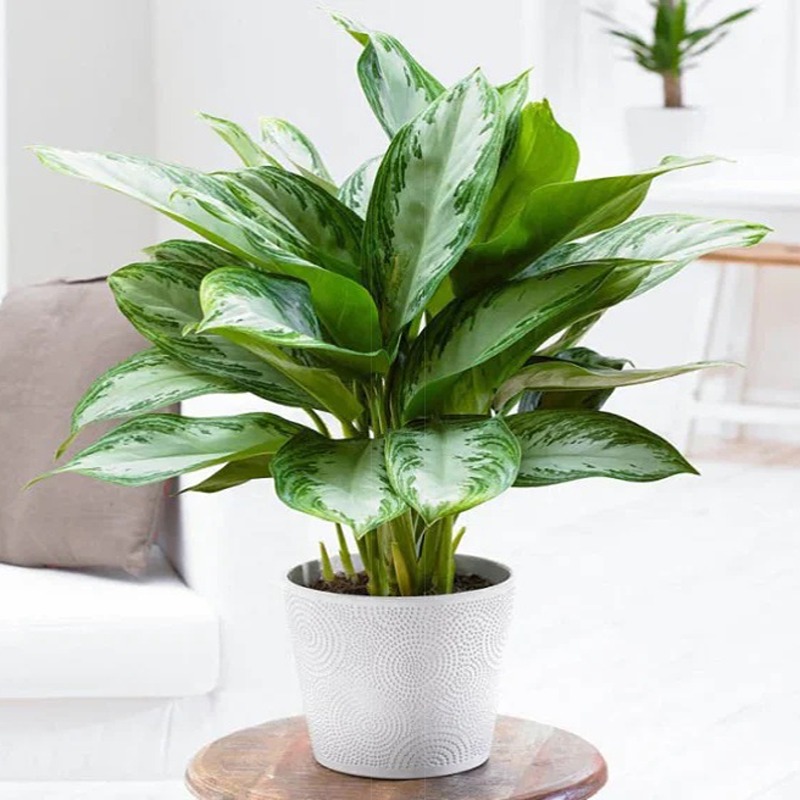
The Chinese Evergreen, also known as Aglaonema Pattaya, is a popular houseplant that is native to Southeast Asia. This plant is known for its striking foliage, which features dark green leaves with silver markings and a pinkish-red tint on the edges. The leaves are thick and glossy, and they grow in an upright manner, making the plant an excellent choice for adding height and texture to any indoor space. Perfect choice for offices, receptions and any desk too. They thrive well in indoor lighting conditions and thus require little maintenance. Keep the compost moderately moist during growth, allowing it to dry out slightly between watering. Only spray with a mist of water if room temperatures exceeds 18°C. Feed with general fertilizer once a month.
AGLAONEMA PINK
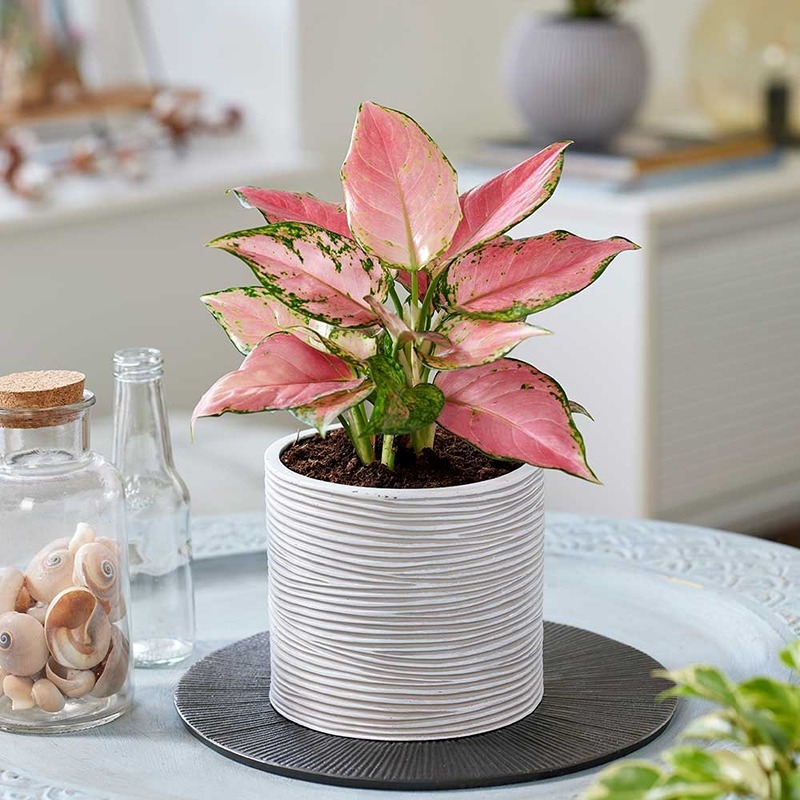
One of the easiest of all houseplants to grow, Aglaonema is also one of the most stylish. A relatively new variety to the houseplant world, this stunner shows off dark green leaves elegantly flushed with bright red or pink. Its colorful foliage makes Red Aglaonema a perfect home-decor accent. It’s gorgeous on desks or tabletops, as well as coffee tables and side tables in dens, living rooms, and bedrooms. Water once a week or when the soil starts to become slightly dry at the top. Keep the soil lightly moist at all times, but do not overwater as this will cause brown spots and leaf drop. Water in the early morning or late evening when temperatures are cooler. Always check soil before watering.
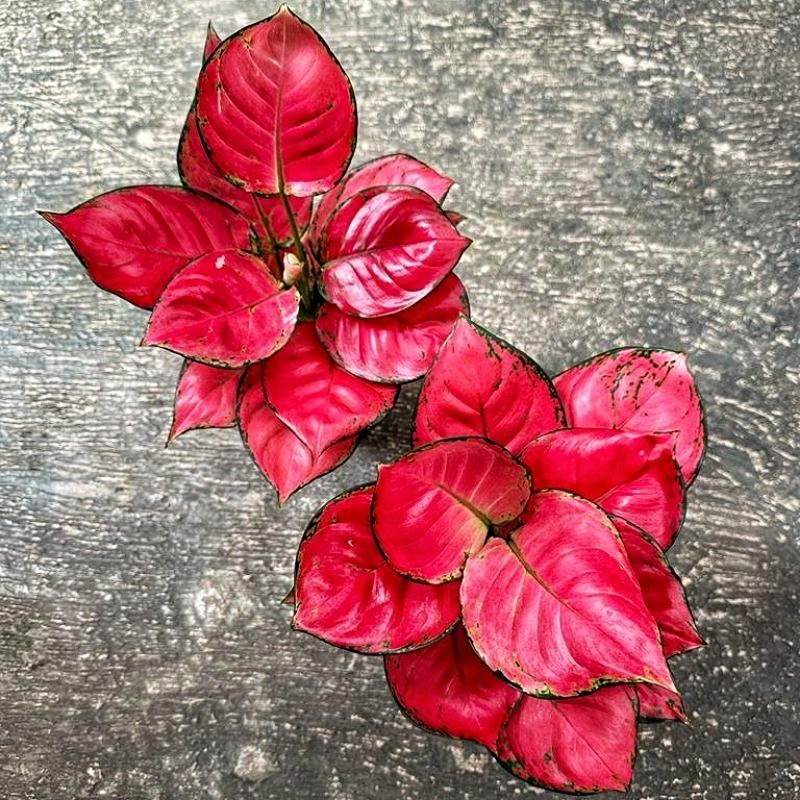
AGLAONEMA RED
A great hassle free addition to indoor spaces to lend it color and charm with its bright red leaves. A lover of indirect to low light areas and little water, this plant is the answer you were looking for to add some character to that empty corner with little light or your work area. If you have too much green in the plant cluster, add a spot of red. Native to tropical and subtropical regions of New Guinea and Asia, Red Aglaonema plant is one of the most vibrant among Aglaonema air purifying indoor plants. Belonging to the family of Araceae, Red Aglaonema plants blossom with a Greenish – white spathe. And this adds to its ornamental values. Red aglaonema plants could also be presented as eco-friendly gifts or green giftings to any enthusiastic green thumb individuals.
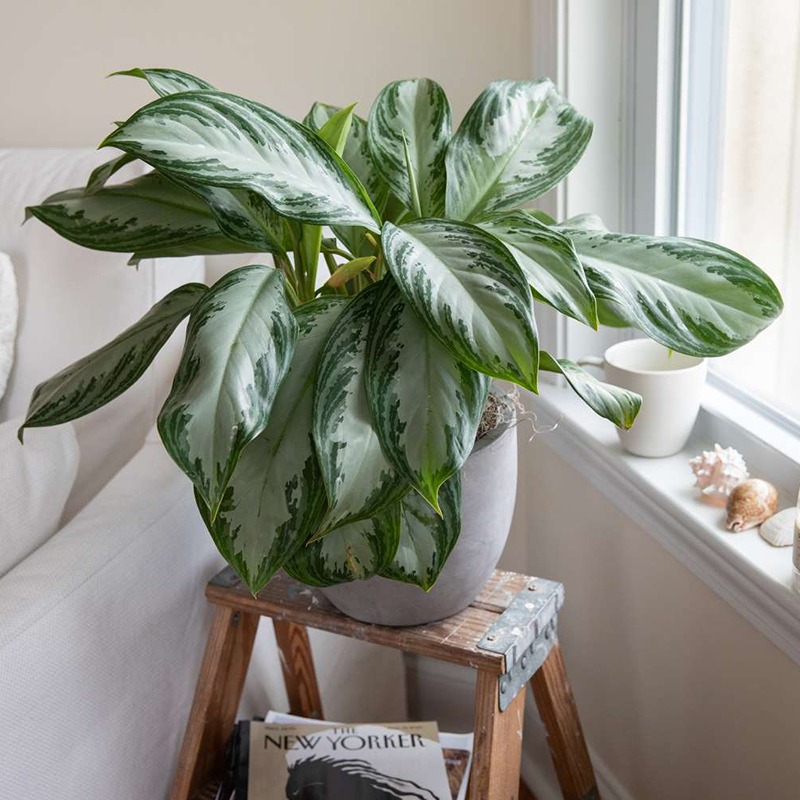
AGLAONEMA SILVER QUEEN
The marbled darker green color allows this Chinese Evergreen to tolerate some degree of shade. The leaves tend to grow in an upright manner. Chinese Evergreens are on NASA’s list of air-purifying plants. They are proven to remove Benzene and Formaldehyde toxins present in home environments and help reduce the irritant side-effects to humans. Aglaonema Silver Queen is a popular variety, often found in design schemes, either used as a feature plant or displayed with a complimentary mix of other Chinese Evergreens. It is primarily grown for its attractive variegated foliage and not for its insignificant flowers. Thick, elliptic to lance-shaped, dark green leaves with attractive silver-gray variegation appear on short stems rising from the soil. Leaves are silvery-white with green margins and veins. As the plant ages, it begins to develop a trunk-like stem as the lower leaves fall off. Flowers appear on a small creamy white spadix surrounded by a greenish-yellow spathe. Flowers usually bloom in summer to early fall. Clusters of orange berries follow the flowers.
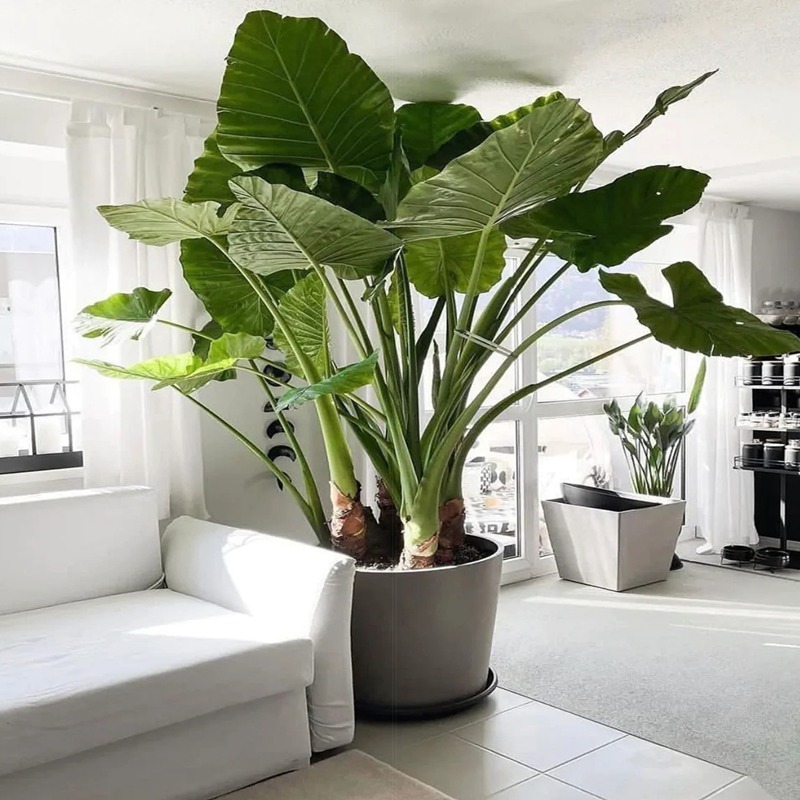
ALOCASIA
Boasting some of the most striking foliage in the houseplant world, the Alocasia is an increasingly popular addition to indoor plant collections due to its unmatched visual and sculptural appeal. There are around 80 species of this distinctly veined stunner native to subtropical Asia and eastern Australia, and some specimens boast leaves that can grow up to almost three feet long.
Alocasias need bright, but indirect light. This is due to the plant’s natural habitat, on the forest floor beneath the tree canopy. Direct sun will cause the leaves to burn, so avoid placing your Alocasia in a spot where it’ll be exposed to direct sun for a prolonged period. This plant is not tolerant of lower light conditions though, so make sure the space you’re placing yours in feels very bright. Alocasias are native to — and grow best — in humid environments, so avoid placing yours near to an A/C or a heater if possible.
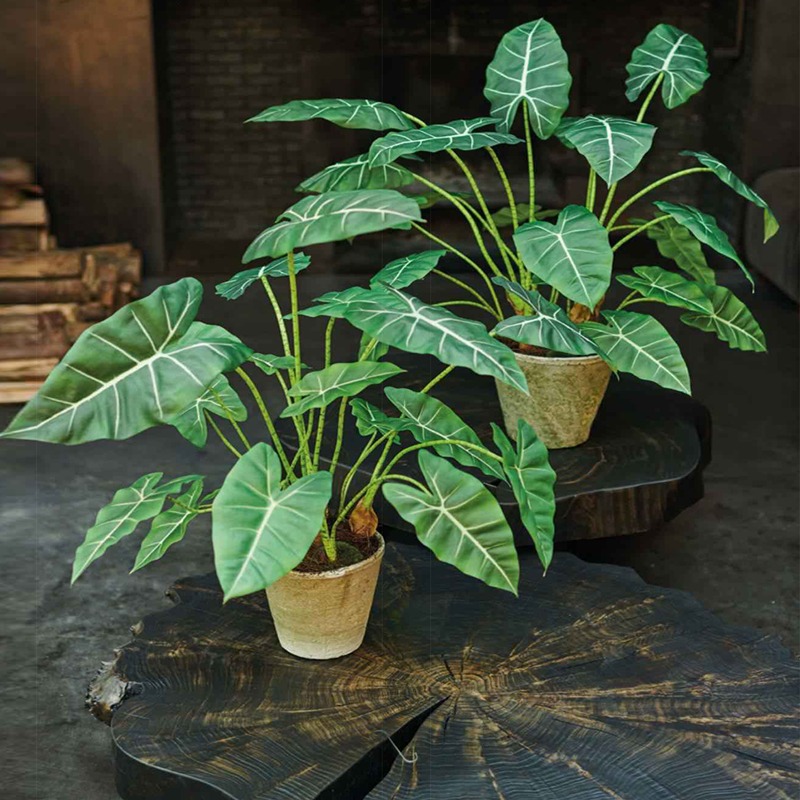
Alocasia Artificial Plant
This beautiful faux plant is the perfect artificial indoor house plant to spruce up your space and bring a permanent feeling of nature throughout your home. This plant is handmade by experienced artisans meeting with the highest standards of quality.
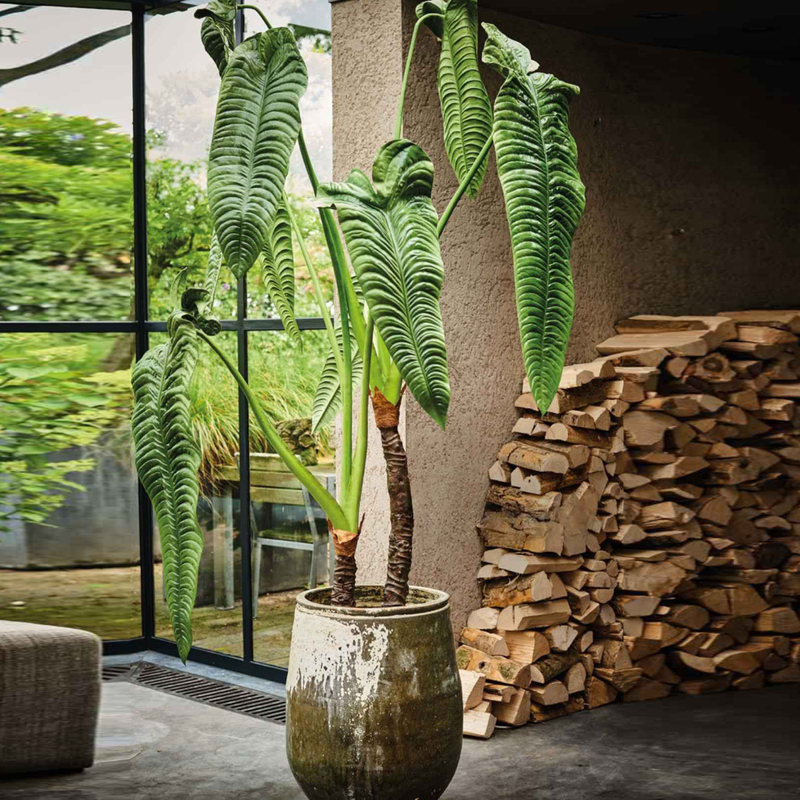
Alocasia Palm Plant
This Faux plant is always popular for designing house, hotel lobby or restaurant and to add elegance to your everyday arrangement. Bend and shape this plant for a whimsical, wild look This plant is handmade by experienced artisans meeting with the highest standards of quality.
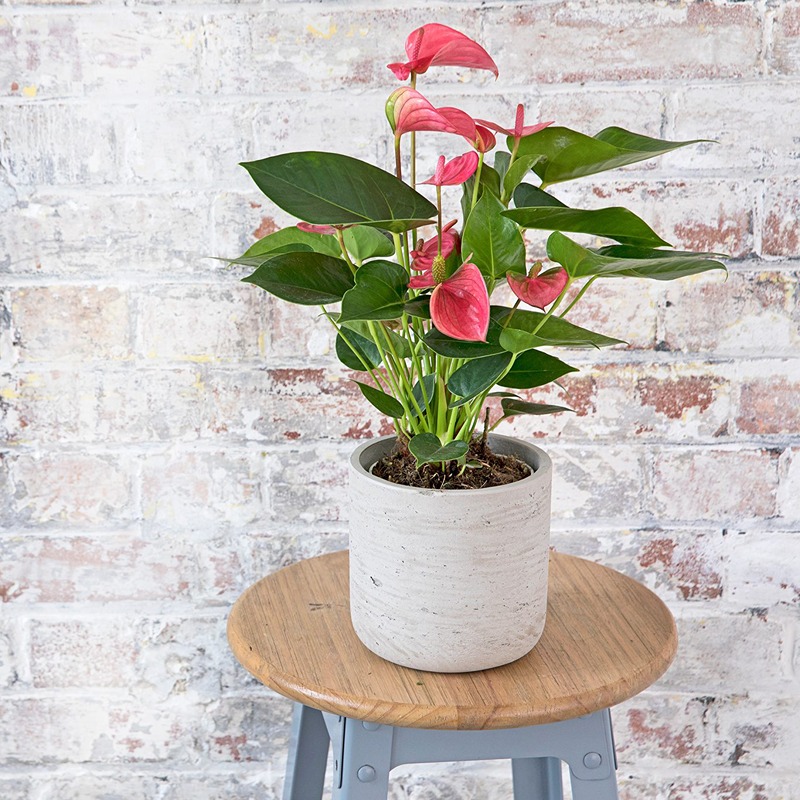
ANTHURIUM
Anthurium is a perennial plant native to Central America, northern South America, and the Caribbean. While they can be grown outdoors in the garden in warm climates, anthuriums are good indoor plants and are more often grown as houseplants or in greenhouses since they have particular care needs. They grow at a slow or moderate growth rate, depending on getting ample light without getting sunburned. Also called flamingo flowers for their unique tropical shape and bright red, green, and white colors, they can constantly bloom for long periods making them delightful indoor plants year-round. The blooming varieties are distinctive for their colorful, heart-shaped waxy spathes and red or yellow tail-like flower spikes. Other varieties feature large-leaved, deeply veined foliage. Many anthuriums are climbers, and all need high humidity and warmth to thrive. Anthurium typically lives about 5 years indoors with proper care but by propagating your plant, you can have a healthy anthurium indefinitely.
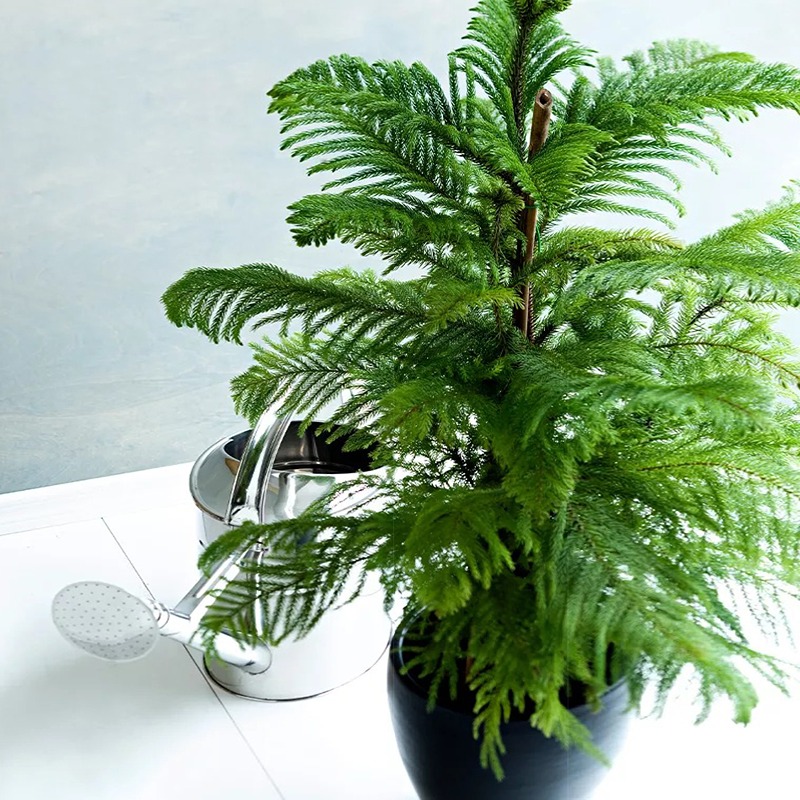
ARAUCARIA
Araucaria is suitable for growing indoors as a houseplant. It has a graceful pyramidal shape with graceful, wide-spaced branches symmetrically arranged in whorled, horizontal tiers around a single straight trunk. There are typically five branches per whorl. In its native habitat, it reaches heights of 200 feet. Cultivated trees, grown in subtropical or Mediterranean climates typically grow to 60-100 feet with a 12-60 foot spread. It grows best in open, full sun locations with ample room for its large size, in any well-drained soil type. Outdoors, surface roots may interfere with lawn mowing or lift sidewalks and large cones create litter.
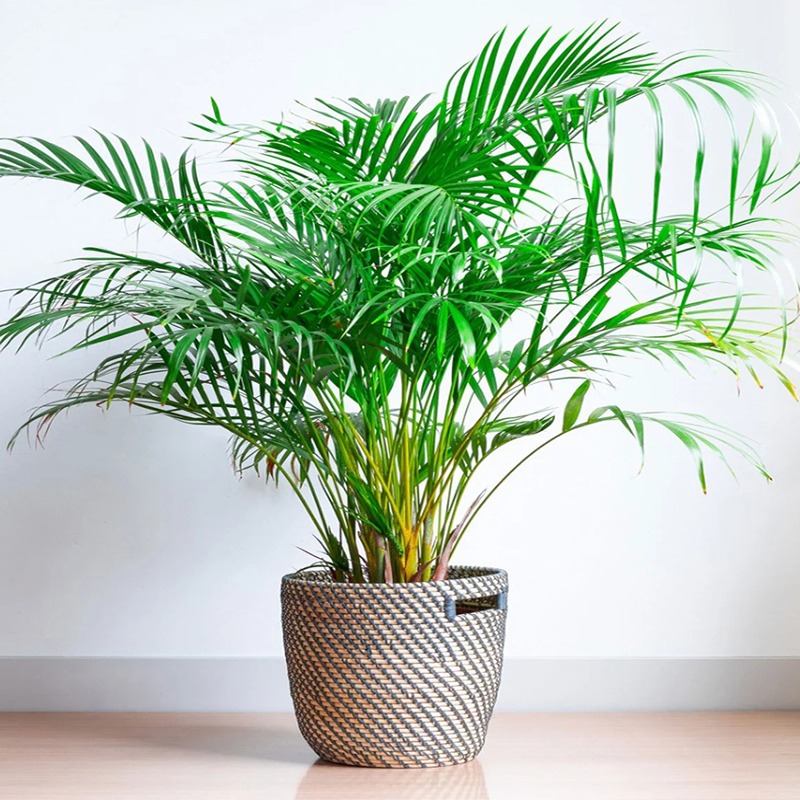
ARECA
Areca palm plant is widely known for its long, graceful feather-shaped fronds, and clustered stems with yellow-green leaflets. They are one of the most widely used indoor gardening plants relevant mostly for bright interiors. Areca Palm plant will add a tropical feel to your indoor spaces and is especially well suited for screened patios and atrium. Keeping the Areca palm plant as an indoor plant could result in good air quality in your surroundings. This is because they are best at absorbing formaldehyde coming out of electronics or laptops and it also cleans up other harmful toxins. Thus, making an excellent environment for your indoor spaces.
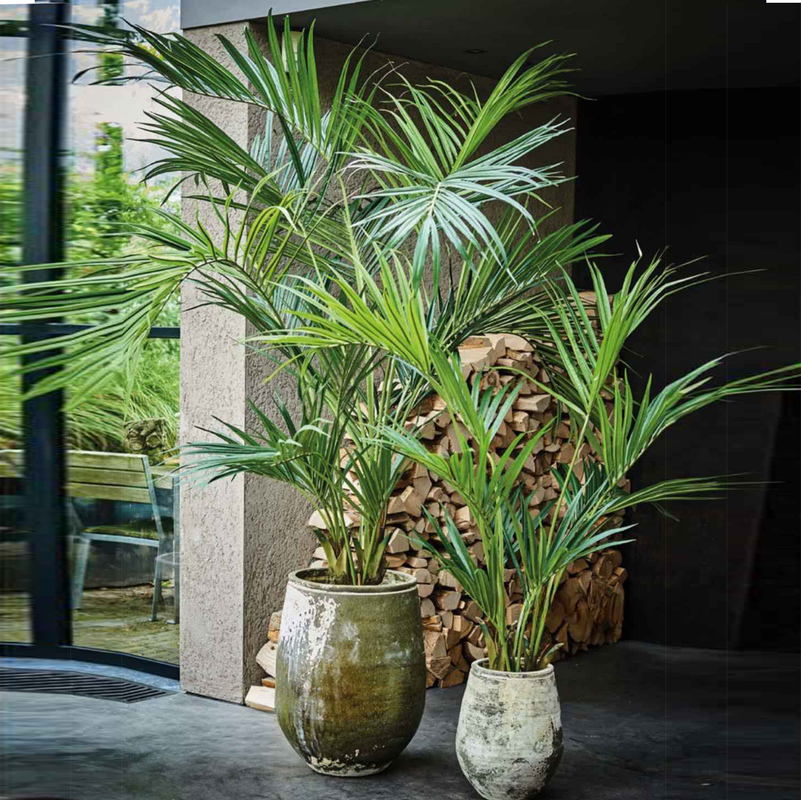
ARECA PALM
From wedding centerpieces to arrangements for interior home decor, this large, artificial Areca palm plant is sure to be a tall and elegant addition to your designs. Simply style in a statement pot to create a dramatic presentation. The lush green leaves and the natural-looking stem capture a permanent feeling of nature, making this ultra-realistic faux plant a must-have piece for elevated decorating.
This plant is handmade by experienced artisans meeting with the highest standards of quality.
ARECA PALM (OUTDOOR)
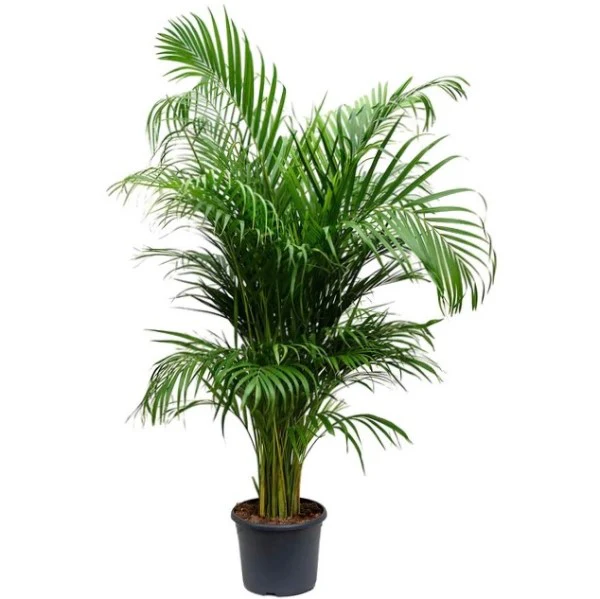
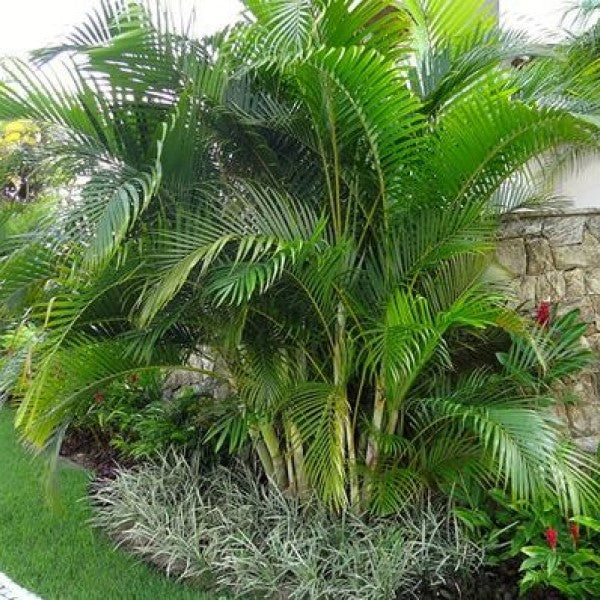
The Areca Palm tree is an ideal way to add some tropical flair to your home. The areca palm boasts lush, bright-green leaves on its delicate, arching fronds as well as its yellow rachis. Areca palm plant is one of the best air purifiers indoor and outdoor plants to clean the air.
Areca Palm can also be used as a Large corner accent palm, in a pool cage planter, to cover a blank wall, fence, side of house, garage or as outdoor plant.
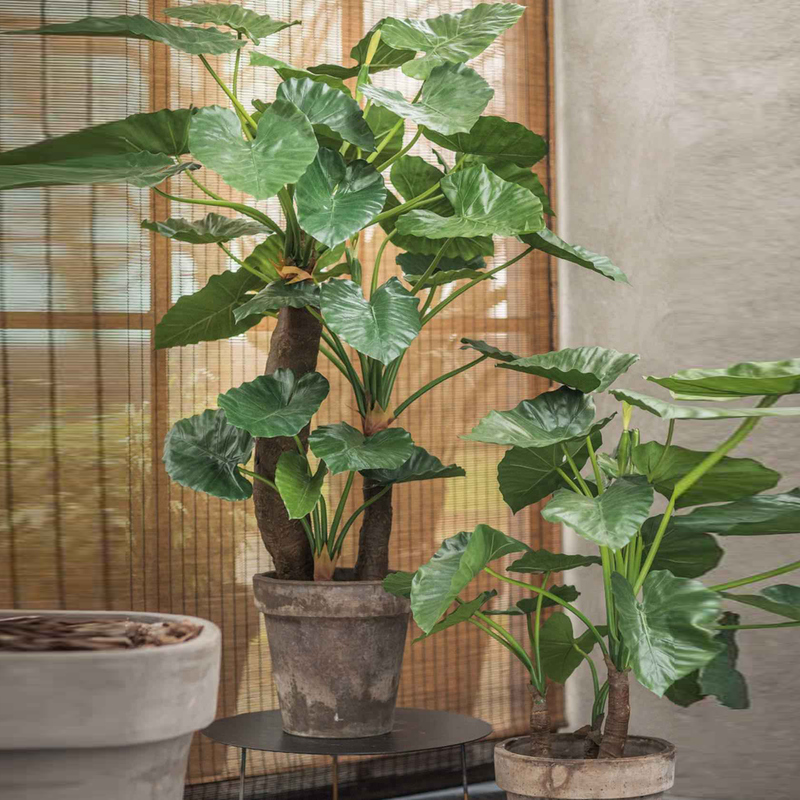
Artificial Alocasia Palm Plant
Add a touch of luxury to your interior space with this chic artificial desert palm tree plant in a round cement planter pot. It’s the perfect example of care-free faux indoor potted plants that offer ultra-realistic botanical details and permanent beauty. Just style it near window or any corner of the room to instantly instill nature’s presence in your home.This plant is handmade by experienced artisans meeting with the highest standards of quality.
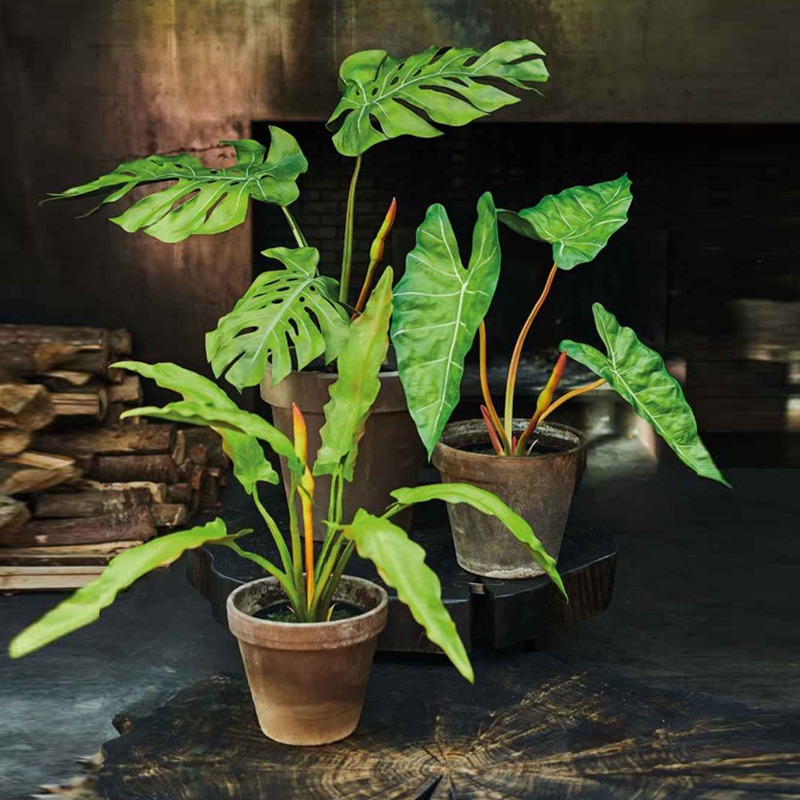
Artificial Monstera Plant
The minimalist approach to home decorating starts with incorporating this beautiful big leaf greenery inspired by nature. Just style this plant in a beautiful rustic pot for elevating room to another level.
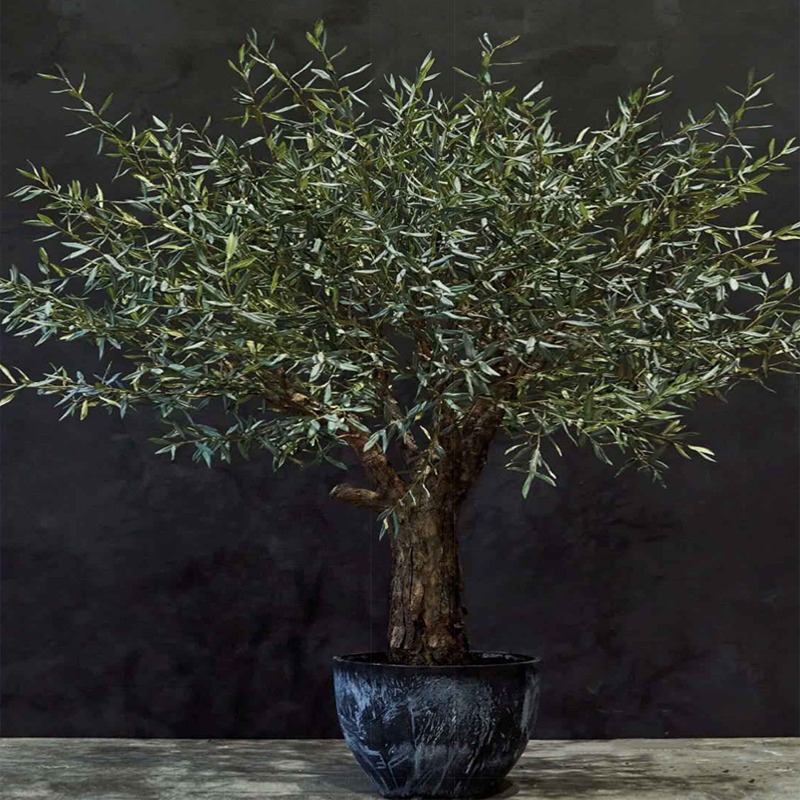
Artificial Olive Trees
A simple way to invite a permanent feeling of nature into any space is to style this faux olive tree in a big statement pot. The combination of dark green & light green leaves give this artificial olive tree an authentic look. Showcase at the entrance to create an elevated and welcoming feel that takes your interior design to the next level.
This Olive tree is designed with silk material & is part of plant collections. This plant is handmade by experienced artisans meeting with the highest standards of quality.
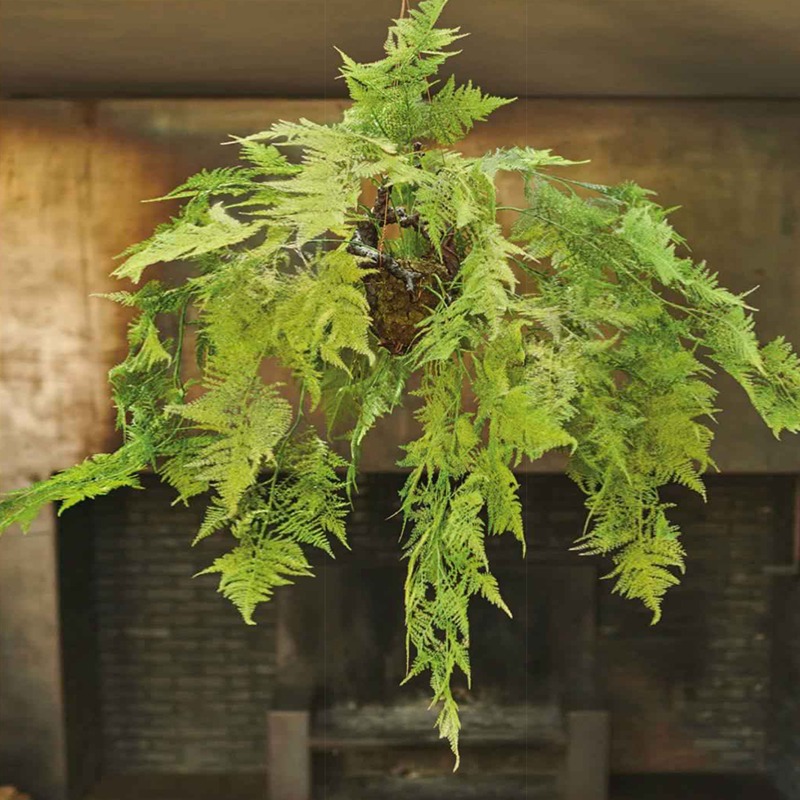
ASPARAGUS HANGING GREENS
Add a natural, organic element like feel to your home with this hanging Asparagus Plumosus Fern. Soft to the touch, each bundle is a testament to nature’s artistry, boasting unique variations in color and size that add a touch of authenticity and individuality to your creations. With its long-lasting beauty, you can enjoy the allure of faux grass throughout the year, bringing a touch of freshness and a hint of the outdoors to any space.
This plant is designed with silk material & is part of plant collections. This hanging plant is handmade by experienced artisans meeting with the highest standards of quality.
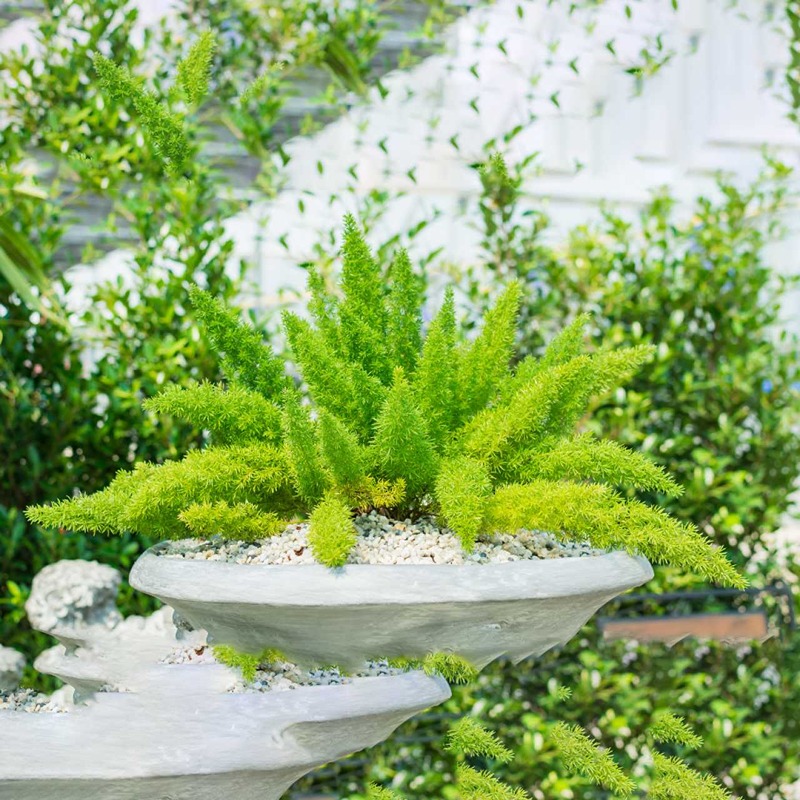
ASPARAGUS SPRENGERI
Normally planted in the spring, the fast-growing asparagus fern has a lot of good qualities, but it comes with some important cautions. In warm, humid climates, asparagus ferns can spread rapidly when planted outdoors—to the point of serious invasiveness. Neither plant is a fern, but instead, they are warm-weather perennials closely related to the common edible garden asparagus.
BAMBOO
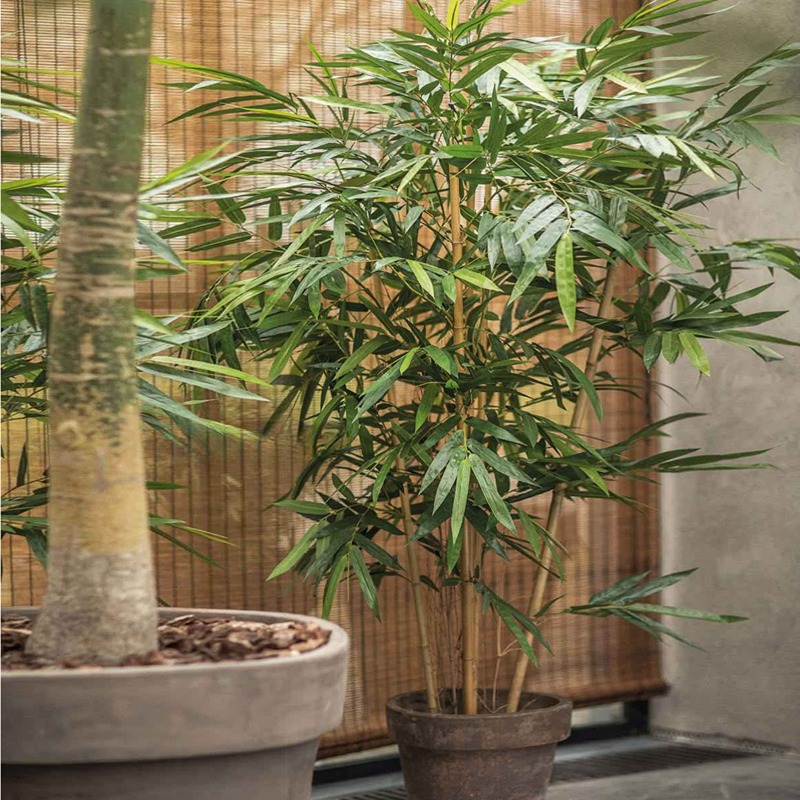
From home decorating to dressing hotel lobbies, styling with artificial tropical leaves is always modern and trendy. Simply display this stunning plant in a large pot and will surely be a conversational piece. This plant is handmade by experienced artisans meeting with the highest standards of quality.
BANANA TREE
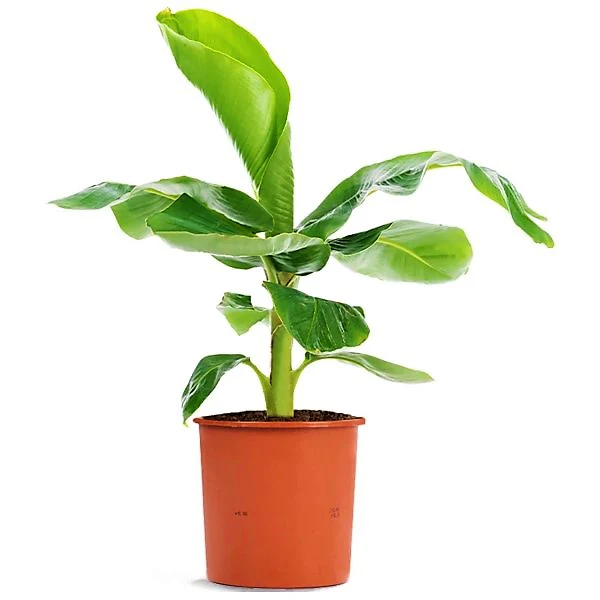
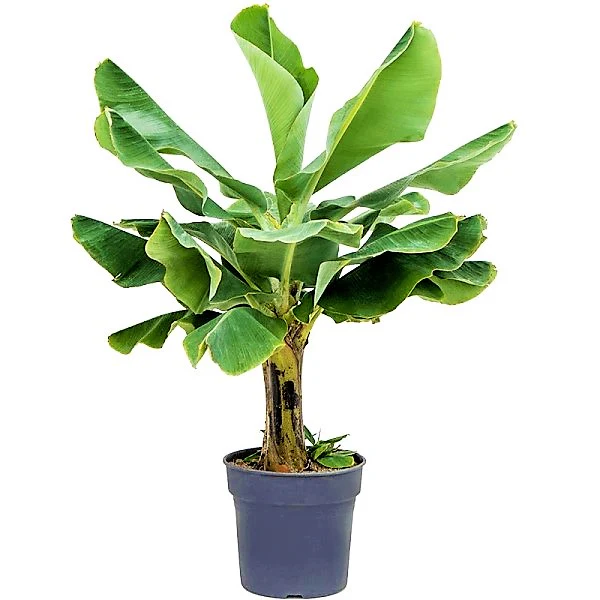
This Banana Tree, Musa paradisiaca, produces large clusters of sweet, flavorful bananas. It also yields a tall, ornamental trunk and large leaves for added visual appeal in any garden. Its reliable production of delicious, nutrient-rich fruits makes it an ideal choice for your edible landscape.
Musa paradisiaca Or Banana Tree ???? ????? is upright, very variable, mid-green leaf-blades, to 1.5m long. Pendent clusters of yellow flowers, with reddish purple bracts, are produced irregularly throughout the year. Seedless yellow fruit, to 20cm long, borne in long bunches, have sweet-tasting white pulp.
BARKIN
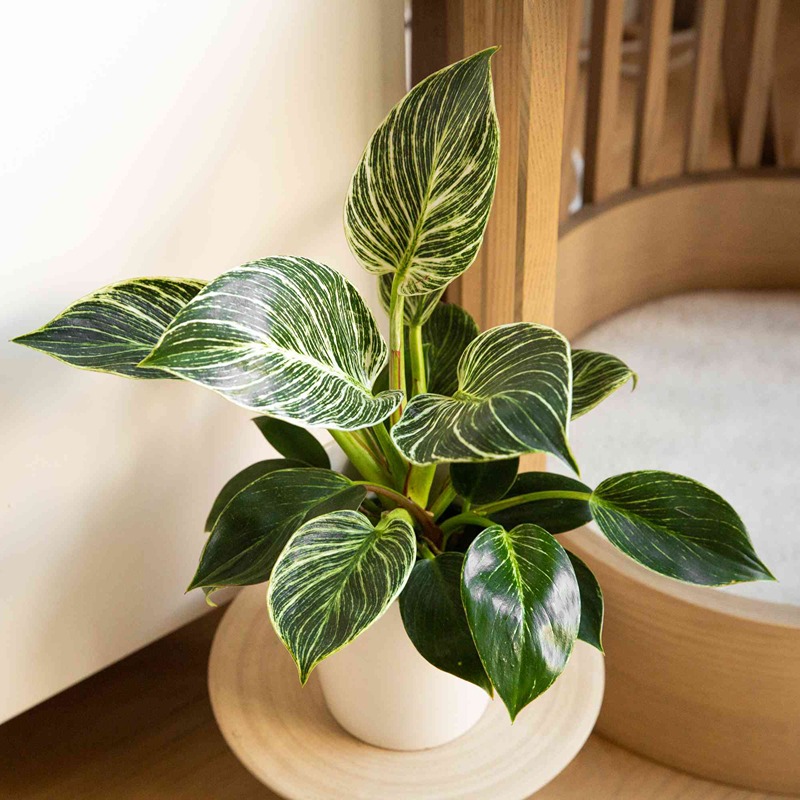
Philodendrons are one of the most loved and widely grown indoor plant species in the world, but what is better than a regular philodendron is a variegated one. The Philodendron Birkin has a stunning dark green color with elegant white variegations resembling fish bone. Birkin plant’s leaves are glossy, heart shaped, ovate and bring an interesting charm to any space. These patterns might make you think that the Philodendron Birkin is a difficult plant to take care of, but luckily that’s not true. The Philodendron Birkin shows you when it’s not happy, which makes it the perfect plant for beginners. Tropical Philodendron birkins come from the Araceae family. Philodendron is a subcategory of this family
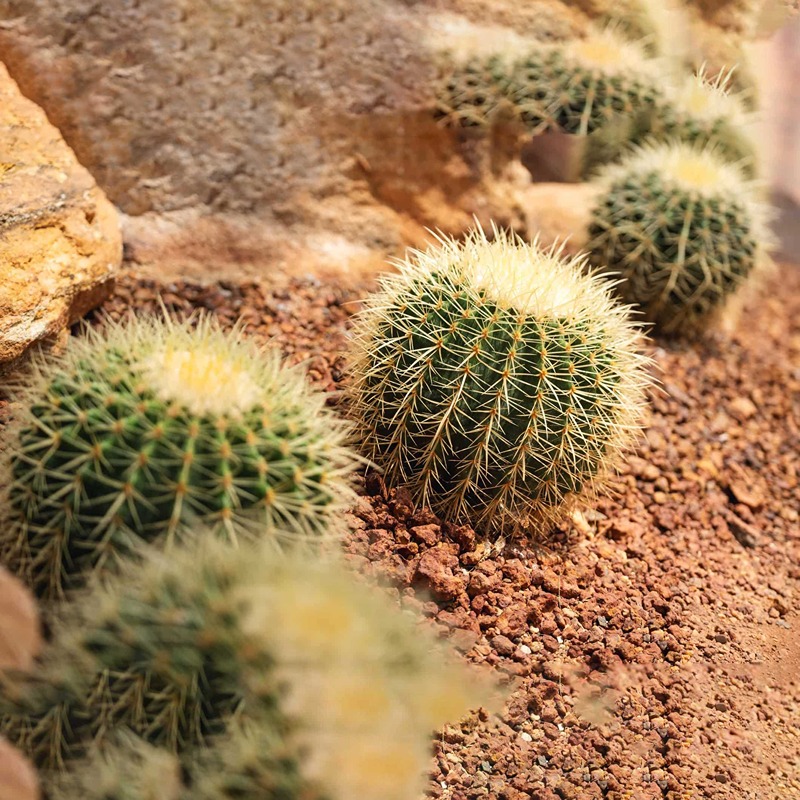
BARREL CACTUS
The aptly named golden barrel cactus or golden ball (Echinocactus grusonii) rarely grows in its native habitat. It is sometimes used in the outdoor garden in dry climates where temperatures never fall below 4 degrees Celsius. It’s called a barrel cactus because, as the name implies, they are almost perfectly round when juvenile. They are beautiful, with evenly spaced rows of spines on their deeply ribbed lobes. As they grow, it’s not uncommon for them to stretch out, so they are more oval than circular.
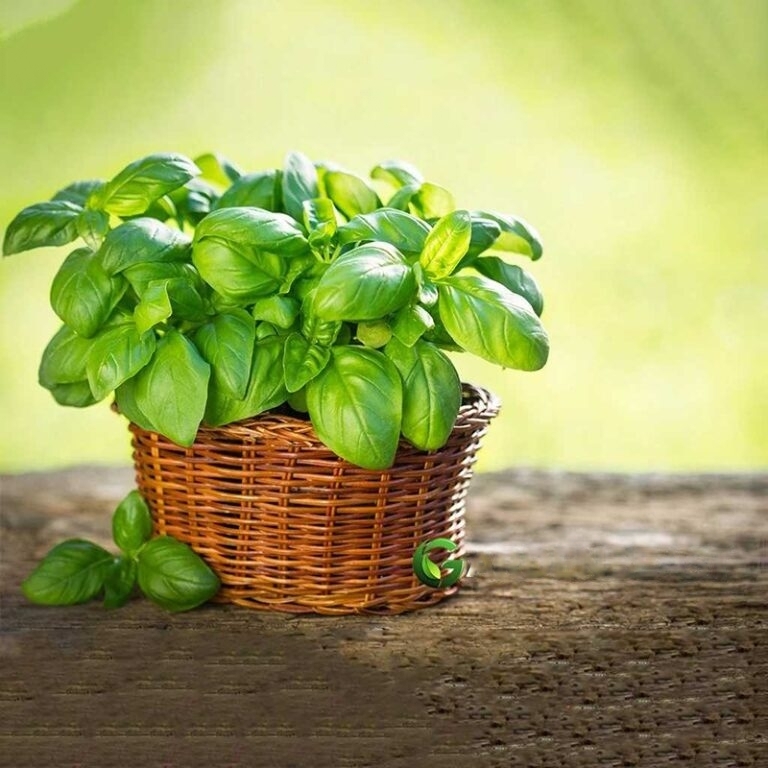
BASIL PLANT
Basil plants are one of the most popular herbs to grow and also one of the easiest. Sweet basil (Ocimum basilicum) is a member of the mint family. It is closely identified with Italian cooking, although it is originally from India. The extremely aromatic leaves also have a delightful variety of flavors, from the slightly lemony-mint of sweet basil to cinnamon and licorice. Leaf colors span from rich green to deep purple, with smooth or crinkled leaves. The flowers are insignificant but very popular with bees.
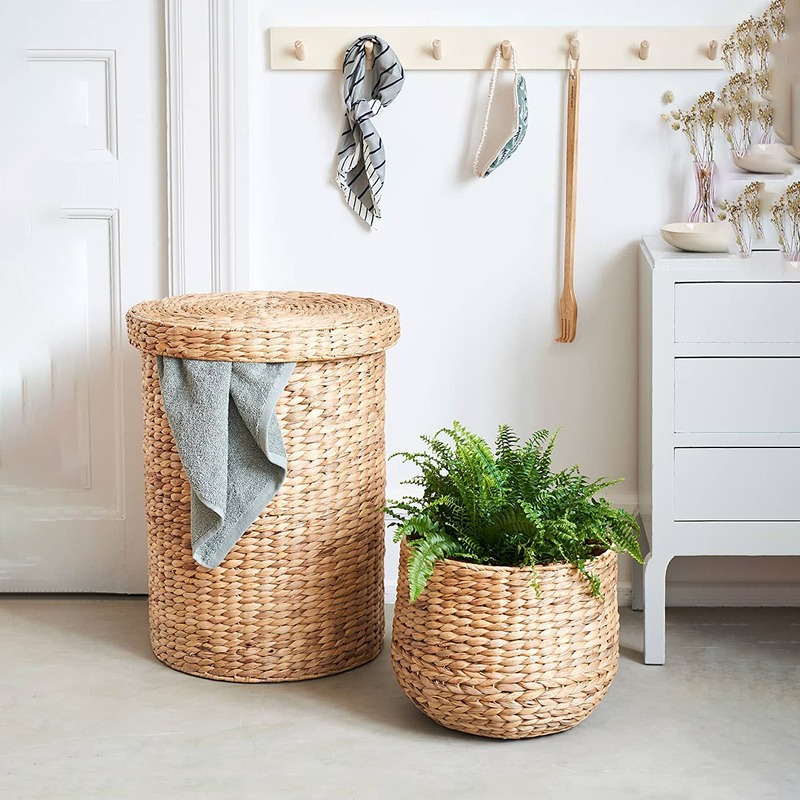
BASKET
Baskets are a fabulous way to inject a fresh dose of rustic-chic charm into your home or office while creating extra storage space too. Our baskets are ideal for housing blankets, throws, toys or even plants and flowers, and can be showcased in lonely room corners, on generous consoles or shelves, or even at the foot of beds.
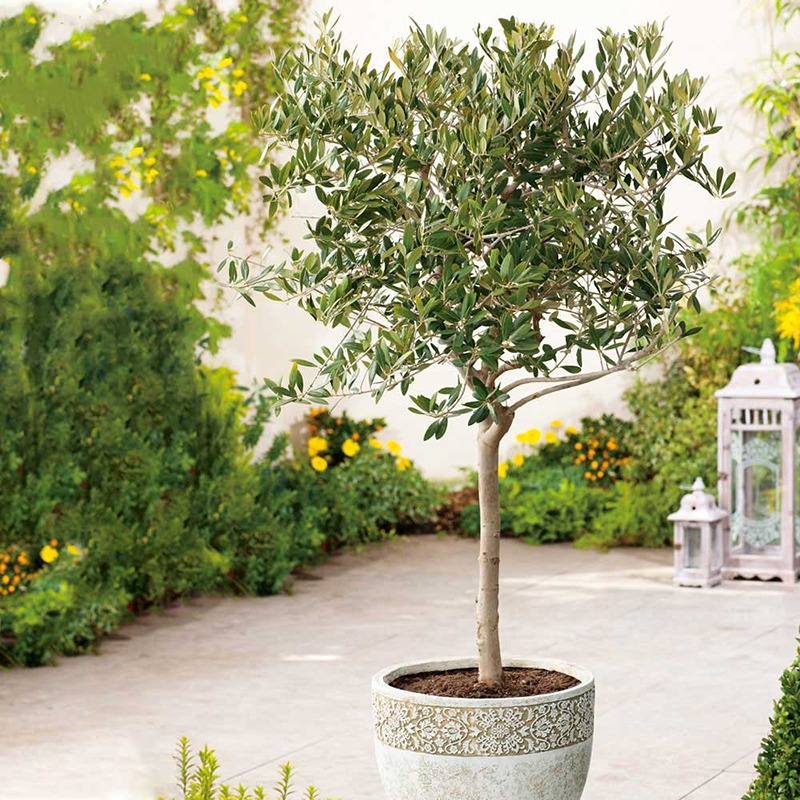
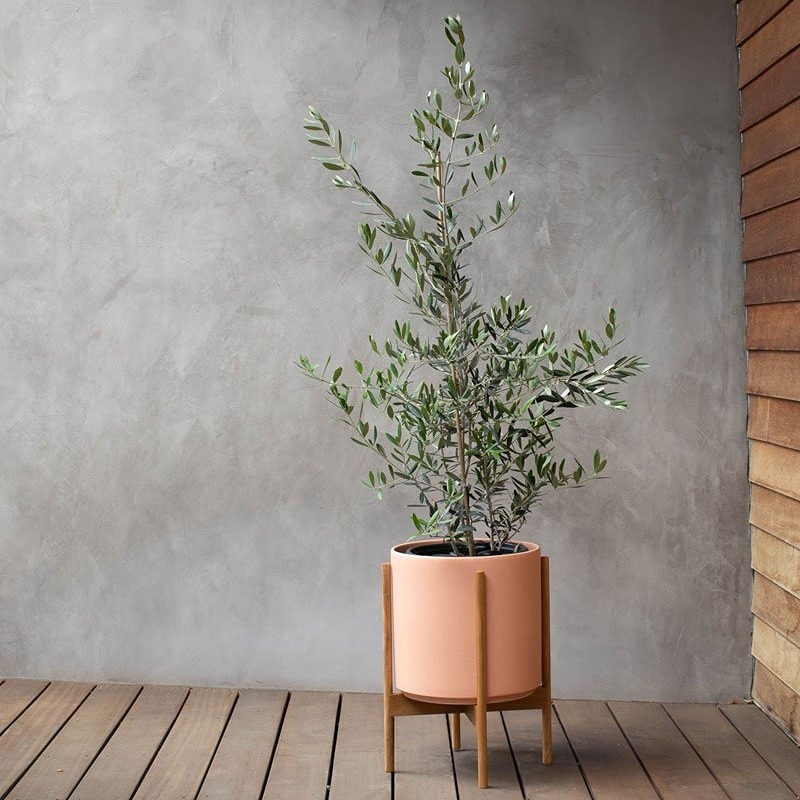
Best Selling Olive Trees In Dubai
With their small, silvery, gray-green leaves, olive trees (this specific variety is the Common Olive Tree) make beautiful outdoor & indoor plants. These Mediterranean plants need a lot of bright, direct sunlight. South and west facing windows are ideal.
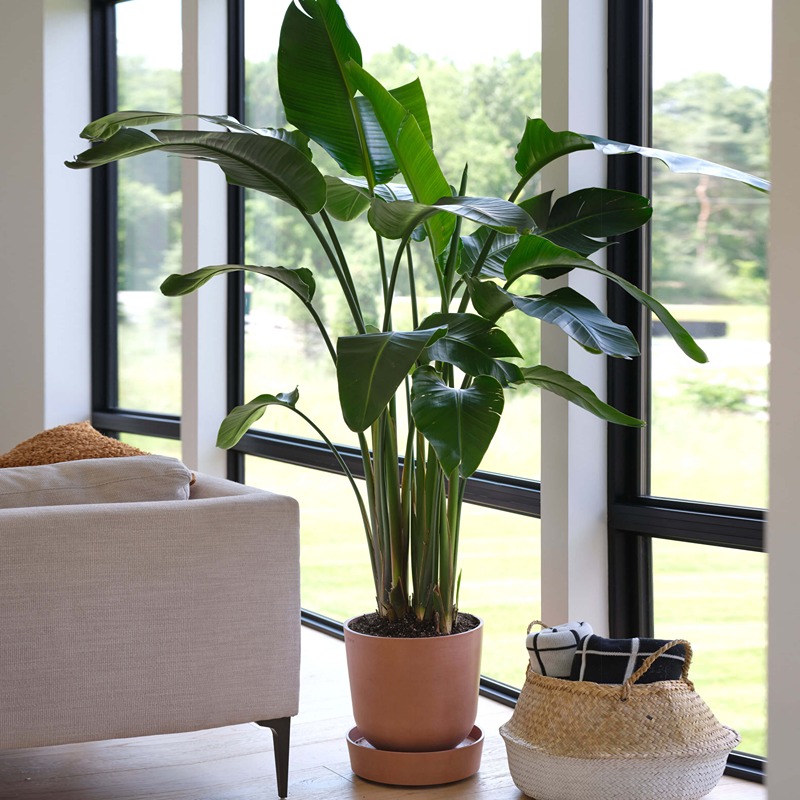
BIRD OF PARADISE
Bird of paradise plants are hard to miss, with their large leaves and beautiful, spiky, colorful blooms that resemble birds on the wing. With indirect sunlight and weekly watering, a bird of paradise can grow well as a houseplant. It makes a bold focal point, adding a tropical touch wherever you grow it. A moderate level of maintenance is required to keep your plant healthy. The Bird of Paradise is considered the queen of the indoor plant world. This large, upright plant adds a rich, tropical flair to any space as its glossy, banana-shaped leaves fan out. It is relatively hardy and adapts to a wide spectrum of light conditions from direct sun to low, indirect light, but will flourish in a sunny spot.
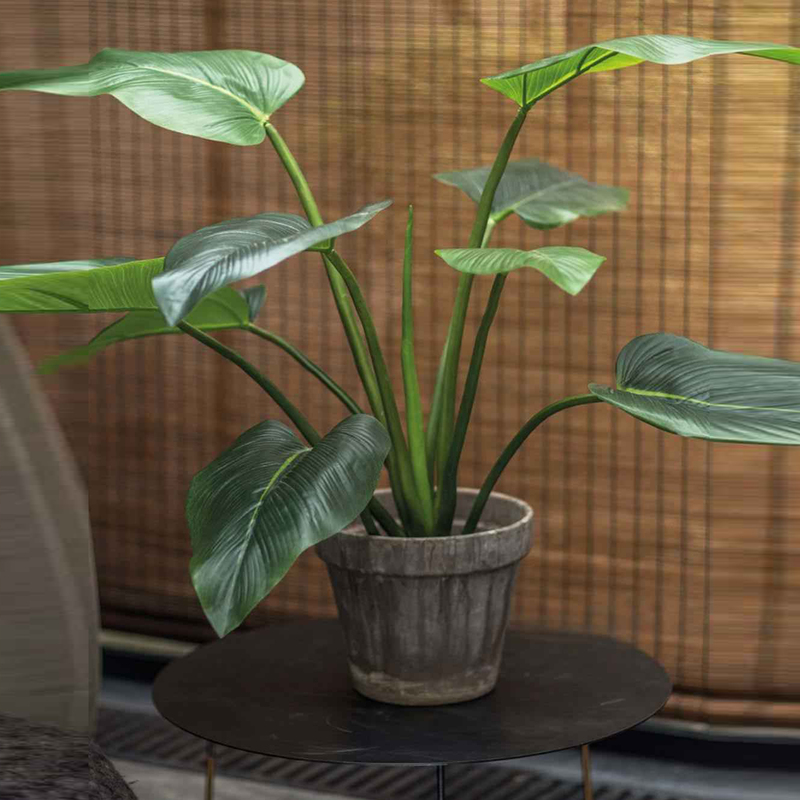
Bird of Paradise – Strelitzia Reginae
A stunning way to bring life and the feeling of nature into your interior design is to style the most realistic artificial plants in statement pots. Start with this faux Bird of paradise plant that has perfect, natural-looking green leaves. For an elevated everyday arrangement, showcase this plant in your favourite pot.This plant is handmade by experienced artisans meeting with the highest standards of quality.
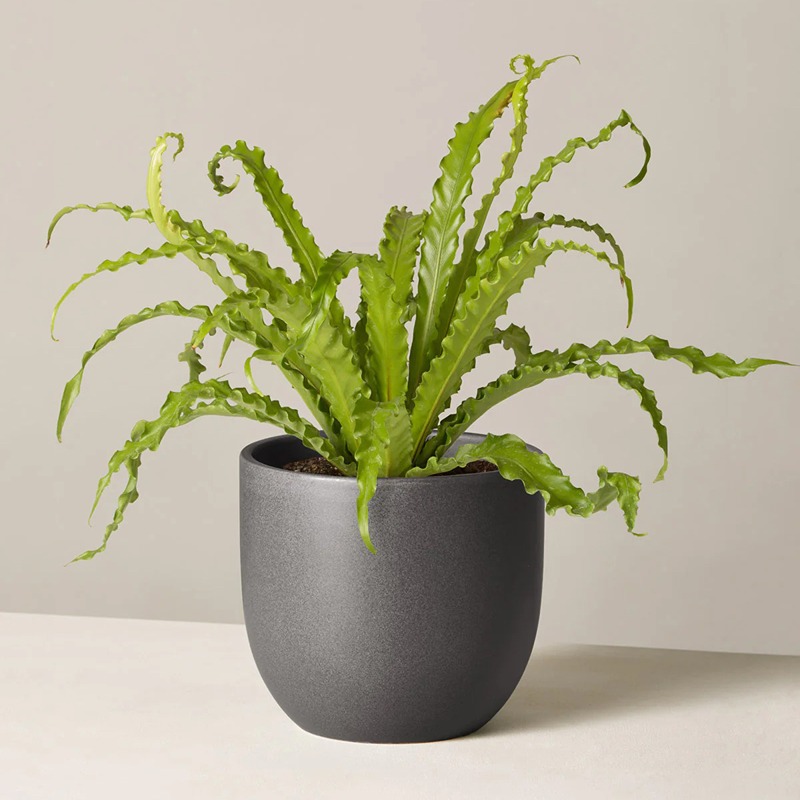
BIRD’S NEST FERN
Bird’s nest ferns (Asplenium nidus) are epiphytic ferns, meaning they grow on the surface of other plants in their rainforest habitat. These ferns have long, erect bright green fronds that grow from a central rosette. Unlike some other ferns, which grow feathery leaflets, bird’s nest ferns have smooth, lance-shaped fronds that sometimes develop gentle ripples when grown with sufficient light. Bird’s nest ferns prefer medium to bright indirect light, high humidity, and moist, well-drained soil. Because they thrive in warm, humid environments, these ferns make an excellent choice for a bathroom.
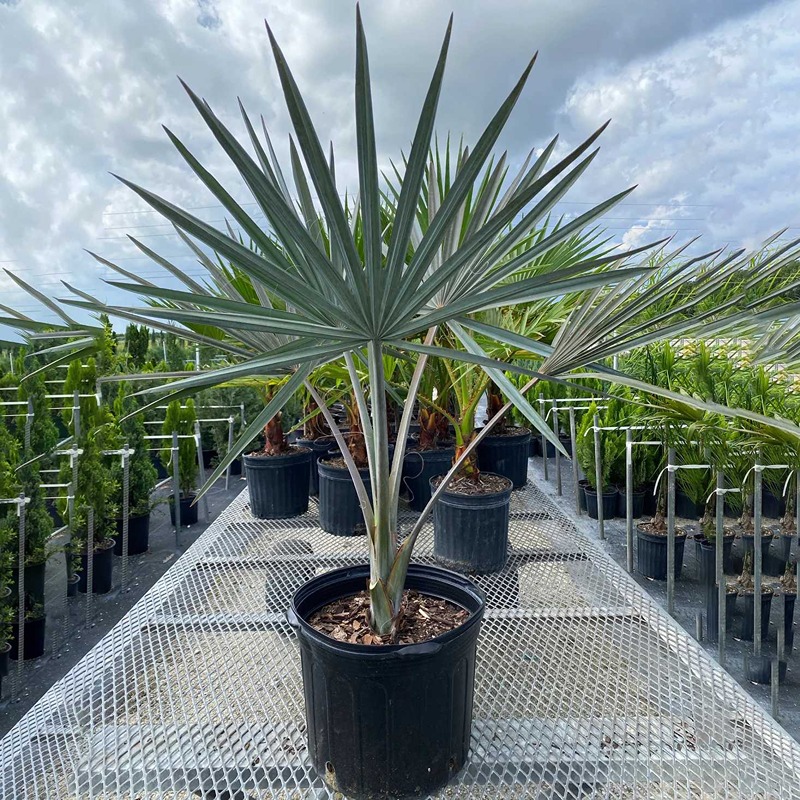
BISMARCK PALM
The Bismarck Palm, scientifically known as Bismarckia Nobilis, is a stunning and majestic palm tree that is native to Madagascar. It is a slow-growing palm that can reach a height of 30 feet and a width of 20 feet, making it a perfect choice for large landscapes and gardens. The Bismarck Palm has a single, thick trunk that is covered in a grayish-brown bark, and it is topped with a crown of large, fan-shaped leaves that can grow up to 10 feet in diameter. The leaves are a beautiful silvery-blue color, which makes them stand out in any landscape. The Bismarck Palm is a hardy plant that can tolerate a wide range of soil types and temperatures, making it an ideal choice for tropical and subtropical regions. It requires full sun exposure to thrive and should be watered regularly during the growing season. The Bismarck Palm is also resistant to most pests and diseases.
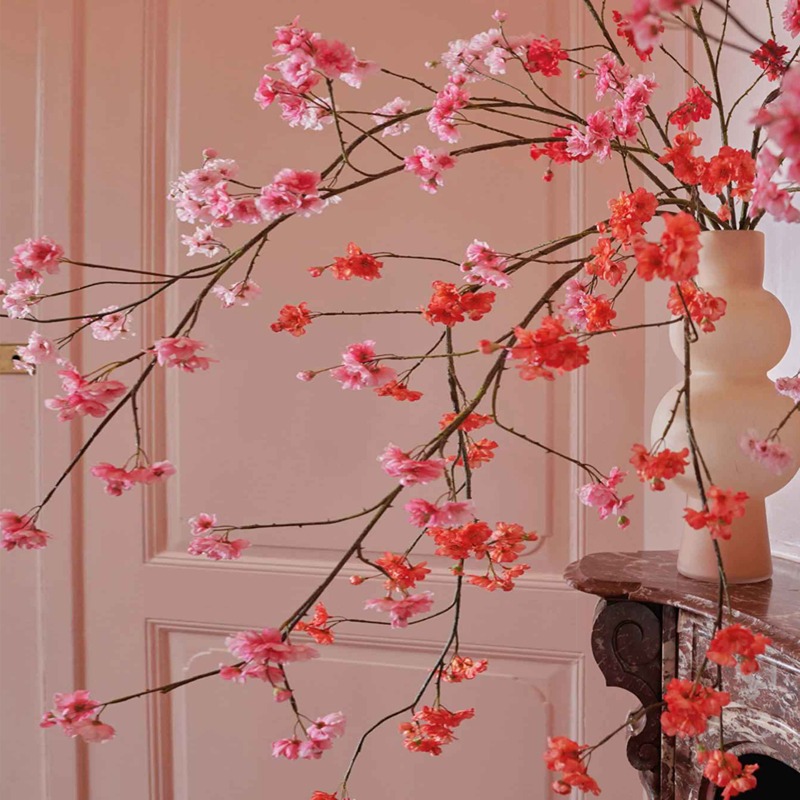
BLOSSOM
Effortless and elevated floral styling starts with stunning, artificial flower branches like this tall spring quince blossom branch. It has a highly realistic brown branch-like stem that perfectly mimics nature’s details. Showcase several of these faux blossoms in your favorite vase to create a beautiful centerpiece arrangement of permanent botanicals you can enjoy every day.
This beautiful flower is designed with silk material & is part of flower collections. This flower is handmade by experienced artisans meeting with the highest standards of quality.

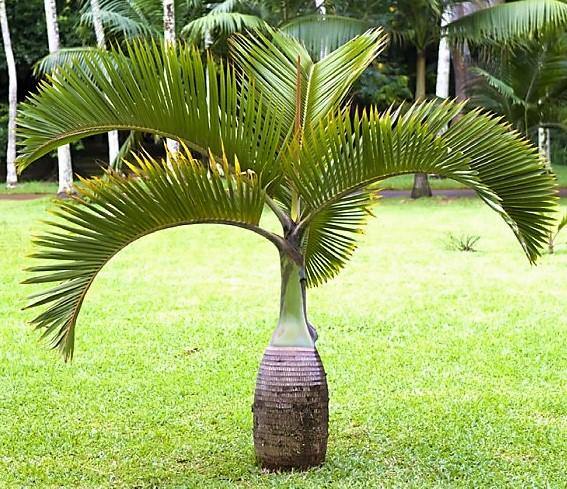
BOTTLE PALM
The Bottle Palm, Hyophorbe Lagenicaulis, is a tropical palm tree known for its unique bottle-shaped trunk. It produces bright green foliage and beautiful clusters of yellow flowers. Ideal for container planting, the Bottle Palm is a low-maintenance choice for any outdoor space.
Hyophorbe lagenicaulis is Small palm with a flask-shaped grey trunk, swollen at ground level, with vertical fissures in the bark. The narrowly ovate, pinnate leaves, 1.3-1.8m long, have many linear, mid- to deep green leaflets. In summer, bears tiny, green to cream flowers in panicles to 80cm long.
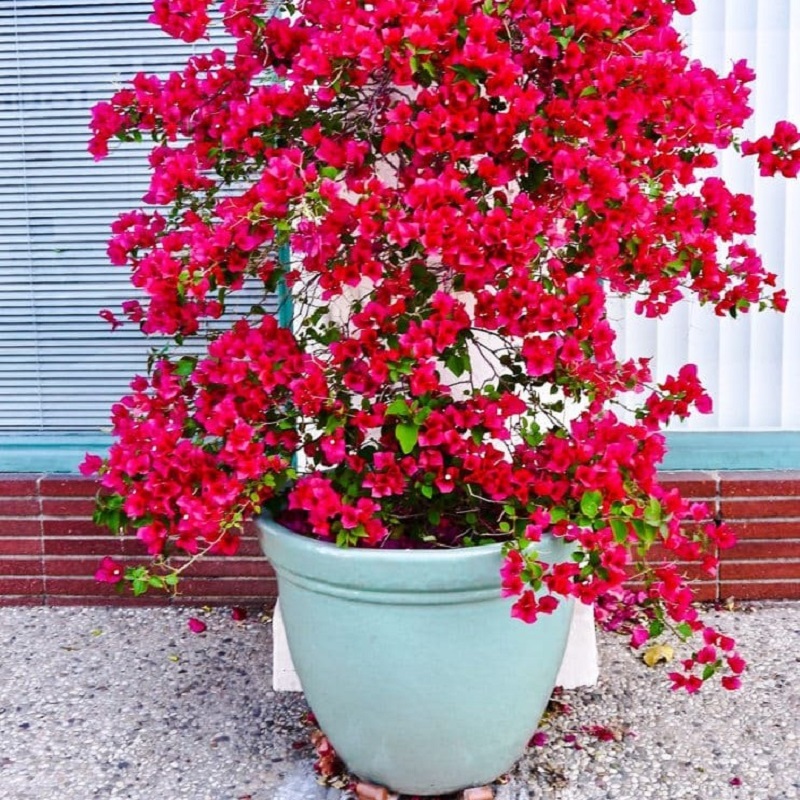
Bougainvillea
Botanically, the plants are classified as woody vines, although they often behave more like shrubs. In fact, they can easily be trained to grow as shrubs . The foliage of these tropical flowers is usually evergreen in warm climates, but their leaves will sometimes drop if watering has been insufficient. These vines can attain a height and spread of 15-40 feet and contain thorns. What appears to be the flower on bougainvillea plants is actually a foliar structure referred to as a “bract.” The flower, technically, is much smaller and not nearly as eye-catching.
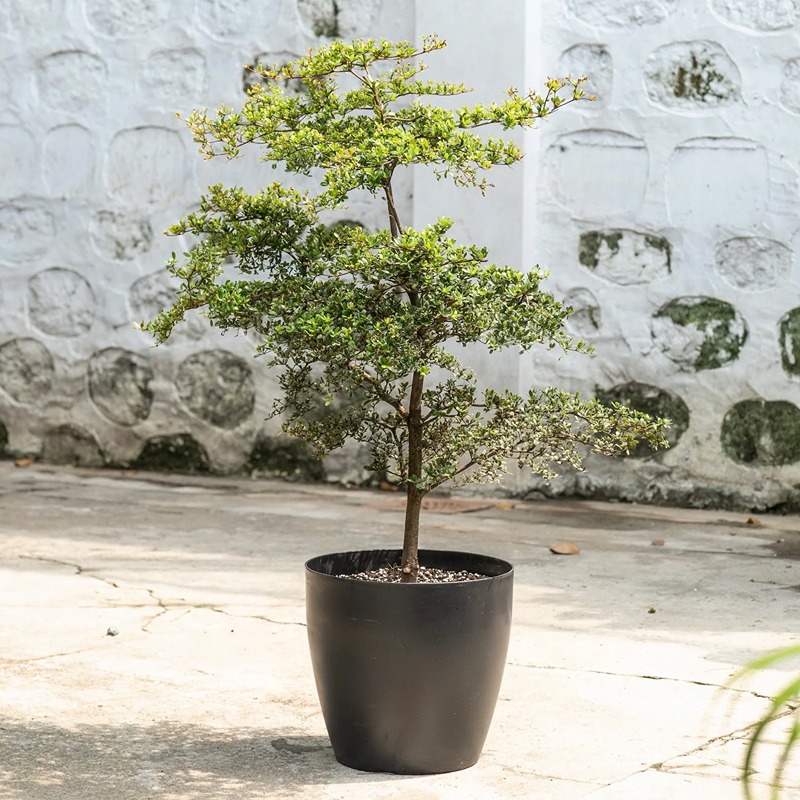
BUCIDA
Bucida buceras, Though commonly called ‘black olive tree’, this native of the upper Florida Keys is not the edible olive we know and love but does produce a small, black seed capsule. Black olive is a 40 to 50-foot-tall evergreen tree with a smooth trunk holding up strong, wind-resistant branches, forming a pyramidal shape when young but developing a very dense, full, oval to rounded crown with age. Sometimes the top of the crown will flatten with age, and the tree grows horizontally. The lush, dark bluish-green, leathery leaves are two to four inches long and clustered at branch tips, sometimes mixed with the 0.5 to 1.5-inch-long spines found along the branches.
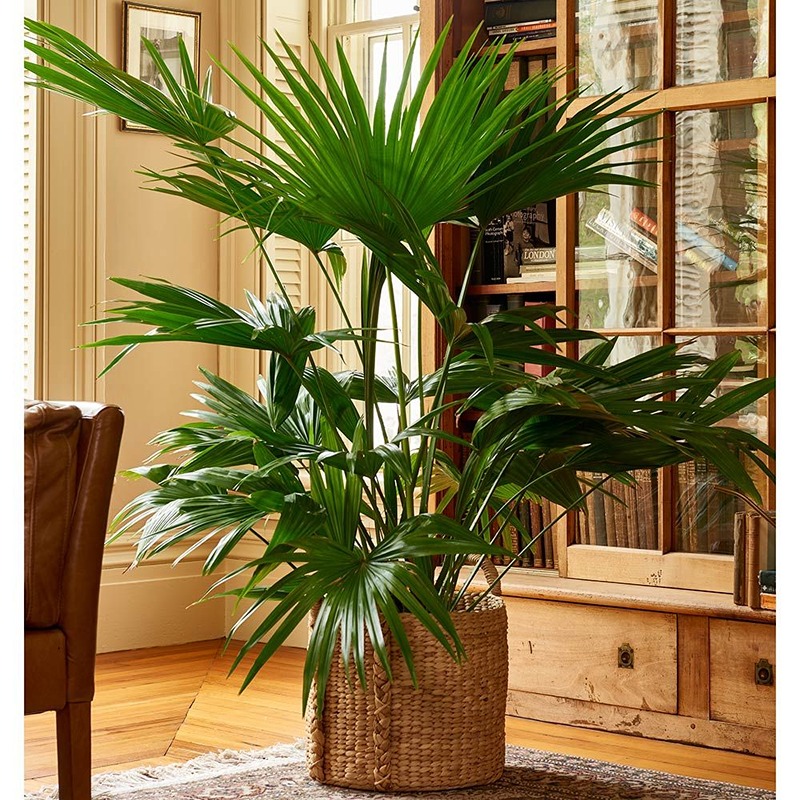
Buy Livistona Palm in Dubai in UAE
Livistona is a genus of palm trees that is widely distributed in the tropical and subtropical regions of Asia, Australia, and Africa. These palm trees are characterized by their fan-shaped leaves, slender trunks, and attractive, decorative fronds. Livistona palms are popular among gardeners and landscapers for their ornamental value, ease of care, and adaptability to a wide range of growing conditions.
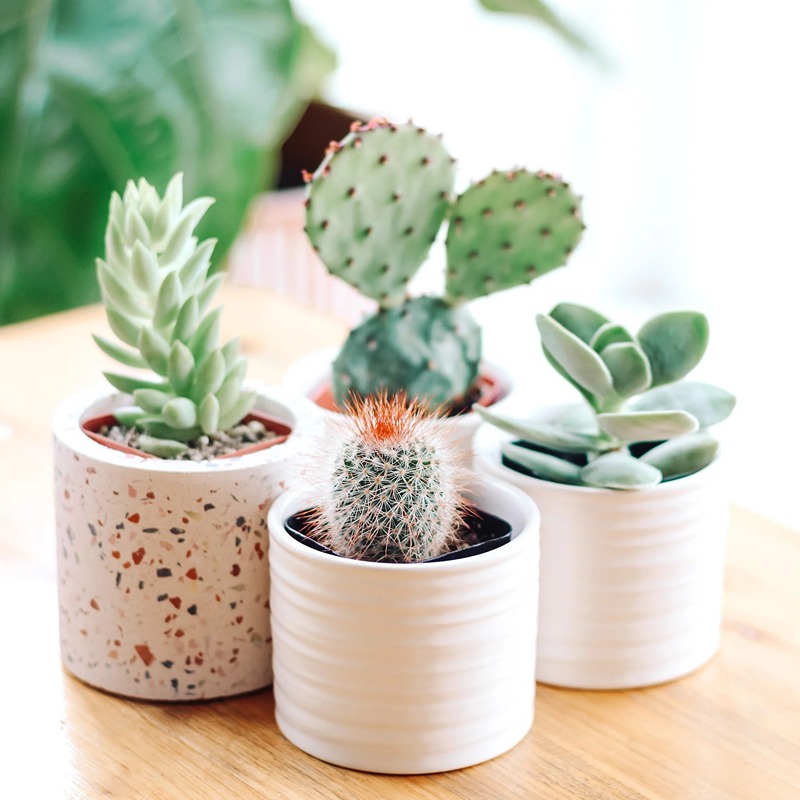
CACTUS CLUSTER
Cacti are succulent perennial plants. Cacti generally have thick herbaceous or woody chlorophyll-containing stems. Cacti can be distinguished from other succulent plants by the presence of areoles, small cushion like structures with trichomes (plant hairs) and, in almost all species, spines or barbed bristles (glochids). Areoles are modified branches, from which flowers, more branches, and leaves (when present) may grow. Varieties of Cactus plants look amazing when lined up beside bright window sills or when kept together potted on a large bowl-shaped planter. And they are easy to look after too.
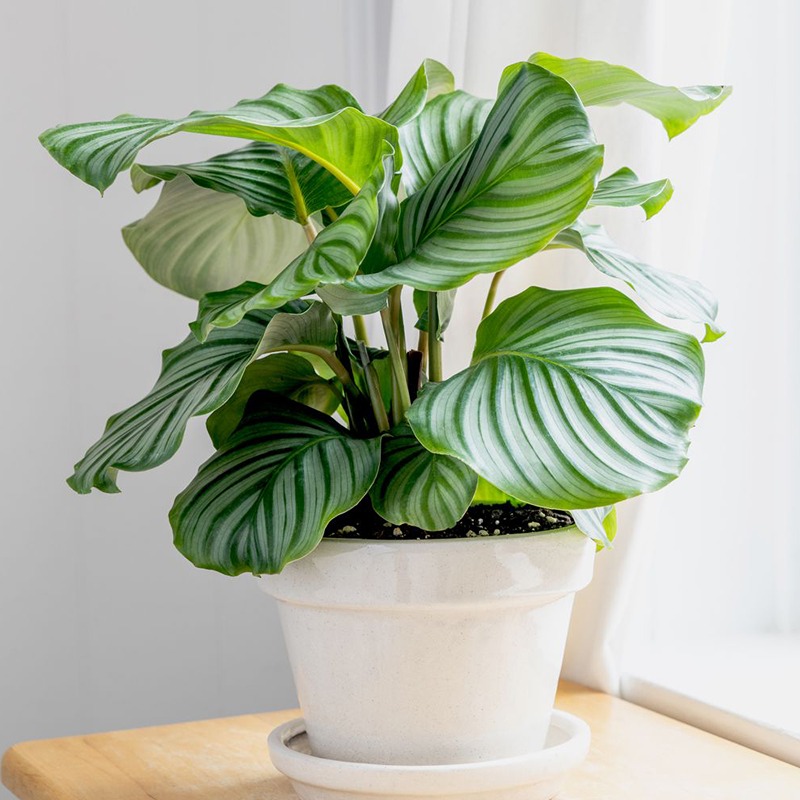
CALATHEA ORBIFOLIA
It’s not hard to see why so many houseplant enthusiasts covet calathea species. These striking tropical beauties have distinct stripes and veining on their oblong foliage. However, they’re not always the best choice for plant lovers as they’re particular when it comes to the care and conditions they require (frequent watering and high humidity). The round-leaved calathea (Calathea orbifolia ) is no exception. The silver-green stripes on its luxuriant, large leaves make it a bold statement plant, but it’s somewhat fussy and definitely doesn’t fall into the low-maintenance category.
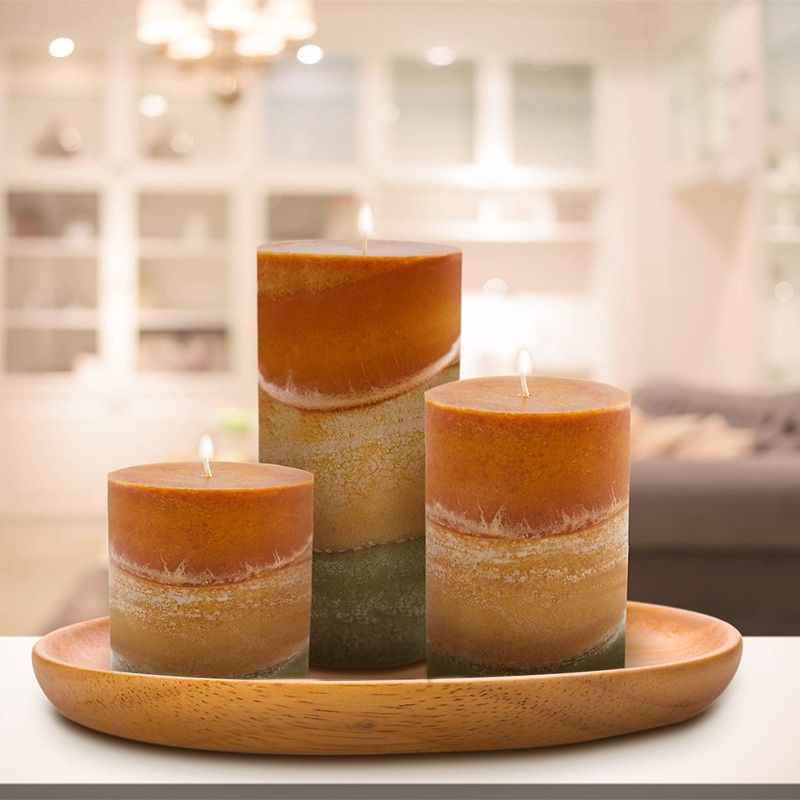
CANDLE
Adorn your home interior with our collection of Delicate and elegant candle pieces, made of high-quality materials & designed to imbue elegance to your home and make it looks more attractive.
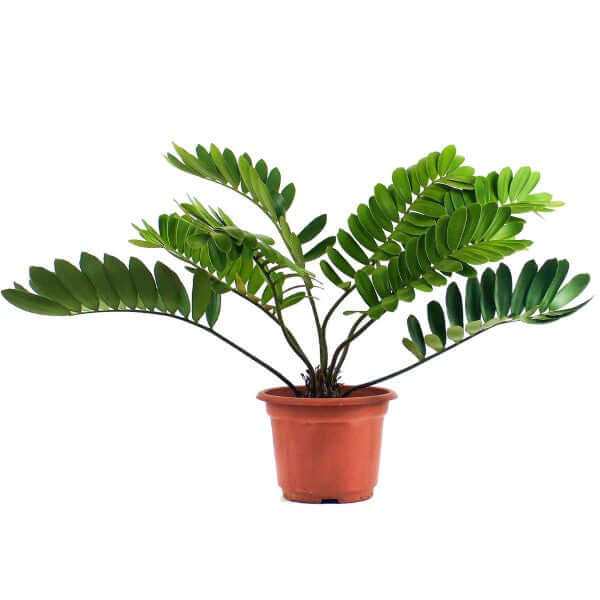
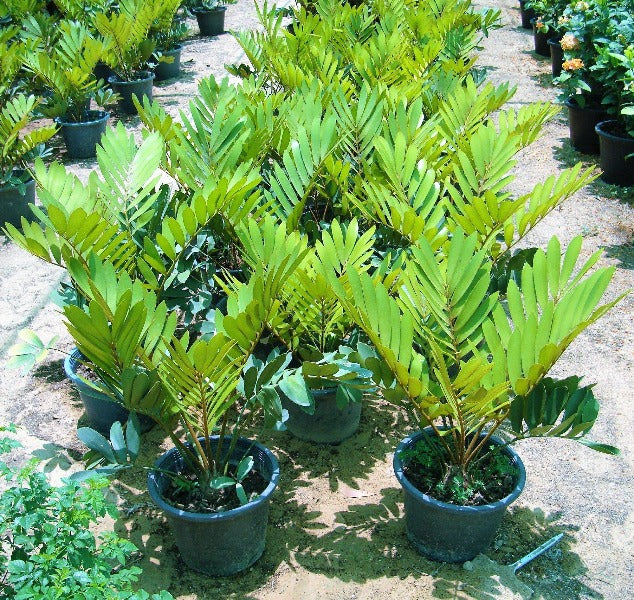
Cardboard Palm – Zamia furfuracea
A very robust landscaping plant which will grow in full sun to part shade. The leaves are long and tend to remain horizontal (especially if grown in shade) with rounded leaflets which are particularly stiff and thick with a furry texture.
Zamia furfuracea is also known as Cardboard palm. Is a small cycad with a partly underground, simple or rarely branched, cylindrical trunk. Bears terminal whorls of semi-erect to spreading, pinnate leaves, to 1m long, each with up to 24 oblong or inversely lance-shaped to obovate, stiff, pale green leaflets, later olive-green, with red-brown hairs. Produces felted, red-brown female flower cones, 10-13cm long, usually in summer.
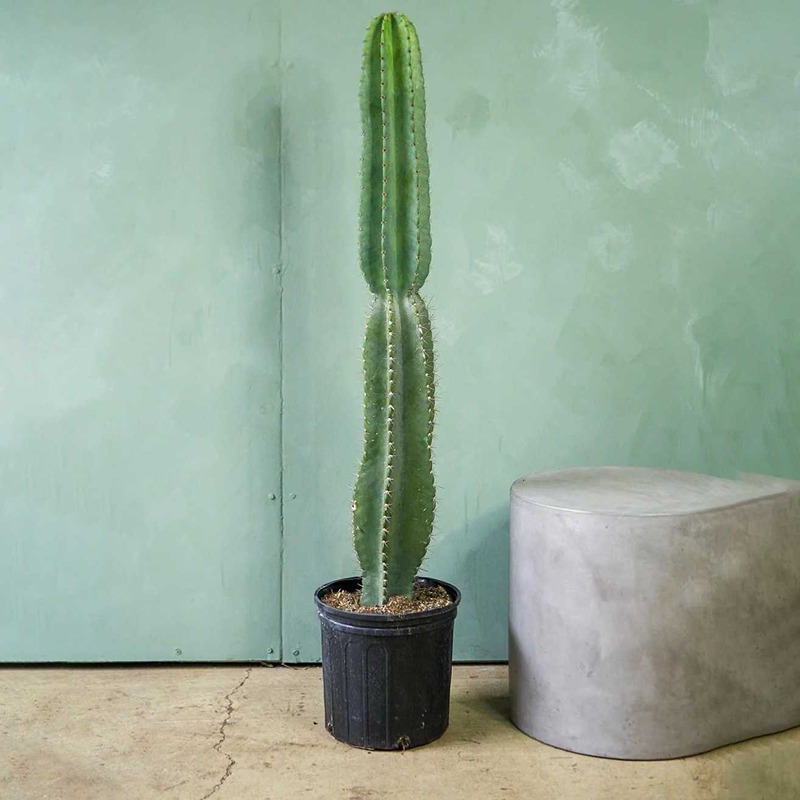
CEREUS PERUVIANUS
Cereus Peruvianus, the Peruvian cactus, is a large, erect, thorny columnar cactus found in South America. It is also known as giant club cactus, hedge cactus, cadushi, and kayush. Cereus repandus is grown mostly as an ornamental plant. The Peruvian apple cactus thrives on bright light and sunlight, although direct sun when blazing hot is best avoided, when first introduced to direct sun. It’s advisable to water this plant more often within the summer and much less, winter time. Like other desert-type cacti, their natural habitat is dry and they store water within the stems. Water this plant when the soil begins drying out, throughout spring and late summer. In late summer reduce watering until the next spring and allow the soil to be fairly dry.
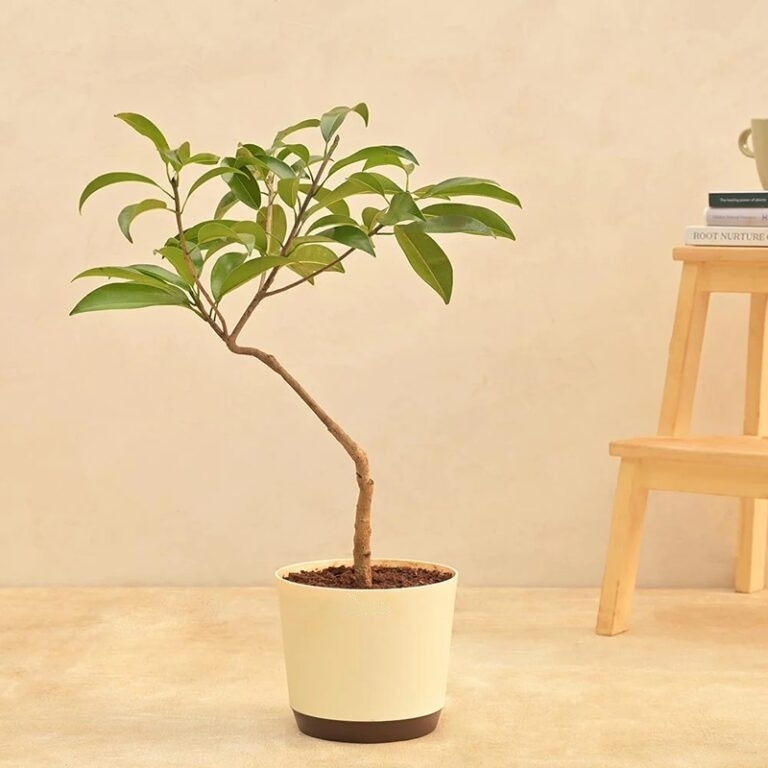
CHIKOO – SAPODILLA
Manilkara Zapota commonly known as Chikoo trees are long-living evergreen trees. These are cultivated for their edible sweet fruits. With its native origin to Central America, Mexico & West Indies, but find its a wide distribution throughout Southeast Asian countries. Chikoo trees have a tendency to grow about 5 – 20 m tall when cultivated in your home garden. This tree consists of glossy medium green leaves, which are alternate, and elliptic to ovate with an entire margin. Manilkara Zapota also blooms inconspicuously with white flowers, that are bell-like, with a six-lobed corolla. The fruit that it bears is somewhat like a large berry (4 – 8 cm in diameter) with its color turning from a pale yellow to an earthy brown as it gets ripened. With their attractive appearance and easy-to-care conditions, these trees are excellent for ground cover or other relevant ornamental purposes.
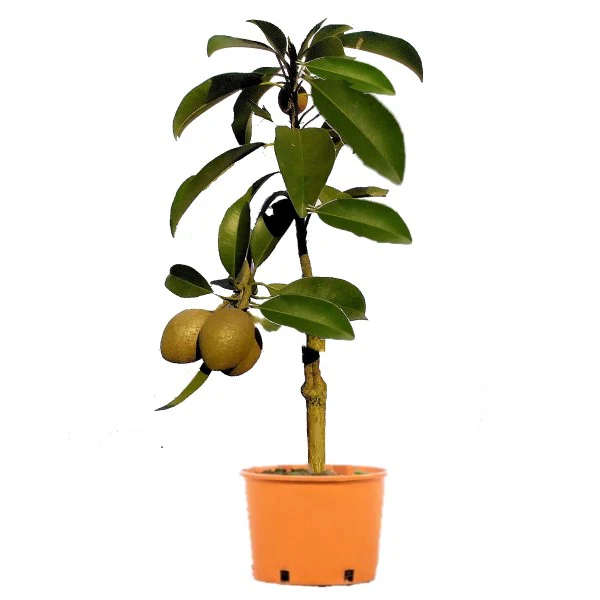
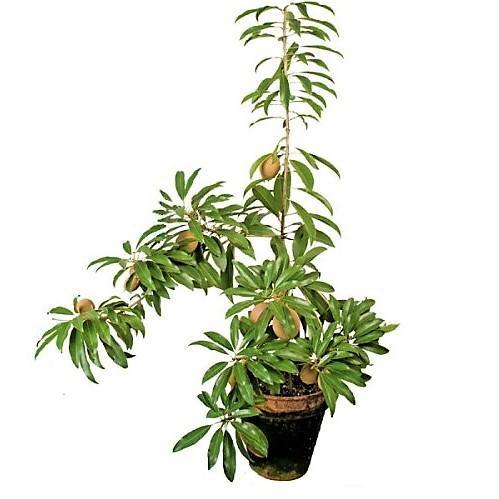
Chiku
Manilkara zapota Or Chicko Tree a superb shade, street (where falling fruit will not be a problem), or fruit tree, Sopadilla reaches a height of 45 feet with a 40-foot spread. The smooth, dark, and glossy, six-inch-long evergreen leaves are clustered at the tips of twigs and the small, cream-colored solitary flowers appear in the leaf axils throughout the year. The four-inch-wide, scurfy brown fruits have a juicy, sweet, yellow-brown flesh and ripen to softness in spring and summer. The flower-to-fruit period is about ten months. The bark and branches, when injured, bleed a white latex which is the source of chicle, the original base for chewing gum. The trunk on older specimens is flaky and quite attractive, and flares at the base into numerous surface roots.
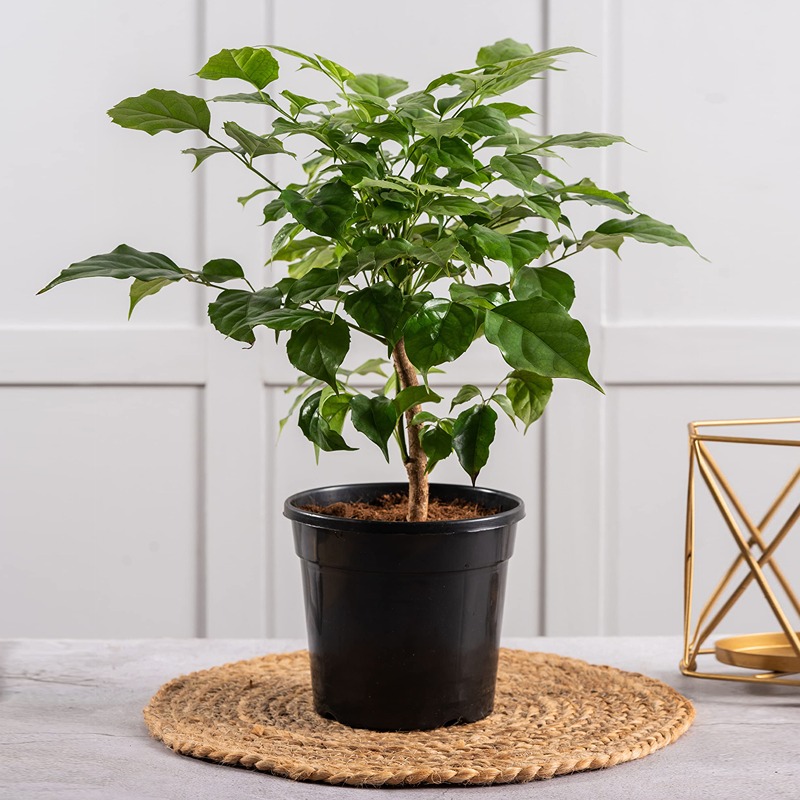
CHINA DOLL
China doll plants are broadleaf evergreens that have a moderately fast growth rate indoors. These plants have small, glossy green leaves and an upward growth habit that can reach 4 to 6 feet tall at maturity. China doll plants do best when grown in full sun or bright, indirect light along with moist, well-drained soil. Native to the subtropical mountainous regions of Asia, China doll plants have a feathery, eye-catching appearance that can bring a pop of greenery to any corner of the home when grown indoors.
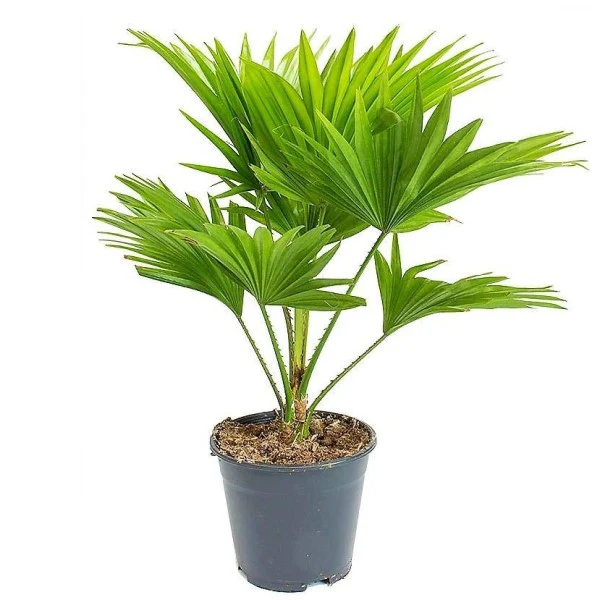
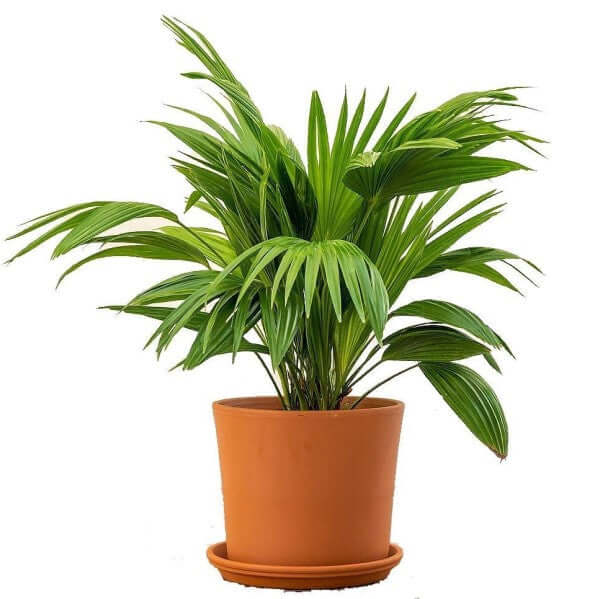
CHINESE FAN PALM (LIVISTONA CHINENSIS)
Livistona Chinensis or the Chinese fan palm or fountain palm is a species of the subtropical palm tree of east Asia. It is native to southern Japan, Taiwan, the Ryukyu Islands, southeastern China, and Hainan.
Livistona chinensis, Chinese Fan Palm or Fountain Palm is medium-sized palm with an erect, robust trunk swollen at the base, the upper part covered with fibrous leaf bases, at least at first. Glossy, rich green leaves, to 2m long, with shorter, spiny leaf-stalks, are divided for up to two-thirds of their leangth into many linear, pendent segments. Cream flowers are borne in panicles to 1m or more long, usually in summer, followed by ovoid to spherical, glossy, blue-green to grey-pink fruit, 2-2.5cm across.
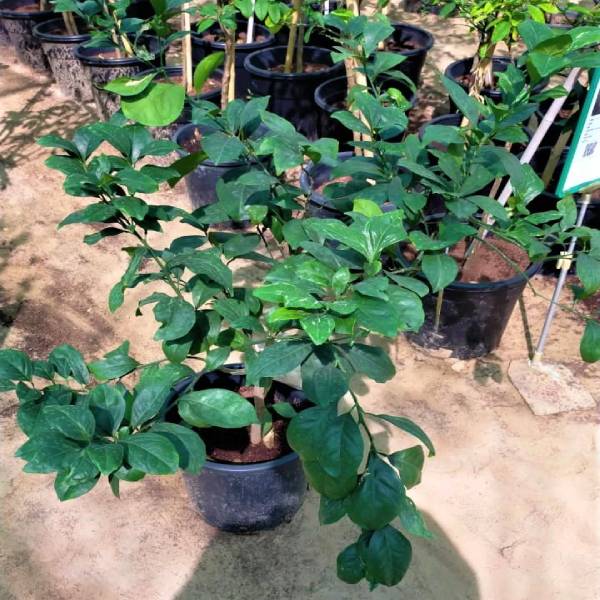
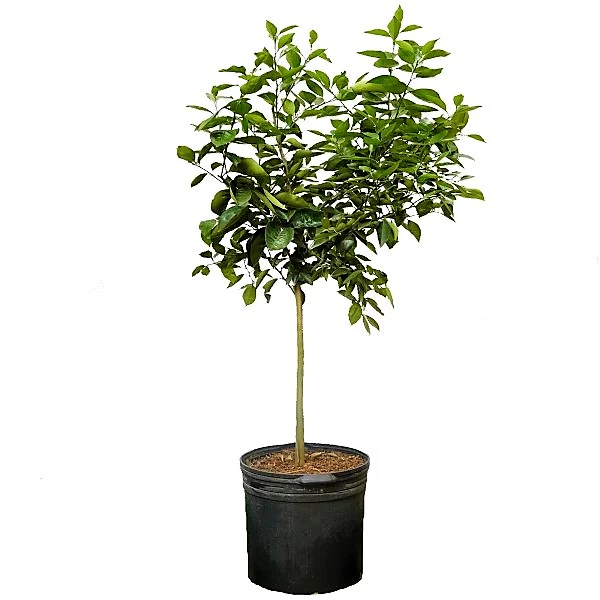
Citrus Orange or Orange Tree
Citrus orange or Orange Tree is large, rounded, bushy shrub or small tree with oval to elliptic, dark green leaves, 5-15cm long. In spring, bears fragrant white flowers, 4cm across, singly or in racemes. Sweet orange fruit, 6-10cm long, each with a secondary, embryonic fruit embedded at the apex, are borne in winter.
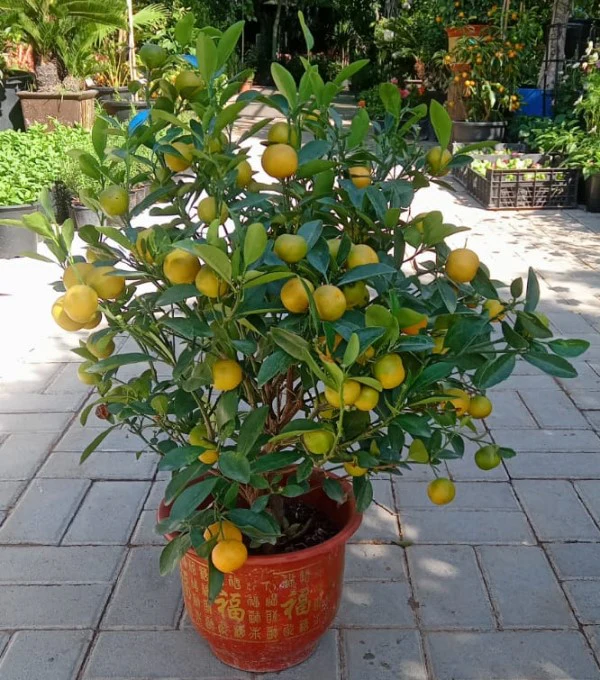
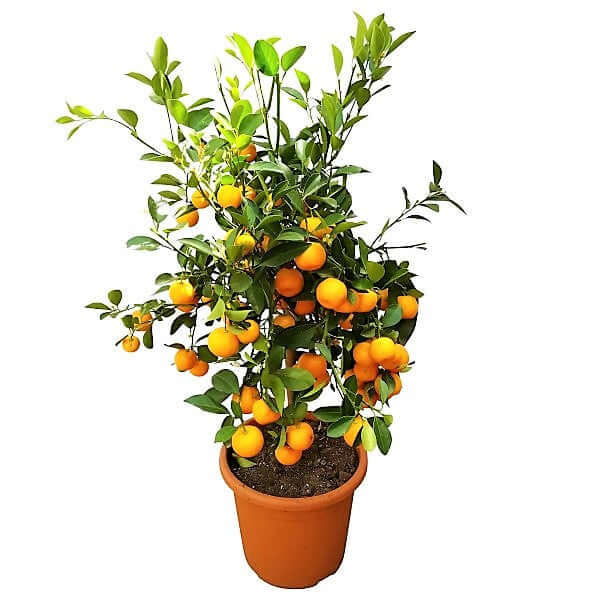
CLAMANSI CITRUS
Citrus Microcarpa, also known as Calamansi Citrus, is a unique citrus fruit high in antioxidants and vitamin C. It is a great source of nutrients with a distinctive sweet flavor, making it a popular choice for culinary uses.
Orange fruit is an important agricultural product, used for both the juicy fruit pulp and the aromatic peel. Orange blossoms are used in several different ways, as are the leaves and wood of the tree. Calamansi citrus microcarpa fruits are sour and are often used for preserves or cooking. The calamansi bears a small citrus fruit that is used to flavor foods and drinks. Despite its outer appearance and its aroma, the taste of the fruit itself is quite sour, although the peel is sweet. Calamansi marmalade can be made in the same way as orange marmalade. Like other citrus fruits, the calamansi is high in vitamin C.
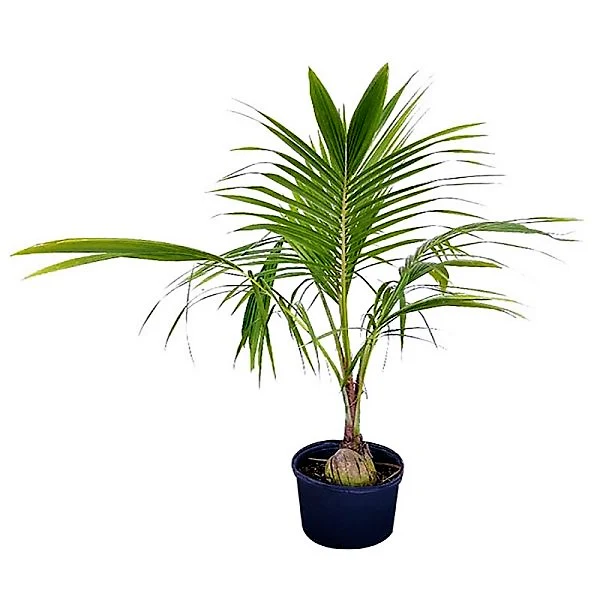

COCONUT PALM
Cocos nucifera or coconut palm is a large palm with a swollen, tapered base, an often-leaning grey trunk, and pinnate, bright green leaves, 4-6m long, with many linear leaflets. Small, bowl-shaped, fragrant, cream to yellow flowers are borne at intervals throughout the year, followed by ovoid fruit, each with a green to ochre-yellow or orange-red exterior covering a fibrous brown husk. Height 20-30cm, Spread 12m. Native of Coastal tropical region.
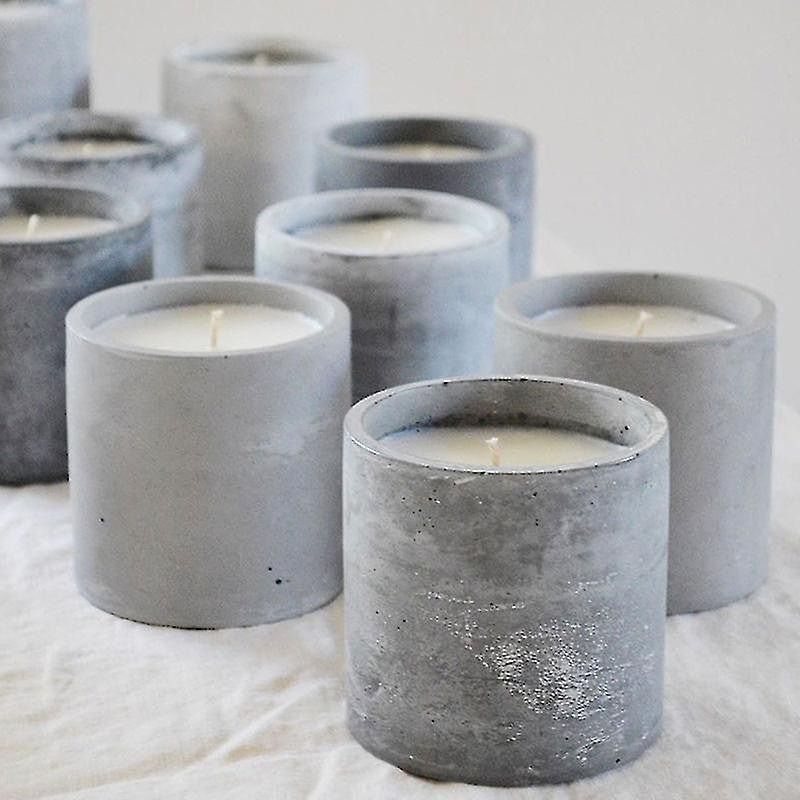
CONCRETE CANDLE
Hand-poured, this 3.5 inch (M) Orbis Candle serves as an illuminating presence—inspiring meditative calm with its fusing of raw, minimalist design and soft, flaming light. Each summoning a different mood through an articulated blending of essential oils, binding together top notes to create a Bright Citrus scent.
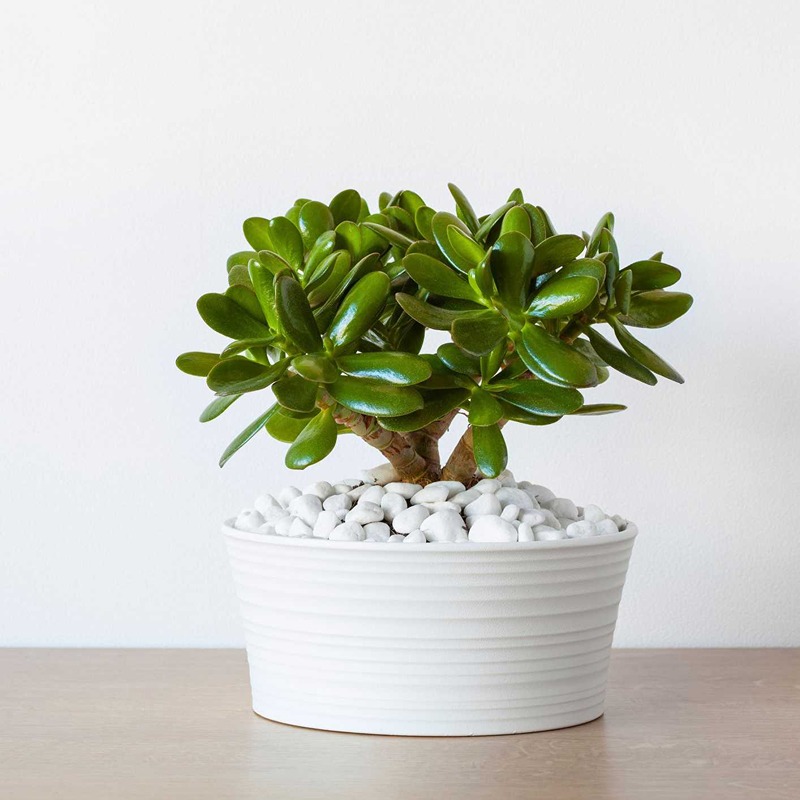
CRASSULA OVATA – JADE PLANT
The jade plant is a popular succulent houseplant with simple indoor/outdoor care requirements and a very long lifespan of up to 70 years with the proper care. This plant is slow-growing—gaining only about two inches of height per year, but it can reach a total height between three and six feet. Jade plants feature thick, woody stems topped by green, fleshy leaves with an oval shape. Plant in loose, well-draining soil. A succulent potting mix is the best option.
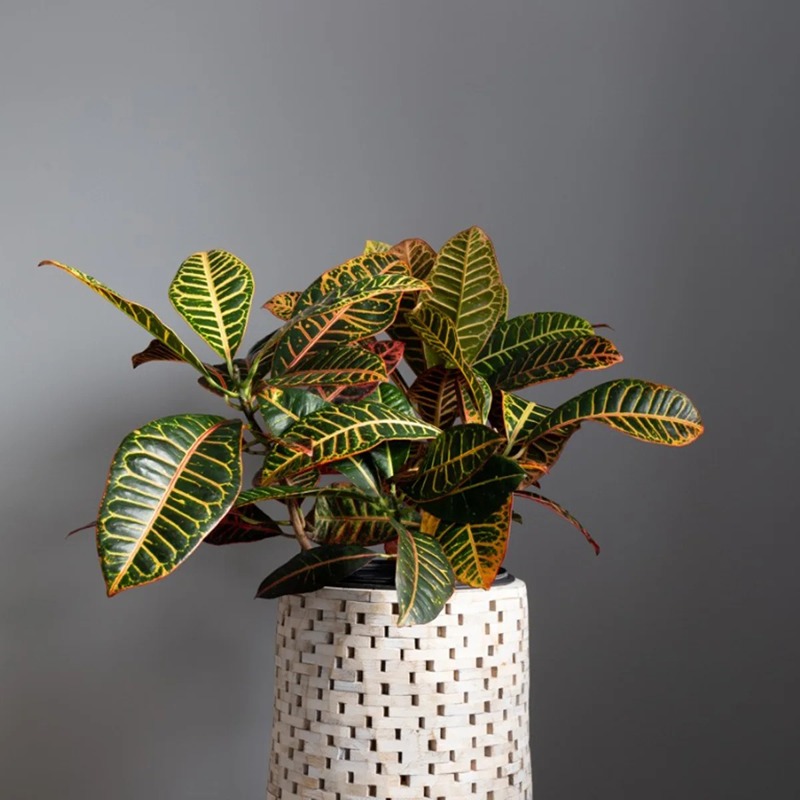
CROTON PLANT
The croton plant (Codiaeum variegatum) has colorful variegated foliage and nearly limitless leaf forms with hundreds of croton plant varieties. Croton plants grow best outdoors in warm, humid climates. They like full to dappled light and plentiful water. Growing croton plants indoors can be a challenge to mimic their ideal conditions. Outdoor croton plants can reach around 8 feet tall, but as pot-grown houseplants they tend to be much smaller, making Croton a good indoor plant in that regard. In general, Codiaeum variegatum grows relatively slowly, gaining less than a foot per growing season.
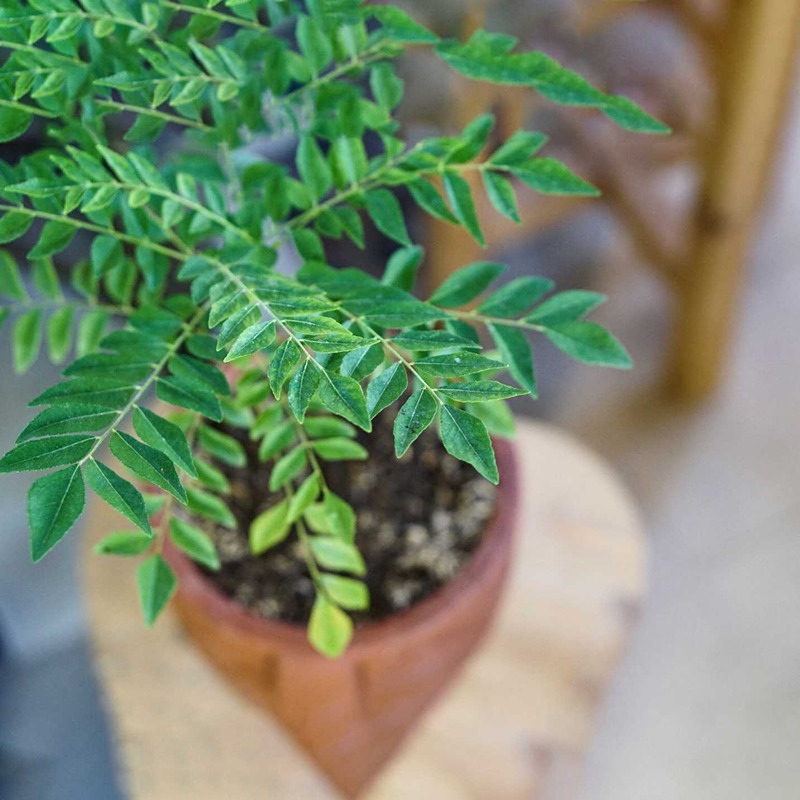
CURRY LEAVES PLANT
Native to India, the fast-growing curry tree is a small evergreen bush or tree that can reach anywhere from six to 20 feet tall. The most widely known part of the curry tree is its aromatic, spicy foliage, comprised of many leaflets. The leaves are pinnate and form alternately on the stem. They are best harvested when fresh. The tree produces fragrant white flowers, which develop into small, black fruits similar to berries. Unlike the leaves, they are not suitable for consumption. The curry tree is best planted in the spring.
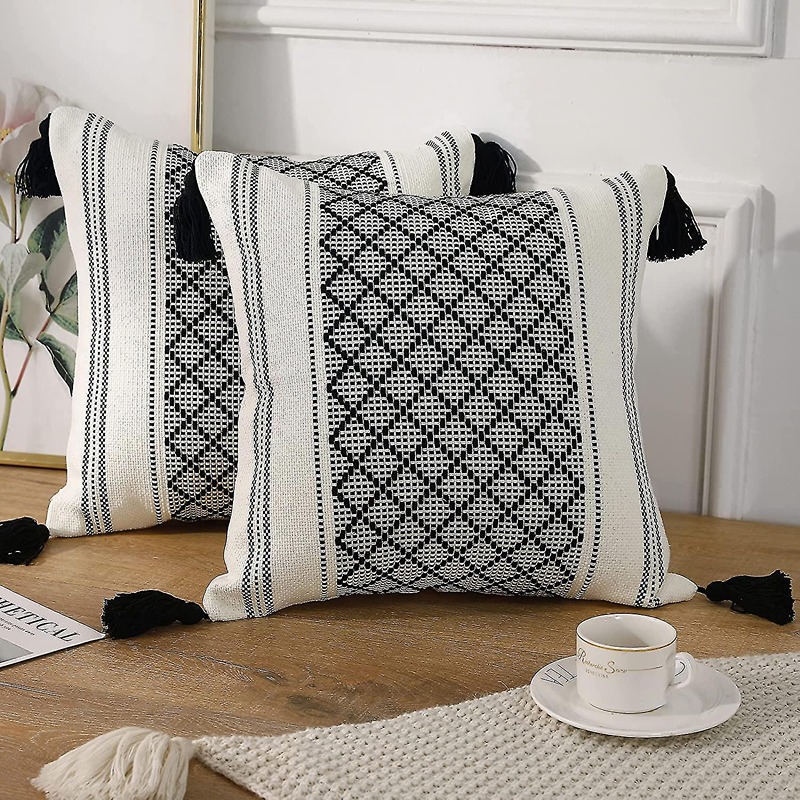
CUSHION
Designed in elegant tones with a contemporary design, this lovely square cushion will add charm to your home. Crafted from cotton with a textured finish, this durable pick is easy to maintain and needs to be spot cleaned.
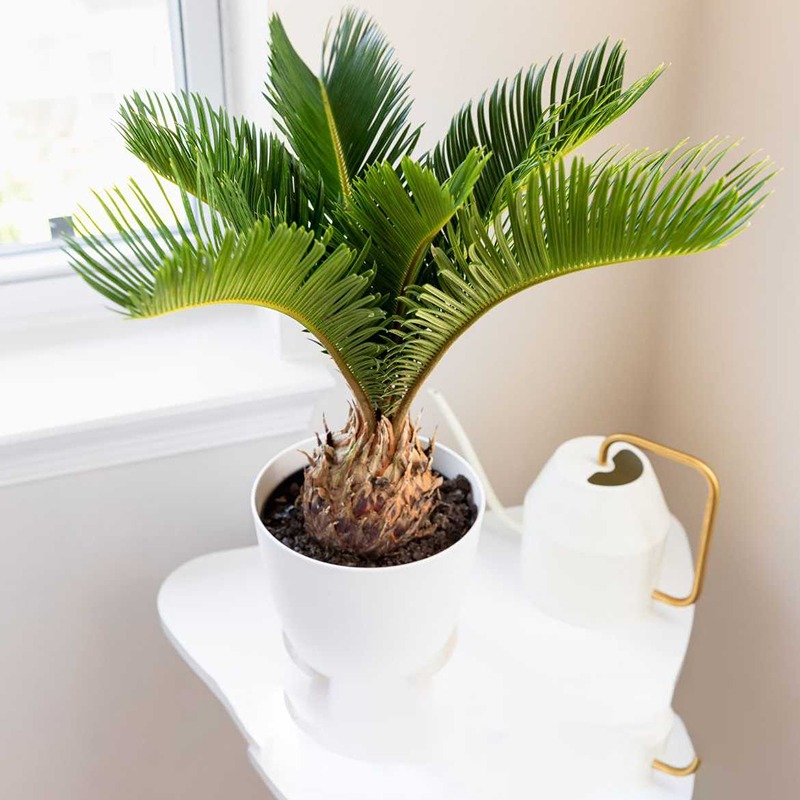
CYCAS PALM – SAGO PALM
Despite its common name, sago palm (Cycas revoluta) isn’t technically a true palm tree though it may have the appearance of other types of palm. Sago palm grows best in warm, humid conditions, and requires four to six hours daily of dappled sunlight, acidic soil, and consistent temperatures between 18 and 23 degrees Celsius. These fairly low-growing plants with long green fronds are cycads, a group of ancient tropical and subtropical plants that usually grow from a trunk that doesn’t branch out; it produces nuts but doesn’t flower or fruit. Sago palms are native to warm parts of Japan and southern China.
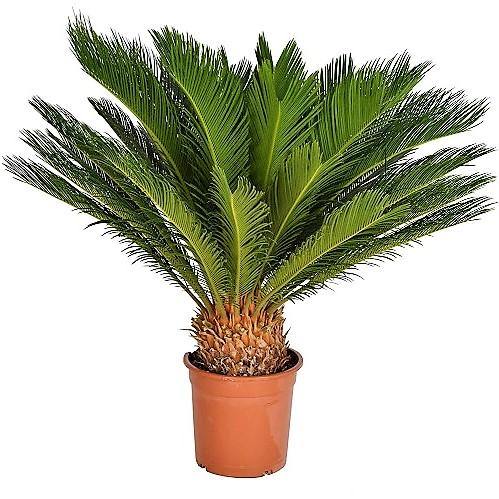
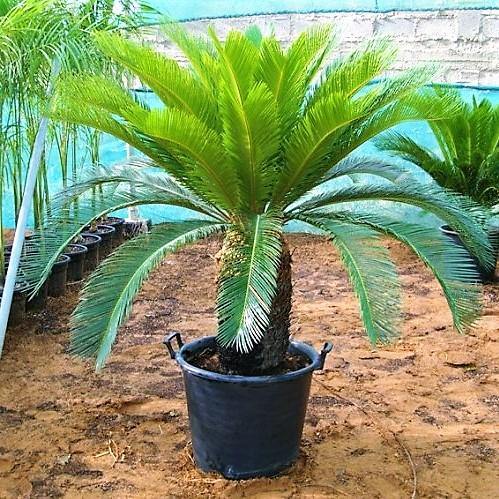
CYCAS REVOLUTA (SAGO PALM)
Cycas revoluta Cycad is robust-stemmed cycad, erect at first but gradually relining with age, and suckering and branching when mature. Arching leaves, 0.75-1.5m long, are pinnate, with up to 125 sickle-shaped, glossy, dark green leaflets. Ovoid, woolly, golden brown inflorescences are produced on mature plants but seldom on those grown in containers. The male inflorescences, to 40cm long, are pineapple-scented; females, 20cm long, produce ovoid yellow fruit, 3-4cm long. Height 1-2m or more, Spread1-2m or more. Native of Japan.
Cycad, Cycas revoluta, Japanese Cycad, Japanese Fern Palm, Japanses Sago Palm, Outdoor Plants, Sago Cycad, Sago palm, Shrubs
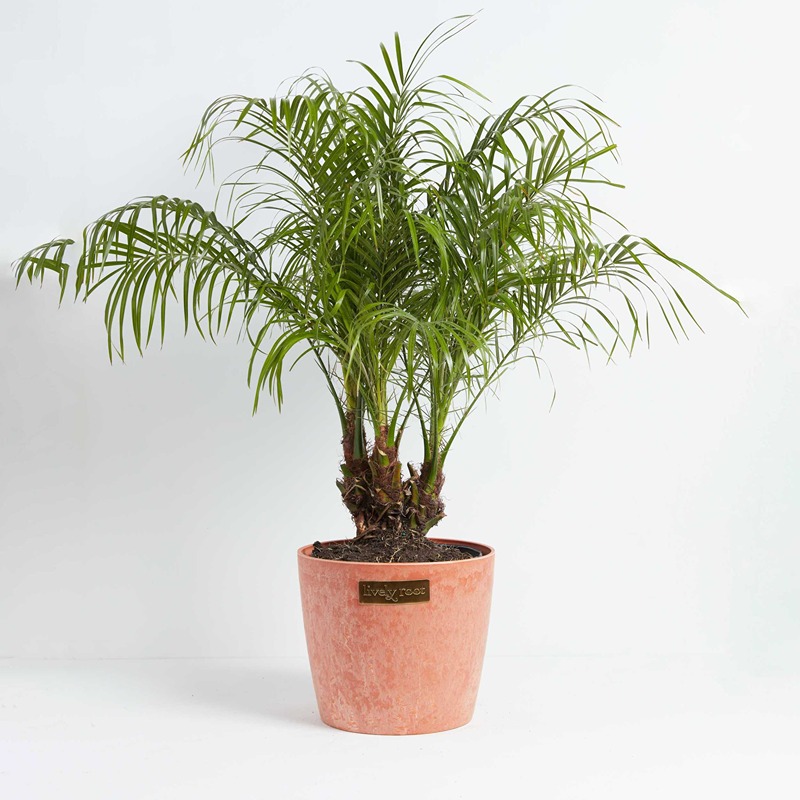
DATE PALM
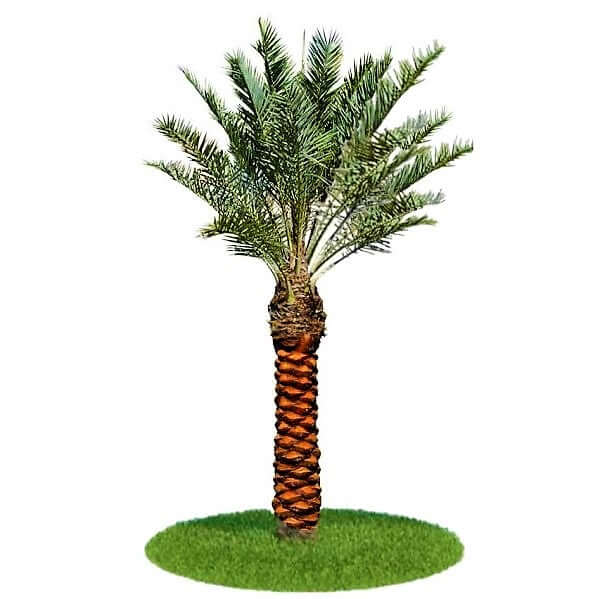
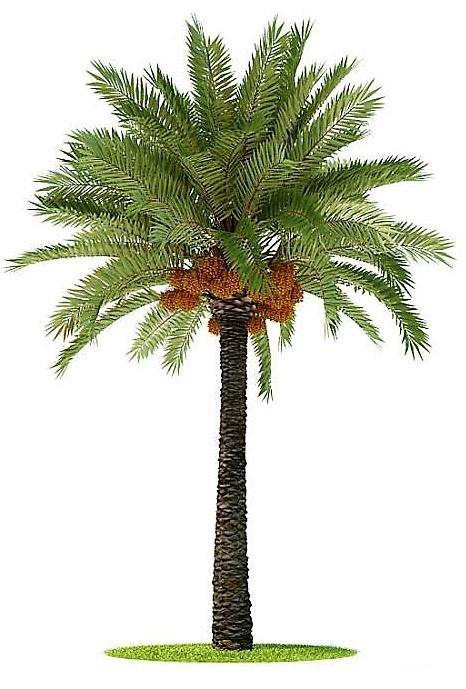
The date palm (Phoenix dactylifera) has a commanding presence. Its arching, gray-green, waxy fronds can reach more than 10 feet long, forming a stately crown at the top of the tree. Panicles of pale yellow flowers generally appear in the spring. And they give way to the edible oblong fruits (the dates) that begin as green and then typically turn brown as they ripen. The palm is slow-growing, gaining a few feet per year on average. It can be planted in the spring or fall.
Date Palm Tree – Phoenix Dactylifera
The Date Palm, Phoenix Dactylifera, is a tree native to the Middle East, North Africa, and Pakistan. Its fruits are great sources of vitamins and minerals, especially vitamin C, potassium, and magnesium. Enjoy its great taste and health benefits in a variety of dishes.
Phoenix dactylifera or Date palm ? is tall, sometimes suckering palm producing a columnar trunk usually clad with old leaf bases, at least towards the top. Leaves, 4-6m long, are composed of many linear, greyish green leaflets, the lowest ones reduced to spines, arranged in various planes giving a 3-dimensional effect. Bowl-shaped cream flowers appear in long-stalked panicles, 1.5-2m long, in spring or summer. Ellipsoid to cylindrical, edible, sweet, fleshy, yellow to reddish brown fruit, 2.5-7cm long, are very variable both in texture and flavor.
Decorative Baskets
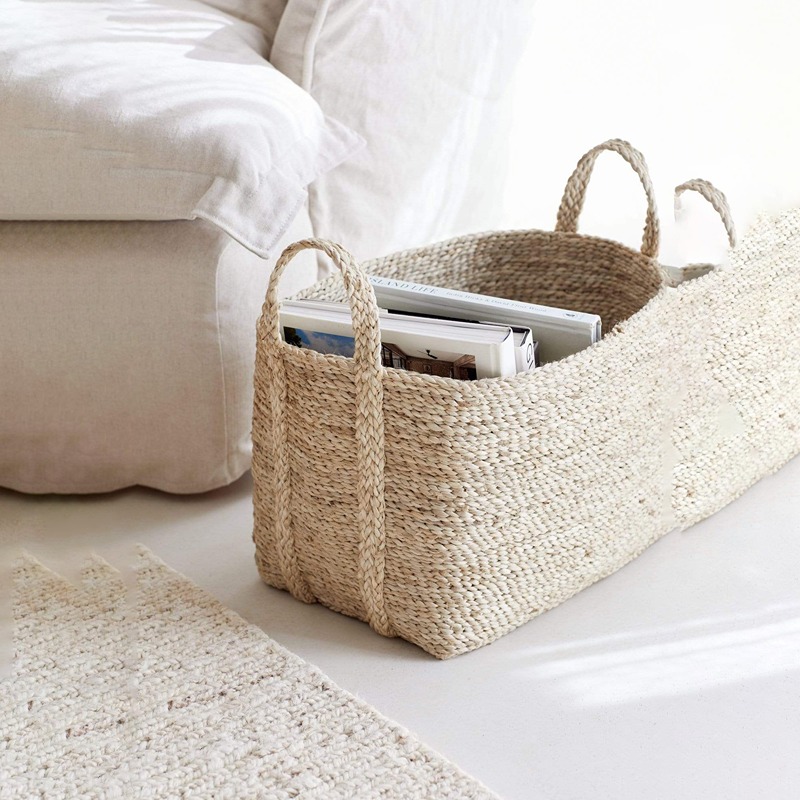
Presenting a round-shaped water hyacinth basket that is crafted from natural materials. It features an intricate hand-woven style and brings an organic element to any desired room. For all those interested in giving a bohemian touch to your bedroom or laundry storage, this basket is the ideal choice for you.
Decorative Wall Accessories
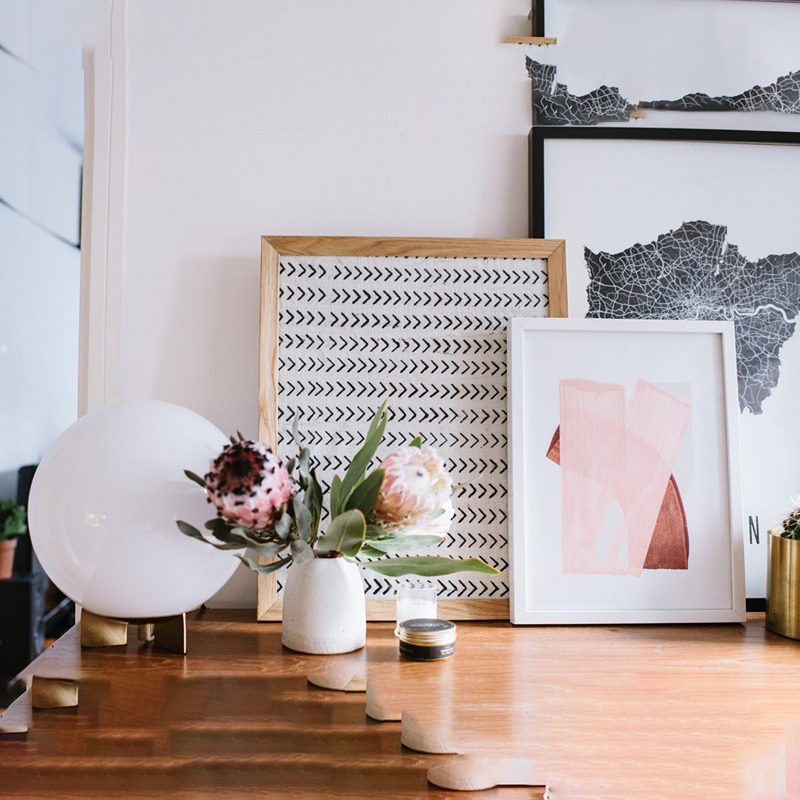
A mere look at this colourful collaboration of frames can help you relax and de-stress in your free time. Artistically placed cluster of frames with beautiful and earthy tones adds to its charm. Feel free to place this framed wall art anywhere in your home for a stunning view. This picture frame can also be used for gifting.
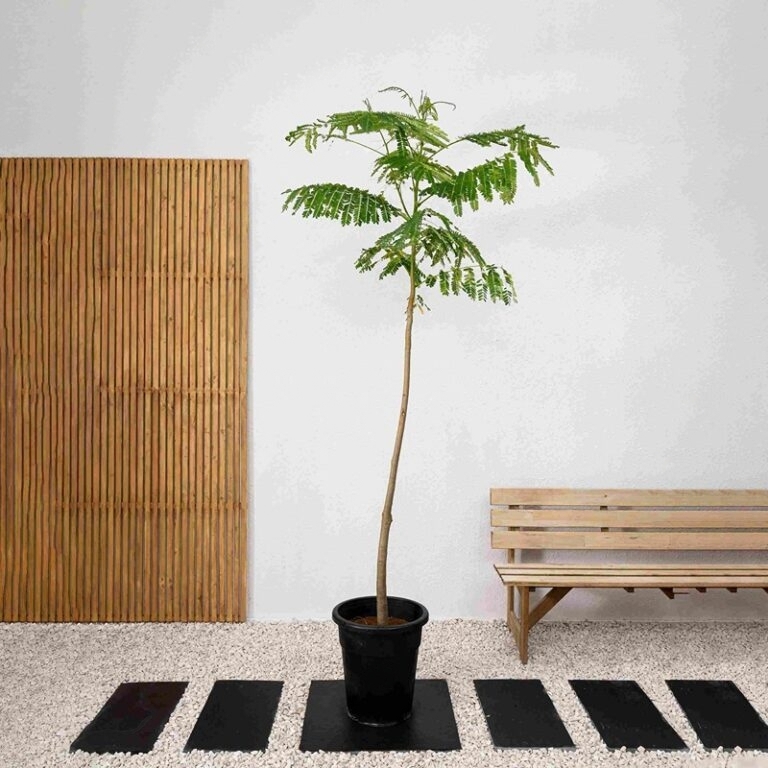
DELONIX TREE
Delonix regia or Flame Tree is a semi-evergreen tree (fully deciduous in areas with a long, dry season). It has a wide-spreading, dome-shaped crown and broadly ovate, 2-pinnate, bright green leaves, 30-50cm long, each pinna divided into 10-25 pairs of elliptic to oblong leaflets. From spring to summer, bears many scarlet flowers, 10-13cm across, the standard petals pale yellow and striped with red. Height to 10m, Spread 5-10m. Native of Madagascar. During summer, Water daily or when the soil starts to become slightly dry at the top. During the Winter season water once in 2 days or when the soil starts to become slightly dry at the top. Keep the soil lightly moist at all times, but do not overwater as this will cause brown spots and leaf drop.
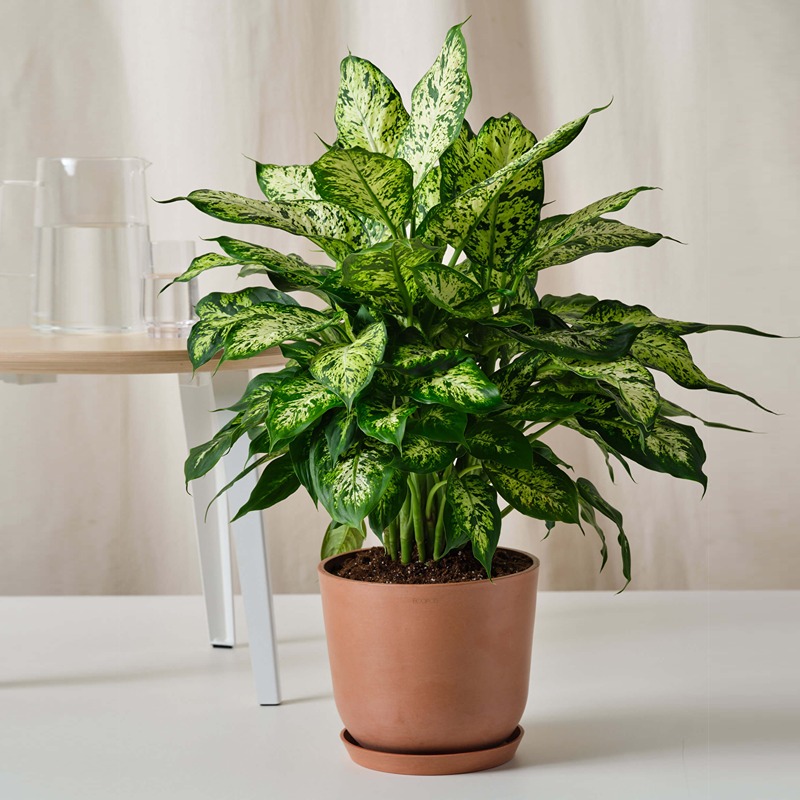
DIEFFENBACHIA – DUMB CANE
Dieffenbachia is a tropical perennials with several species that are commonly grown as houseplants. They feature pointed, ovate leaves in a variety of combinations of green, cream, and white colors. A large, well-grown dieffenbachia can reach 10 feet, with leaves 20 inches long. However, the plants will rarely reach this size in typical indoor conditions, where 3 to 5 feet is more common. Dieffenbachia is a fast-growing plant that can achieve 2 feet in height within a year of planting a rooted cutting, provided it gets enough light. Though the name “dumb cane” has fallen out of favor as a derogatory term, it got that name because the plant contains toxins in all of its parts (including its roots and sap) that, if it is in contact near the face or ingested, it can inhibit speech.
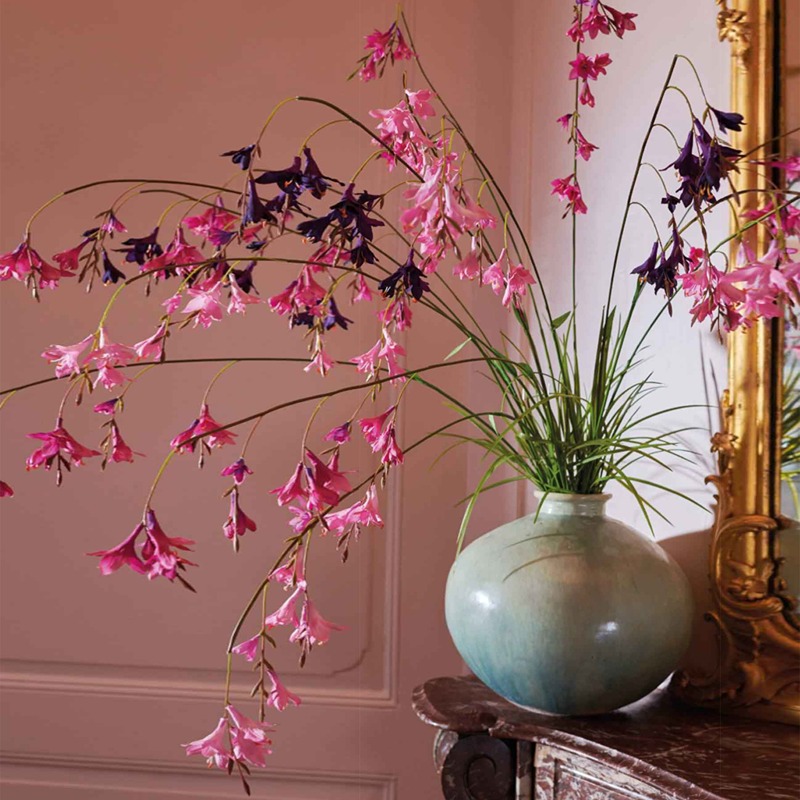
DIERAMA
Elevate your home decor and interior design with this beautiful floral arrangement of artificial Dierama flowers in a glass vase. The faux delicate flowers have realistic botanical details that make them a perfect replica of nature. Simply style this vase arrangement on your table or mantle to bring a permanent feeling of spring to your space.
This flower is designed with silk material & is part of flower collections. This flower is handmade by experienced artisans meeting with the highest standards of quality.
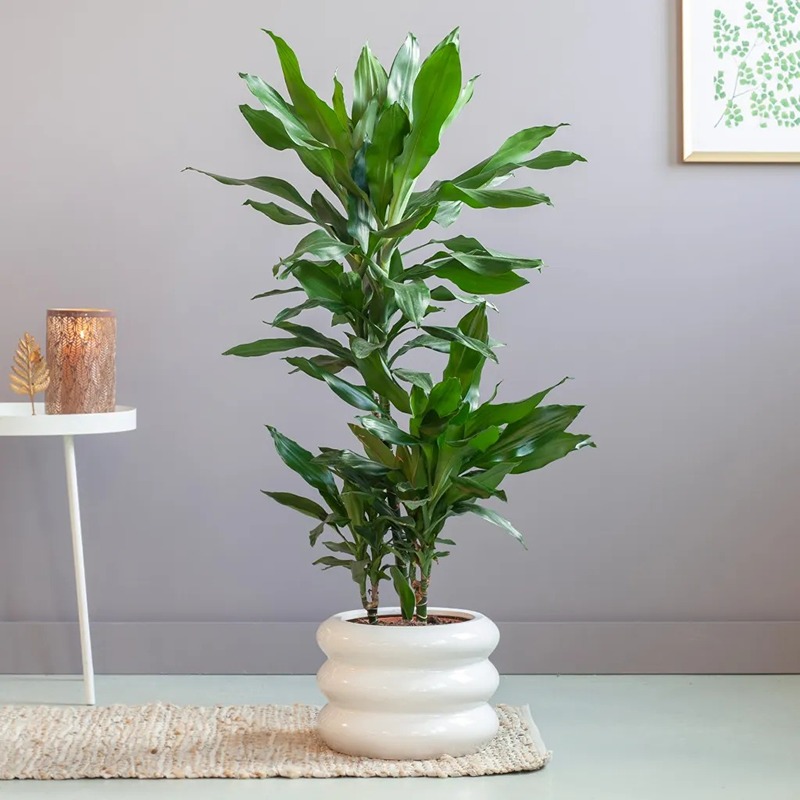
DRACAENA JANET CRAIG
Dracaena Janet Craig is an excellent low-light interior plant. Add her ability to handle low humidity, air conditioning, plus infrequent care – you have the making of a very durable indoor plant. It survives low light levels but grows best however in filtered indirect light, but no direct sunlight. Its evergreen, glossy leaves and tall growing habit combine to make the Janet Craig plant a perfect fix for an empty corner.
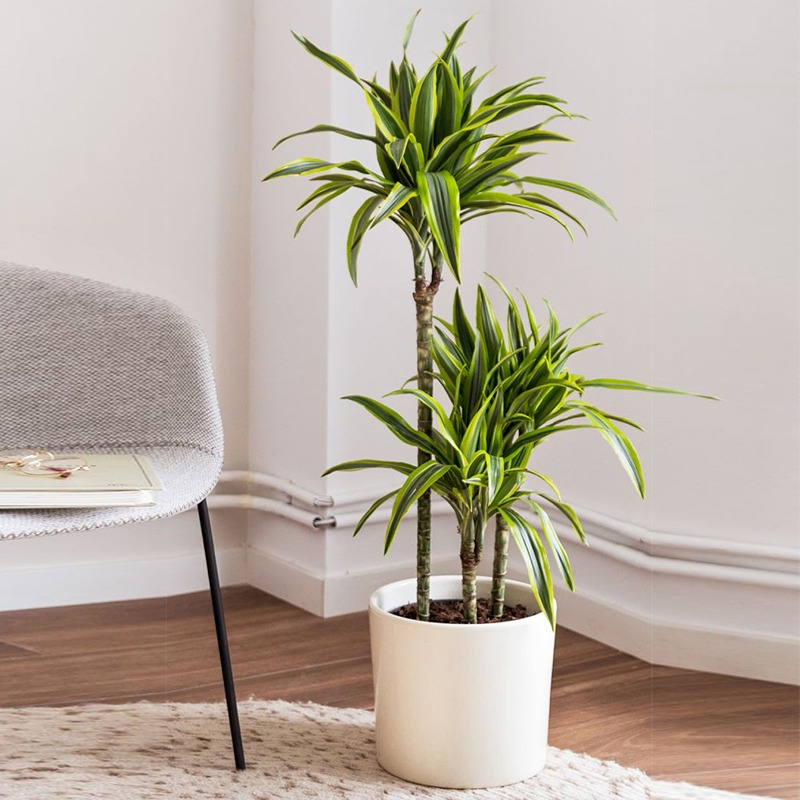
DRACAENA LEMON LIME
Dracaena Lemon lime are very widely grown as an ornamental houseplant, which is valued mostly for their evergreen dark-green leaves and neon yellow stripes on them. This Massangeana plant will get you a display of profuse attraction in your personal spaces. Unlike other Dracaena plants, Dracaena Lemon lime requires a bit more light to get to its mature state. And once they mature, they form into a beautiful bush. While in indoor conditions, Dracaena Lemon lime has a tendency to grow in a range of 1.5 – 2 m. It will be a great choice to select this plant for any of your inhouse space as it will brighten up any room. Usually kept to a tabletop size with regular pruning.
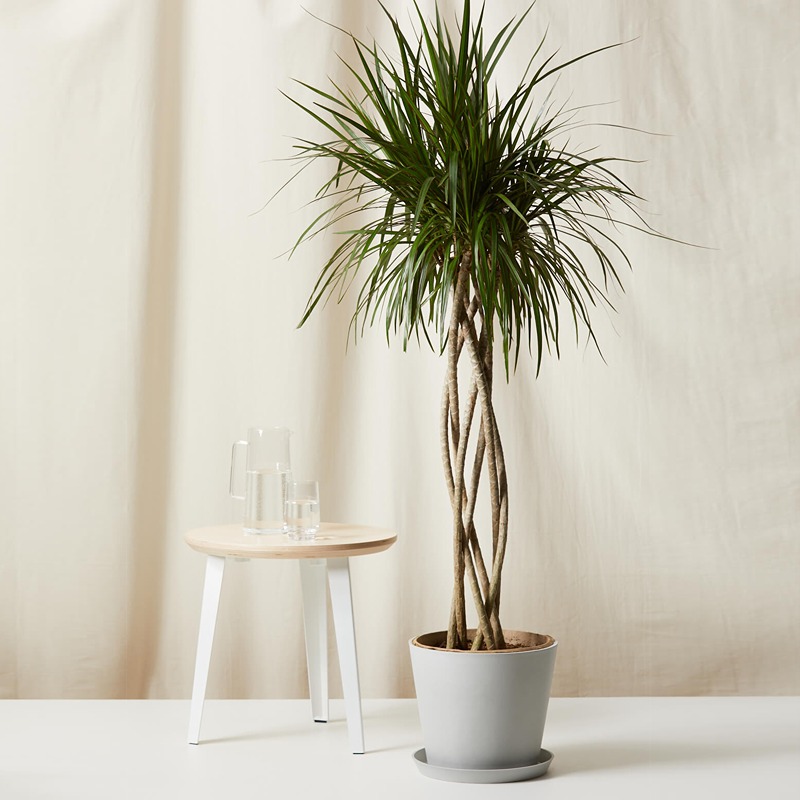
DRACAENA MARGINATA – DRAGON TREE
Dracaena marginata, more commonly known as a dragon tree, is an attractive plant with green sword-like, red-edged leaves. Native to Madagascar, the eye-catching spiky tree is known as a great entry plant for household gardeners—it’s easy to care for, drought-tolerant, and nearly indestructible. The slow-growing plant can be planted year-round and boasts tiny white flowers in the spring (though it rarely flowers indoors). This small tree will grow to about 20 feet in warm outdoor climates, but it is generally grown as a potted houseplant and kept pruned to 6 feet or less.
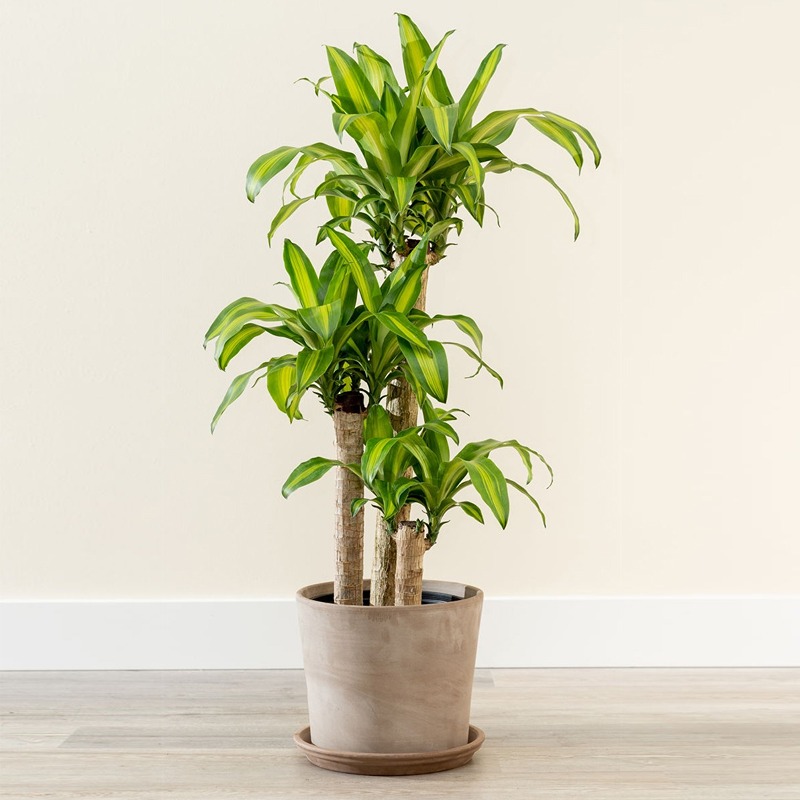
DRACAENA MASSANGEANA
Dracaena Massangeana is also called the Happy Plant because of the simple nature of this plant. It helps to filter out toxic air inside homes and offices. Dracaena Massangeana needs moderate to bright indirect light and is ideal for offices or fluorescent lighting. Avoid direct sunlight as this may burn or bleach the leaves. Water when the soil starts to dry-out at the top. Water well and allow to drain thoroughly. Relatively drought tolerant. Do not overwater as this will cause the leaf tips to blacken. Dracaena are hardy houseplants and will do well in normal room humidity, however they do prefer higher humidity and will benefit from occasional misting.
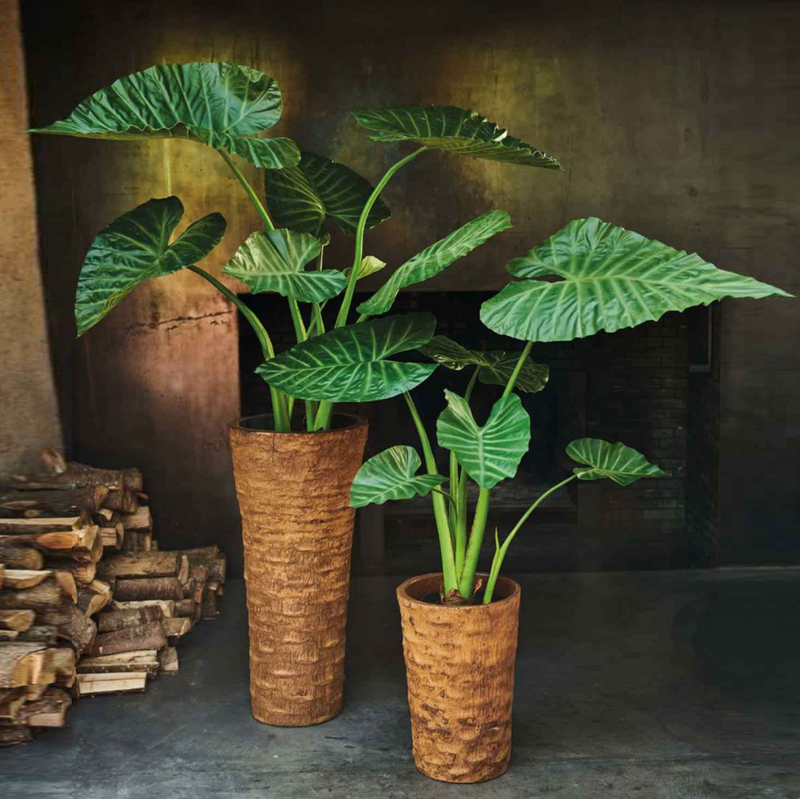
Elephant Ear Plant
Bring a touch of the elegance to your home with this stunning artificial potted Plant. It’s pre-arranged in a nursery pot, making it a perfect drop-in plant to style in a decorative statement planter pot. The faux plant adds a minimalist, carefree touch to any interior space. Display it on a corner in any room, and you will instantly experience the feeling of being outside in nature, relaxing on a warm, sunny, and breezy day. Enjoy all the beauty of real plants without the upkeep when you showcase this amazingly realistic faux plant as a zero-maintenance decor piece that offers elevated luxury!
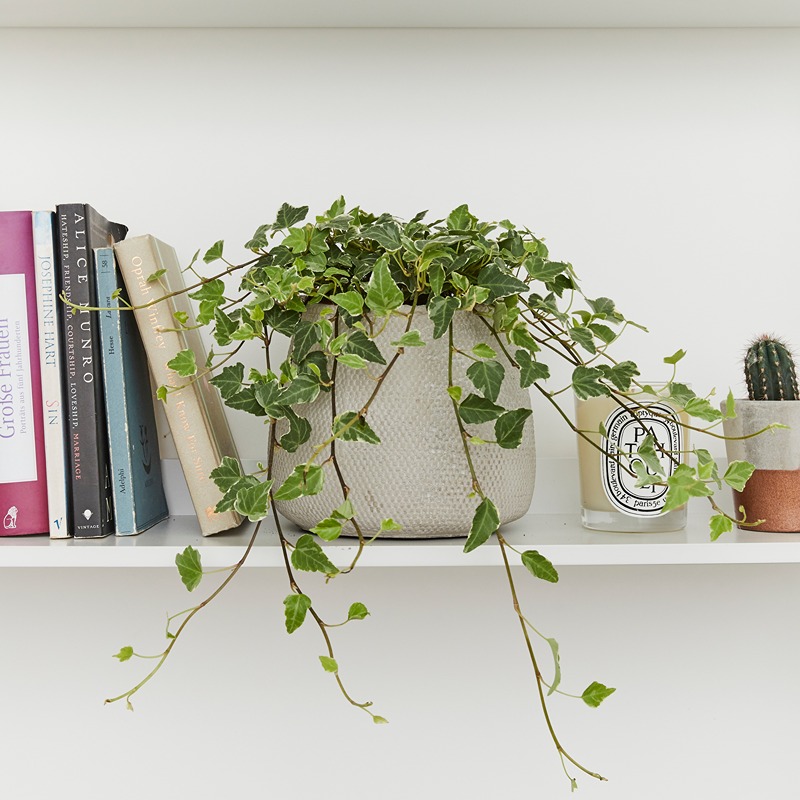
ENGLISH IVY
English ivy (Hedera helix) is an evergreen perennial. It is also classified as a woody vine. English ivy can act as a ground cover, spreading horizontally. But it is also a climber, due to its aerial rootlets, which allows it to climb to 80 feet high. The plant will eventually bear insignificant greenish flowers, but it is grown primarily for its evergreen leaves. In this regard, ivy can be classified as a foliage plant. The best time to plant English ivy is spring. It is a fast, aggressive grower that is considered invasive in many areas. Keep a watchful eye on children and pets because English ivy is toxic to humans and animals.
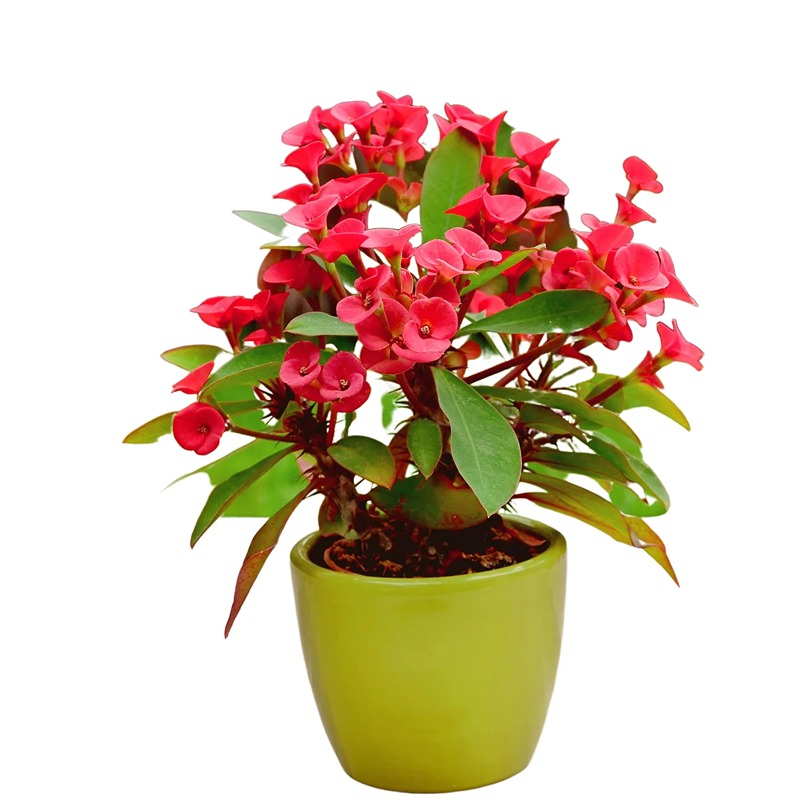
EUPHORBIA
The Euphorbia genus includes annual, perennial, and biennial species. You’ll find herbaceous plants and woody shrub species as well as both deciduous and evergreen species. The linking characteristic among the species is the presence of a milky white sap in the plants which comes out of the plants when cut or damaged. This white poisonous sap is something that deer and rabbits don’t like and is highly toxic and an irritant to the skin and eyes.
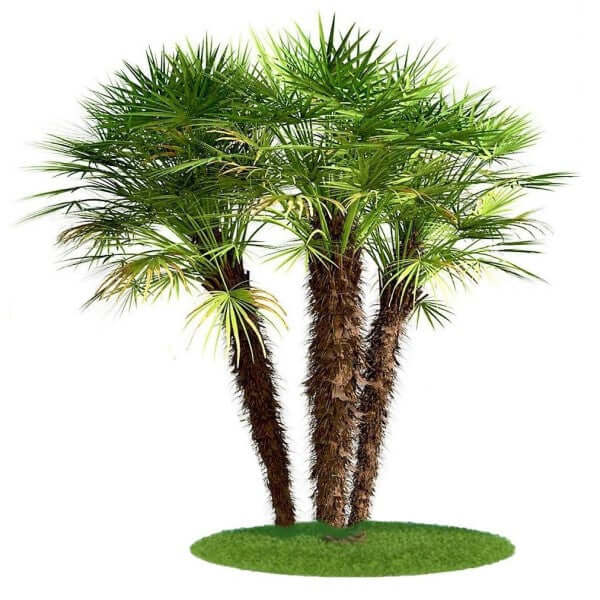

EUROPEAN FAN PALM
Tropical beauty, nearly anywhere. That’s what you’ll get with the European Fan Palm Tree. Its long, fan-shaped leaves grow up to 24 inches long and provide dramatic appeal to gives that undeniable tropical look. Stunning in color, the leaves of the European Fan Palm bring various greens, blues, grays and yellows to your landscape.
Chamaerops humilis or European Fan Palm is bushy palm, producing suckers when mature, with broad, pinnate, bluish or greyish green leaves, 60-100cm long, composed of 12-15 linear leaflets. Yellow flowers are borne in dense, almost hidden panicles, to 35cm long, from spring to summer. Height 2-3m, Spread 1-2m. Native of Mediterranean.
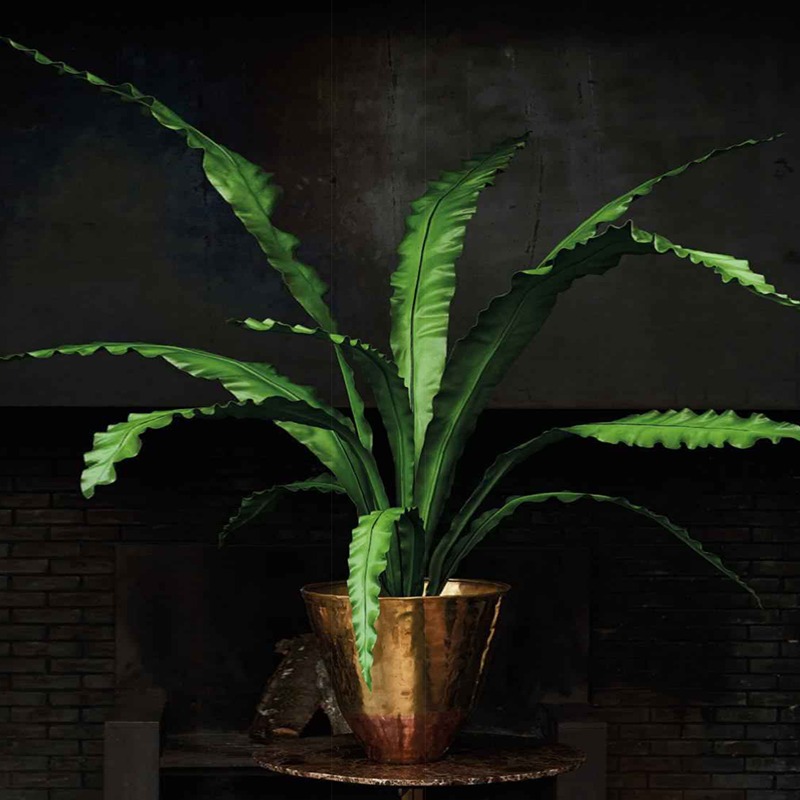
FERN
Enjoy artificial fern without the maintenance with this faux plant that’s super realistic. Simply style it in a planter pot and showcase on a table to bring a pop of green to your room.
This plant is designed with silk material & is part of plant collections. This plant is handmade by experienced artisans meeting with the highest standards of quality.
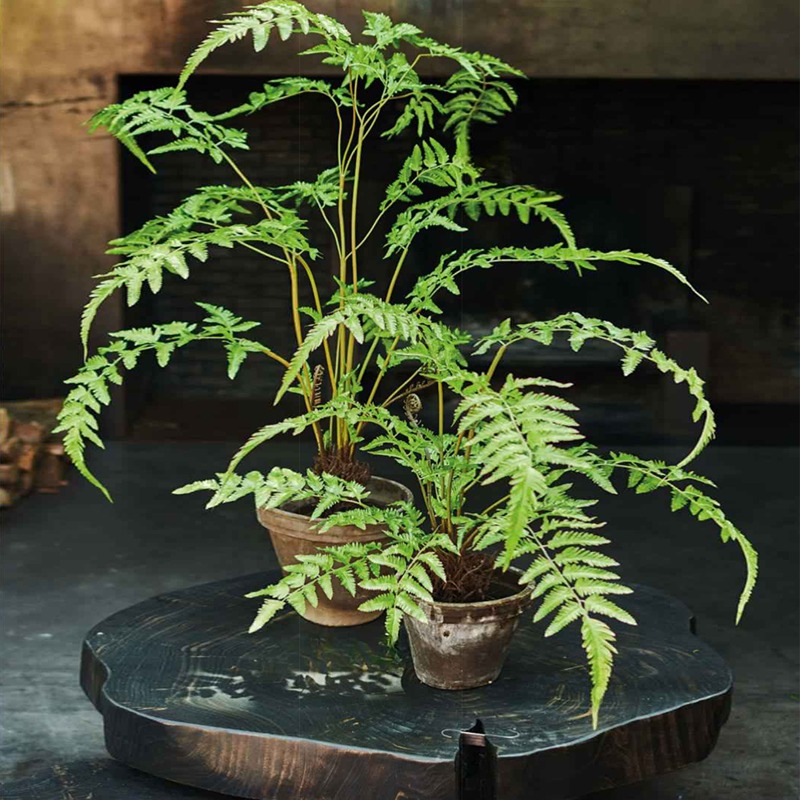
FERN GREEN
No green thumb? No problem! This artificial fern plant in pot is the no-maintenance answer to your houseplant prayers. It’s as simple as dropping this tropical beauty into your favorite planter and enjoying the lush green leaves in your space. Due to the nature of the shipping process, your artificial plant may need some additional fluffing to bring it back to life once it’s been unpackaged. This plant is handmade by experienced artisans meeting with the highest standards of quality.
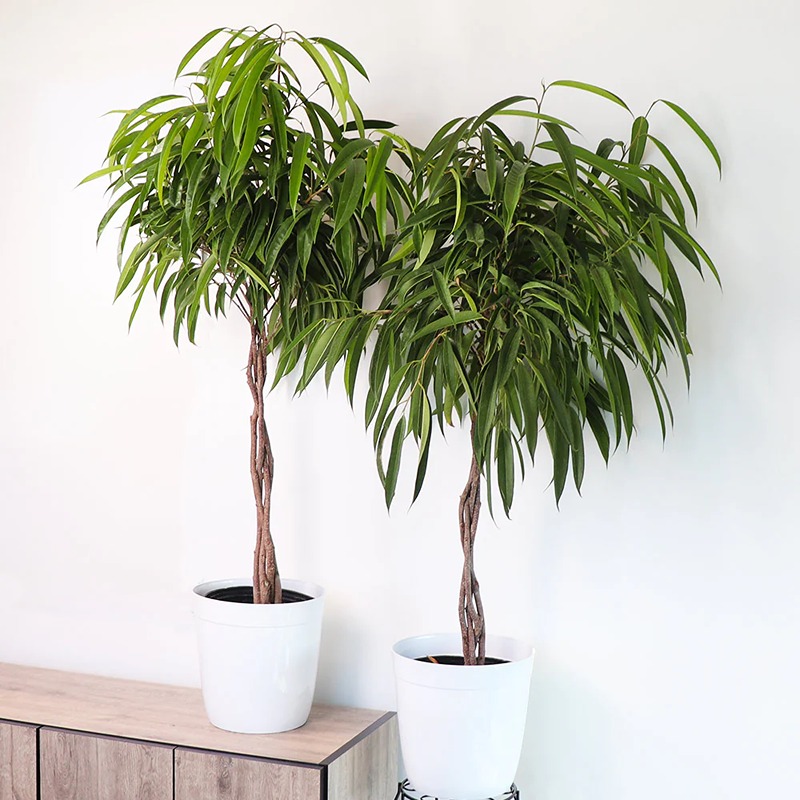
FICUS AMSTEL QUEEN
This Ficus variety has long, banana-shaped leaves. The large, leathery, fast-growing foliage has a lush tropical appeal. This plant has similar growth habits to Ficus Alli, but has many wider, thicker and somewhat larger leaves. During active growth periods, growth tips are a very pronounced pink to red that contrasts beautifully against the broad, shiny leaves. ‘Amstel Queen’ holds its foliage extremely well indoors. Ficus plants do well in bright indirect light; however, they can survive in medium light. The lower the light level, the longer a Ficus takes to produce new leaves. Rotate weekly to maintain the plant’s beautiful shape. Water a Ficus when the top 1 inch of the soil has dried out. Water well so that excess water drains out the drip holes in the bottom of the pot. Immediately empty excess water and do not allow a Ficus to sit in water. New growth turns black and green leaves fall off from over-watering. Leaves become brown and crunchy, drop off, and may turn yellow when the plant needs water. Feed monthly with a well-balanced liquid fertilizer when the plant is actively growing. Use a good, all purpose, well- aerated potting soil.
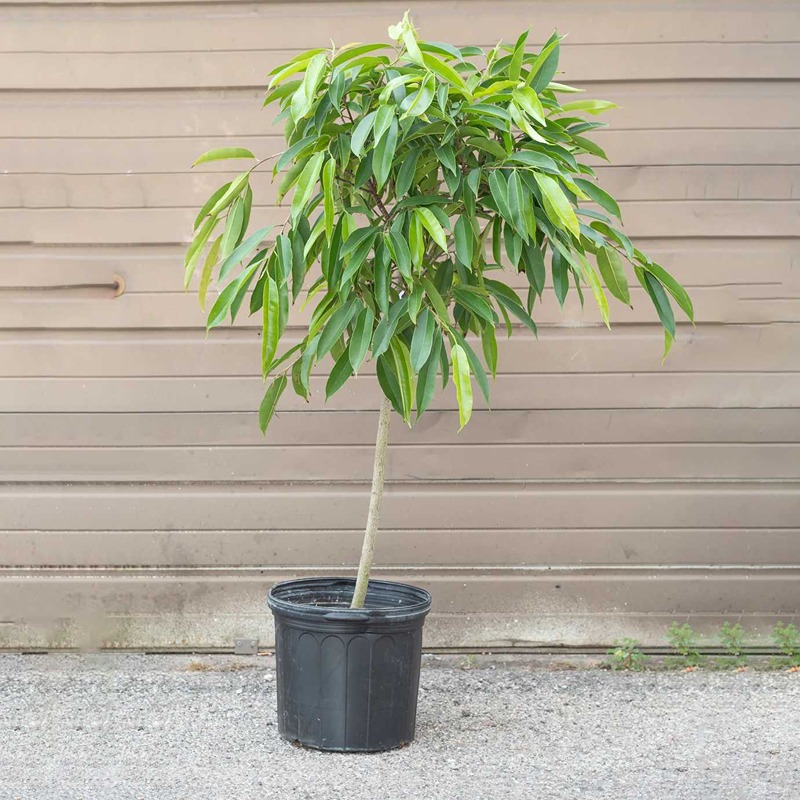
Ficus Amstel Queen-Indoor Plants
This Ficus variety has long, banana-shaped leaves. The large, leathery, fast-growing foliage has a lush tropical appeal. This plant has similar growth habits to Ficus Alli, but has many wider, thicker and somewhat larger leaves. During active growth periods, growth tips are a very pronounced pink to red that contrasts beautifully against the broad, shiny leaves. ‘Amstel Queen’ holds its foliage extremely well indoors as well as outdoors.
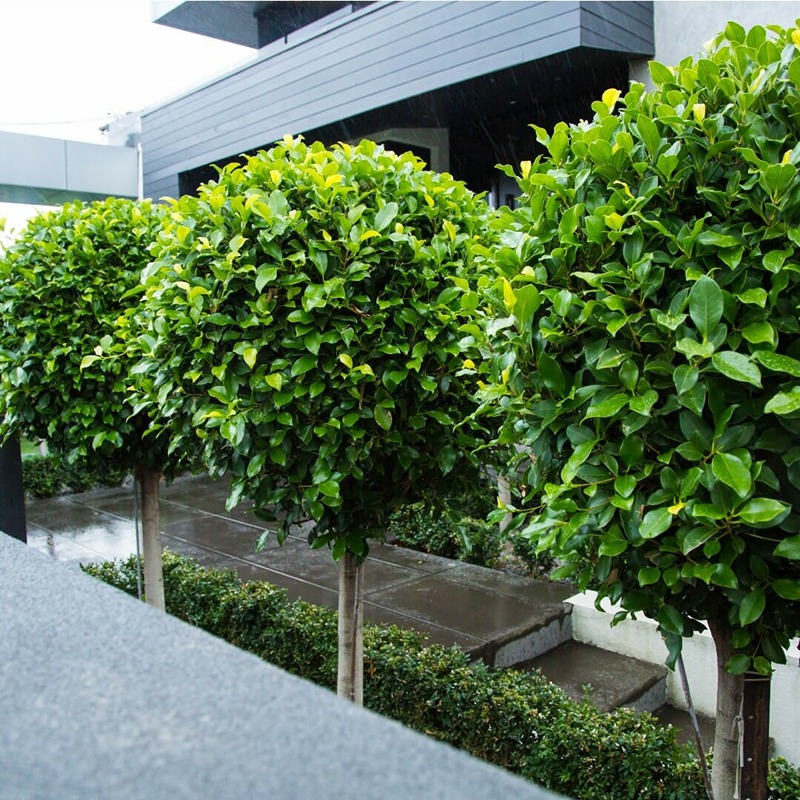
FICUS BALL
Ficus benjamin ball style . This plant is a nice idea for a new shop, new office or for someone that like’s geometrical design in the balcony.
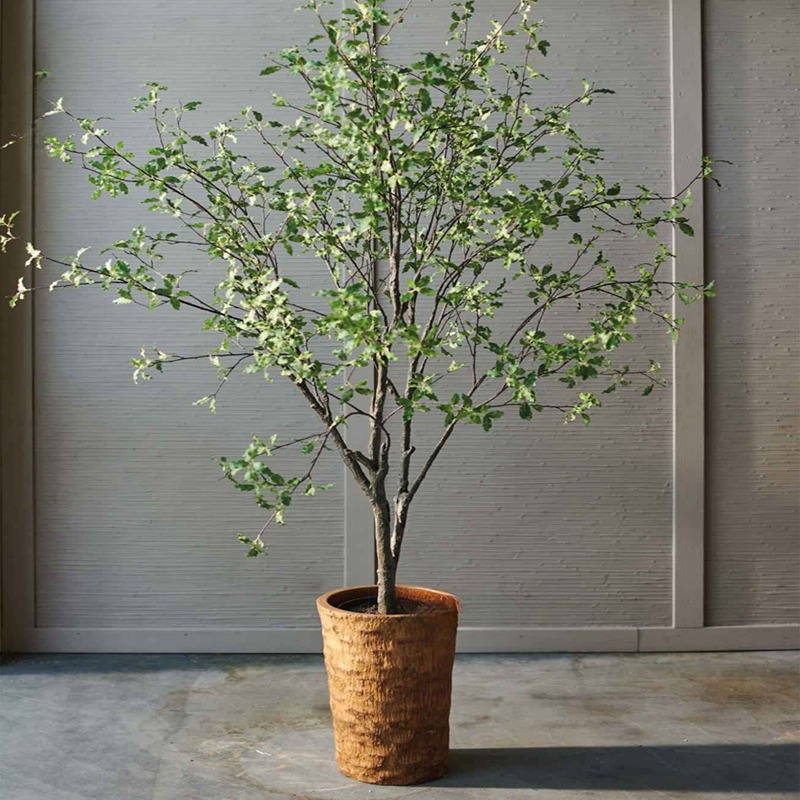
FICUS BENJAMINA
Enhance your home decor with nature-inspired faux greenery, like this tall, stunning silk Ficus benjamina plant with grey green artificial leaves. Just style the plant in a beautifuk rustic pot to create a simple but sophisticated look.This plant is handmade by experienced artisans meeting with the highest standards of quality.
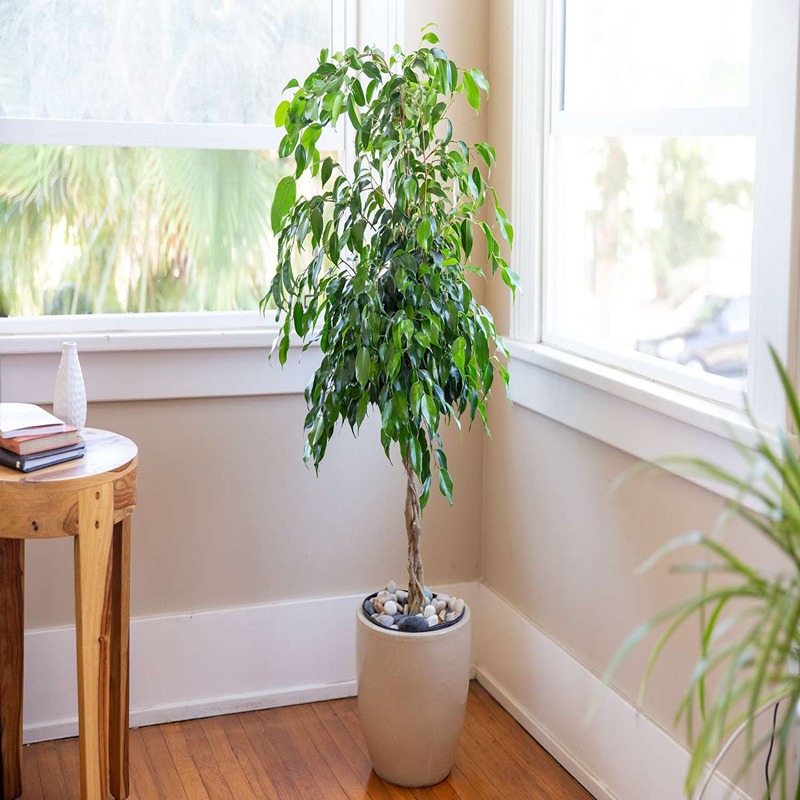
FICUS BENJAMINA – WEEPING FIG
Weeping fig (Ficus benjamina’s common name is known as the Ficus tree) grows as a large broadleaf evergreen tree in tropical and subtropical climates, but it is more often grown as a houseplant in homes, offices, and featured in interior commercial landscaping. The Ficus tree is known for its longevity, living between 20 to 50 years. This elegant plant has slender branches that arch gracefully from a light gray trunk, with dense, glossy dark leaves. When the Ficus benjamina tree is grown indoors, the plants are normally pruned to keep them about 3 feet to 6 feet tall, and their trunks are sometimes braided for decorative appeal. It is a fast grower and may need to be repotted up to once per year, but do so in the early spring for best results.
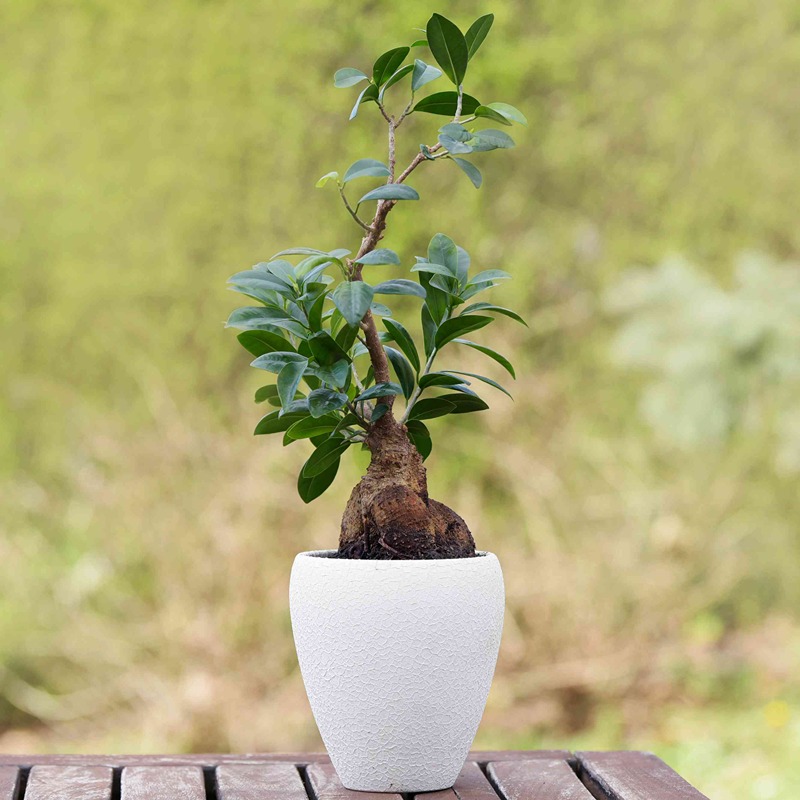
FICUS BONSAI
Ficus Bonsai Trees are mainly tropical plants growing throughout south-eastern Asia. There are many species of Ficus. Ones found commonly in bonsai include Retusa, Religiosa, Carica, Benjamina and others. Ficus produce glossy, waxy leaves which are long lasting. They can feature aerial roots from the trunk and branches. In bonsai it is most frequently found in the informal upright style and in small groups. It also lends itself to formal upright, slanting, semi-cascade, twin-trunk, triple-truck and clasped to rock. With care it can be kept indoors and is therefore a popular choice for bonsai here in the UAE.
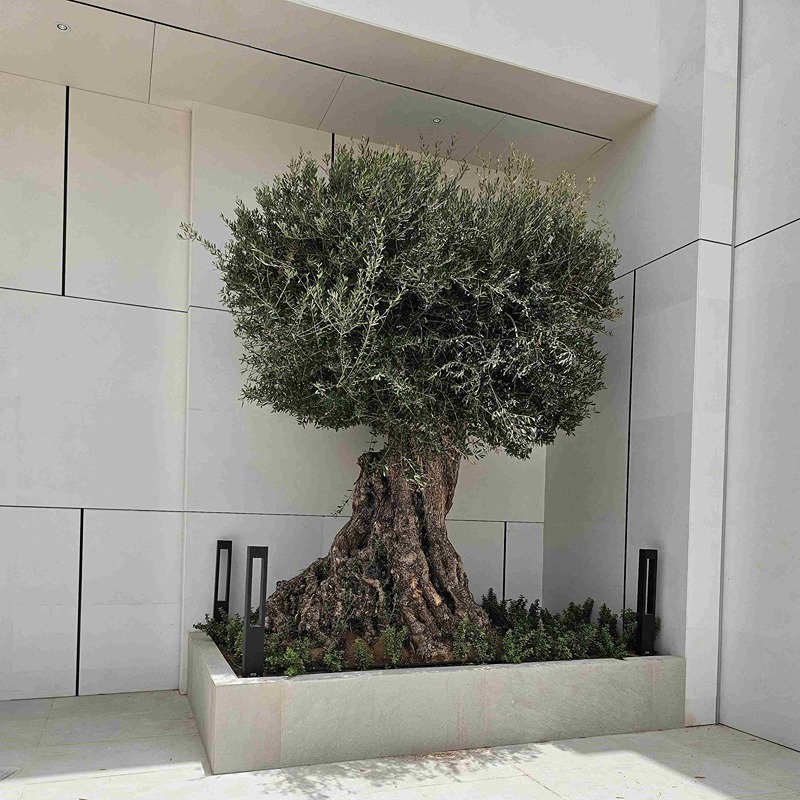
FICUS BONSAI BIG
Ficus bonsai is ideal for indoors and partially shady areas. Ficus is one of the most popular trees for Bonsai. It is an excellent tree for beginners and pros alike. Virtually carefree; they tolerate low light and humidity of a heated or air-conditioned house. In their natural habitat, these aerial roots are grown with ease in high-humidity environments. At home, you need to recreate these humidity levels which often means an artificial enclosure. The effect is achieved by roots growing vertically downward from branches until they reach the soil, where they develop into thick strong trunks. This can achieve the desired pillar style or the root-over-rock bonsai style called deshojo.
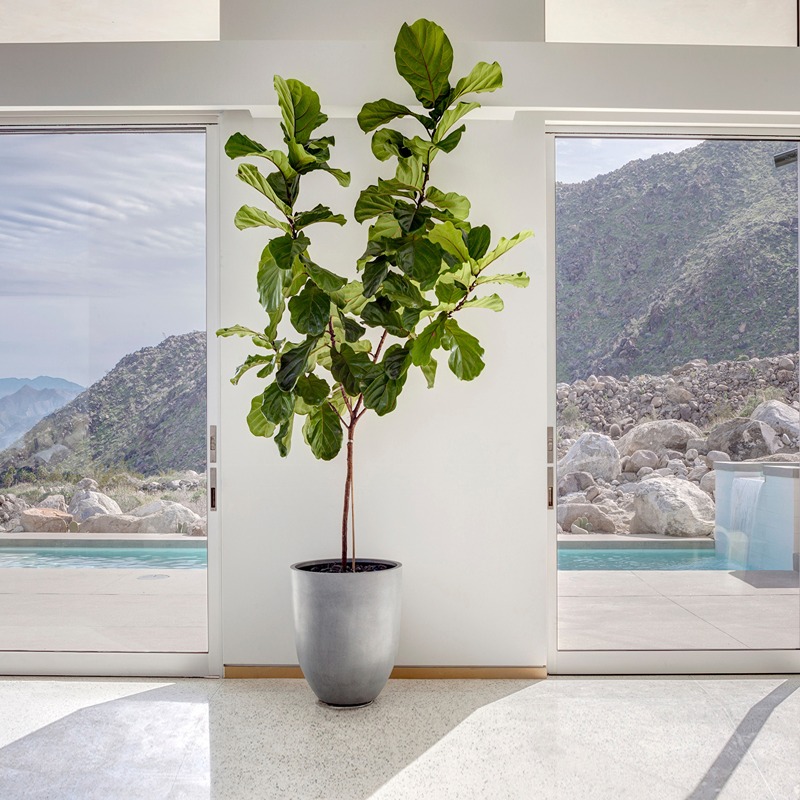
FICUS FIDDLE LEAF – FIDDLE LEAF FIG – FICUS LYRATA
The fiddle-leaf fig (Ficus lyrata) is a popular indoor tree featuring very large, heavily veined, and glossy violin-shaped leaves that grow upright on a sleek trunk. A fiddle-leaf fig is perfect as a focal point of a room if you can situate it in a floor-standing container where the plant is allowed to grow to at least 6 feet tall. (Most indoor specimens reach around 10 feet tall.) It’s a fairly fast grower and can be potted at any point in the year if you’re like most gardeners acquiring a nursery plant to keep indoors. Keep in mind this gorgeous plant is toxic to cats and dogs.
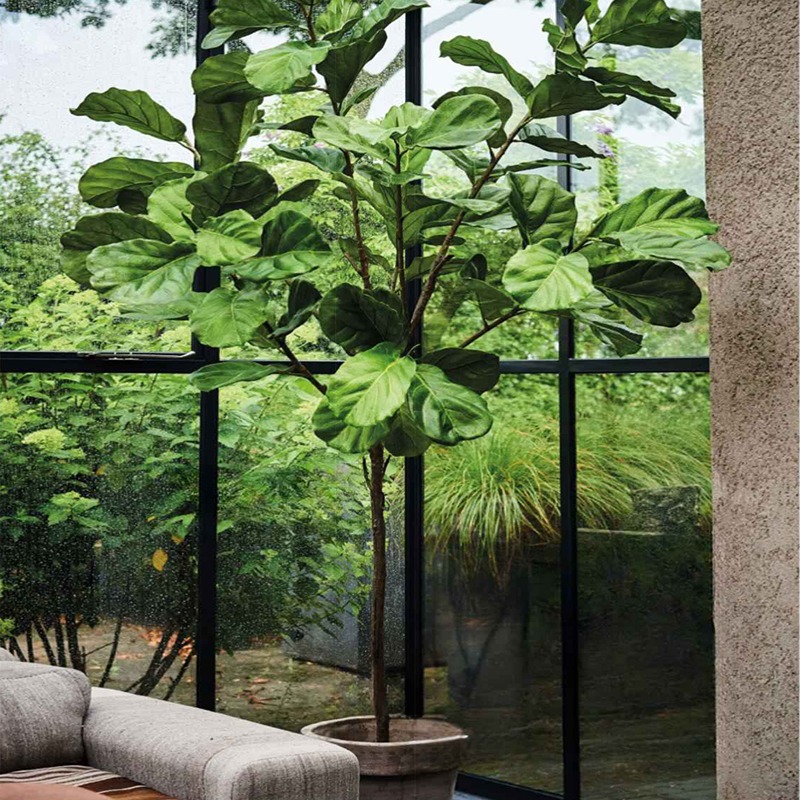
FICUS LYRATA / FIDDLE LEAF TREE
Spend more time enjoying greenery and less time maintaining it when you choose to fill your home with faux plants that look anything but! This gorgeous, lush green artificial plant is perfect for indoor space. Simply style it in a planter pot, and you have a long-lasting houseplant that needs no sun or water to keep your home feeling fresh and lively.This plant is handmade by experienced artisans meeting with the highest standards of quality.
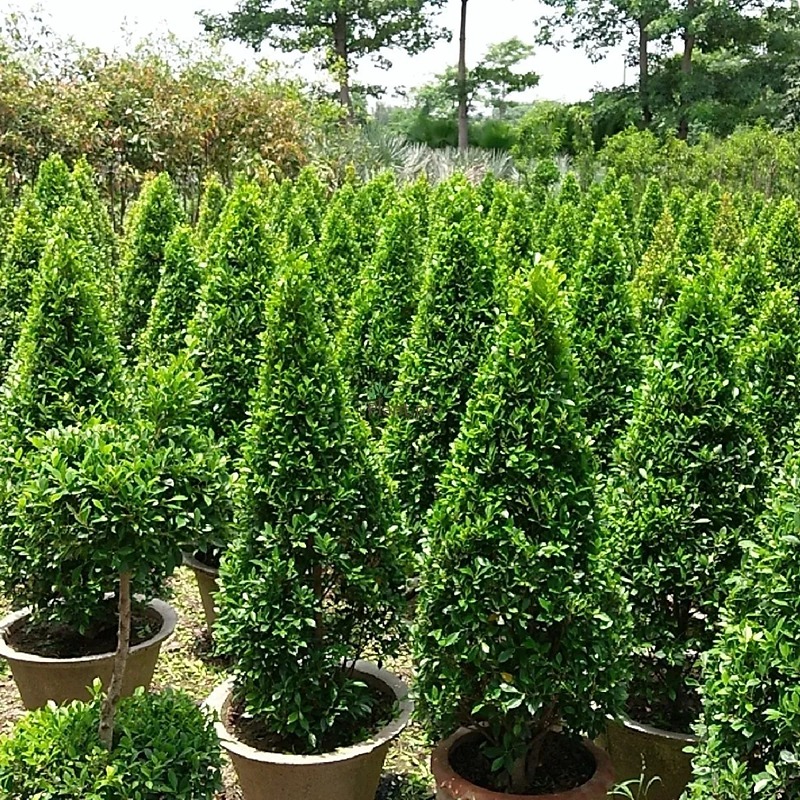
FICUS PANDA CONE
Ficus trees are a common plant in the home and office, mainly because they look like a typical tree with a single trunk and a spreading canopy. But for all of their popularity, ficus plants are finicky. However, if you know how to care for a ficus tree, you’ll be better equipped to keep it healthy and happy in your home for years. Most ficus trees enjoy bright indirect or filtered light with variegated varieties happily able to take medium light. Bright, direct light may result in scalding of the leaves and leaf loss. It requires a moderate amount of watering in summer, and only enough to keep it from drying out in the winter. It does not need to be misted. Ficus trees also cannot tolerate low temperatures or droughts.
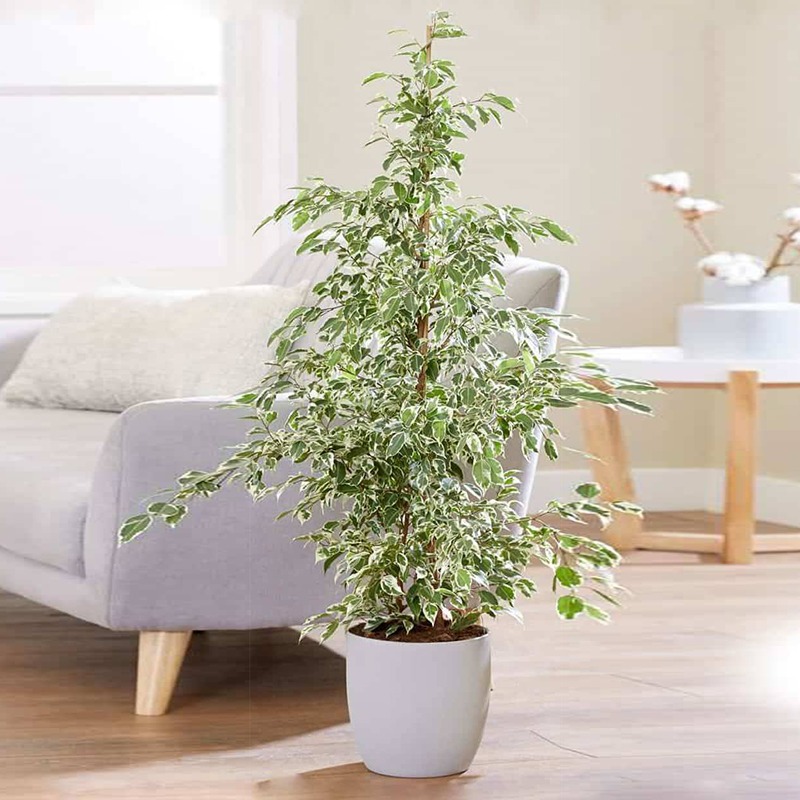
FICUS STARLIGHT
Ficus benjamina ‘STARLIGHT’ is a particularly attractive variety with glossy, variegated foliage that cloaks it’s gently weeping branches. Each olive green leaf is edged with an irregular creamy-yellow margin, reflecting the light to dazzling effect. Over time, this slow-growing house plant will form a tall specimen shrub that will create a magnificent focal point in your home. Perfect for filling the corner of a brightly lit room. Most Ficus trees enjoy bright indirect or filtered light with variegated varieties happily able to take medium light. Bright, direct light may result in scalding of the leaves and leaf loss. Make sure to place them somewhere where cold drafts will not be an issue. It’s important to maintain a relatively high humidity around the plant. Regular misting or setting the Ficus tree on a pebble tray filled with water is a great way to increase their humidity, but keep in mind that while they like high humidity, they don’t like overly wet roots. Therefore, when watering, always check the top of the soil first. If the top of the soil is wet, don’t water as this means they have enough moisture. If the top of the soil feels dry to the touch, this indicates that they need water.
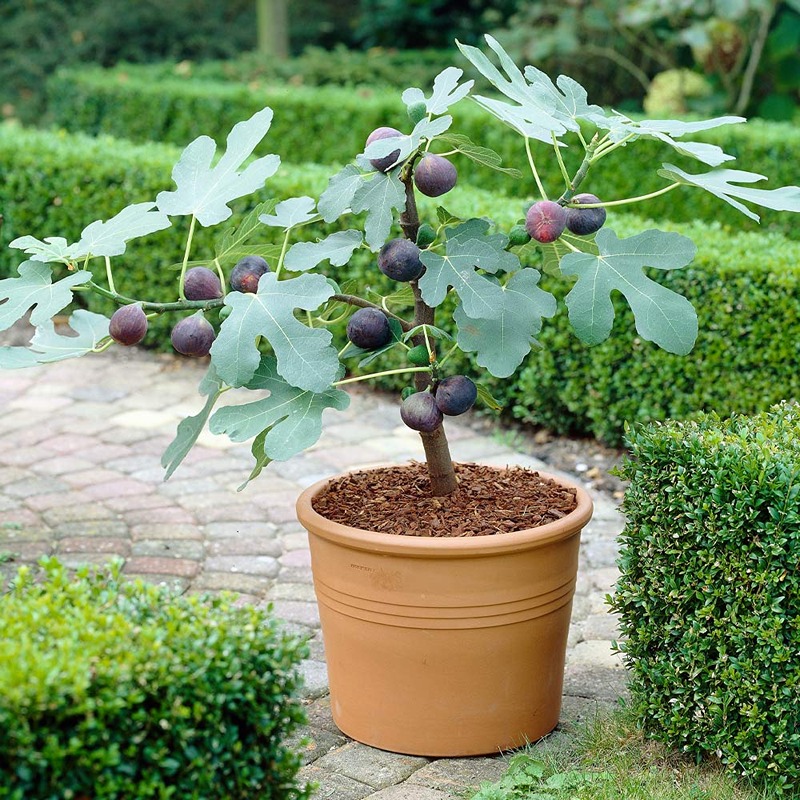
FIG TREE
Every garden should have a fig tree. These iconic plants produce delicious fruit with flavors best experienced ripe from the tree. Unlike other fruits, figs ripen entirely on the branch, so planting your own allows you to harvest the freshest fruit. The common fig tree, thriving in warm climates, does not require pollination to bear new fruit. Depending on the variety, specific fig trees need pollinators, so check the type before planting your own to know its growing conditions.
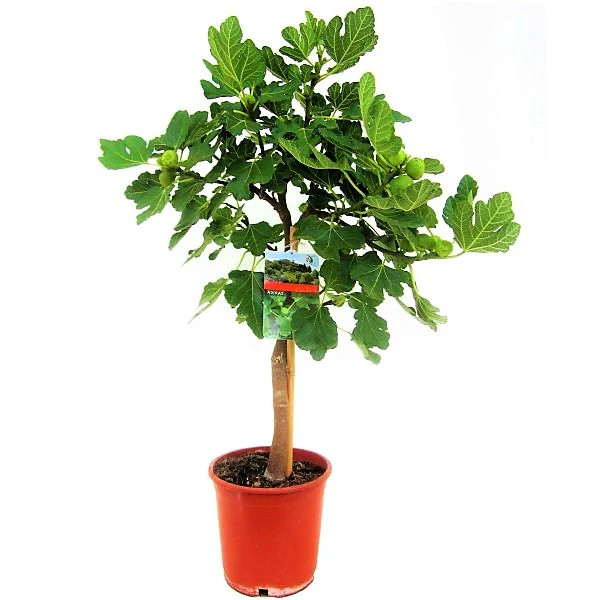
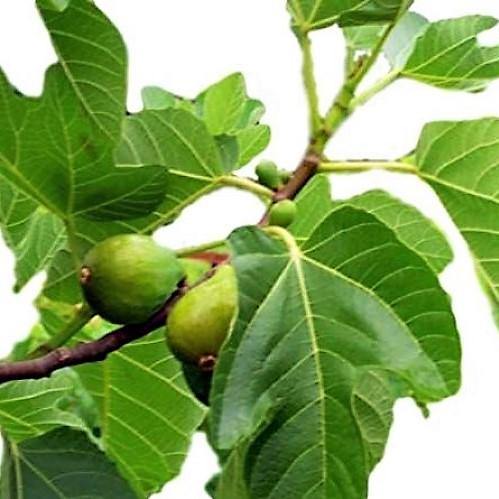
Fig Tree (Ficus Carica) | UAE’s Best Greens!
Ficus carica or Fig Tree is deciduous tree or large shrub with a spreading head and rounded, 3- to 5-lobed leaves, 10-24cm long, heart-shaped at the bases. Pear-shaped receptacles develop into single fruit, to 10cm long, green when young, maturing to dark green, purple, or dark brown.
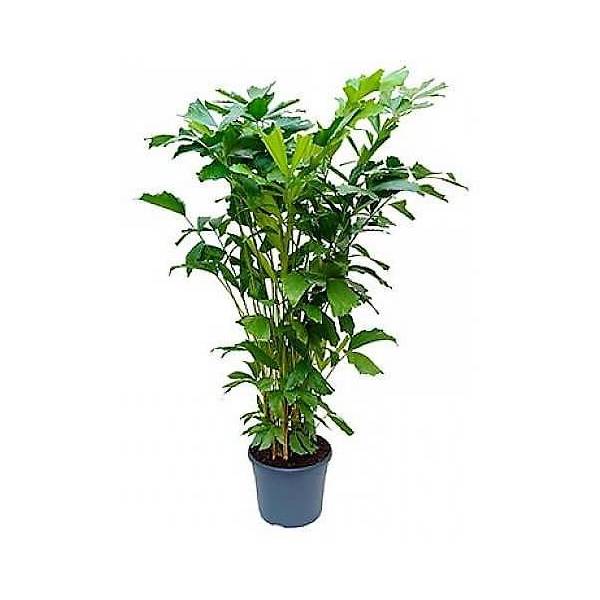
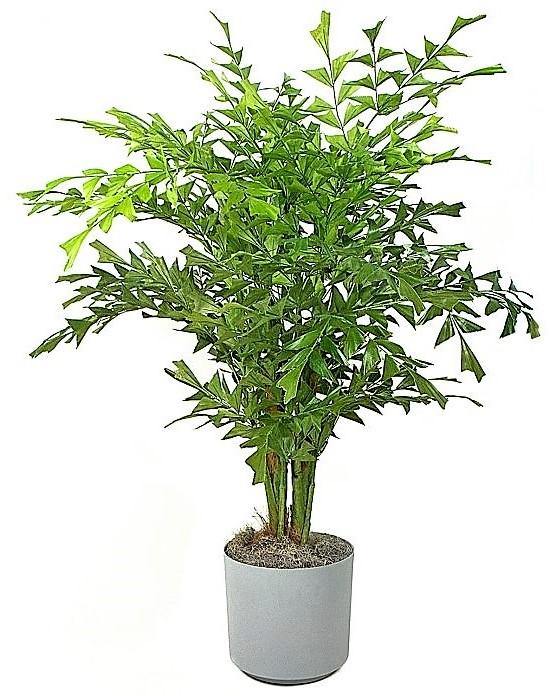
FISHTAIL PALM
Palm with intriguing leaves resembling the tail of a fish, which is how this plant got its common name. In a home environment, these palms will grow as tall as space allows. fishtail palm most commonly sold for houseplant and landscape use. It?s probably one of the most elegant looking palms, bringing an upscale look to any room or garden.
Caryota mitis or fishtail palm is small to medium-sized palm with clustered stems, at first clothed with fibrous leaf bases, later bare. The broadly linear, 2-pinnate, rich green leaves are 2-4m long, with 6-60, fish-tail-like, asymmetrically 3-angled leaflets. Pendent panicles, 30cm or more long, of cream flowers, to 2cm across, are borne in summer. Height 3-12m, Spread 3-7m. Native of Burma to Malaysian peninsula, Indonesia (Java), Philipines.
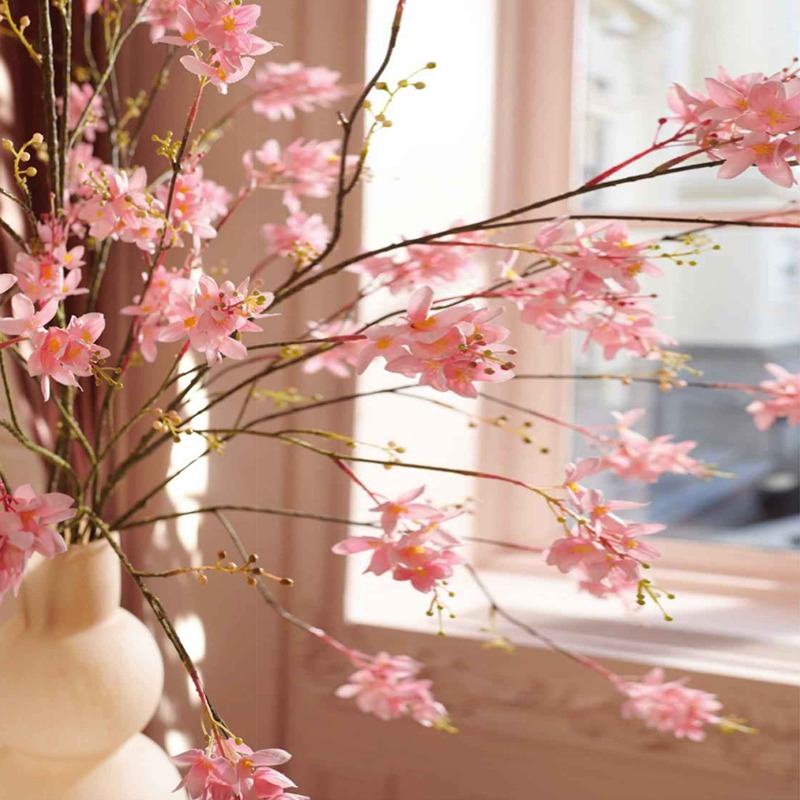
FORSYTHIA
This Spring season, turn your home into a botanical paradise when you style table vases with luxury, life-like artificial blooming flowers. Start with this tall and beautiful faux forsythia to create an over-the-top branch arrangement that reflects your elevated interior design. Once it’s complete, showcase your centerpiece in any room and instantly experience nature’s peaceful presence.
This flower is designed with silk material & is part of flower collections. This flower is handmade by experienced artisans meeting with the highest standards of quality.
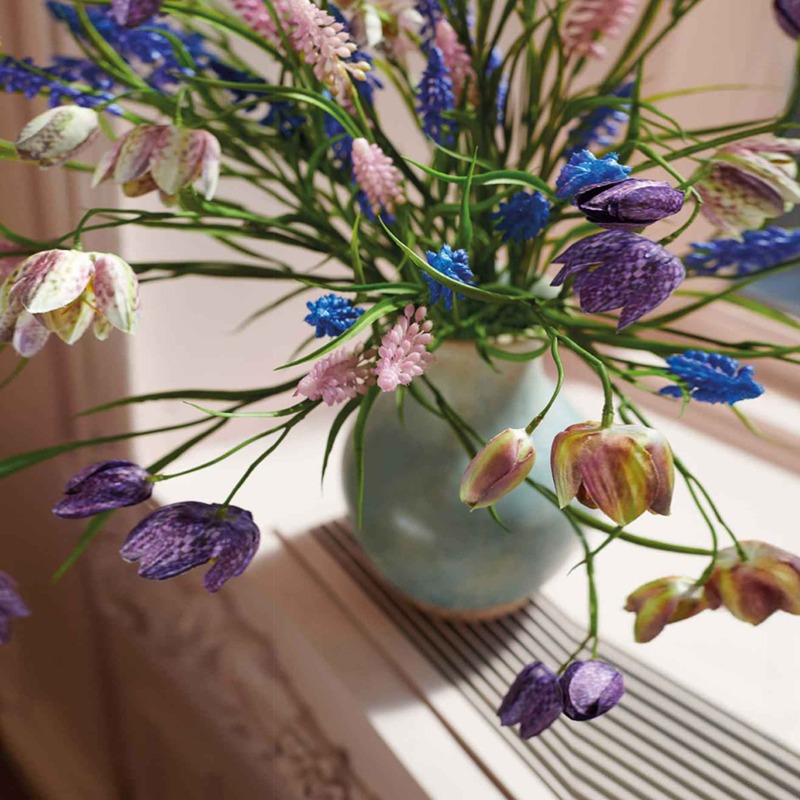
FRITILLARIA
Bold and unique, this bundle of Fritillaria flowers is a stunning shade of soft blush pink to add a natural, feminine touch. Style these lovely botanicals alone, or use as focal blooms in your arrangements, adding texture wherever you place them. They perfectly bring the feeling of nature to any floral design.
This flower is designed with silk material & is part of flower collections. This flower is handmade by experienced artisans meeting with the highest standards of quality.
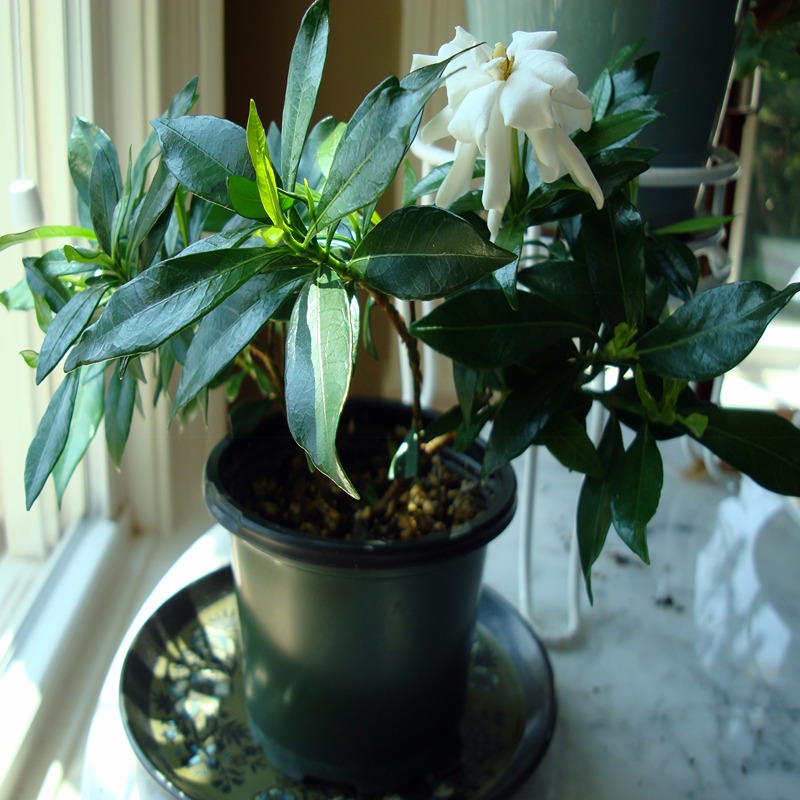
GARDENIA
Gardenia (Gardenia jasminoides), a tropical broadleaf evergreen shrub, is typically grown as a large, indoor houseplant because its blooms smell magnificent. In fact, few natural scents are as evocative and memorable as the smell of this coveted plant. If it wasn’t for the plant’s fragrant appeal, however, few gardeners would attempt to grow the high-maintenance gardenia, commonly found only in conservatories and commercial greenhouses. Still, if you’re up for the challenge, even a few months of blooms make it a worthwhile endeavor.
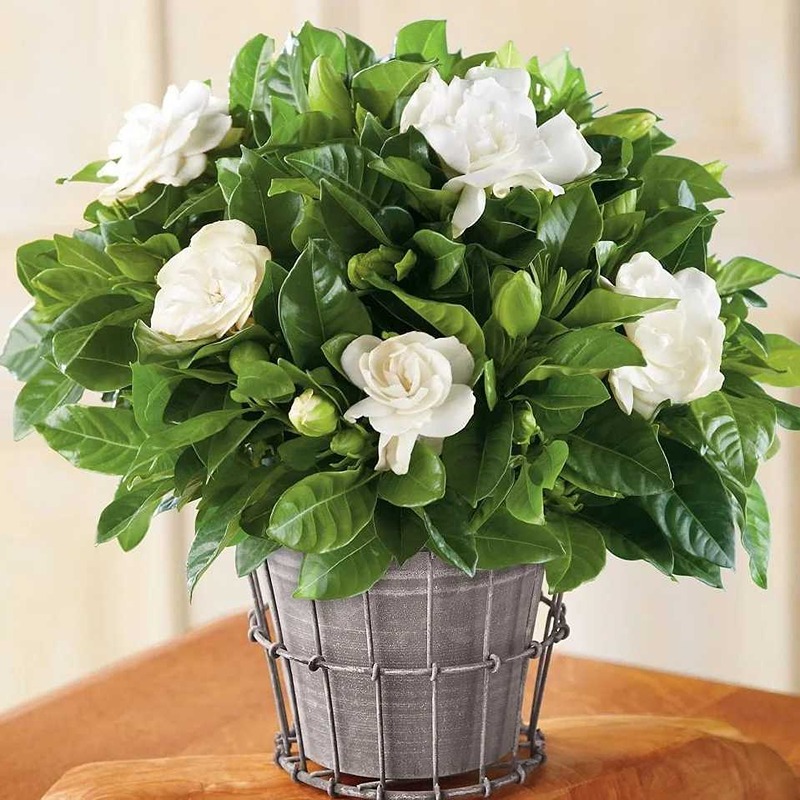
Gardenia Jasminoides “Gardenia”
Gardenias have a distinctive floral, citrusy sweet scent. They look like roses with showy white or cream-colored petals that open up to a spiral around a central point. They bloom from late spring up through fall. Each bloom lasts several weeks before wilting. Deadhead or remove spent blooms after they wilt to spur more flower production.
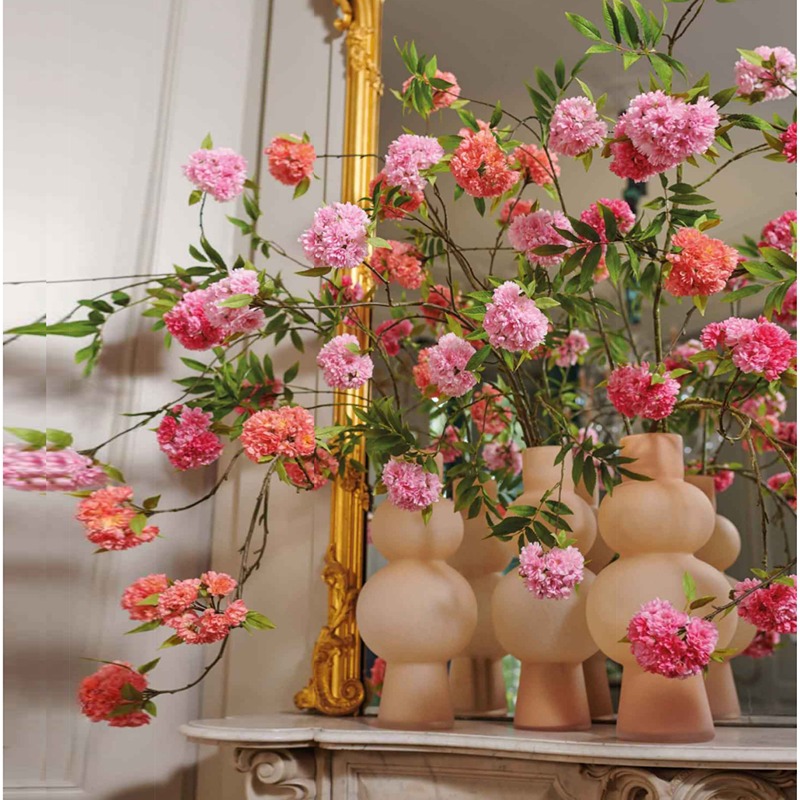
GERANIUMS
These nature inspired Geranium flowers exubers luxury and will turn your house in to beautiful welcoming place. Arrange them as a bouquet in a statement vase and will sure be a conversation piece.
For this season Geranium has got makeover with bright pink, vibrant red and peach orange flowers
and leaves that have turned from gray to spring
green.
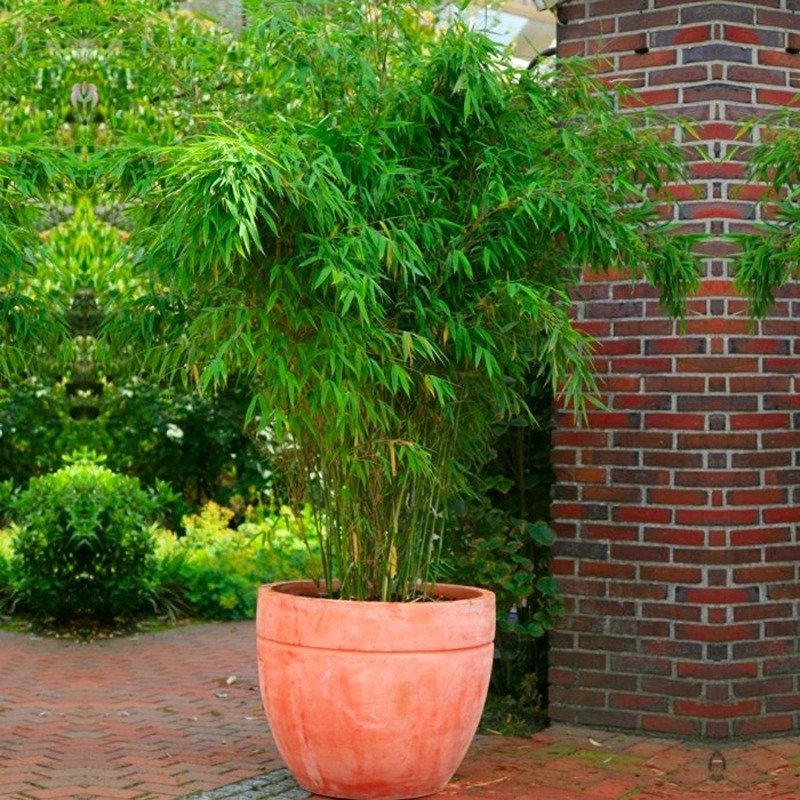
GOLDEN BAMBOO
Golden bamboo (Phyllostachys aurea) is a perennial “running bamboo” that is also sometimes referred to as fish-pole bamboo. Fast-growing and able to reach over 6 mt in height, it’s a popular choice for providing dramatic ornamental interest or for creating a living privacy screen or noise barrier. Golden bamboo is best planted in the spring or fall and is easy to grow, often establishing itself in as few as two years. Native to China, the woody and hollow stems of golden bamboo feature lush, lance-shaped green foliage, while the lower cane has a striking yellow-green tortoiseshell pattern and distinct compressed internodes (the stem section between two joints). As with most bamboo species, golden bamboo rarely flowers, and seed production is exceptionally unusual.

GRASS
Grasses are herbaceous (er-bay-shus) plants. Herbaceous means that they have tender green stems, rather than woody stems like those of trees and shrubs. Two main types of grass for turf are warm-season grass and cool-season grass. Warm-season grass originates in the South and grows best in hot weather. Warm-season grass lawns will typically go dormant and turn brown in cool temperatures.
BERMUDA GRASS – Bermuda grass is commonly used for lawns in Dubai.
PASPALUM GRASS – Paspalum grass has also gained popularity in recent times.
DURBAN GRASS – Durban grass takes a reasonably long time to grow.
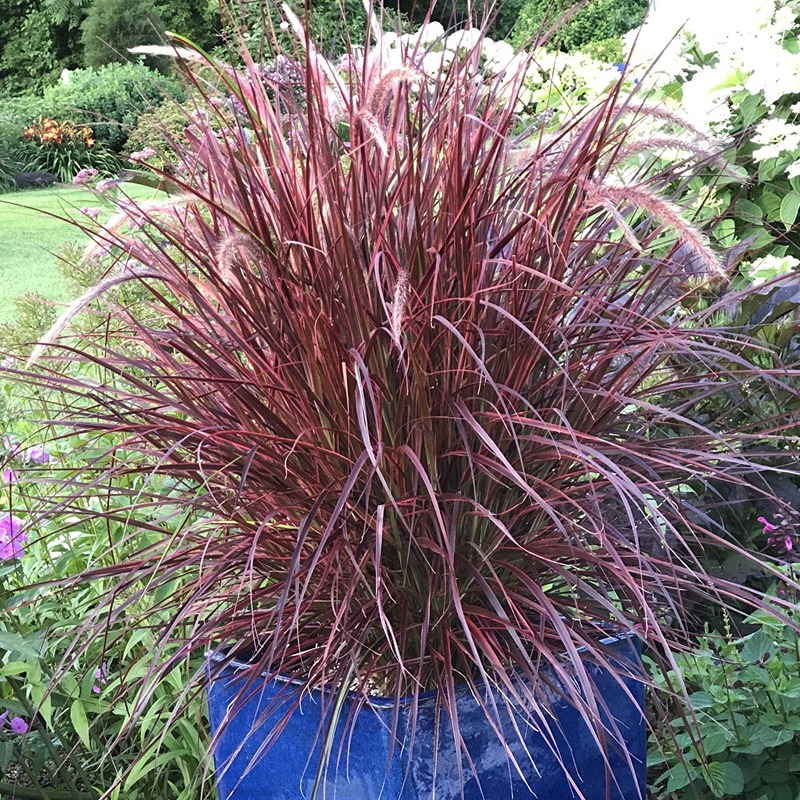
GRASS – FOUNTAIN
Fountaingrass, also known as the Pennisetum genus, encompasses a wide variety of landscape grasses beloved for their soft shape, sprawling nature, and fuzzy plumes. Native to Africa and southern Asia, they come in a wide range of sizes, shapes, and colors, and are uniquely suited to landscape design and container gardens alike. In general, most varietals of fountaingrass are easy to care for and will reward your efforts with eye-catching blooms through summer and early fall. Their lovely flowers are perfect for cut and dried flower arrangements. Some of the well-known species of Pennisetum include feathertop grass (Pennisetum villosum) and pearl millet (Pennisetum glaucum).
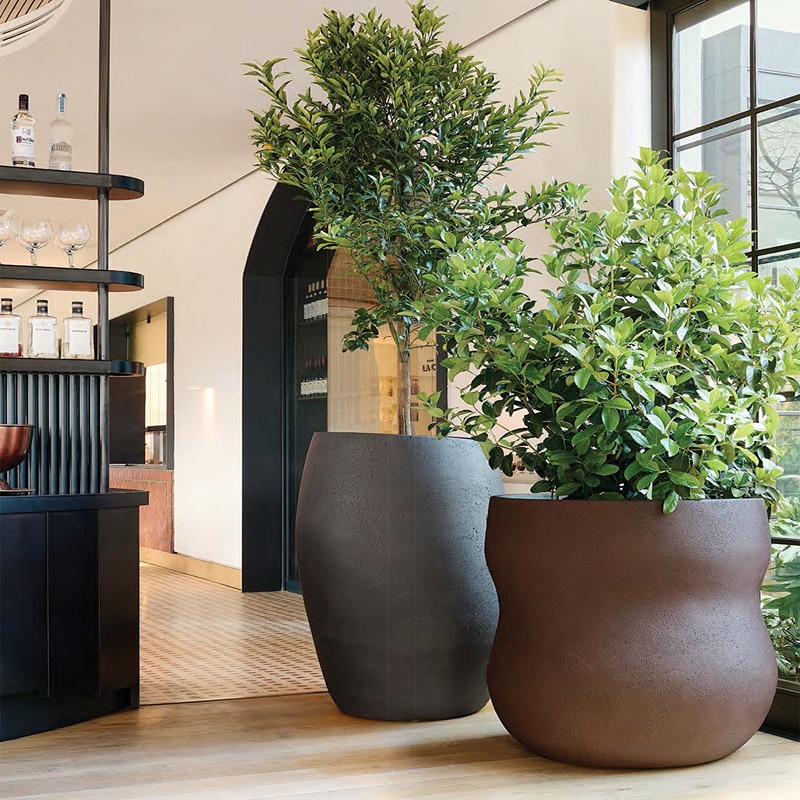
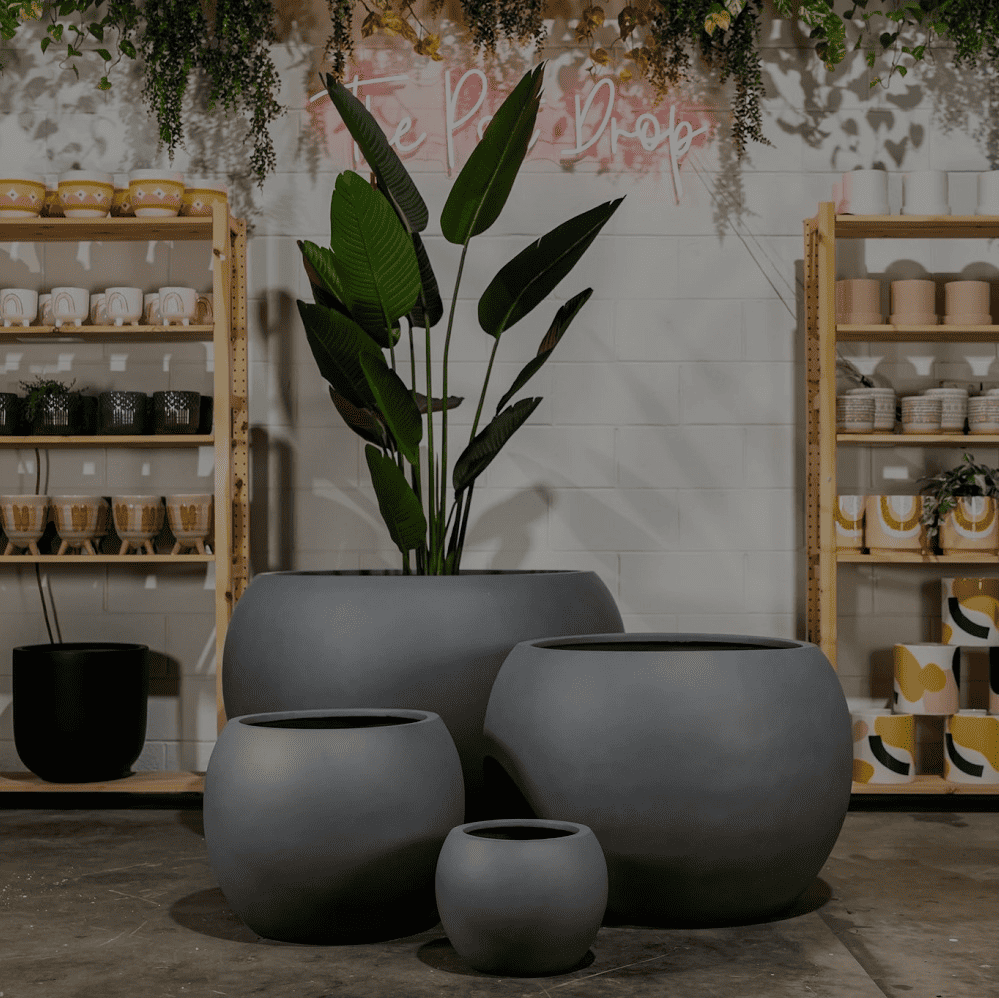
GRC Flower Pots in Dubai, UAE
This design is characterised by its soft organic form.
It’s suitable for any style and environment. The planter follows an
asymmetrical design with a beautiful play on negative
space. Inspired by nature, and made by translating the soft forms into a family of concrete
planters. Despite its size, the planter contributes in
abundance to the look and feel of any space.
Designed to stand together or independently, this
planters have been crafted to support larger
plants and trees. This planter comes with a liner pot inside.
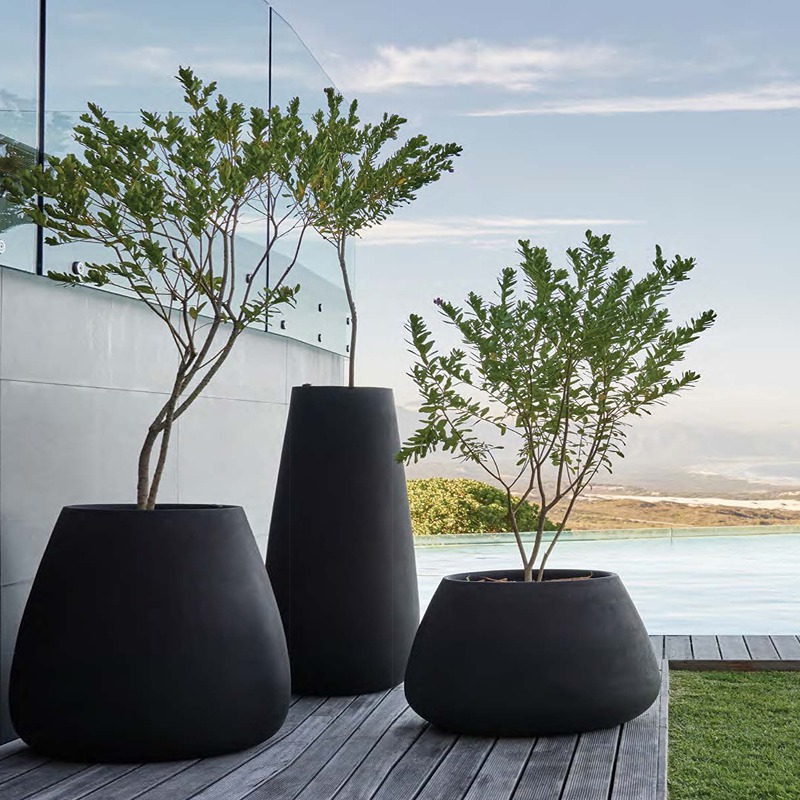
GRC Planters
This planter is inspired by the tubular shape of many plants and bulbs that lie just
beneath the surface of the soil. It is almost as if the planter
brings this sub-terraneous shape out to represent the life
support system of the plant for all to see – life springing
forth and nourished from a tubular root structure. This planter comes with a liner pot inside.
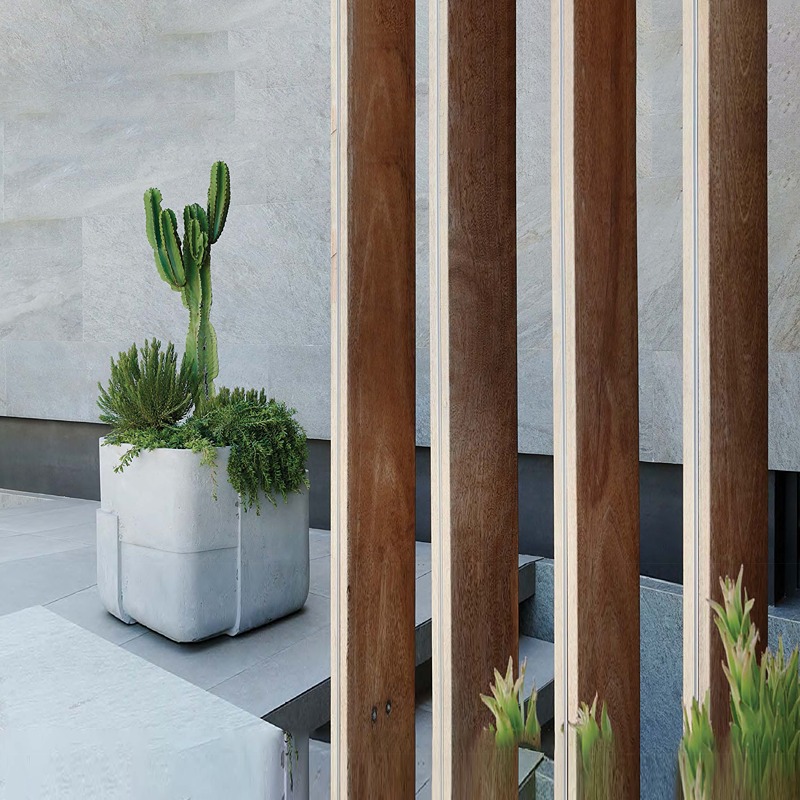
GRC Planters & GRC Pots
The planter has subtly overlapping layers
with different depths to create the play with light and
minerality that designer saw in the natural landscape
and wanted to represent. The earthy colours (brown,
red, sandstone) used in this range are very much part
of the story designer wanted to communicate. This planter comes with a liner pot inside.
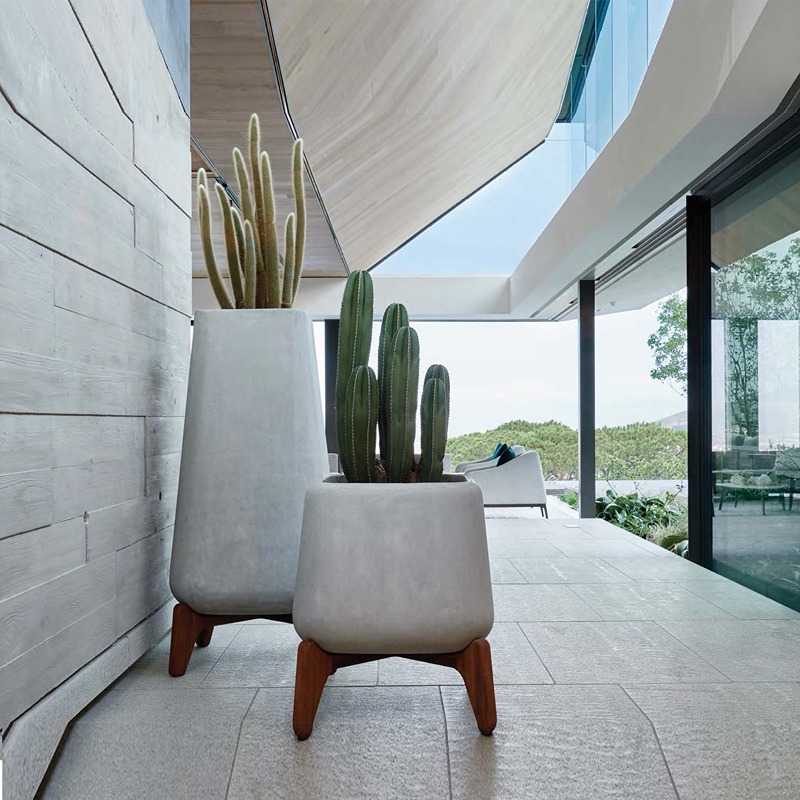
GRC POT – SA
This planter brings weight and grounding
to planters raised up on stands in the mid-century
modern tradition. It is also square adding to the solidity
and the wooden bases are contoured and sculpted into
the planter making for a stable earthy interpretation that
still feels light, modern and elegantly curvaceous. This planter comes with a liner pot inside.
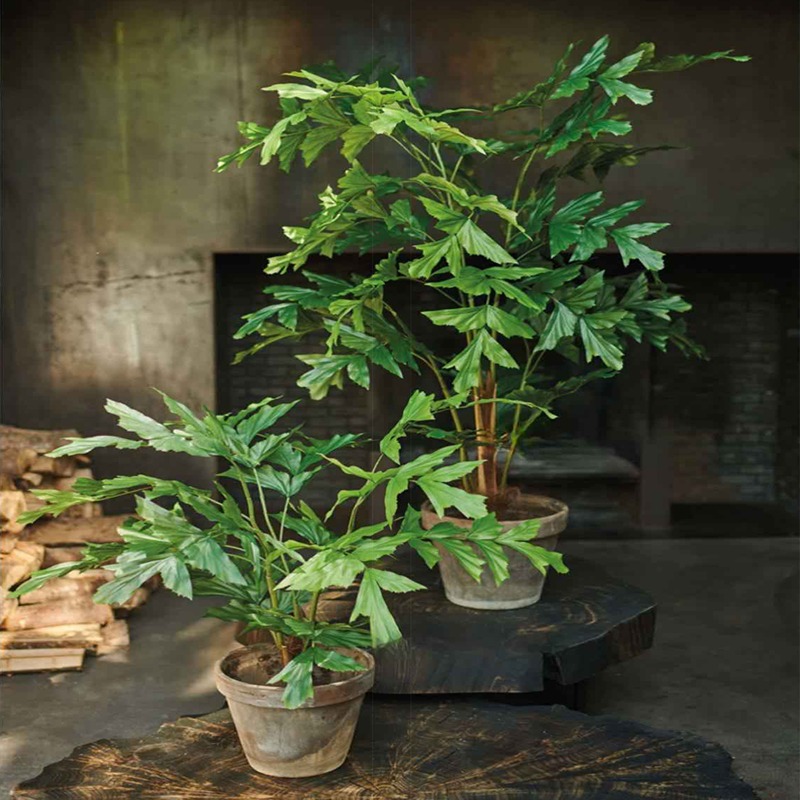
GREEN PALM
Hassle-free and elegant, low maintainance artificial greens are the best for home styling. Showcase this stunning green faux mediteranian plant in a medium and small pot. This plant is handmade by experienced artisans meeting with the highest standards of quality.
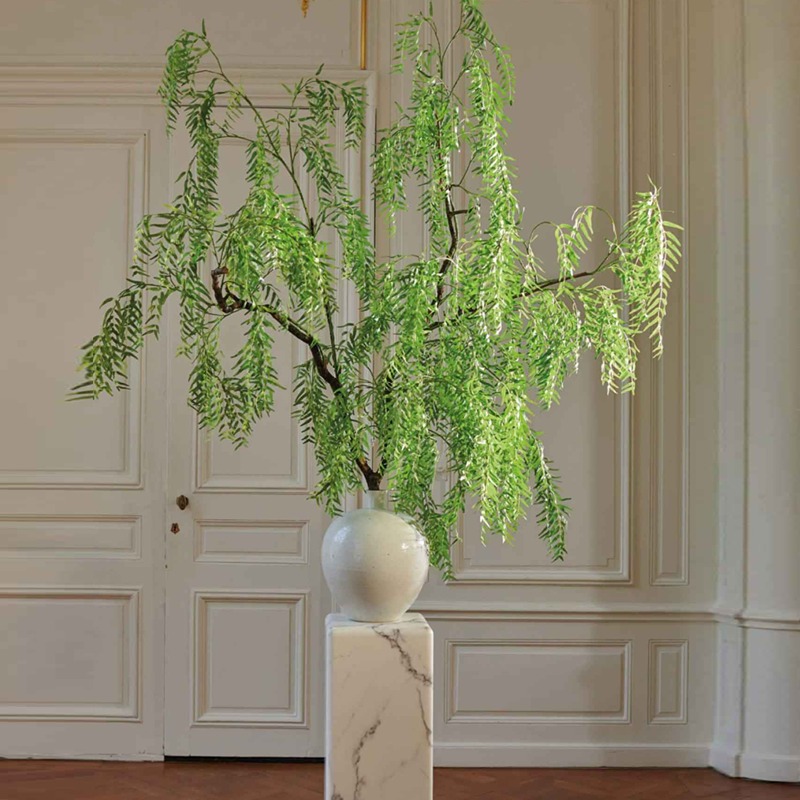
GREEN WILLOW BRANCH
The simple way to enhance your artificial flower arrangements is to add fillers like this green faux willow branch. These offers textural and visual details to create a more interesting look. This Artificial Branch will add the perfect touch of elegance to your home decor. With its long and spring budding branches, bring a touch of nature indoors without the hassle of caring for a live plant.
This leafy branch is designed with silk material & is part of flower collections. This branch is handmade by experienced artisans meeting with the highest standards of quality.
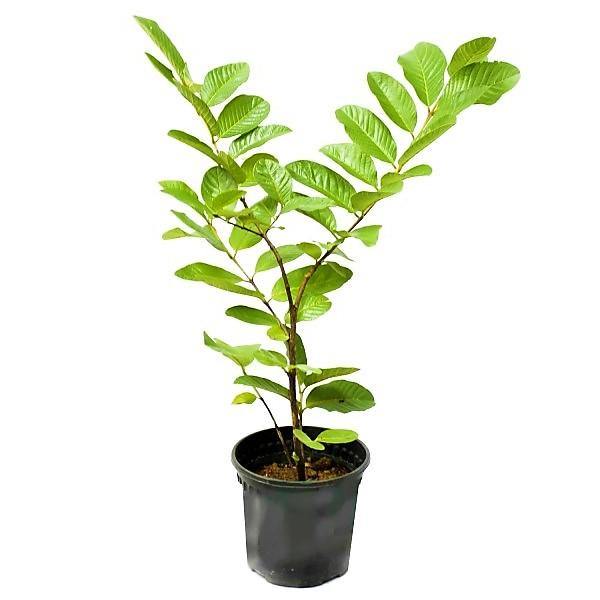
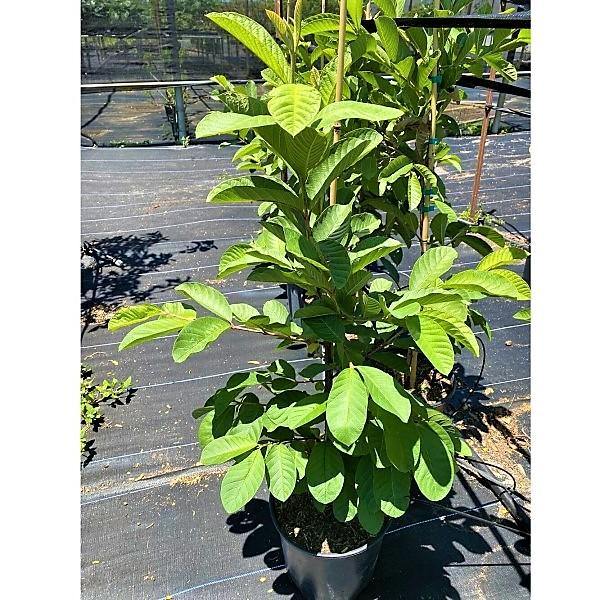
GUAVA TREE
Psidium guajava Or Guava Tree is an Evergreen shrub or small tree to 9 m (30 ft) tall, with scaly greenish-brown bark and young branches 4-angled, pubescent. Leaves opposite, simple, short stalked, entire, oval to oblong-elliptic, to 15 cm (6 in) long, pubescent below, with veins impressed above and conspicuously raised below. Flowers white, fragrant, to 4 cm (1.6 in) wide, borne singly or a few together at leaf axils; many stamens. Fruit an oval or pear-shaped berry, 3-10 cm (1-4 in) long, yellow at maturity, with yellow or dark pink flesh.
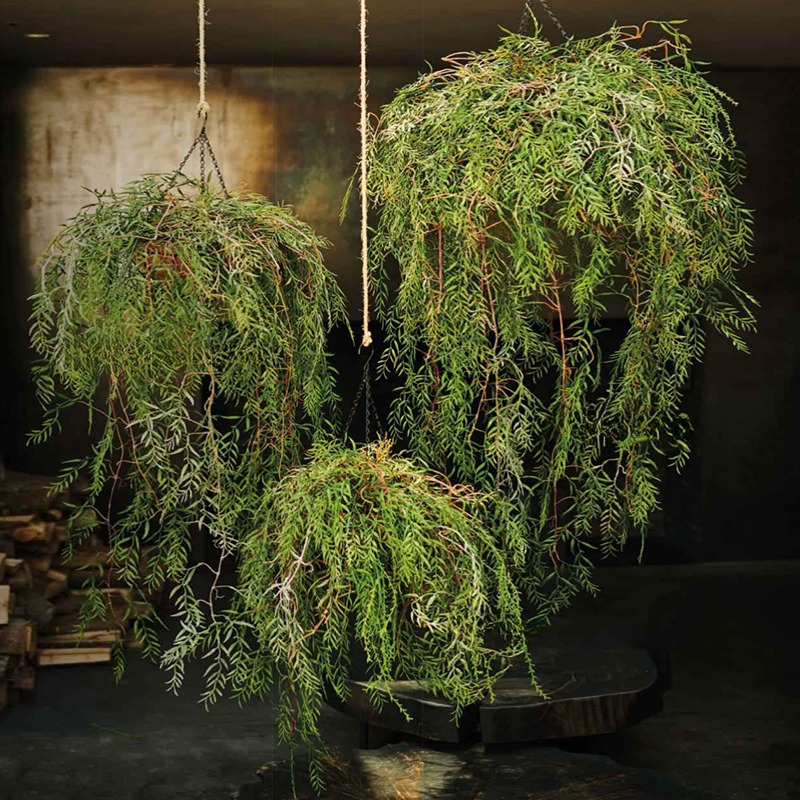
HANGING GREENS
Find artificial hanging house plants that need no care to keep your living space bright and fresh! This faux soft touch hanging plant with trailing leaves will look gorgeous in a basket or a planter.
This plant is designed with silk material & is part of plant collections. This hanging plant is handmade by experienced artisans meeting with the highest standards of quality.
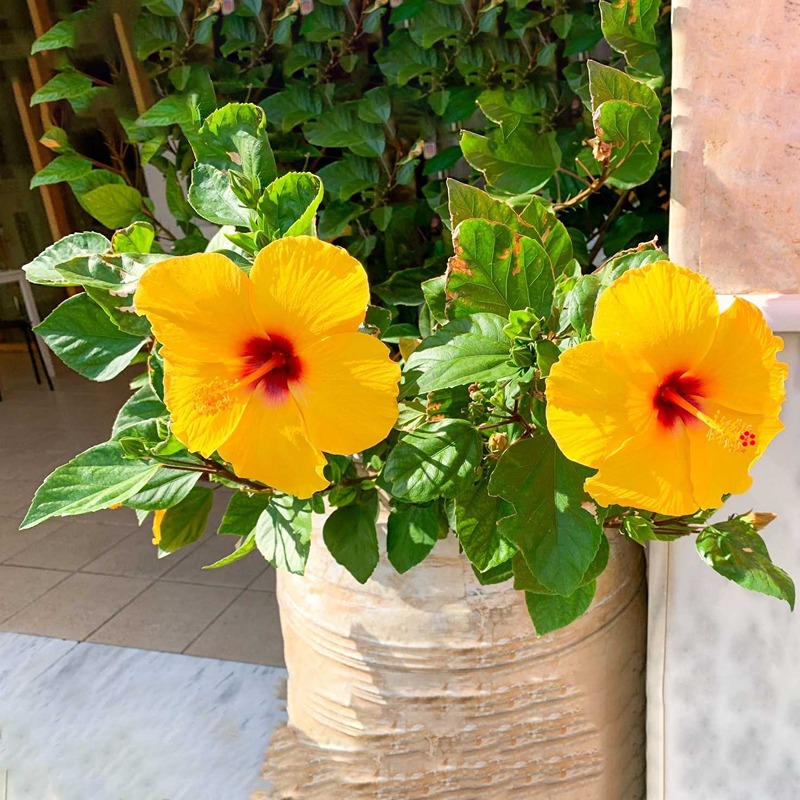
HIBISCUS
The tropical-looking flowers of the Hibiscus create a warm-weather vibe and make this perennial a favorite of many. There are two varieties of Hibiscus: hardy and tropical. Hardy Hibiscus can quickly outgrow a container, and they naturally go dormant during the colder months, so it is not common to grow this variety in a pot. Potted hibiscus feels most comfortable at indoor temperatures between 18 and 28 °C. If the temperature outside is consistently above 15 °C, your indoor hibiscus can move outside in the summer. Here, it prefers a semi-shady and sheltered location. Both indoors and outdoors, the hibiscus is extremely loyal to its location. This means that once it begins to bloom, it should not be moved. A change of location places great stress on the plant and can lead to the shedding of flowers.
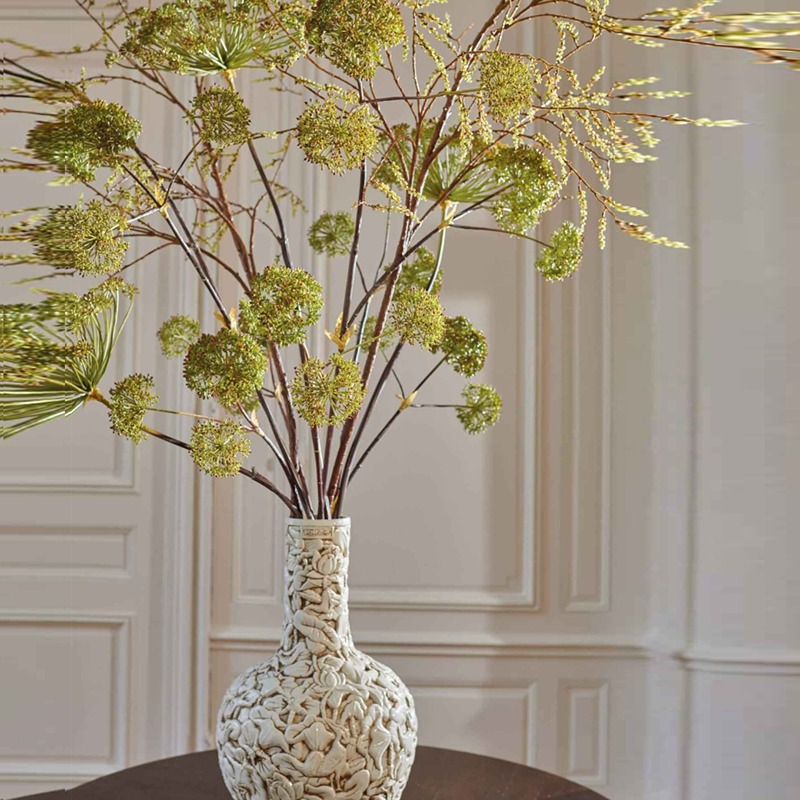
HOGWEED GREEN
Elevated interior designing begins with styling tall, artificial branches like this faux branch. It has lush green leaves and yellow green seeded accents that enhance the realistic look of this greenery. Showcase it alone in your favorite floor planter or tall vase for an arrangement that boasts sophisticated simplicity and invites a permanent feeling of nature indoors.
This flower is designed with silk material & is part of flower collections. This flower is handmade by experienced artisans meeting with the highest standards of quality.
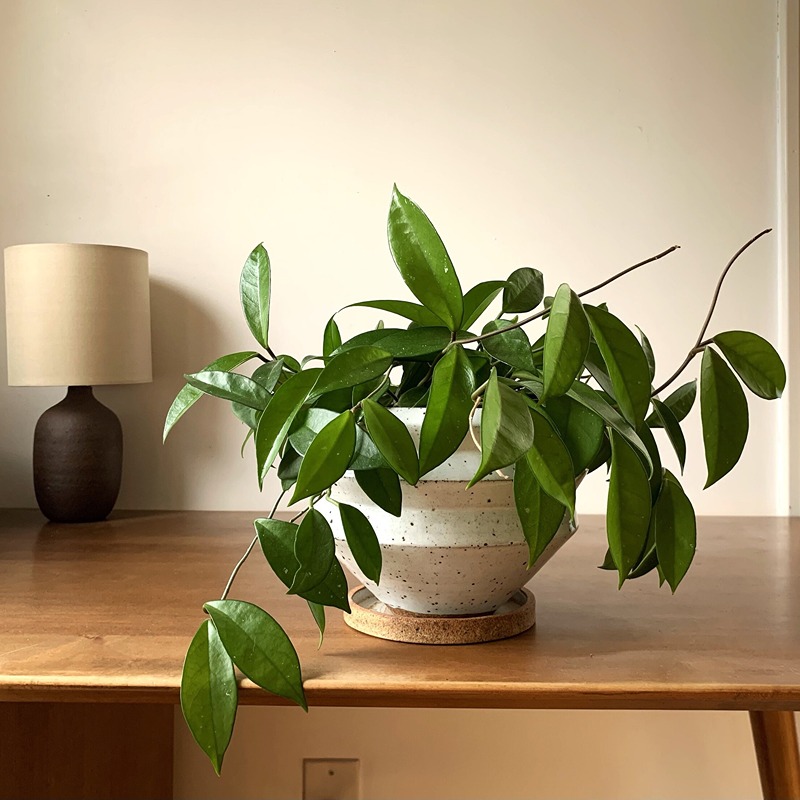
HOYA CARNOSA
This tropical indoor plant — often called a “Wax plant” due to its thick waxy leaves — is a classic because it lives forever, grows to be enormous, and creates beautiful, porcelain-like fragrant flower clusters (it’s also often called “Porcelain flower”). Hoya carnosa has historically been the most widely cultivated Hoya in the Western world. The plant has been hybridized with other species and cultivated for genetic mutations of the leaves and blooms to give us new plants with new names. Soil Choice: Hoyas can be grown in an airy, well-draining mix and need water more frequently, or they can be potted with a more traditional houseplant or succulent soil blend with less frequent waterings. Although chunkier mixes require more attentive care, plants grow faster and stronger with airy soil blends. Common Hoya soil blends amend succulent soil with perlite and orchid bark.
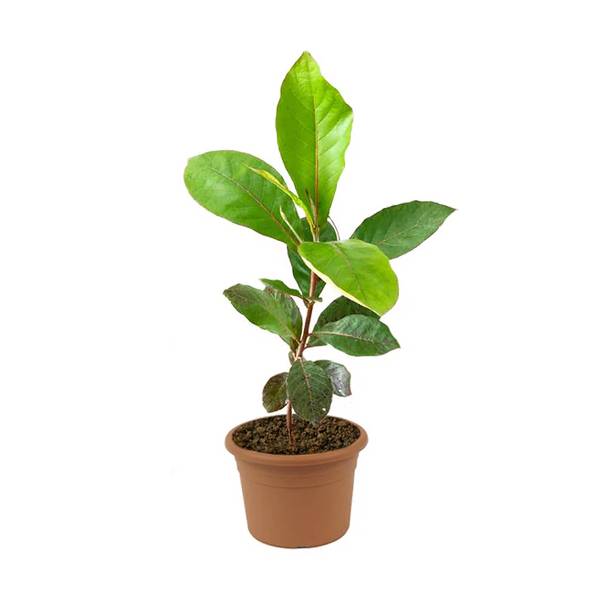
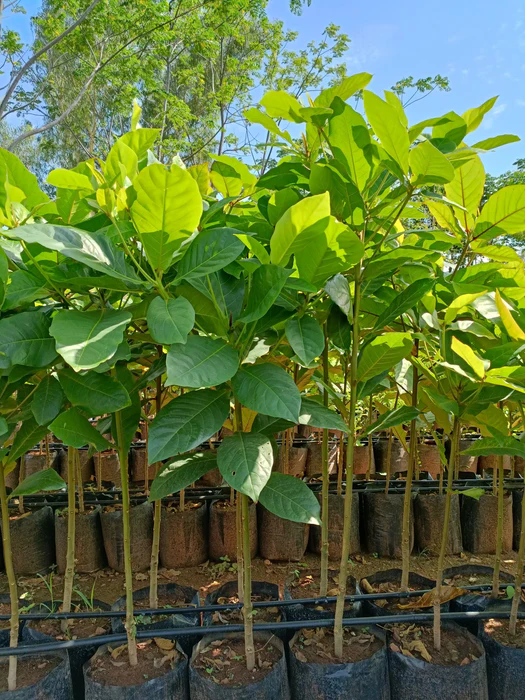
INDIAN ALMOND TREE
Terminalia Catappa Aka Indian Almond is a perennial evergreen tree that grows upright forming a crown shape with branches arranged distinctively in tiers. And as the tree comes to ages the crown shape becomes flattened increasingly and eventually turns into a vase shape. Indian Almond trees have a tendency to grow up to the height of 35m, and they also have a distinctive leaf, which are quite big in size. These leaves are leathery thick with an ovoid shape and a glossy dark green colour. And before shedding its leaves in order to survive the dry season, these trees will retract their green pigmentation, leaving the leaves yellow-brown or pinkish-reddish. Adding to its appearance, they also contain flowers that are about 1 cm in diameter and quite inconspicuous. Therefore, these trees could be a deep shade and be the most favoured ornamental tree along parks and streets.
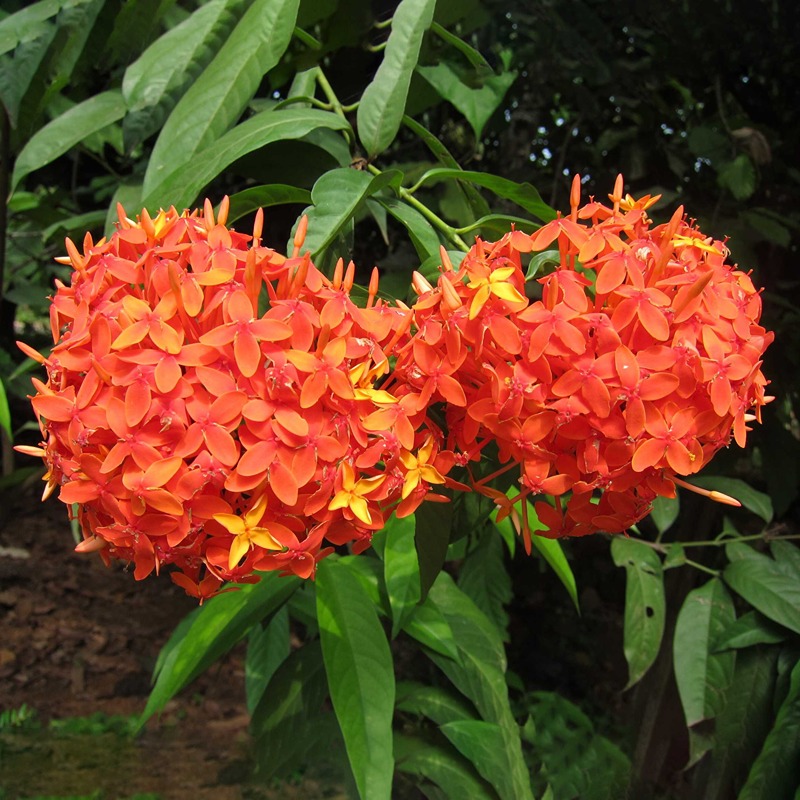
IXORA
Native to Asia, Ixora plants are actually small shrubs that grow in subtropical regions, making them suitable for outdoor growth in the country. Started and grown year-round outdoors, Ixora plants feature large clusters of red, yellow, white, or orange flowers that emerge like puffballs from the evergreen leaves continuously throughout the year. They are relatively easy to grow outdoors under the right conditions, keeping an Ixora plant happy and blooming inside can be a challenge even for an experienced gardener. In either location, the plant will grow slowly, so patience is key if you’re hoping for an oversized shrub.
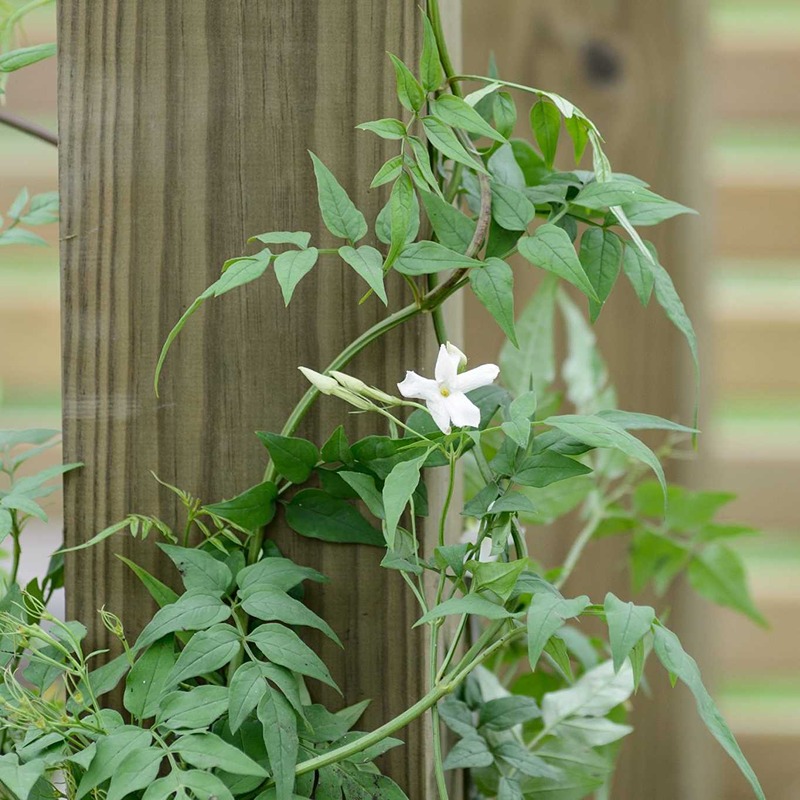
JASMINE CREEPER
From the teas we drink to the perfume we wear, jasmine is beloved for its signature floral scent. While there are several different types of jasmine plants, the genus Jasminum, also known as Jasminum sambac and J.polyanthum, are true jasmines. True jasmines are shrubs and vines that generally become quite large over time, The small, numerous blossoms are often intense enough to fill a room with scent and can be enjoyed from several yards away in a garden. Many species and styles of jasmine are available, most of which make a delightfully fragrant addition to the garden.
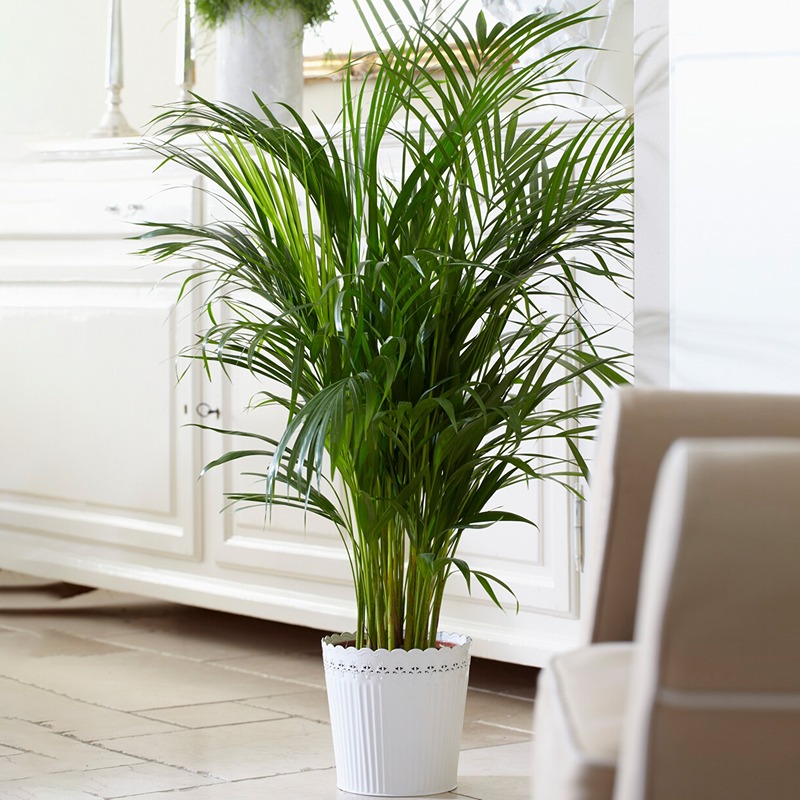
KENTIA
The Kentia palm (Howea forsteriana) is a majestic palm tree that thrives in tropical climates and is a popular houseplant. This palm is slow-growing but ultimately can reach 40 feet high. It has arching, erect, feather-like fronds with green leaves that stretch around 10 to 12 feet long. The fronds grow from a slender single trunk that matures from green to dark brown. Insignificant creamy white flowers form on spikes at the end of the year, and they give way to small oval fruits. This palm is best planted in the spring.
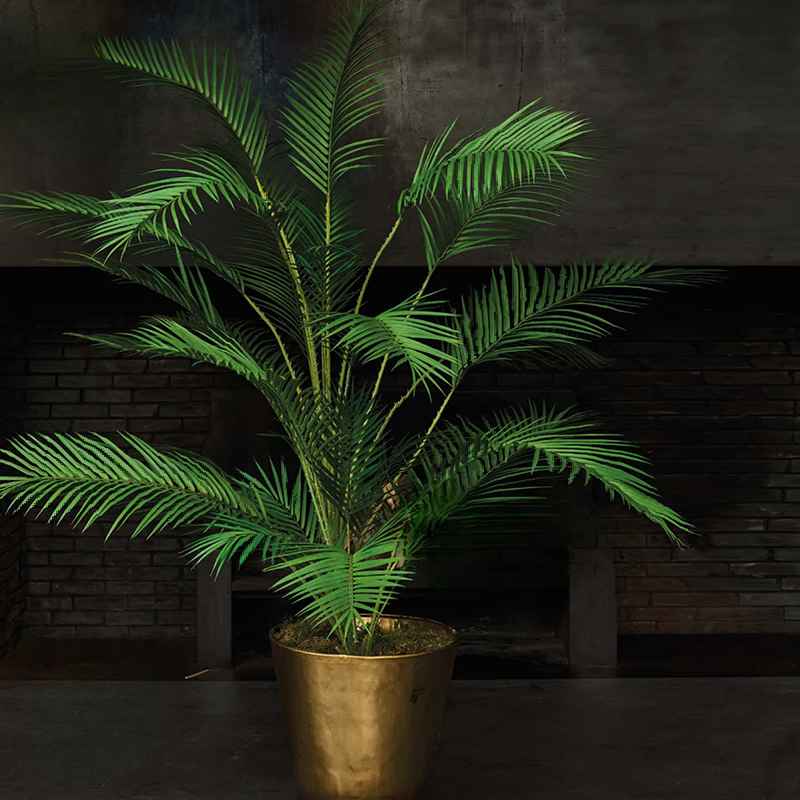
KENTIA PALM
Looking for faux plants that look real? look no further, this unbelievable real-touch palm is the plant you’ve been waiting for! Replace your needy plants with one that doesn’t need sunlight or water. This plant is handmade by experienced artisans meeting with the highest standards of quality.
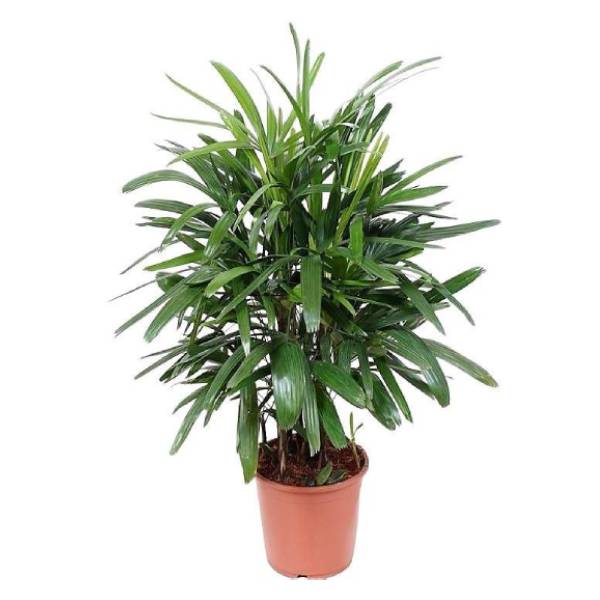
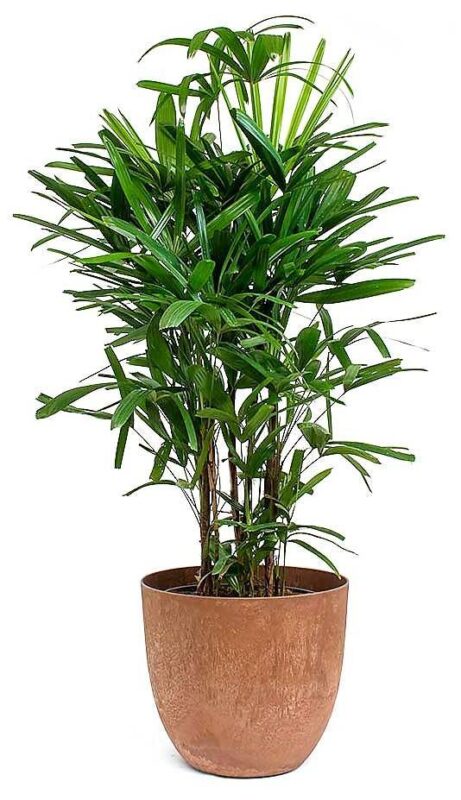
LADY PALM (RHAPIS PALM)
A delightful fan palm, with large, thick leaves, that are wider than many other palms and blunt tipped. Rhapis excelsa bears rhizome offshoots, leading to clusters of upright stems, perfect for a flourish of lush interior greenery. Thick fibres envelop new stems, these fall away in time to reveal bamboo-like trunks, and give the palm its other common name: Bamboo Palm. Rhapis excelsa is a versatile slow growing palm that adapts extremely well to being grown indoors in a container. It is not fussy about light or humidity, being one of the more shade tolerant palms.
Common name of Rhaphis excelsa is lady palm or miniature fan palm. Small, clump-forming palm with slender, erect, bamboo- or reed-like stems. The long-stalked, deeply lobed, lustrous, dark green leaves, 20-30cm long, each have 3-10 broadly to narrowly lance-shaped, puckered lobes. Tiny, bowl-shaped cream flowers are borne in panicles, to 12cm long, among the leaves, in summer.
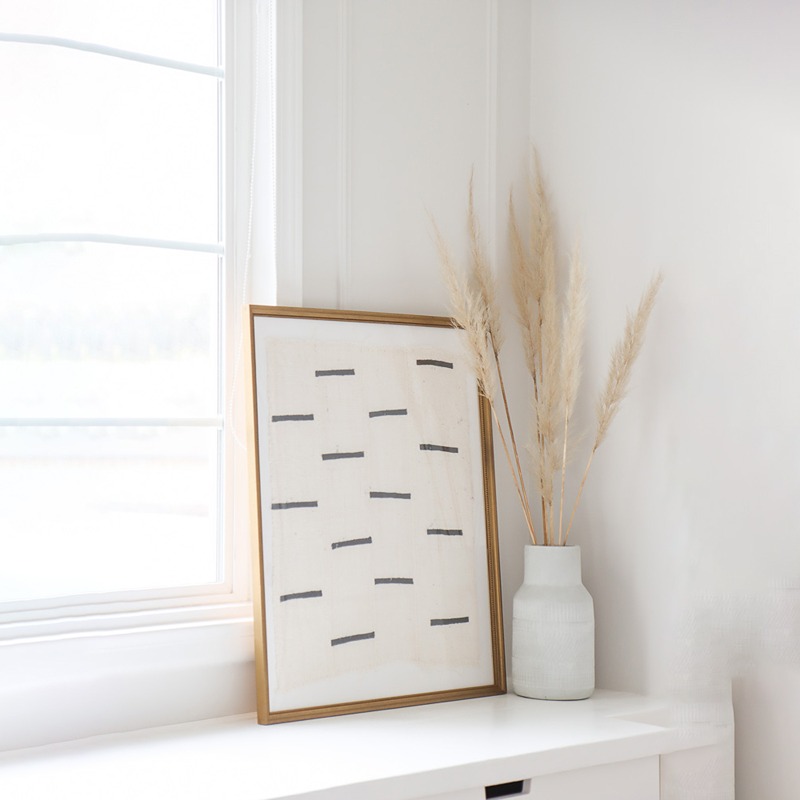
Landscaping Accessories In Dubai, UAE
This monochrome display is created to draw attention to the fabric texture. Blending perfectly with any modern-day or eclectic décor theme, this framed, abstract canvas art can highlight any space in a room. Pair up with other monochrome decore piece and the result will be picture perfect.
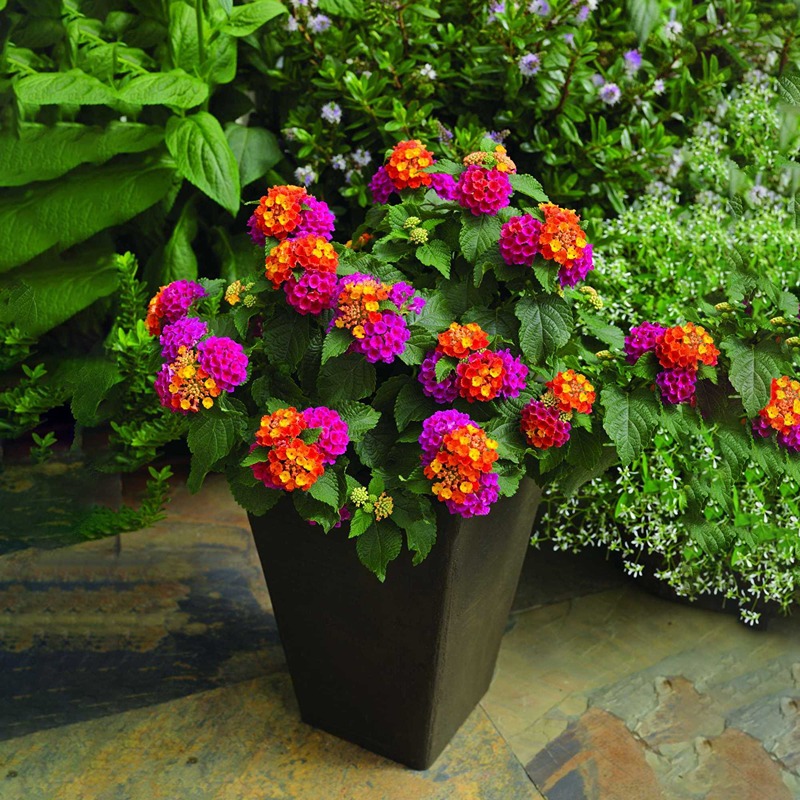
LANTANA
Lantana is a perennial vining, flowering shrub in warm zones and an annual in places with frosty winters. Fast-growing lantana produces rounded clusters of small, brightly colored flowers in yellow, orange, white, red, pink, blue, or purple and is often used in hanging baskets or ground covers. Lantana grows best in full sun conditions and requires at least six hours of direct sunlight, preferring neutral, well-draining soil and temperatures above 12 degrees celsius.
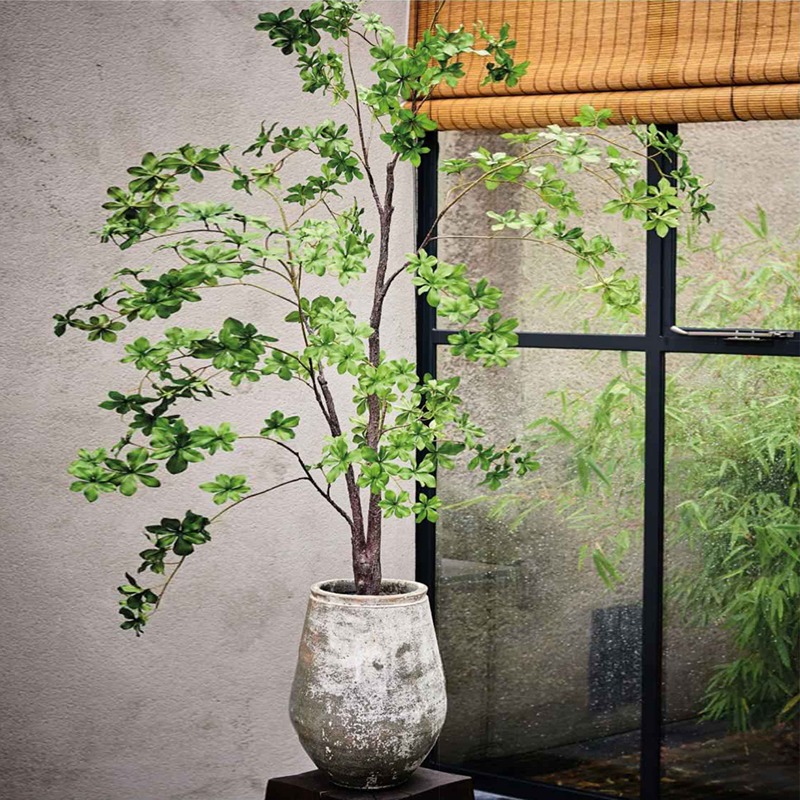
LEAFY GREEN TREE
Enjoy permanent botanicals in this ever-popular leafy green tree with dark green foliage. Display these green artificial faux leaves in a pot to create a beautiful look. This plant is handmade by experienced artisans meeting with the highest standards of quality.
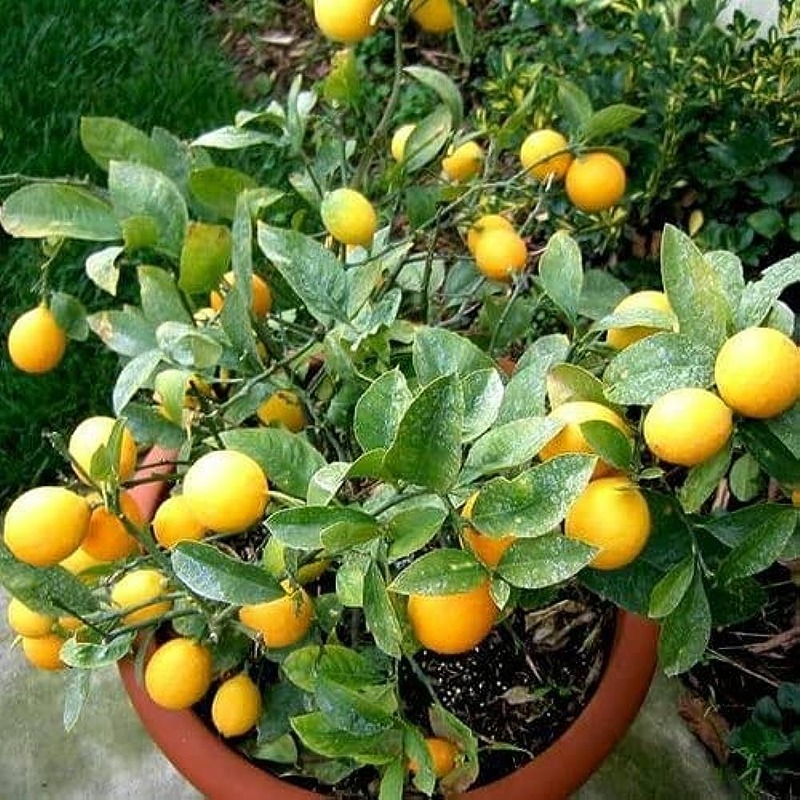
LEMON TREE
Lemon trees (Citrus limon) grow best in tropical and semi-tropical climates. The tree’s reddish buds develop into mildly fragrant white and purple flowers in solitary or small clusters of two or more blooms. Be aware there are often sharp thorns on the twigs of the tree. Plant your lemon tree in the spring and you can expect it to be established within three years.
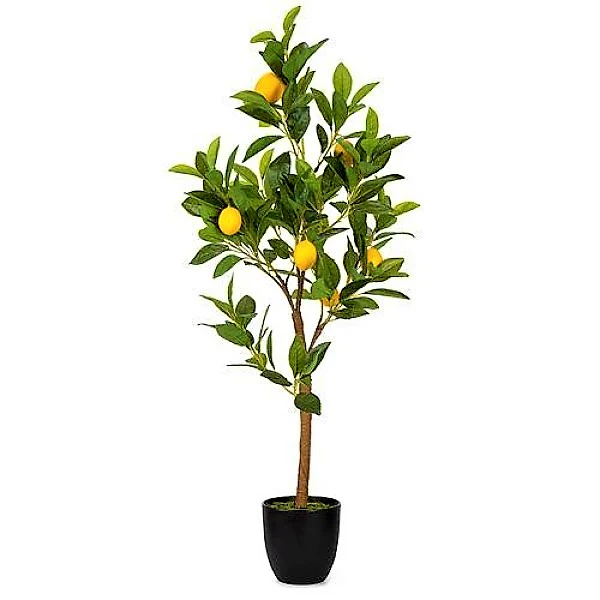
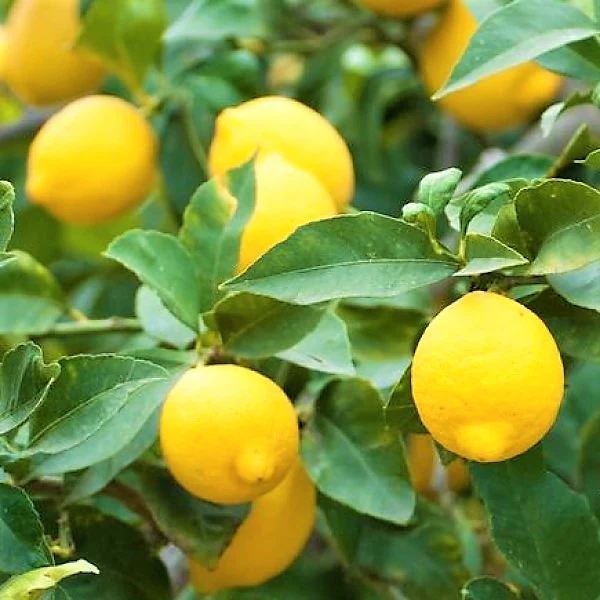
LEMON TREE (CITRUS TREE)
Citrus Lemon is large shrub or small, freely branching, spiny tree with narrowly ovate, finely toothed, light green leaves, 5-10cm long. Fragrant white flowers, 4-5cm across, borne singly or in small cymes, open from red- or purple-tinted buds; they are followed by broadly ovoid yellow fruit, 7-15cm long. Height 2-7m, Spread 1.5-3m. Native of Asia.
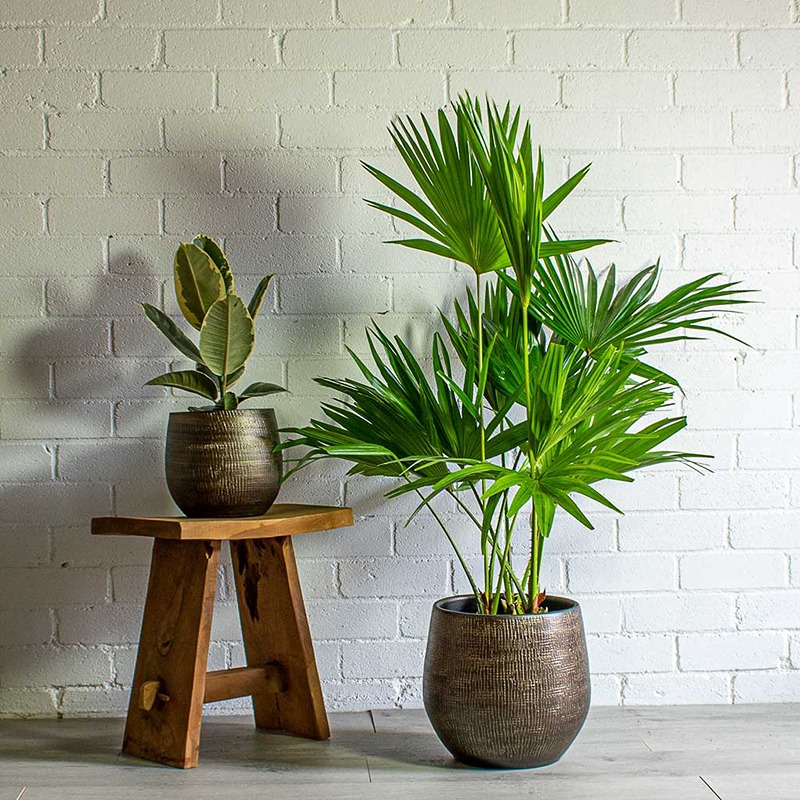
LIVISTONA PALM
These indoor palm plants perform well when kept in presence of bright indirect light to partial shade. Water them moderately, and allow their topsoil to dry completely before watering. Remember to water them enough to keep their soil moist, but not wet. Water less in winter and check the top 3 inches to be dry to touch. Use filtered, distilled or rain water to avoid chemicals in the tap water. Most indoor plants like a steady diet of liquid plant food, but not palms. Palms are slow-growing, especially indoors, and don’t need much fertilizer. Livistona Palms will thrive in a humid spot, so introducing a pebble tray whilst the heaters are operating will ensure adequate moisture around its foliage. You can even mist the foliage once a month to hydrate and wash away excess dust from its leaves. An under-humid location will cause the leaf-tips to dry and brown over which is typically more common in the height of winter. Always keep the Palm at least four metres from an operating heat source due to the negative effects it has on transpiration and therefore leaf hydration.
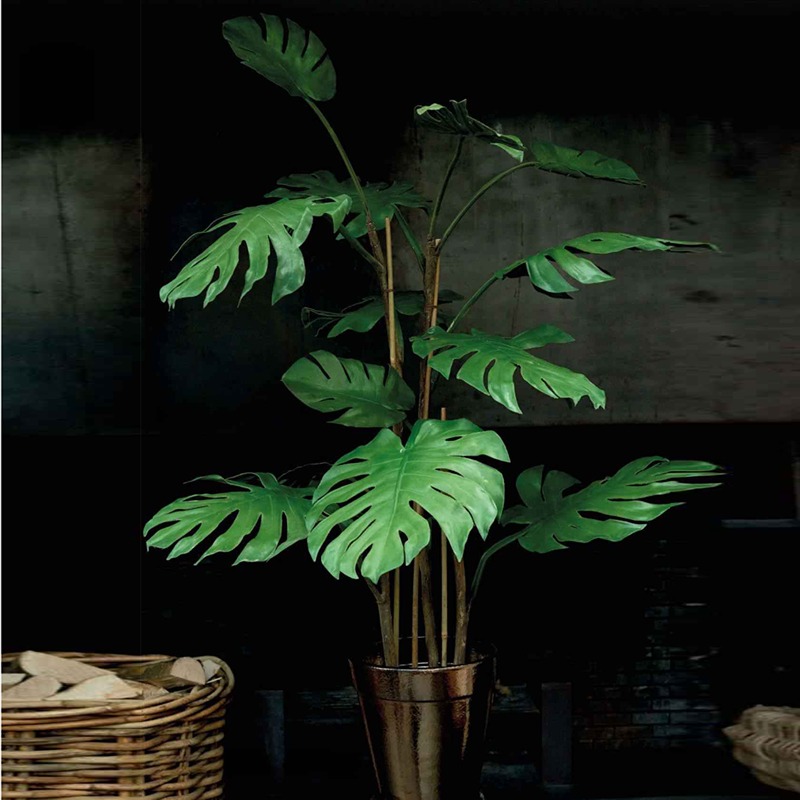
Long Lasting Artificial Monstera Plant
Looking for a change and a way to add some life to your indoor space? This Monstera, features beautiful torn faux leaves in dark and light green. Great to use as filler or style along with other plants for a full plant look.
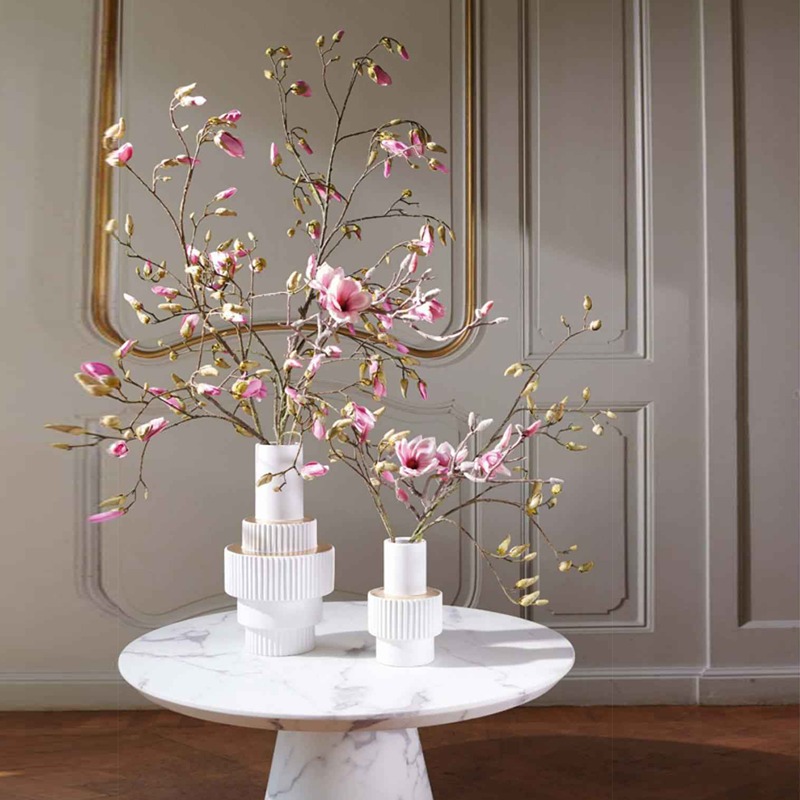
MAGNOLIA
Simple styling has never been more simple, or beautiful! These artificial magnolia stems are perfect for any space or any season. Bold enough to be styled alone, yet make the perfect neutral focal bloom for your spring centerpieces. This realistic faux magnolia stem offers blooms that are fully open as well as partially open for an ultra-realistic look.
This Magnolia flower is designed with silk material & is part of flower collections. This flower is handmade by experienced artisans meeting with the highest standards of quality.
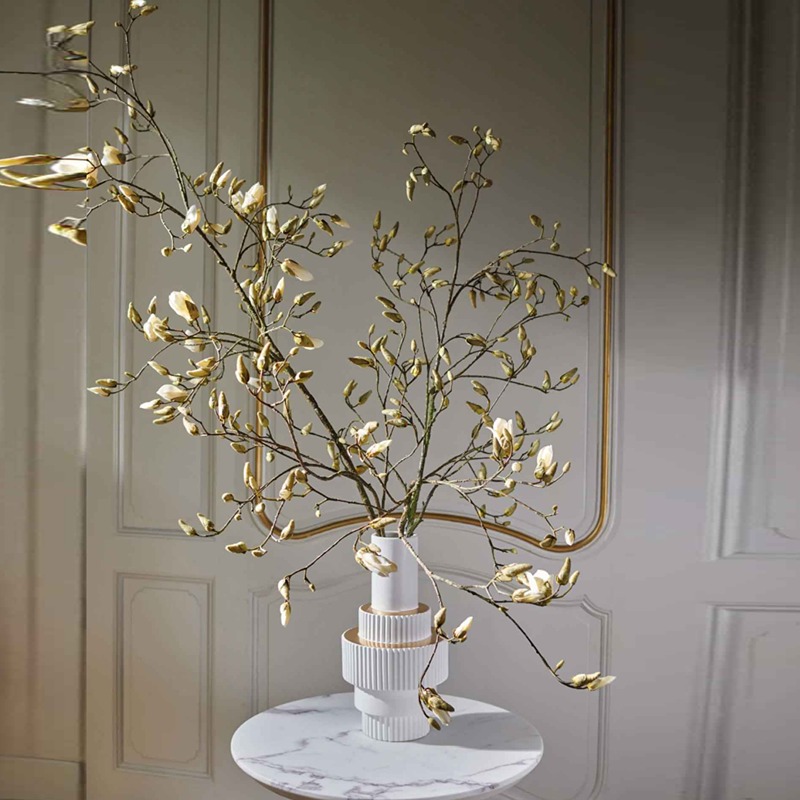
Magnolia Plant: Planting, Growing & Flower
Simple styling has never been more simple, or beautiful! These artificial cream magnolia stems are perfect for any space or any season. Bold enough to be styled alone, yet make the perfect neutral focal bloom for your spring centerpieces. This realistic faux magnolia stem offers blooms that are fully open as well as partially open for an ultra-realistic look.
This Magnolia flower is designed with silk material & is part of flower collections. This flower is handmade by experienced artisans meeting with the highest standards of quality.
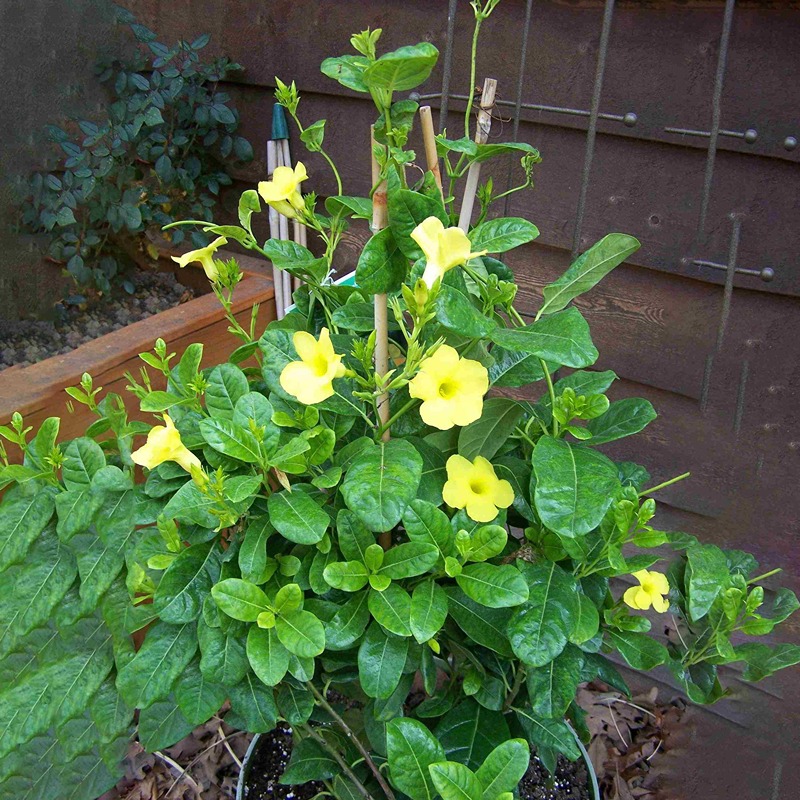
MANDEVILLA
Mandevilla, also known as rock trumpet, is a genus of flowering vines that grow in tropical and subtropical climates. The five-petal trumpet-shaped flowers are often showy and fragrant, typically coming in shades of pink, red, and white, occasionally with yellow throats. They generally bloom in summer and can stretch into fall, though in warm climates they can bloom year-round. Some species within the genus have smaller, more plentiful blooms while others have fewer, larger blooms. Their ovate leaves are usually a glossy green. These fast-growing vines should be planted in mid-to-late spring once the temperature is reliably warm.
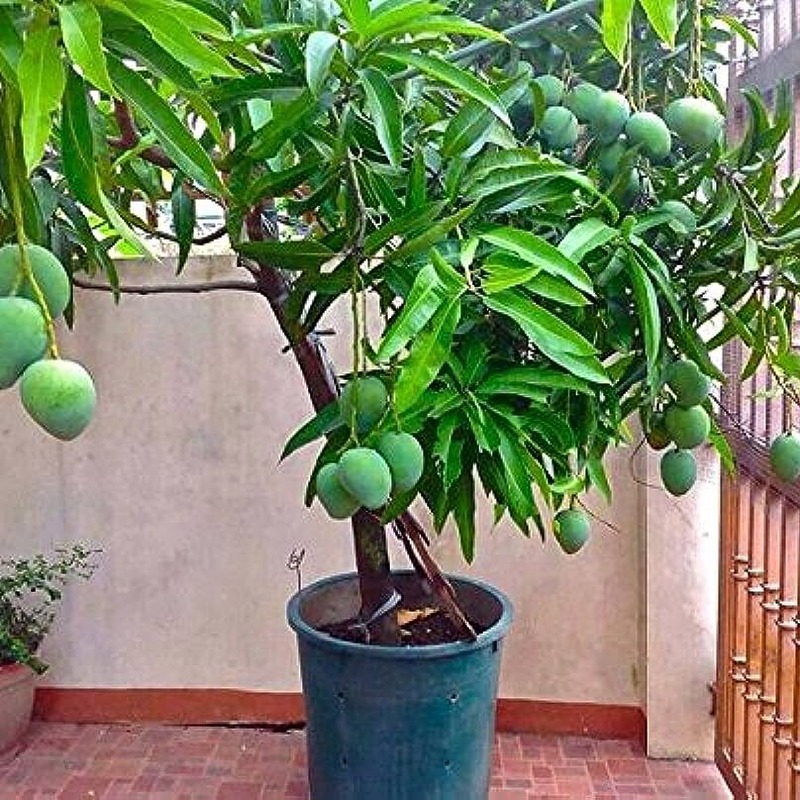
MANGO TREE
Although it can be tricky to grow, a mango tree (Mangifera indica) can make for an interesting specimen when grown in the ground or a large pot. This tree forms a dense canopy of long oblong green leaves in the right conditions, rewarding you with white flowers from December through March. After flowering, mango trees bear fruit three to five months later.
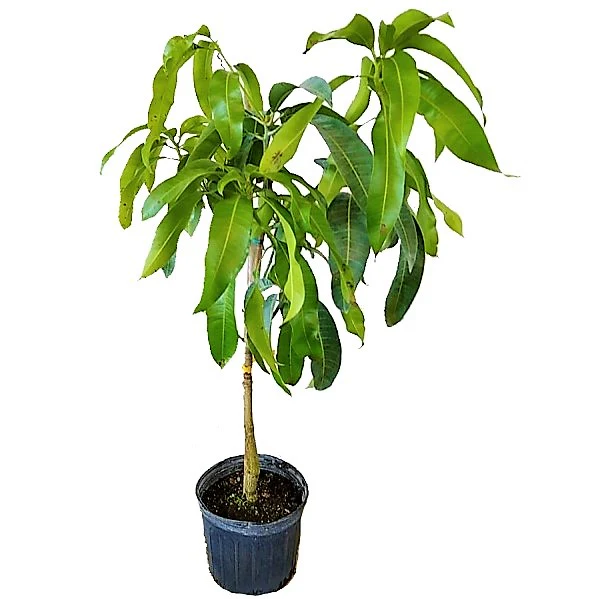
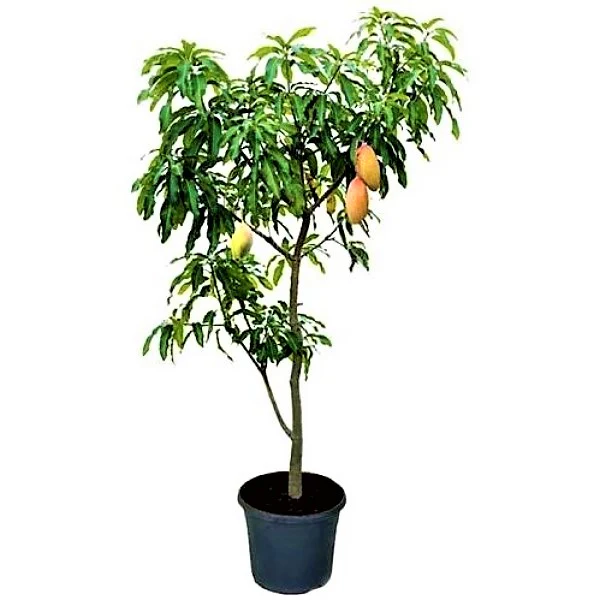
Mango Tree – Mangifera Indica
Grow your own Mangifera indica, Mango Tree, and savor sweet, juicy mangoes. Enjoy its deep green foliage and experience the joy of harvesting your own fruits at home. Perfect for gardeners looking to add a tropical touch to their space.
The Mangifera indica, mango tree or ? is erect, 30 to 100 ft (roughly 10-30 m) high, with a broad, rounded canopy which may, with age, attain 100 to 125 ft (30-38 m) in width, or a more upright, oval, relatively slender crown. In deep soil, the taproot descends to a depth of 20 ft (6 in), the profuse, wide-spreading, feeder root system also sends down many anchor roots which penetrate for several feet. The tree is long-lived, some specimens being known to be 300 years old and still fruiting. There is a single, longitudinally ribbed, pale yellowish-white, somewhat woody stone, flattened, oval or kidney-shaped, sometimes rather elongated.
MAPLE
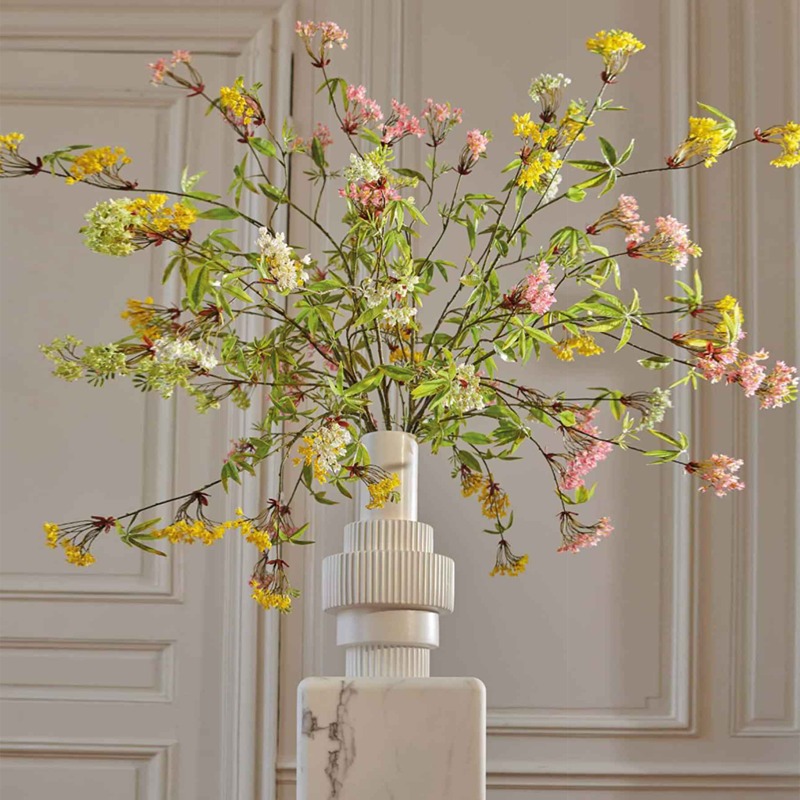
Create your artificial floral arrangements and designs with these stunning Maple flowers. They are among the best nature-inspired faux botanicals that bring permanent beauty to home decor and interior design. Style a few silk flower branches in a large table vase for an effortless centerpiece with an elevated look.
This flower is designed with silk material & is part of flower collections. This flower is handmade by experienced artisans meeting with the highest standards of quality.
METAL POT
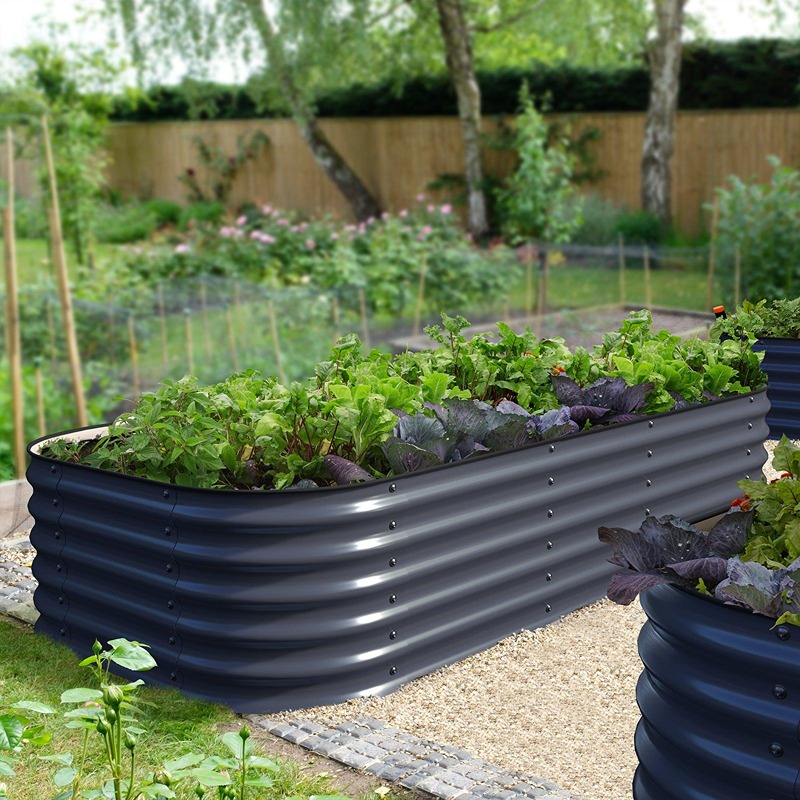
These planters are made with metal and available in various shapes and sizes. Specifically used as vegetable or flower beds as you can see but works wonders for herbs patch.
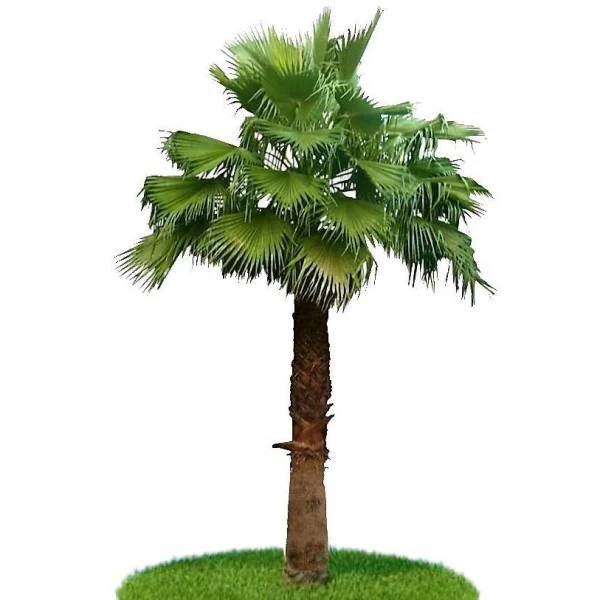
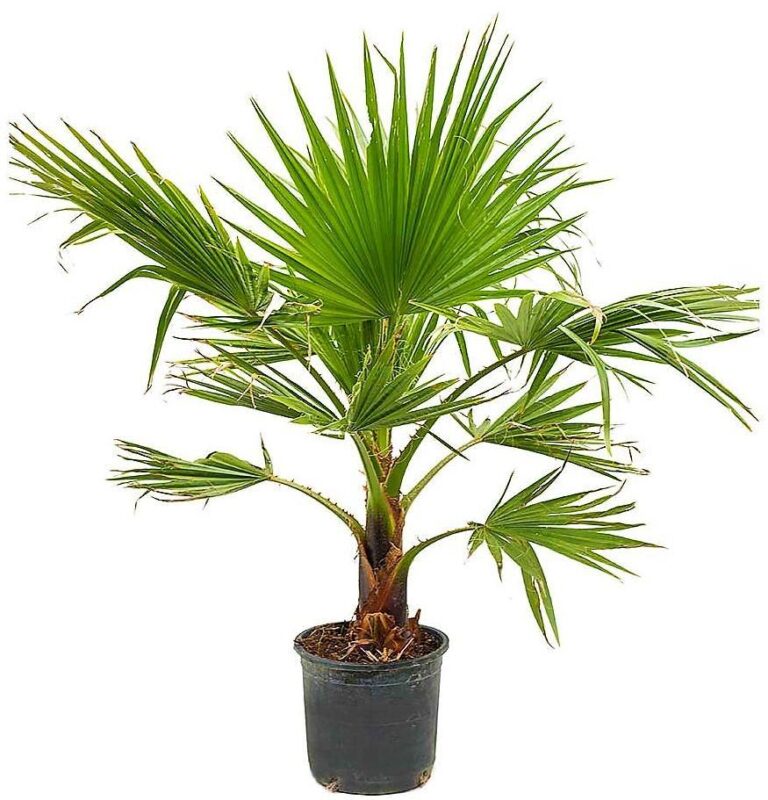
MEXICAN FAN PALM (WASHINGTONIA ROBUSTA)
Also known as Sky Duster, Cotton Palm and Petticoat Palm, Washingtonia robusta epitomises Californian boulevards. The Mexican Fan Palm has a tall, slender reddish trunk that swells towards the base topped by a crown of large, bright green, fan-shaped leaves, with cotton-like threads hanging from each leaf. With its strong architectural features and tropical good looks, this palm is a must for all interior landscapers.
Washingtonia robusta is known as Mexican Fan Palm Is commonly seen at 40 to 50 feet but capable of soaring to 80 feet in height, Washington Palm is quickly recognized as the much-used, straight, singletrunked street palm of years past. The lower leaves persist on the tree after they die, forming a dense, brown, shaggy covering below the living, bright green, broad, fan-shaped leaves, giving it the common name of petticoat palm.
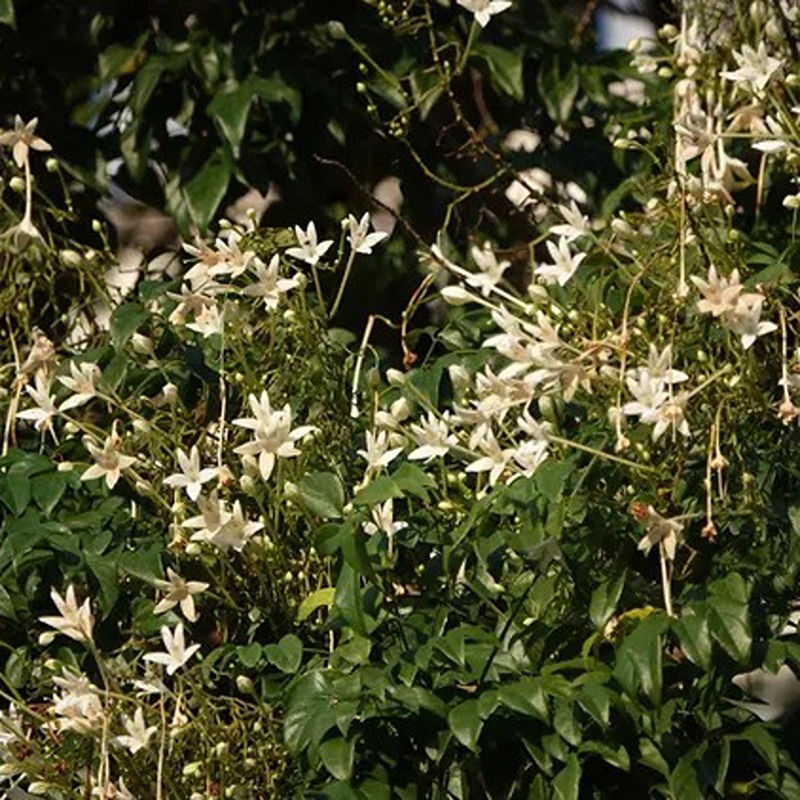
MILLINGTONIA – INDIAN CORK TREE
The indian cork tree is a tree native to many areas in Asia desired for its landscaping features and various uses. The plant possesses attractive foliage adorned with white, trumpet-shaped, and fragrant flowers used in rituals. The wood of this tree is a good timber; the bark is utilized as an inferior alternative to cork.
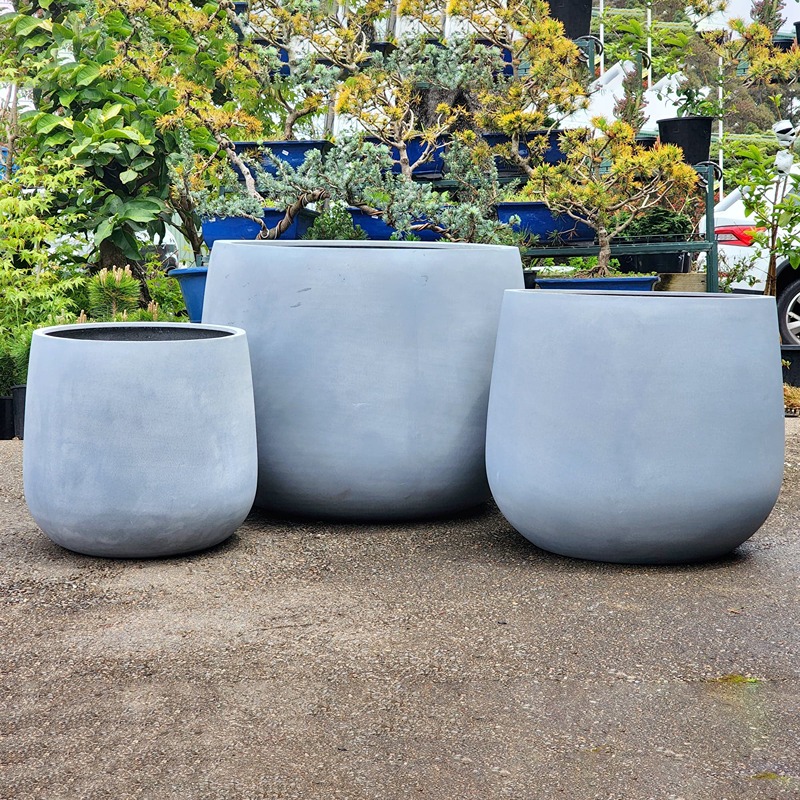
MINERAL FIBER POT
Love the way they look! White cement planters has a clean aesthetic with a little texture for those looking for something minimal. Grey cement planters have a little more texture and offer a more industrial vibe. Either way they are suitable for indoor as well as outdoor asthetic.
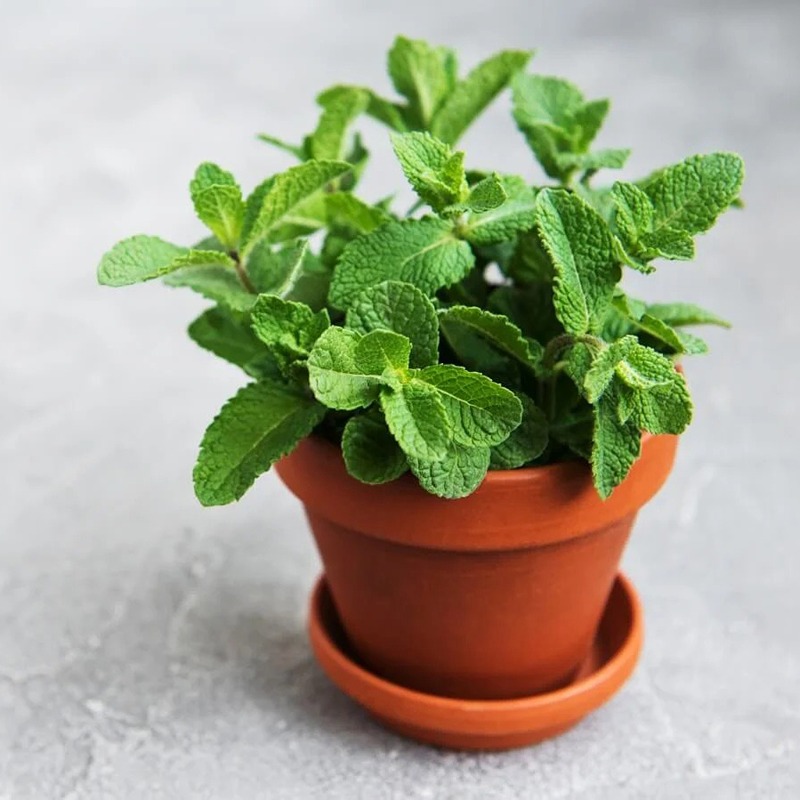
MINT LEAVES
Mint plants (Mentha spp.) are very hardy perennials that are simple to identify not just because of their fresh and spicy scent, but because all members of the mint genus have opposite leaves and square stems. Long stems grow upward, flop over, and roots will form where the stems touch the soil enabling the mint plant to spread quite aggressively. Its small white or purple summer-blooming flowers attract bees, butterflies, and other pollinators. Mint plants grow quickly and should be planted in the spring.

MIRROR
Brighten up your space with this easy-to-mount wall mirror cluster. It features a minimal design with a round silhouette and a metallic tone rim. The decorative piece can also be treated as a wall accent as per your choice and interior type.
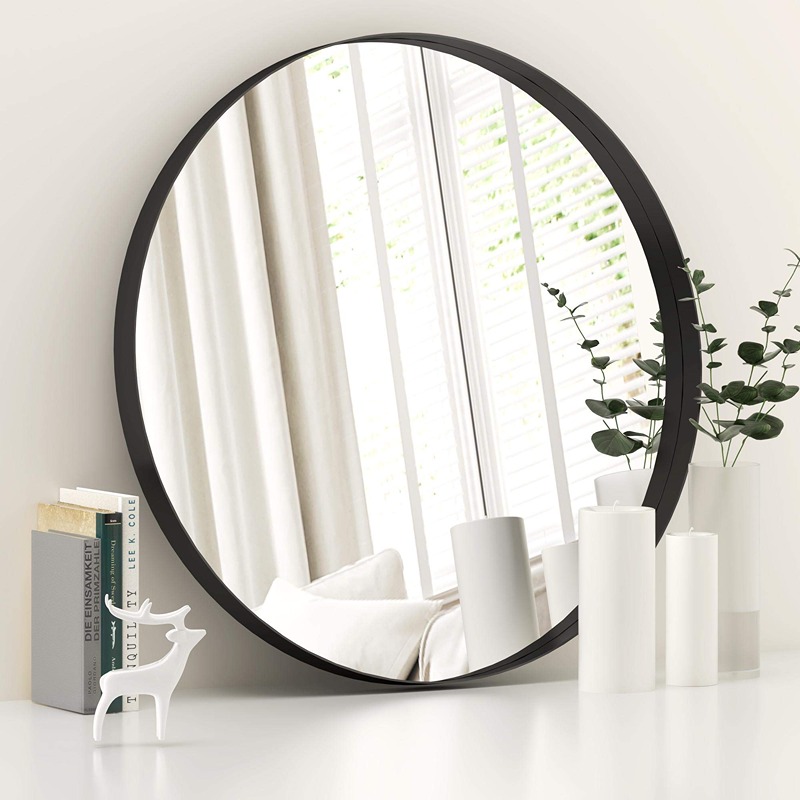
MIRROR
Embrace your love for modern decor with this wall accent at home. This piece is made with a metal frame and a polished tone to match different settings. It can be placed anywhere from a corner of your bedroom to a lounge space.
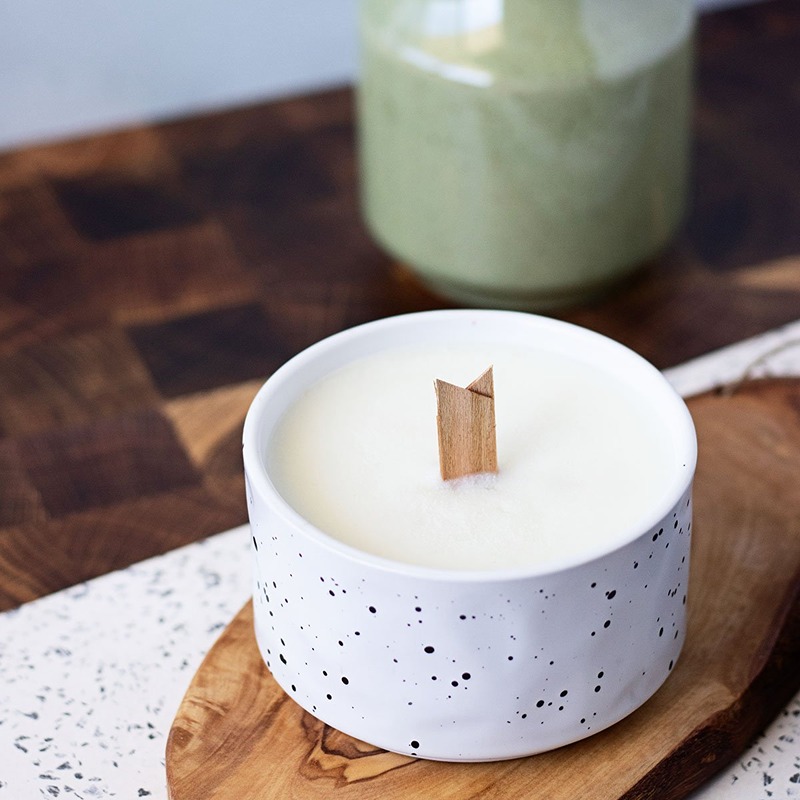
Modern Concrete Candles
Our artisanal concrete candles scented with natural scents are made and poured by hand with passion from our workshop.
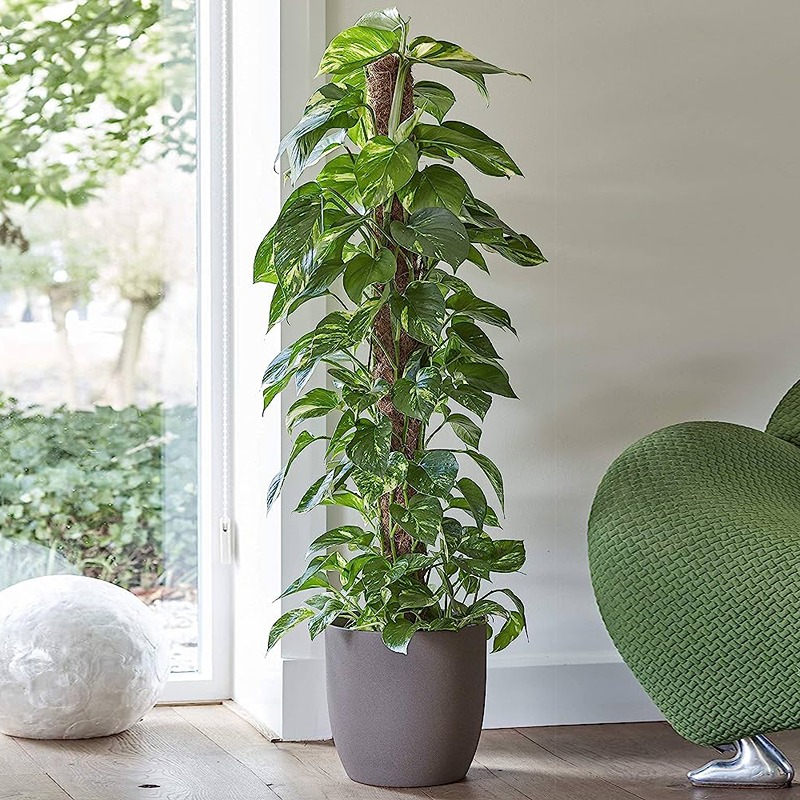
MONEY PLANT – DEVIL’S IVY
In addition to the species plant known as golden pothos, there are several nursery cultivars of Epipremnum aureum that make excellent trailing houseplants. Among these are ‘Marble Queen’ (marble queen money plant), ‘Marble Prince’, ‘and Neon’ (neon money plant). Pothos plants like bright indirect light but not direct sunlight. They don’t like to be overly wet and should be allowed to dry out before watering heavily. The long vines of golden pothos are often used to frame the wealth center in the home, or to establish boundaries.
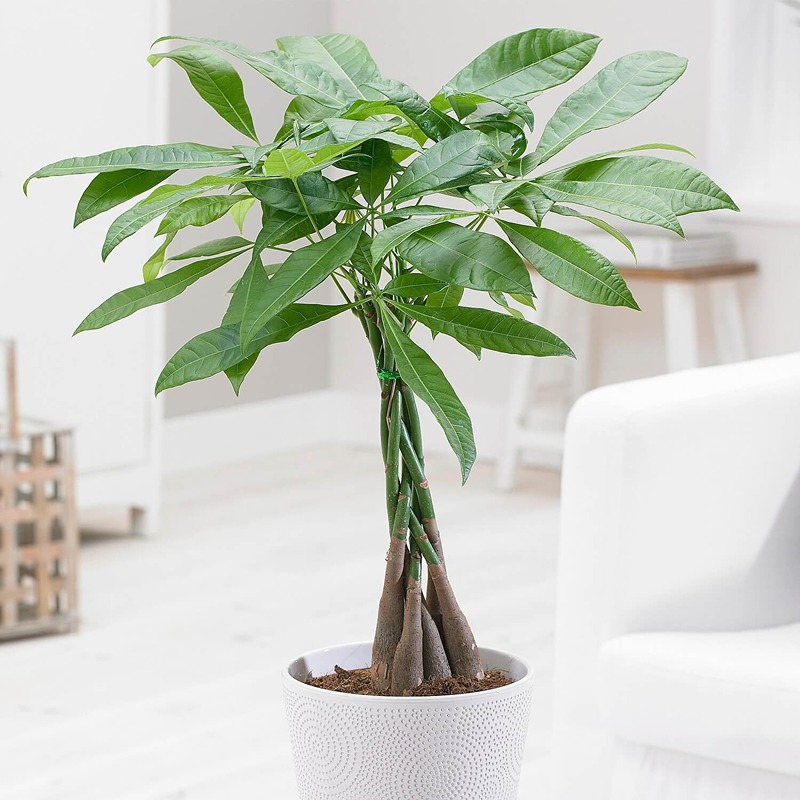
MONEY TREE – PACHRA TREE
If you’re looking for a striking and yet undemanding houseplant, then Pachira aquatica is the plant for you. With gorgeous twining stems and luxurious, palmate leaves, this is an exotic-looking plant that will be the talking point of your home.Also known as the Money Tree, Guiana Chestnut or the Saba Nut, Pachira is a native of Central and Southern America, and thrives near wetlands and swamps hence its name ‘Aquatica’. It loves soil that is moist at all times, so it’s virtually indestructible and as it also thrives in indirect light, so growing it indoors is a piece of cake. Preferring a warm, light position, a little shade is also well tolerated by this sturdy houseplant and it requires very little maintenance – just position it in the brightest area of your home and leave it to do its thing.
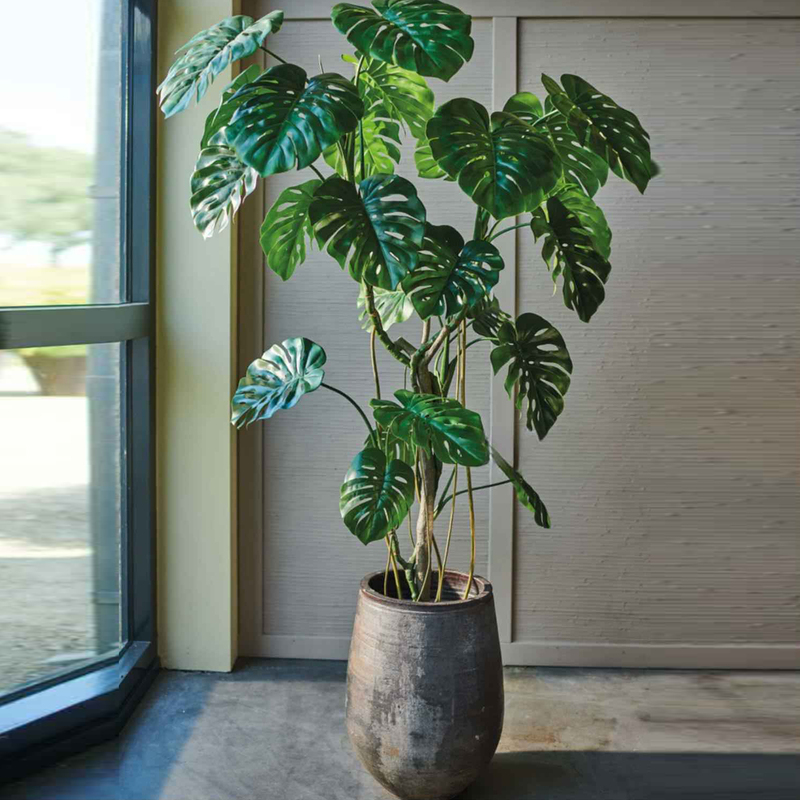
MONSTERA
Keep both your indoor and outdoor spaces beautiful and lively with high-quality artificial plants like this UV protected Monstera. Just style the ffaux plant in your favorite planter pot to instantly bring a permanent feeling of nature to your home. The best part is that you never need to worry about watering the monstera for it to maintain its fullness and lush green leaves.
With greater sun exposure, the color will fade more rapidly. For high sun states, we advise additional treatment with UV protectant spray found at your local home and garden center. This plant is handmade by experienced artisans meeting with the highest standards of quality.
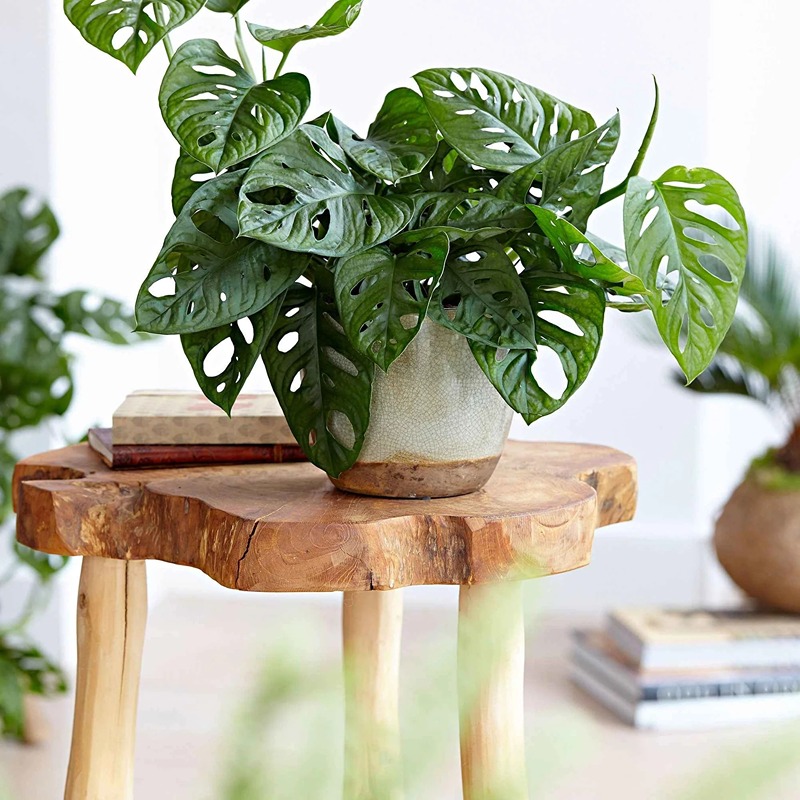
MONSTERA – MONKEY
Monstera adansonii, “Swiss Cheese Vine”, the “Monkey Mask Plant” or sometimes simply known as “Five Holes Plant”, is a reasonably modern and popular houseplant that does well indoors. Monstera adansonii is easy to care for so long as it has moist, warm conditions. The plant has a vining habit and often grows entwined in and around itself, with new leaves and vines sometimes growing through the holes in existing leaves. This can lead to leaves tearing which gives the plant a shabby chic rather that pristine appeal. Monstera grow best in bright, indirect light, but are hardy enough to tolerate moderate shade. Avoid direct sunlight however, as this may burn or bleach the leaves.
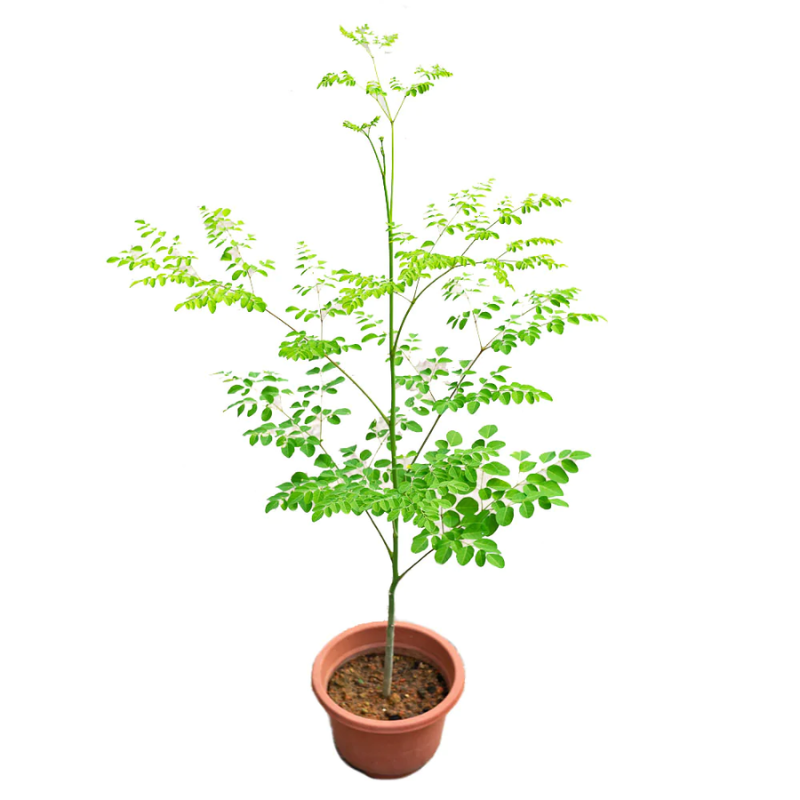
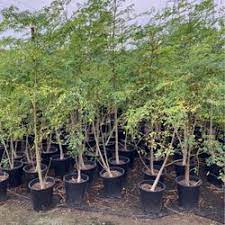
MORINGA TREE (DRUMSTICK TREE)
Moringa Oleifera is a fast-growing, drought-resistant tree native to the Indian subcontinent, belonging to the Moringaceae family. Rich in vitamins, minerals, and antioxidants, Moringa leaves are perfect for smoothies, teas, and recipes.
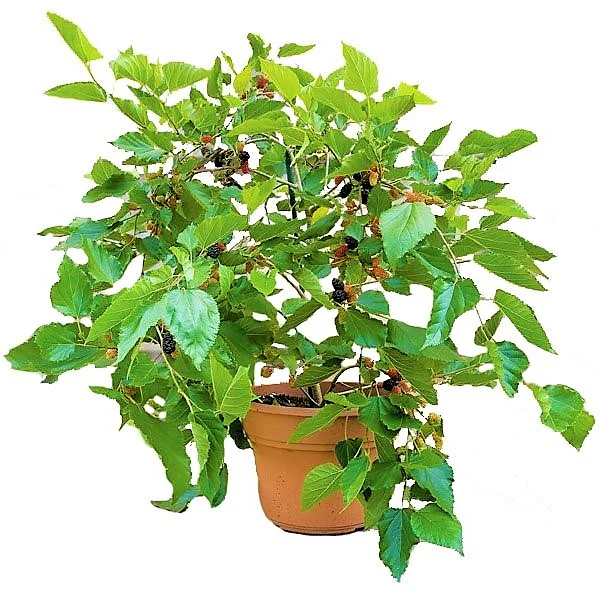
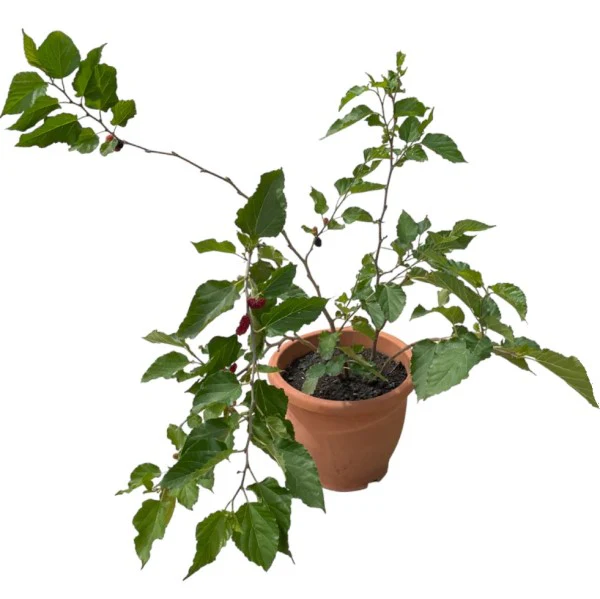
MULBERRY TREE
Morus alba or Mulberry tree? is spreading medium tree with ovate to heart-shaped, sometimes lobed, glossy, bright green leaves, to 20cm long, truning yellow in autumn. Ovoid, insipid-tasting white fruit, to 2.5cm long, ripening to pink and red, are borne in late summer.
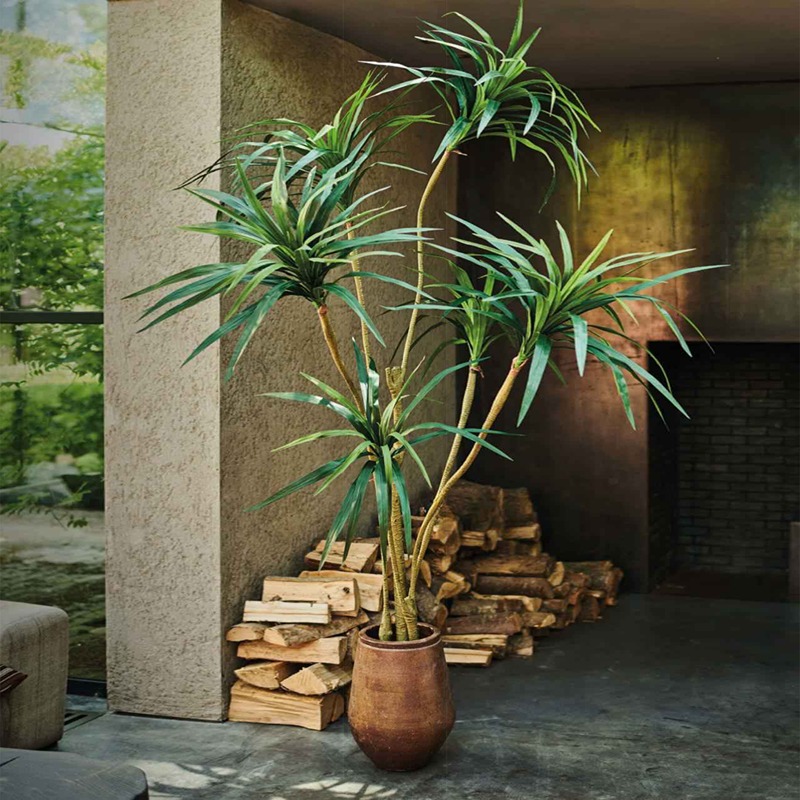
MULTI HEAD DRACAENA
This luxury artificial and beautiful green real touch foliage that looks just like nature’s botanicals, making it perfect for elevated indoor home decorating. Style it at your main door to create a clean display for the winter season, or add it to your everyday living room decor. Either way, this versatile faux plant brings a fresh and lively feeling to your living space. This plant is handmade by experienced artisans meeting with the highest standards of quality.
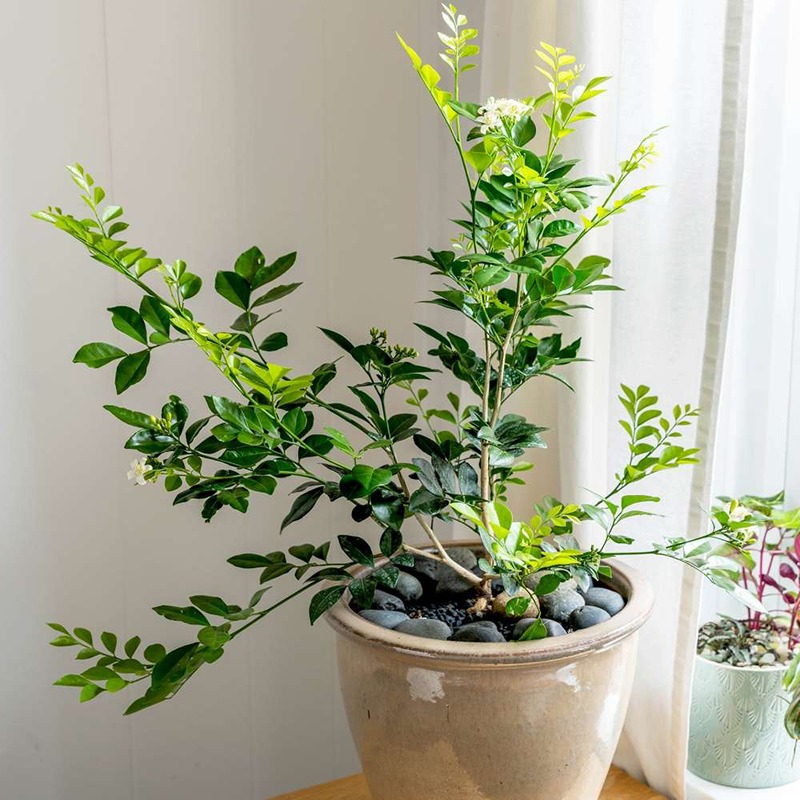
MURRYA JASMIN
Filling the air with the sweet smell of blossoms, Murrya Jasmine is a welcome addition to a garden in a tropical climate and a great choice if you’re looking to attract bees, birds, or butterflies. If you live in a cold climate, you can still enjoy it by growing Murrya jasmine indoors. The leaves of this evergreen shrub are oval, shiny, and a deep green extending from interesting, gnarled branches. At maturity, which can take three to four years, the shrub can grow to eight to 3.5 mt. tall and wide, with a round growth habit. Murrya jasmine is best planted in the spring.
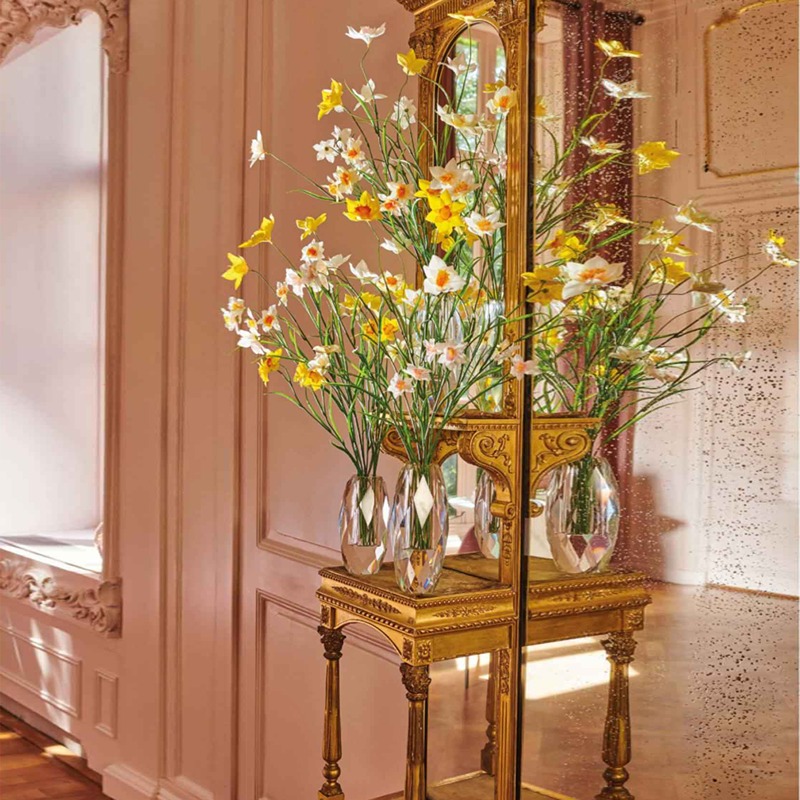
NARCISSUS
Create a beautiful silk floral arrangement with nature-inspired artificial wildflowers. These charming faux Narcissus flowers are the perfect addition for a sweet look. Inspired by the wild flowers along the country side, our tall spray is full of blooms, style alone or with several sprays for a fuller look.
This flower is designed with silk material & is part of flower collections. This flower is handmade by experienced artisans meeting with the highest standards of quality.
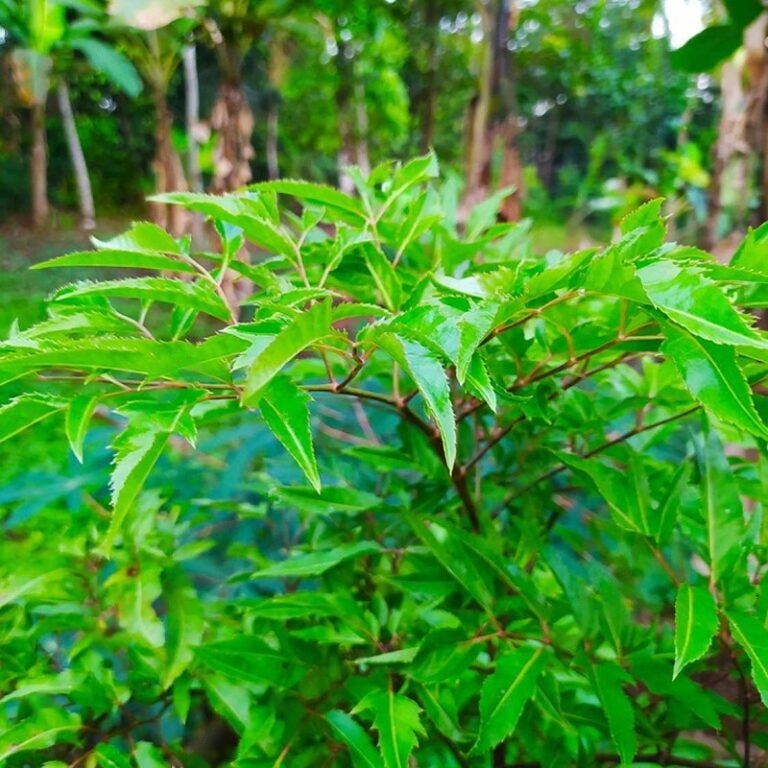
NEEM TREE
Neem, (Azadirachta indica), also called nim or margosa, fast-growing tree of the mahogany family (Meliaceae), valued as a medicinal plant, as a source of organic pesticides, and for its timber. Neem is likely native to the Indian subcontinent and to dry areas throughout South Asia.
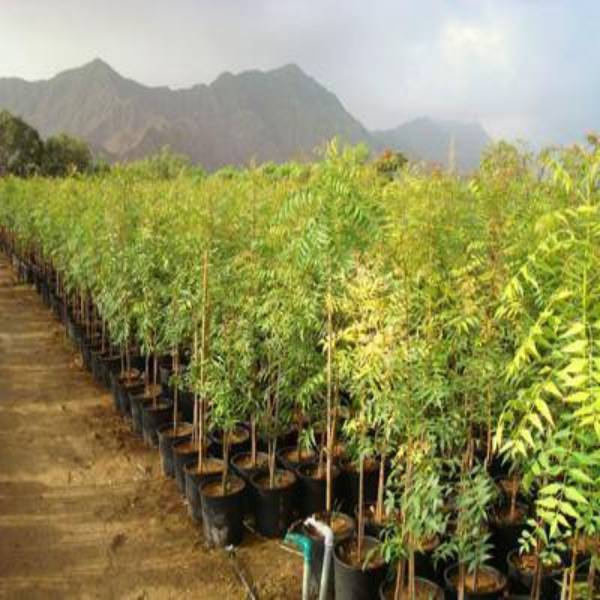
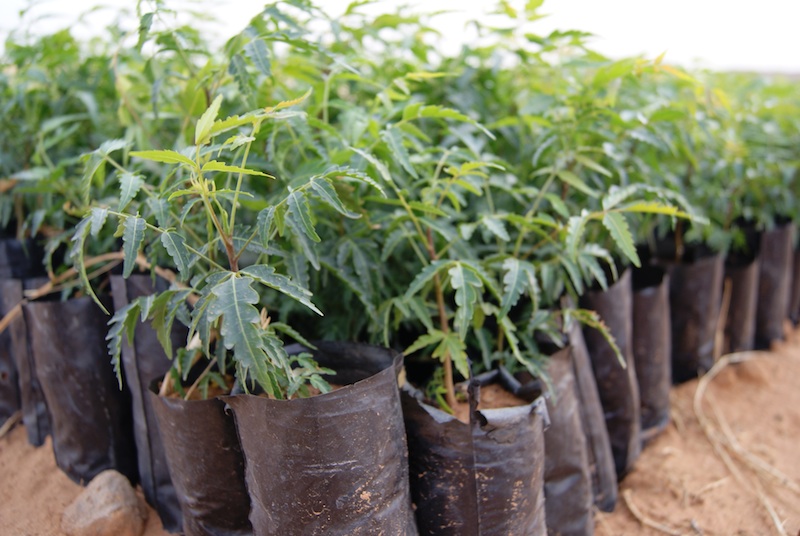
Neem Tree – Azadirachta indica | Dubai’s Best-Sellers
Azadirachta Indica (Neem Tree) is an evergreen perennial tall tree that is widely useful for traditional medicines. Neem Tree aka The Miracle tree generally grows up to 30m tall, and is possessed with many bright small green leaves. Azadirachta Indica also got a straight trunk; and their bark is hard and scaly with a colour of brown greyish. Inflorescences blossom is also a beard with around 150 -250 white fragrant flowers. Followed by fruit which are most noticeable, and are alike smooth olive-like, but in various shapes.
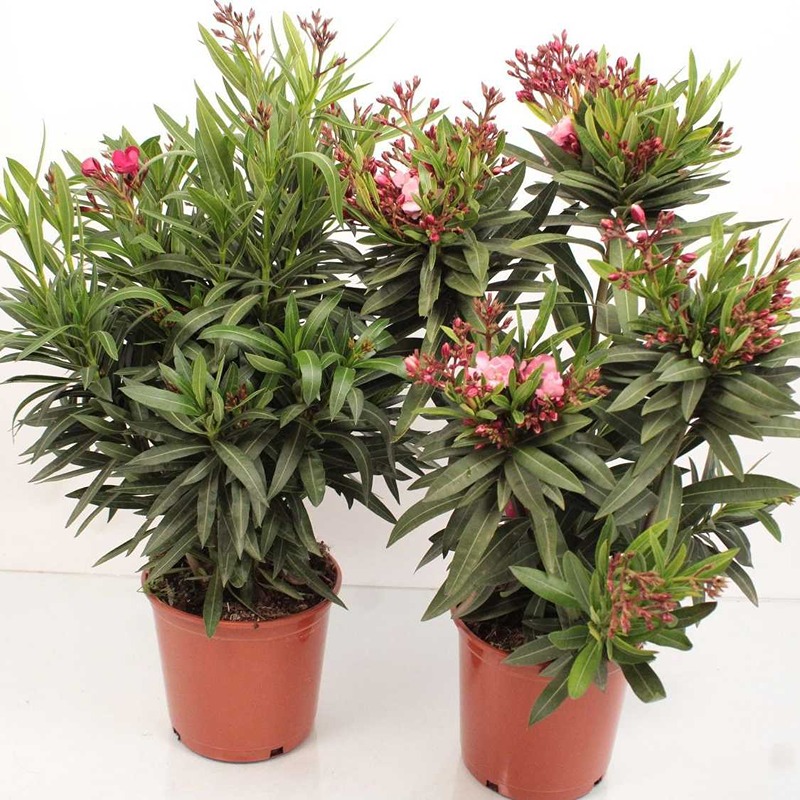
Nerium Oleander (Oleander/Nerium)
Oleander (Nerium oleander) grows naturally as a mounded, round shrub, or it can be trained as a small single- or multi-trunked tree. The evergreen foliage of the oleander plant is dense, leathery, and dark green, offering a privacy screen when planted in groups or borders. Delicately shaped, showy, fragrant flowers tend to be pink, while some varieties produce red, orange, yellow, or white flowers. Blooming for an especially long period, the 1 to 3-inch flowers appear from spring to summer and sometimes early fall and year-round in warmer climates.
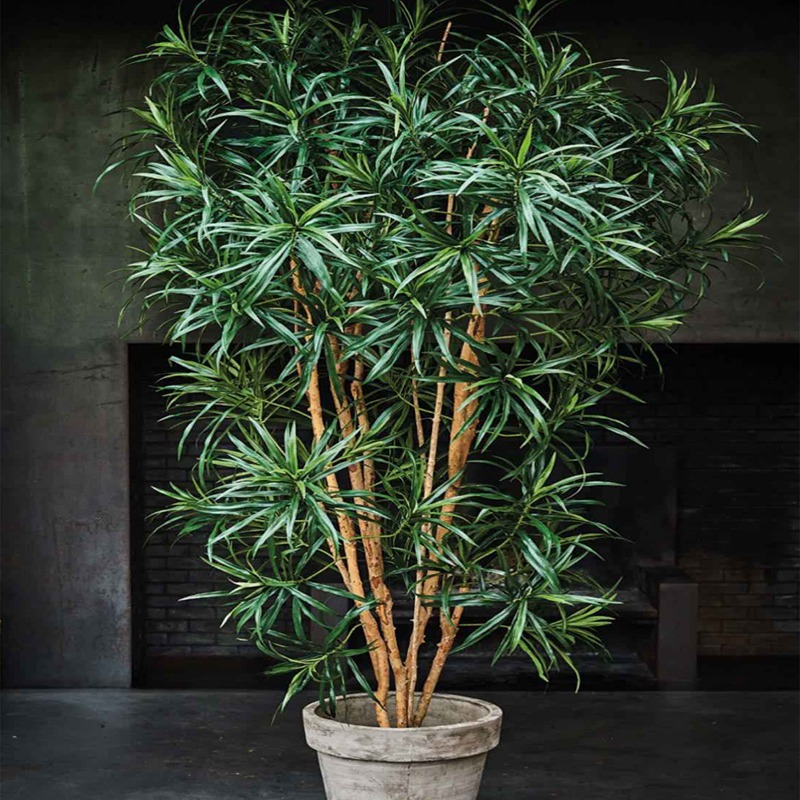
OLEANDER
This season, decorate your interior spaces with the most realistic natural touch greenery to bring the feeling of a lively, lush forest into your home. All you need to do is style this real touch artificial plant in a big pot to create the perfectcenterpiece that instills the presence of nature. This plant is handmade by experienced artisans meeting with the highest standards of quality.
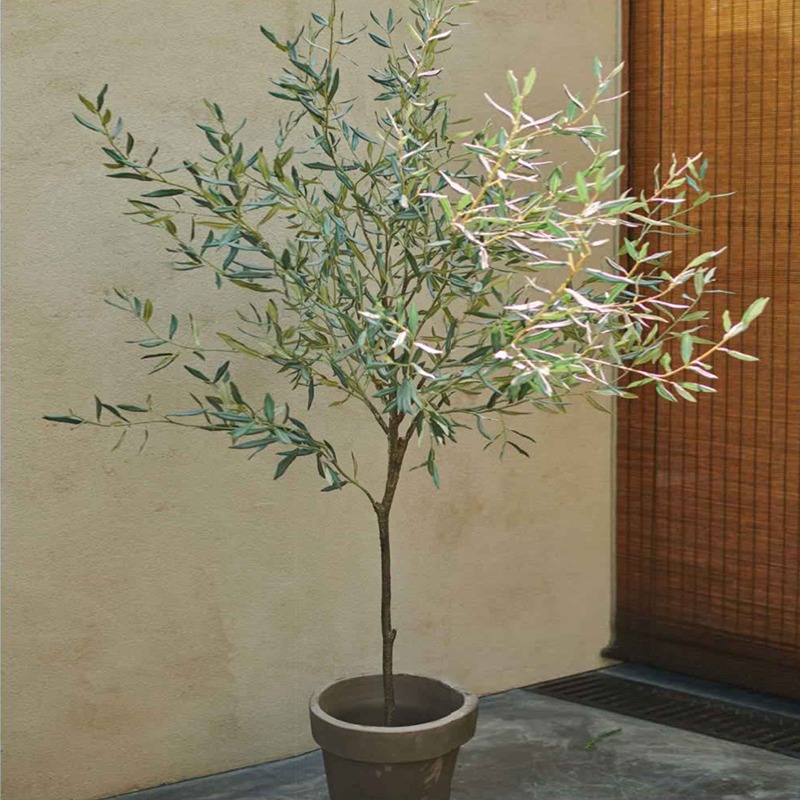
OLIVE PLANT
A stunning way to bring life and the feeling of nature into your interior design is to style the most realistic artificial branches in statement vases. Start with this faux magnolia branch that has perfect, natural-looking green leaves. For an elevated everyday arrangement, showcase several of these leaf branches alone in your favorite vase. Or, style them with silk magnolia flowers to create an over-the-top console table centerpiece to ready your home for Spring.
This Olive plant is designed with silk material & is part of plant collections. This plant is handmade by experienced artisans meeting with the highest standards of quality.
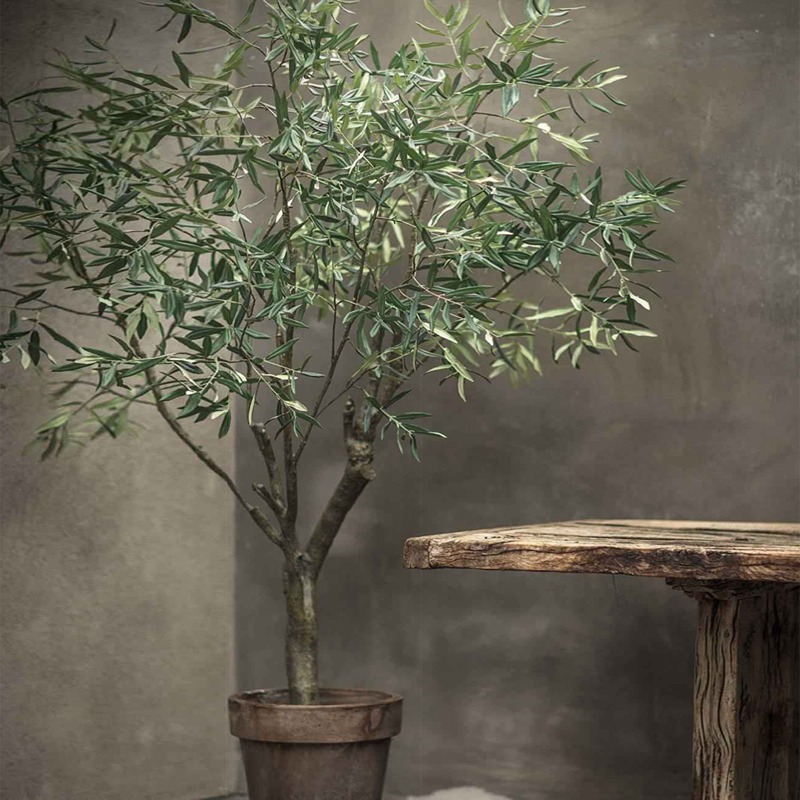
OLIVE TREE
With Mediterranean-inspired details, these faux olive tree is designed to look just like the real plant, with realistic green foliage and natural-looking branches. They are easy to care for and will stay beautiful for years.
This Olive tree is designed with silk material & is part of plant collections. This plant is handmade by experienced artisans meeting with the highest standards of quality.
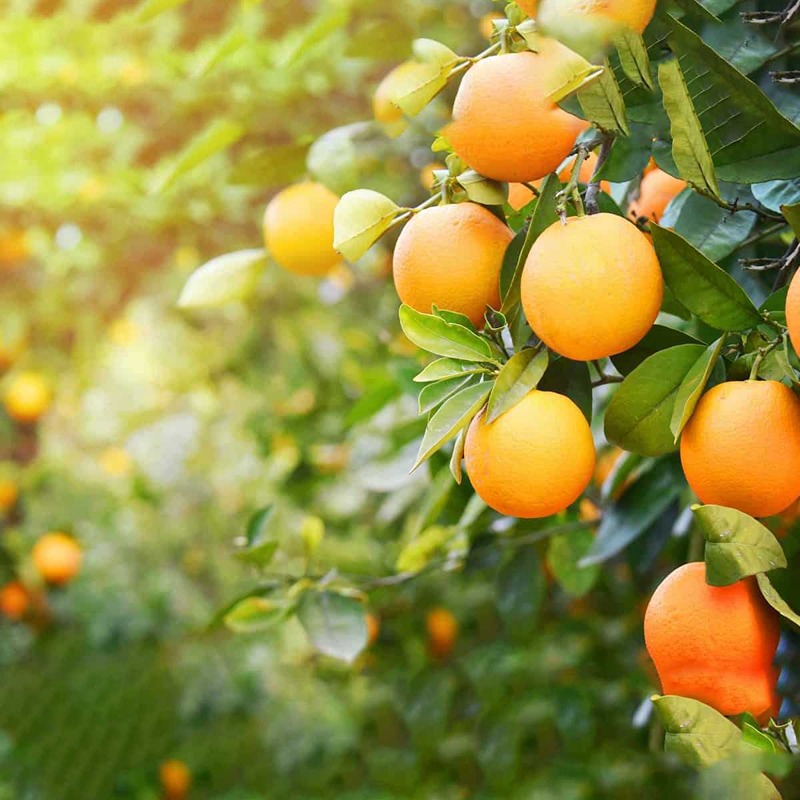
ORANGE TREE
Orange trees are one of the most recognized types of citrus trees featuring full, leafy canopies and fragrant flower displays. Best of all is the delicious fruit produced during the growing season. A full-size tree can grow to 10 mt tall, with dwarf varieties reaching about 4 mt in height. Orange trees can be kept even smaller when planted in containers, which makes them great for indoor gardening as well. Orange trees are notable for white blooms that appear in summer followed by their famous fruit. These trees can be planted at any time of year in warm climates.
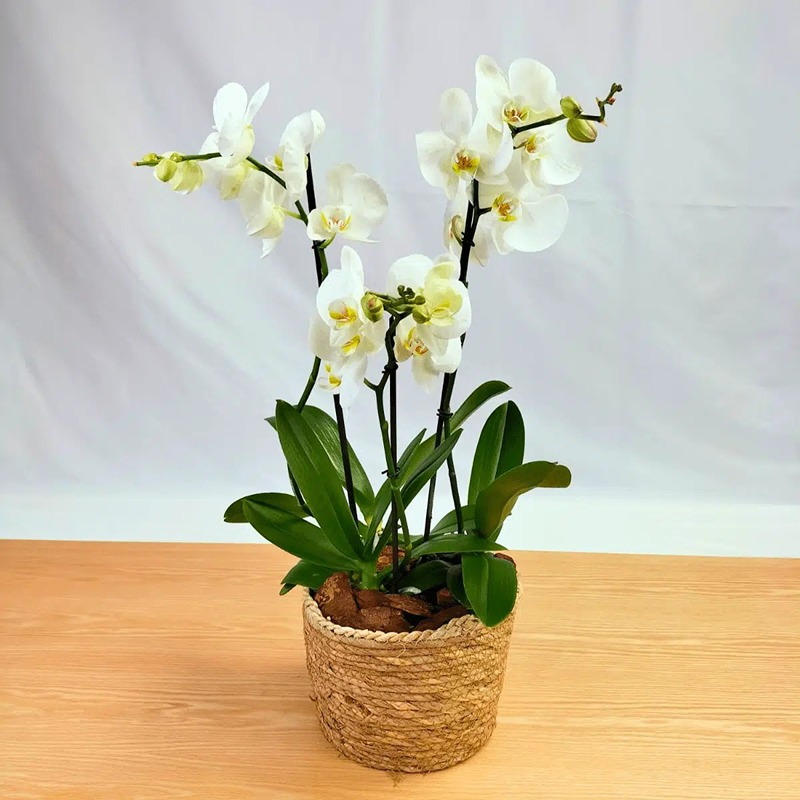
ORCHID MIX
The Orchid plant is a most common popular flower plant. Native to Australia and Southern Asian Regions. Orchid, which has the most commercially traded hybrids or horticulture species. When all flowers drop (which could last for months) you could make them for re-bloom by cutting your flower spike halfway down the stem. Orchid plants have large green oval shaped leaves that could sit close to the bottom of the stems and top roots. And their roots do look like curled medusa hair that sits near to the top of medium to search for moisture and nutrients. Flowers of these species are considered to be one of the most lasting flowers and can be of many striking colors like Blue, Green, Red, Orange, White, Pink. Moth Orchid plants can be excellent potted indoor flowering plants and so could be used as a perfect choice for in house decoration.
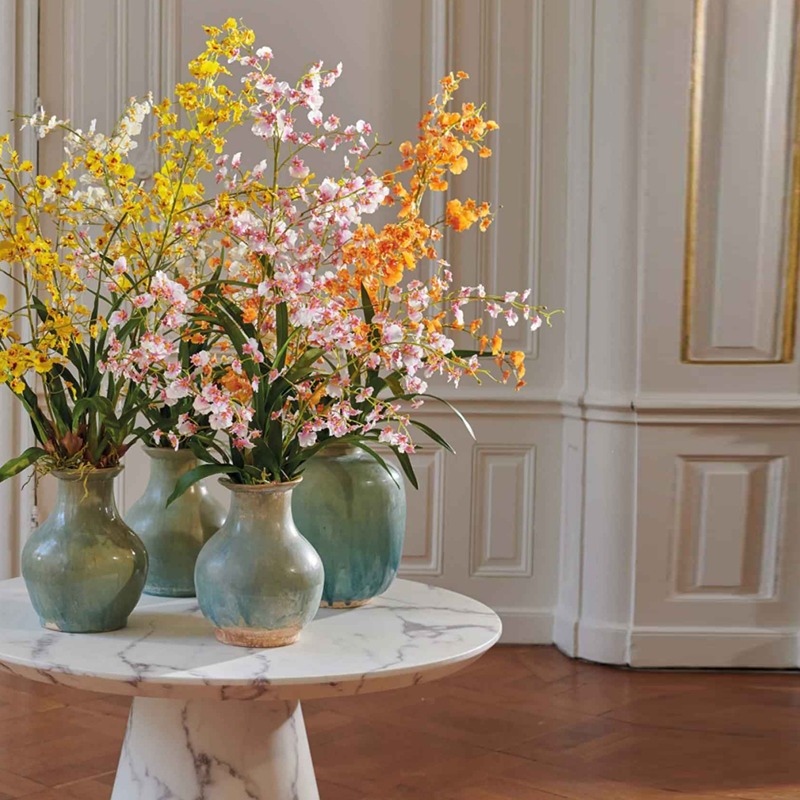
ORCHIDS
Bring elegance and beauty to your home with these Large Faux Orchids. These gorgeous, artificial colourful orchids are sure to capture any guest’s eye and transform the room. Find tropical faux flowers, like this classically beautiful large artificial orchid spray. These realistic soft touch orchids are sure to lend a sophisticated look to your interior designs. Make any space look effortlessly elegant with this timeless and classic piece!
This Orchid flowers are designed with silk material & is part of flower collections. This flower is handmade by experienced artisans meeting with the highest standards of quality.
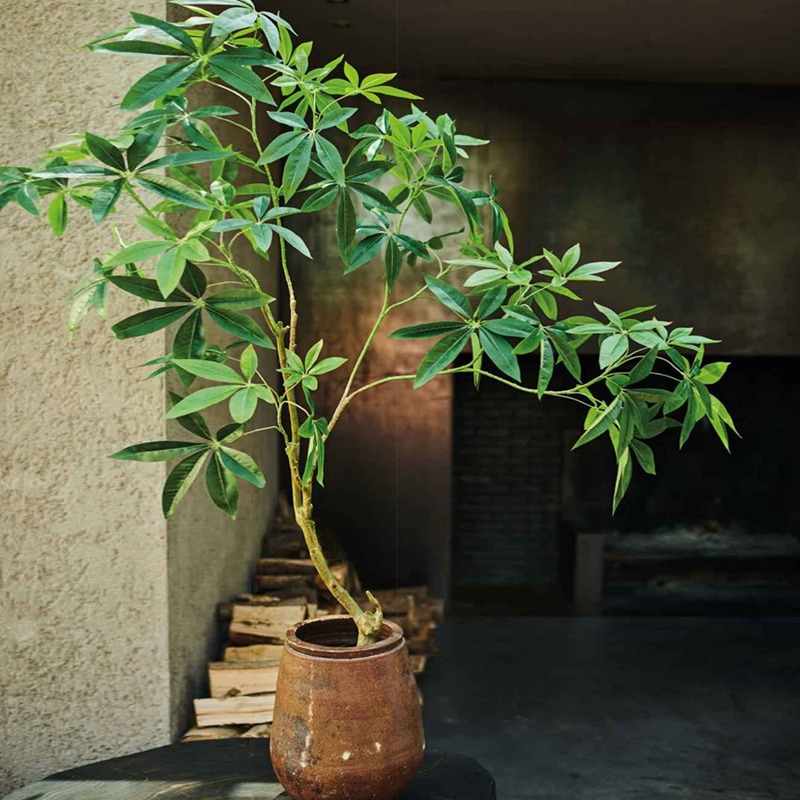
Pachira Aquatica – Money Tree
This season, give your decor a woodland style makeover with high-quality artificial greens like this real touch Pachira tree. It feels and looks just like the real thing, and is an exact replica of nature. It deserves to be the star of any leving space. This plant is handmade by experienced artisans meeting with the highest standards of quality.
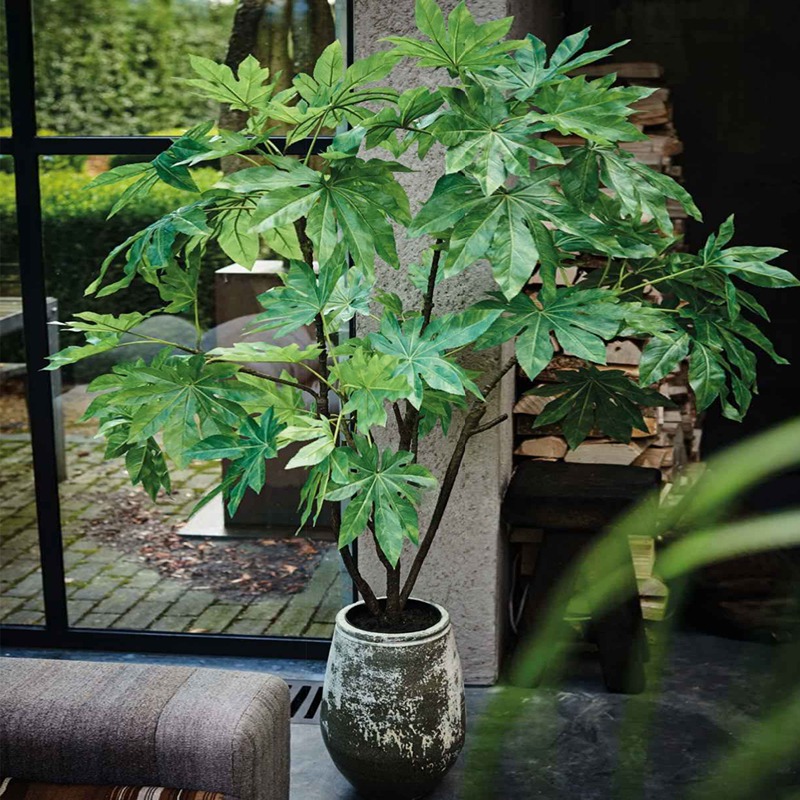
PACHIRA TREE
150 cm tall beautiful green tree like faux plant will surely still your heart. Place it near window or the corner with no sunlight in a medium size pot to bring life to the room. This plant is handmade by experienced artisans meeting with the highest standards of quality.
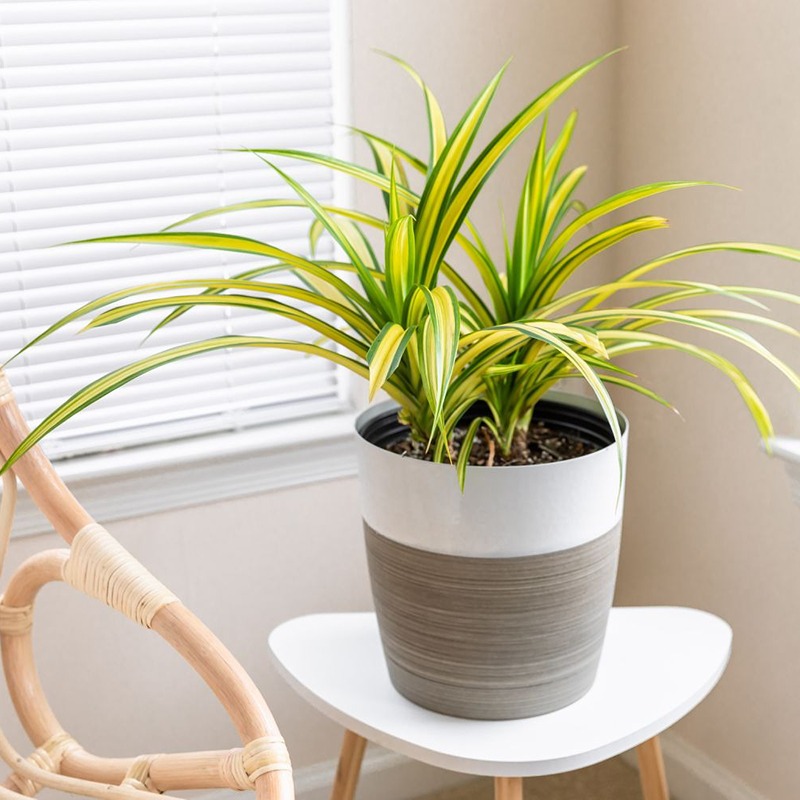
PANDANUS – SCREW PINE
Travelers to the tropics are no doubt familiar with the pandanus or screw pine. The large trunks are whorled, with a spiral crown of leaves emerging from the top. The leaves are still and pointed, sometimes reaching several meters in length, and frequently striped or variegated (depending on the species). Moreover, the leaves are all armed with wicked and painful spines, so casually grabbing a pandanus leaf is not something you’re likely to forget. They are a lovely symbol of the tropics.

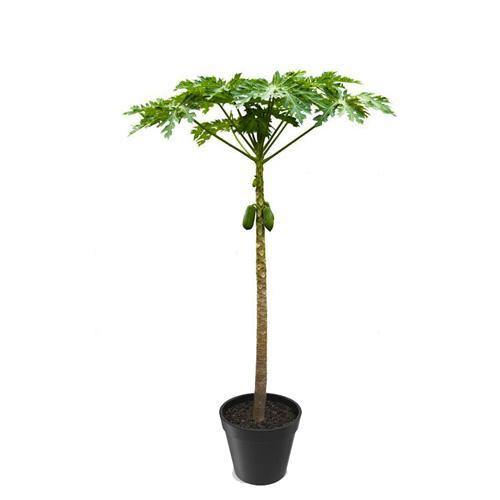
PAPAYA TREE
Carica papaya or Papaya Tree ? has an erect branchless trunk 6-20 ft (1.8-6.1 m) tall, and a palmlike head of foliage at the top. The trunk remains somewhat succulent and soft wooded, and never develops true bark. It is ringed with prominent scars from previous leaf stems and contains an acrid milky latex sap. The leaves are deeply incised and lobed, up to 24 in (61 cm) across and borne on 24 in (61 cm) petioles. The smooth-skinned fruits are green, yellow, orange or rose colored, and can weigh as much as 20 pounds (9.1 kg), but typically are about a pound (0.5 kg). They hang on short stalks in clusters directly from the trunk beneath the umbrella of giant leaves. Papayas flower and fruit simultaneously throughout the year.
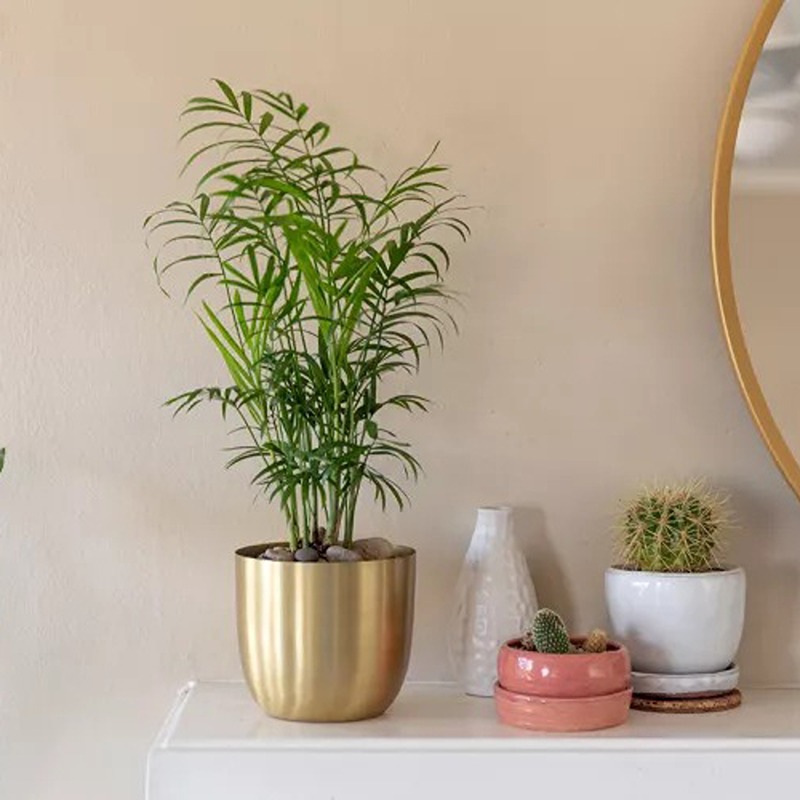
PARLOR PALM
A Parlor palm is a palm with vibrant, lush tropical fronds. Also known as Chamaedorea elegans, the parlor palm is one of the best types of palms for beginners, the parlor palm grows best in tropical or indoor conditions with bright, indirect sunlight, well-drained acidic to neutral soil, and temperatures between 35?F and 45?Celsius, though it also adapts to lower light Enjoying a parlor palm in your home also helps purify and clean the air, add humidity, and provide an attractive touch of green that can live for up to a few decades as an indoor tree and longer outdoors in the right climate.
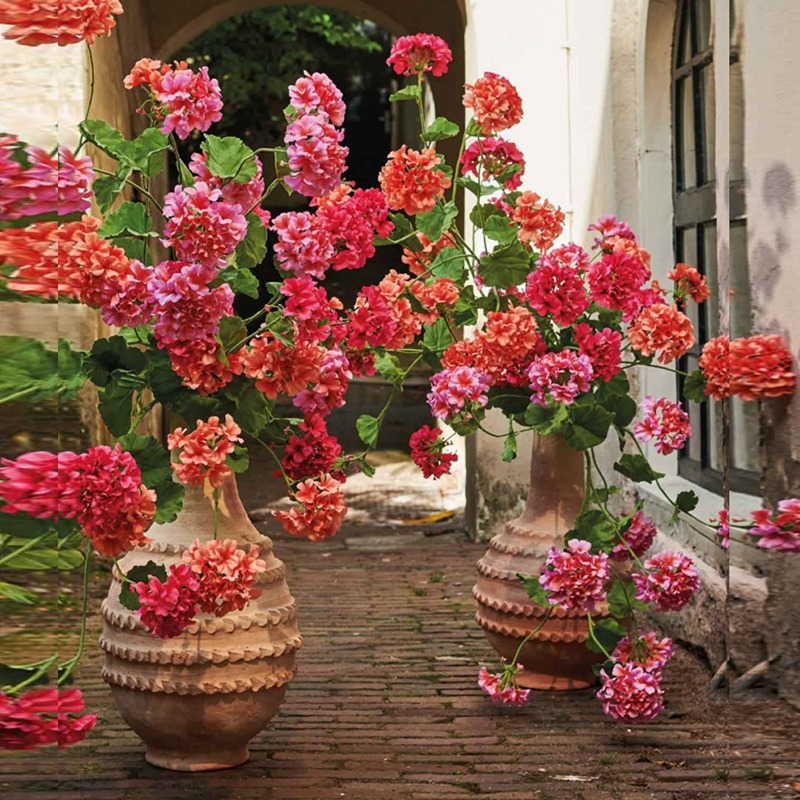
PELARGONIUM
These natural looking flowers bring the feeling of nature into any home. Arrange a single stem in a bud vase or style the whole flower bundle together for a whimsical design, reminiscent of late summer days and waving fields of florals.
This Pelargonium flower is designed with silk material & is part of flower collections. This flower is handmade by experienced artisans meeting with the highest standards of quality.
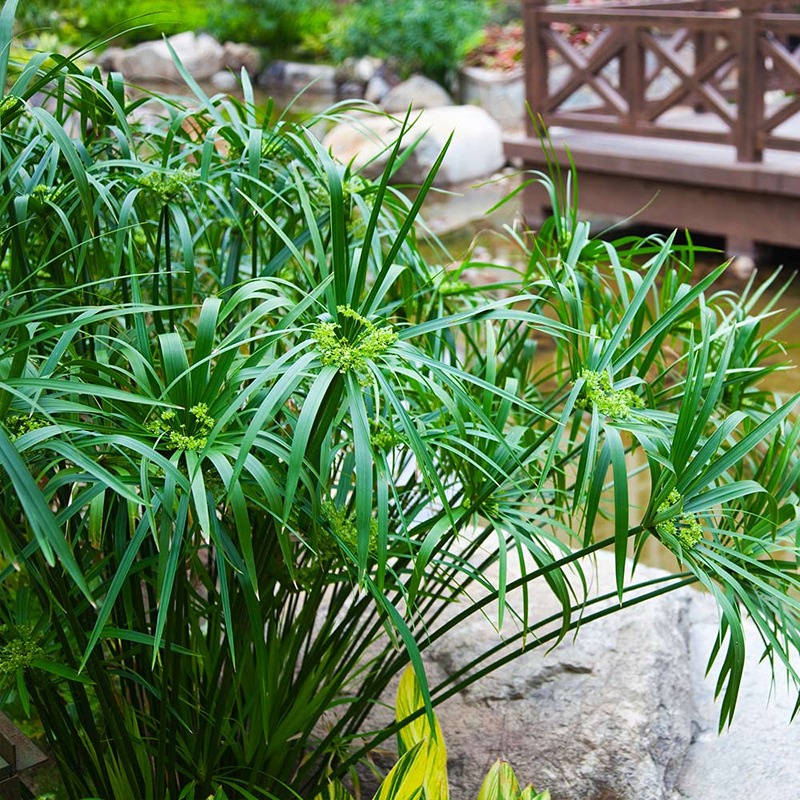
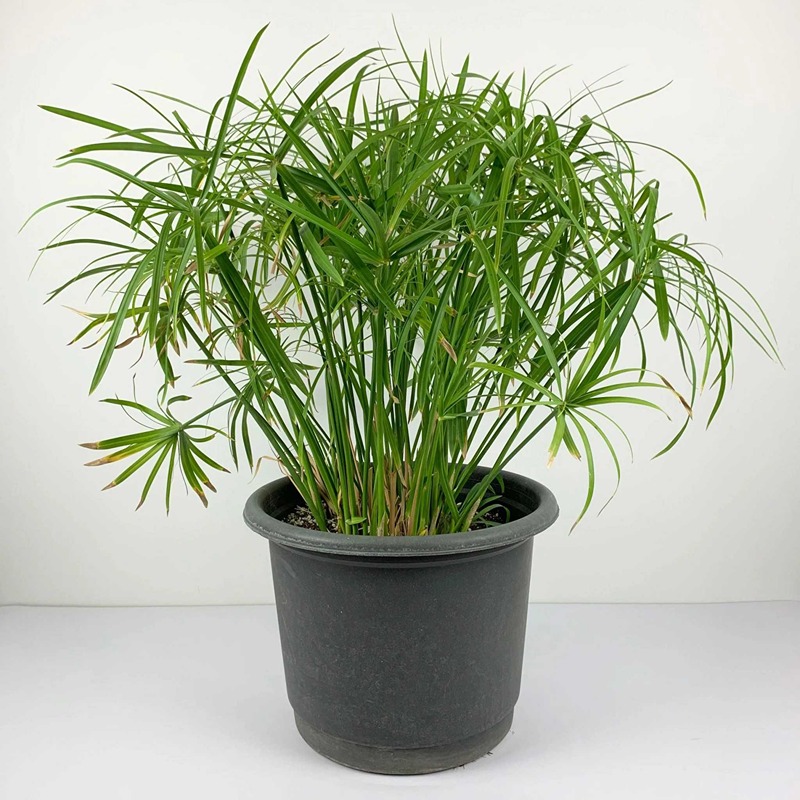
PEPYRUS GRASS
Pepyrus plants are sometimes thought of as ornamental grasses but they are not true grasses. A sedge is defined as a grass-like plant with triangular stems and inconspicuous flowers, usually growing in wet areas. Papyrus is a tall, stately plant. Papyrus is primarily a foliage plant and the accompanying bracts (modified leaves) make the umbels pop and give them strong visual appeal. Be aware that this is a fast-growing and spreading plant and is one of many sedges known to impede waterways and encroach on native plants.
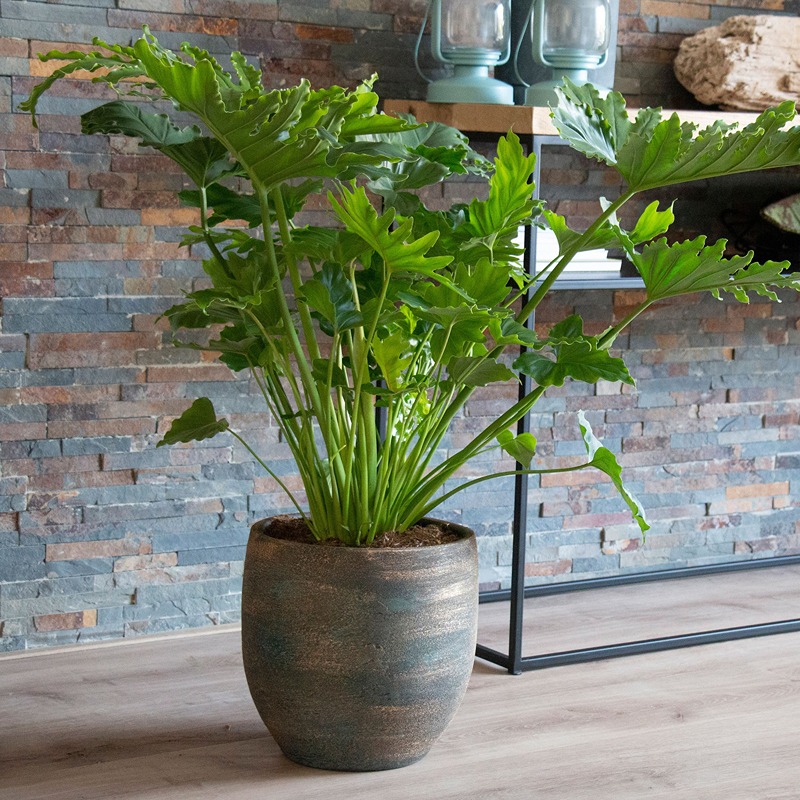
PHILODENDRON
The Philodendron genus contains hundreds of species of beautiful foliage plants. Their leaves are typically large, green, and glossy, and philodendrons are great for adding a bit of their native tropical flair to your home. These popular houseplants are known for their easy growing habits, and there are two types of philodendrons to choose from: vining and non-climbing. The vining varieties grow several feet, usually requiring some support structure to climb on, such as a trellis or around a basket. Non-climbing varieties grow upright and are excellent foliage plants for containers. In general, philodendrons have a fast growth rate. Philodendrons are also a great plant choice to purify the air in your home. They’re best planted in the spring, but houseplants typically can be started with success at any time of year
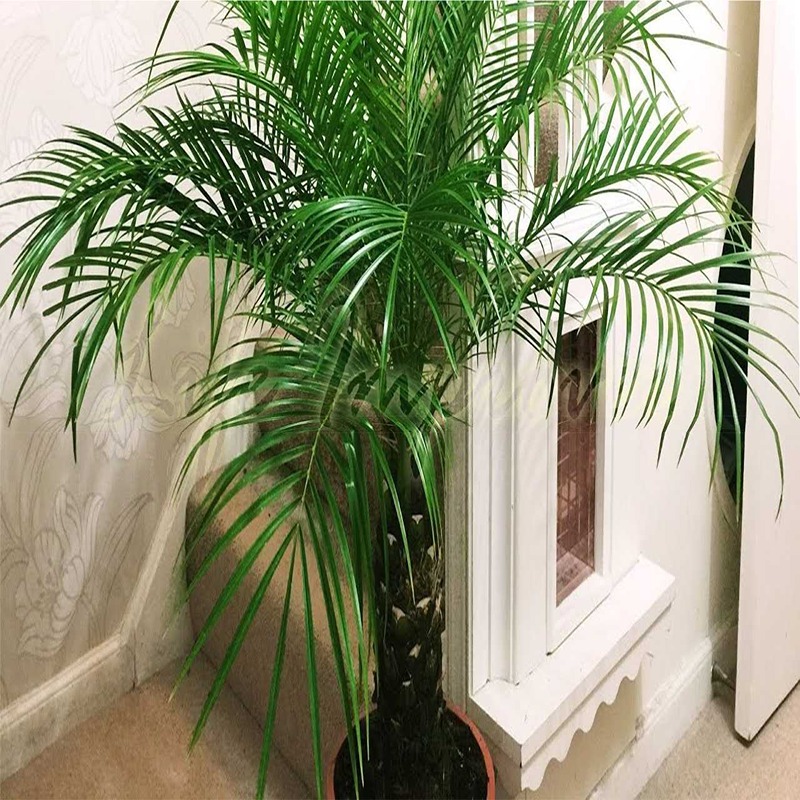
PHOENIX PALM
Phoenix palms are among the oldest cultivated plants in the world. These palm trees remain fairly small—mature specimens rarely reach over six feet—they are relatively slow-growing, and they are tough enough to stand up to many outdoor environments.
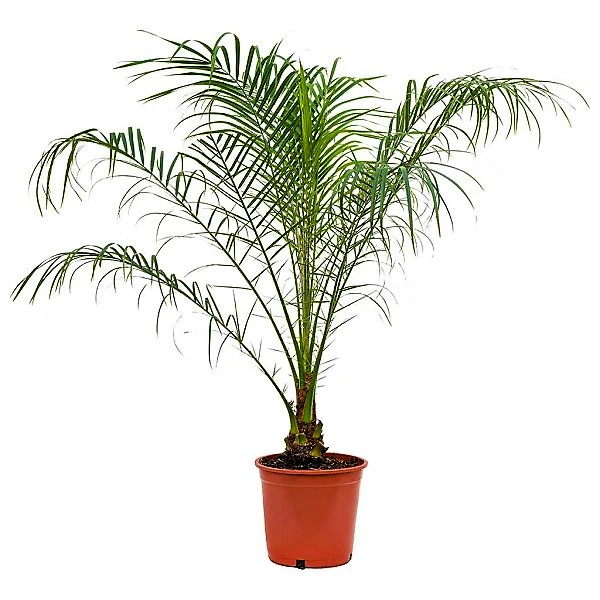
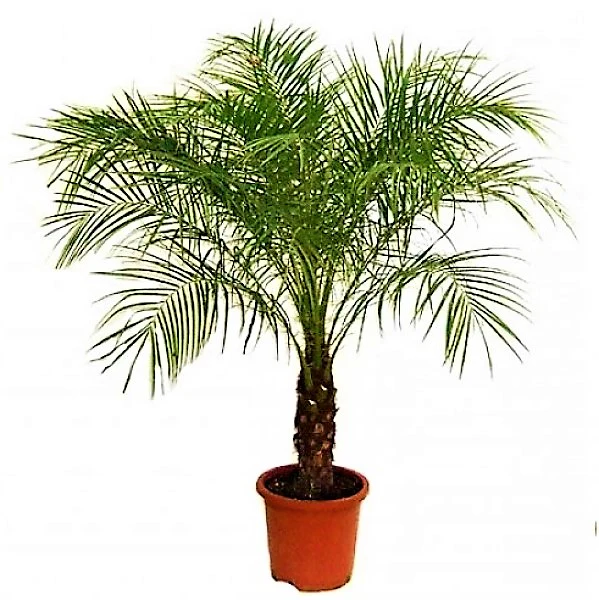
PHOENIX ROEBELENII (DWARF DATE PALM)
Phoenix is a dwarf palm or Miniature Date Palm with a slender trunk, occasionally clustered, bearing pinnately-divided leaves to 1m in length; panicles of small yellow flowers may be followed by small edible black fruit. Lovely as an indoor plant.
The pygmy date palm grows very slowly, reaching a maximum height indoors of 4-5 ft. (1-2 meters). This palm produces arching, graceful fronds about 3ft. or 0.9 meters in length with delicate leaflets on them. These fronds develop off of a stately central trunk. Like most palms, the dwarf date palm is an excellent clean air plant.
Elegantly shimmering in the sunlight, this tropical cluster of long arching fronds calmly drapes your interior with a soothing tranquillity. Like its cousin the Canariensis, Phoenix roebelenii is a hardy majestic palm suitable for both indoor and outdoor spaces, its feathery leaves reminiscent of warmer days spent in exotic places.
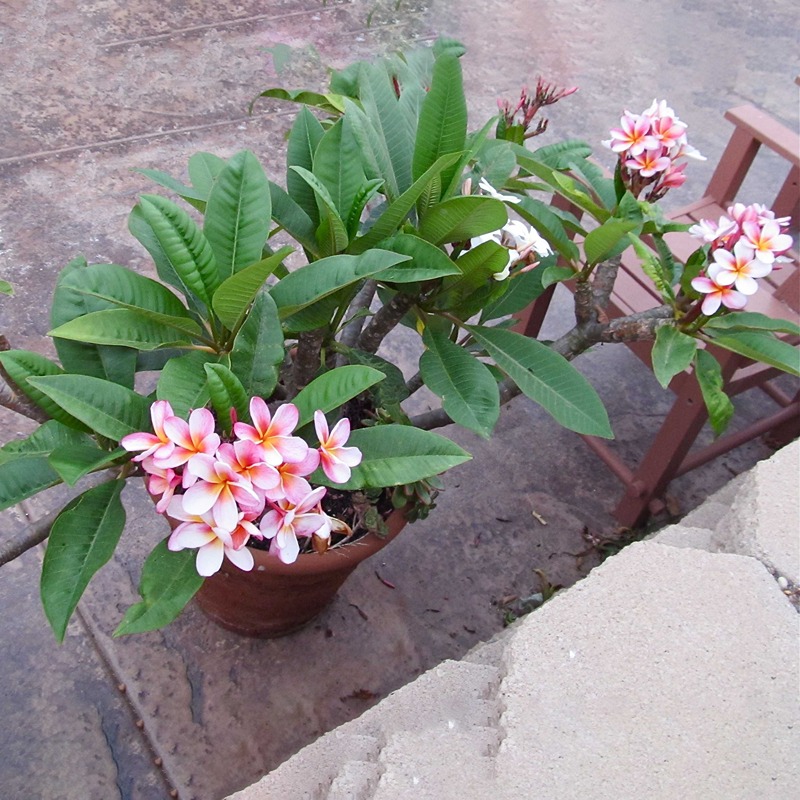
PLUMERIA – FRANGIPANI
Famous for their appearance in Hawaiian leis, white frangipani adds a burst of tropical flair to the garden and has a pleasant floral fragrance. Their plump, soft, five petals partially overlap each other and gently swirl outward, giving these blooms a sculpted appearance. White frangipani has a soft yellow center that fades to pure white near the tips of the flower. Also known as a white plumeria, West Indian Jasmine, this tree has thick, gray-green, succulent branches and long, leathery green leaves. The tree often forms into an umbrella shape. Though they can grow to be quite large, white frangipanis are slow growers. They can be kept in pots for easy moving and to keep them more compact.
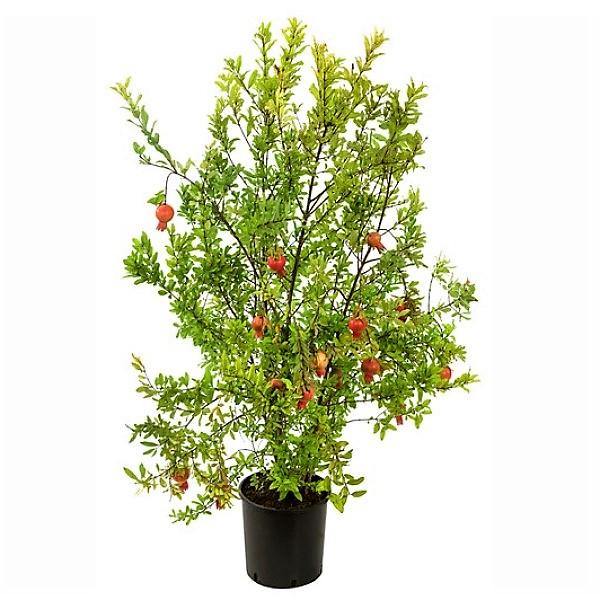
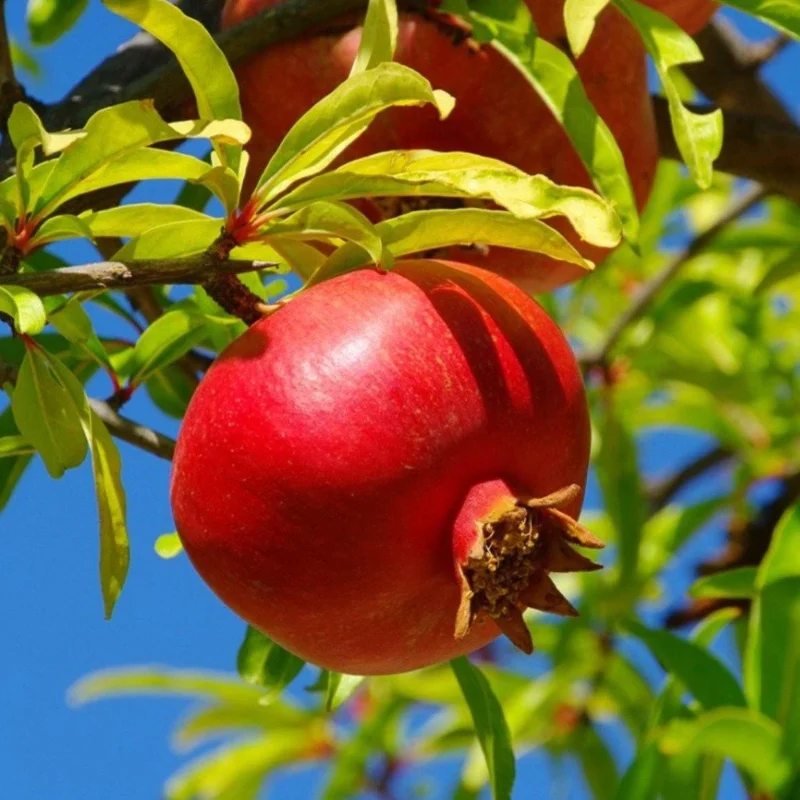
POMEGRANATE TREE
Punica granatum Or Pomegranate Tree ? is upright, sometimes spiny shrub or small, rounded tree with opposite, narrowly oblong, glossy, bright green leaves, coppery or red-veined when young, to 8cm long. Over a long period in summer, bears funnel-shaped, 5-petalled, bright orange-red flowers, to 4cm across, singly or in clusters of up to 5, followed by spherical, yellow-brown, edible fruit, to 12cm across.
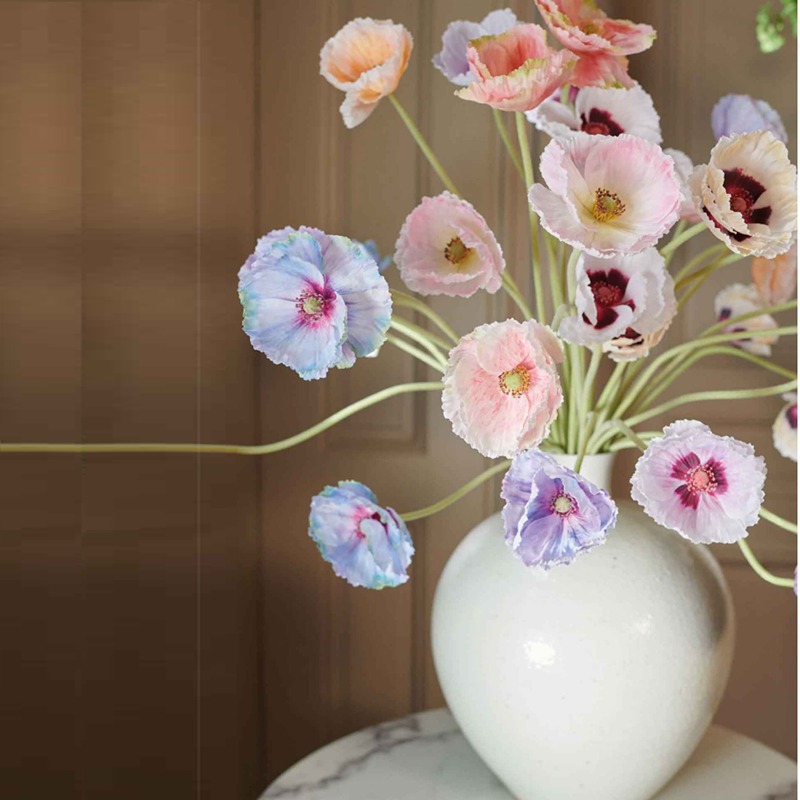
POPPY
Style your faux floral arrangements and wedding flower bouquets with beautiful silk flowers that are second best to nature’s botanicals. This adorable artificial poppy stem expresses that playful and whimsical feel that fresh poppies exude.
This Poppy flower is designed with silk material & is part of flower collections. This flower is handmade by experienced artisans meeting with the highest standards of quality.
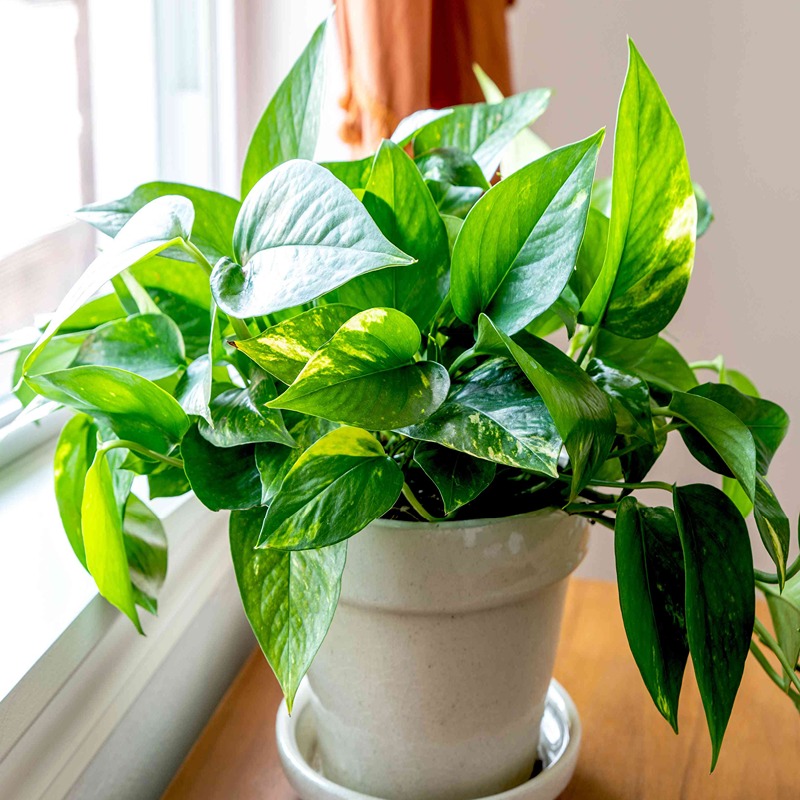
POTHOS
Pothos (Epipremnum aureum) is a tropical vine native to the Solomon Islands in the South Pacific, but you probably know it best seen trailing off of shelves and desks. Pothos is commonly grown as a houseplant, boasting pointed, heart-shaped green leaves that are sometimes variegated with white, yellow, or pale green striations. Pothos plants can live for many years with basic care and are super adaptable, as various light, soil, and moisture conditions suit them. They’re fast-growing plants even indoors, often adding between 12 to 18 inches of length in a month. Be aware that pothos plants are toxic to pets.
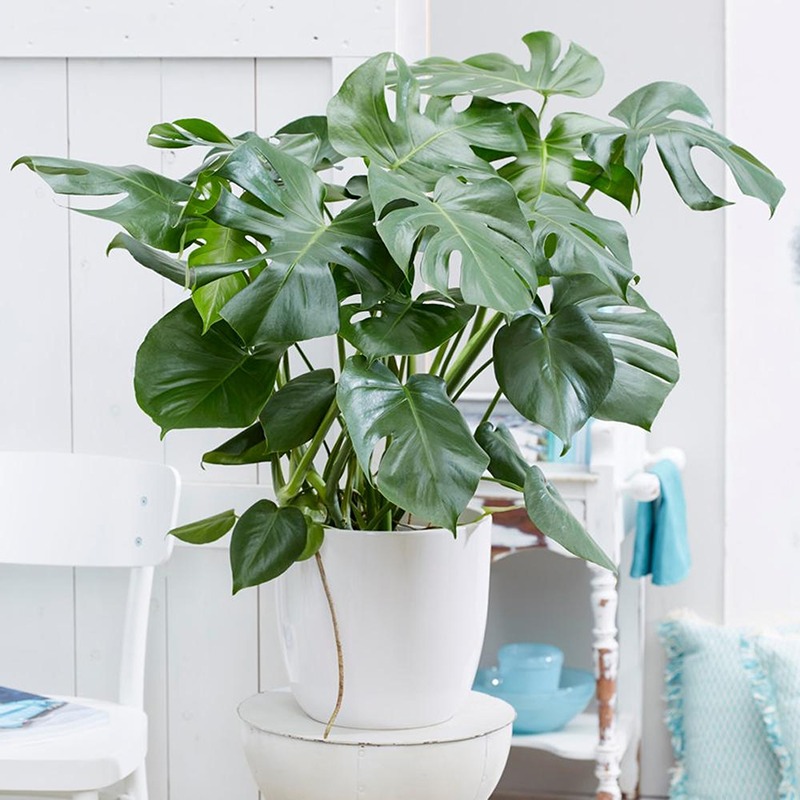
Potted Monstera Plant Online
Monstera deliciosa, also known as the split-leaf philodendron or Swiss cheese plant, is a tropical plant often kept as a houseplant. This easy-to-grow climbing evergreen can be found in many designer spaces for its “wow” factor. Monstera deliciosa makes a statement with its glossy, heart-shaped split leaves. Growing fast, about 1 to 2 feet a year; it takes about three years before you have a full-grown monstera. Monstera deliciosa grows best in humid and warm environments, requiring dappled or partial light, acidic or neutral, well-drained peat-based soil, and temperatures between 20 and 30 degrees Celsius.
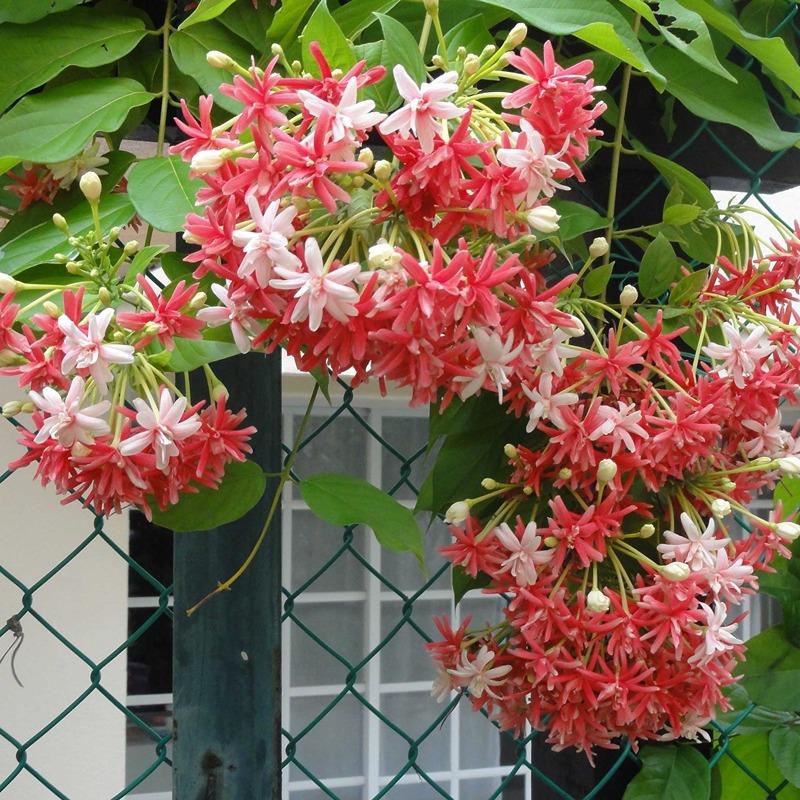
RANGOON CREEPER
Rangoon Creeper or Madhumalti is a tropical vine and a fast growing flowering plant that produces red to white colored fragrant flowers in cluster throughout the year. They are generally found in India, Philippines, and Malaysia.
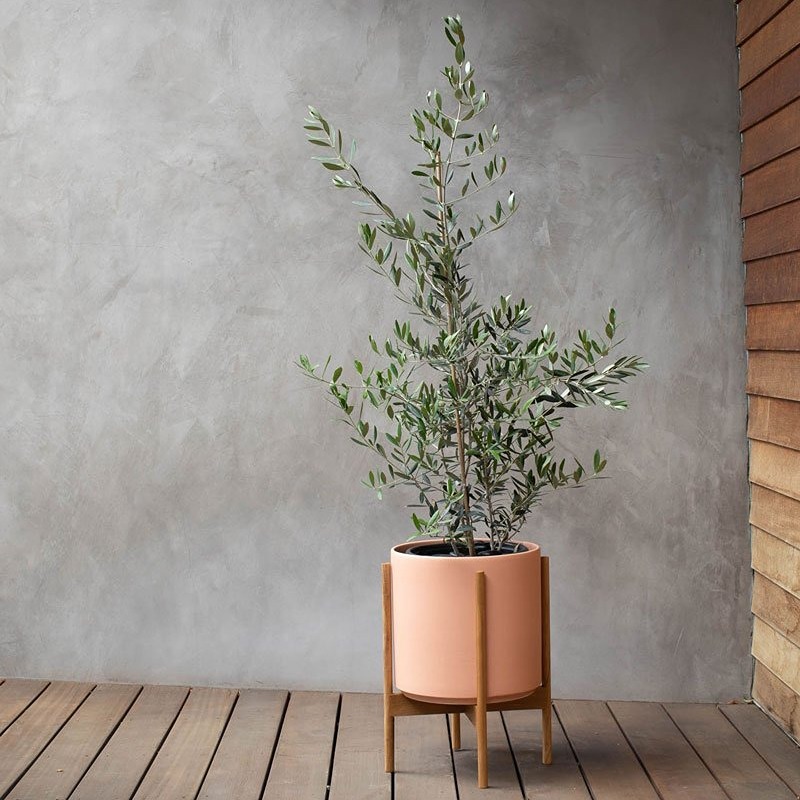
RAVENALA PALM – TRAVELER’S PALM
Anecdotally known as the east-west palm or the traveler’s palm, Ravenala madagascariensis. Its distinctive fan-shaped leaves, which grow in an east-west orientation by nature, give rise to its name. This tree, which is native to Madagascar, was once used to determine direction, much like a compass. The leaf bases and bracts of this plant also catch and store rainfall, making it a beautiful find for thirsty visitors who may subsequently find up to a half-gallon of fresh water contained within it. There is even folklore that says you may make a wish, and it will come true if you stand in front of a traveler’s palm, making it a very lucky discovery. Since then, it has grown to be one of the most popular outdoor/indoor tropical plants for workplaces and homes.

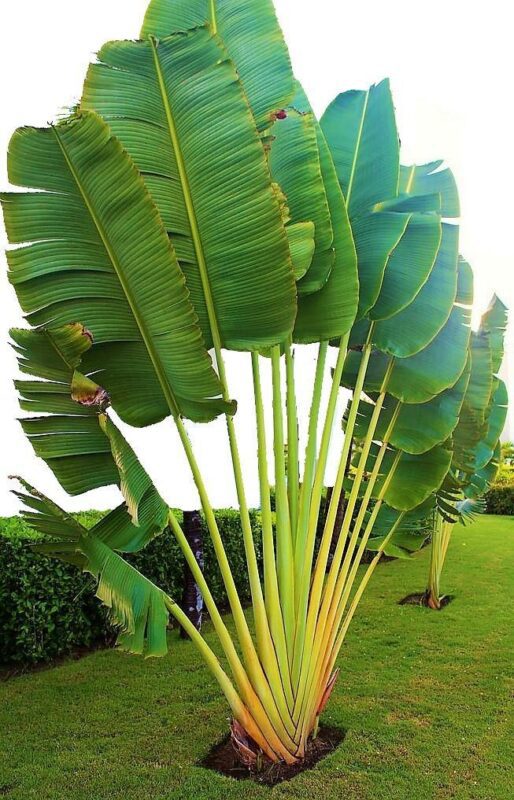
RAVENALA PALM (TRAVELLER’S PALM)
Travellers palms are not palms but related to the banana. They hold a large reserve of water in the leaf bases from which travellers could drink, but it would be a mighty desperate soul to partake of insect and debris laden cocktail contained in this travellers ?Oasis?. The distinctive flat fan, formed by leafs and leaf bases makes the travelers palm a popular and unique ornamental.
Ravenala madagascariensisor Traveller?s palm is Large, erect tree with an unbranched, palm-like trunk topped by a fan-shaped, crown of 2-ranked, paddle-shaped, leathery, lustrous, rich green leaves. The oblong leaf-blades, 2-4m long, are borne on thick, grooved stalks, of about the same length, closely overlapping at the bases. On mature plants, tiny, narrow white flowers, each with 6 tepals, emerge from pointed, boat-shaped, greenish white spathes, a few at a time, in summer; they are followed by fruit capsules that contain seeds with bright blue arils.
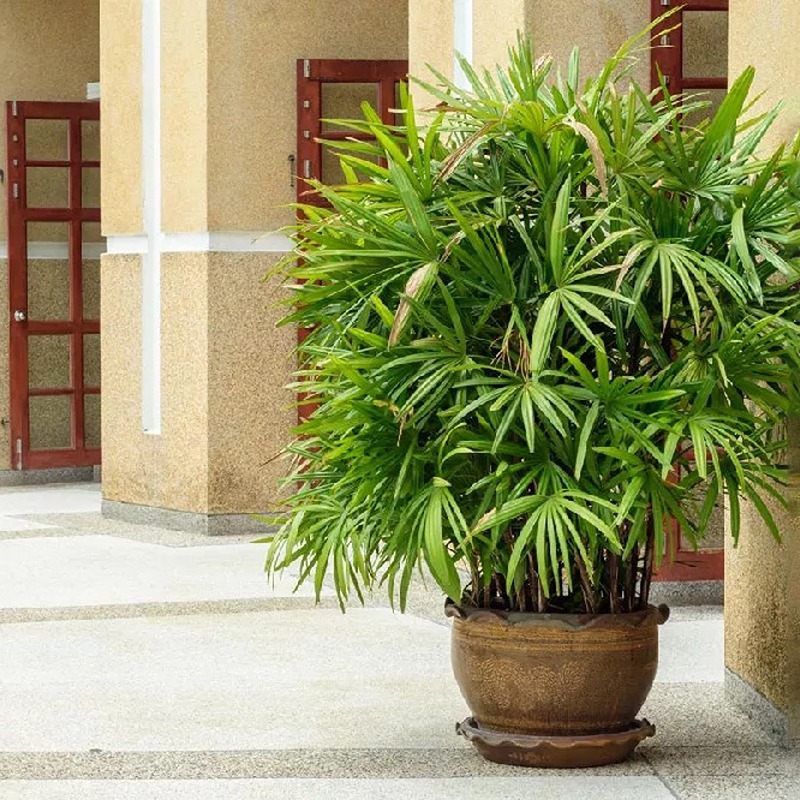
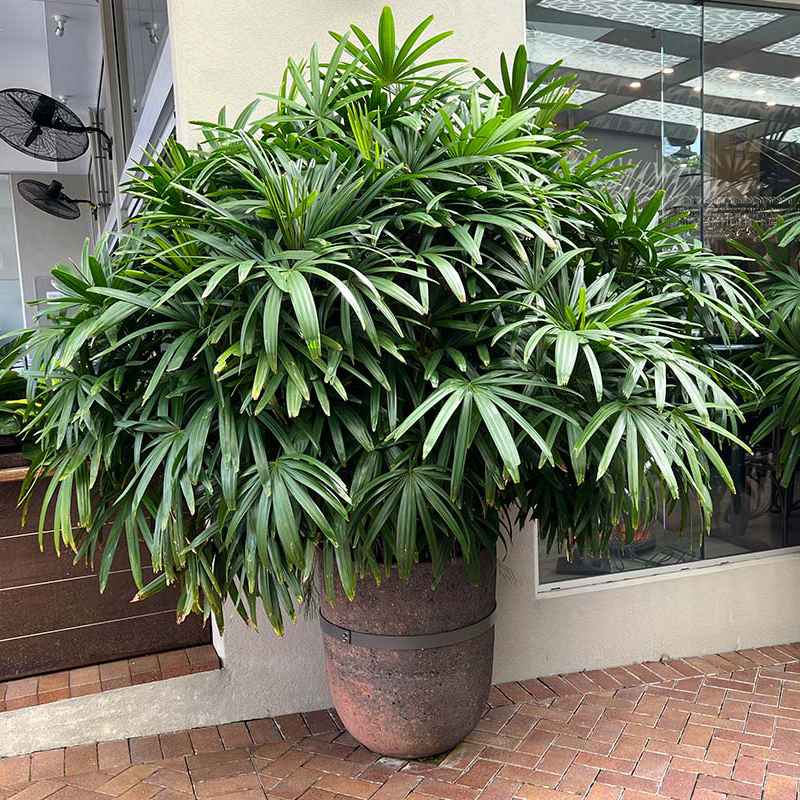
RHAPIS PALM
The Rhapis palm is a small palm species that grows in dense clumps of slender upright green stems. On the stems are fan-shaped, glossy green fronds that each have between five and eight narrow, lance-shaped segments. Because this palm is extremely tolerant of low-light conditions, it’s popular to grow outdoors & indoors. It’s best planted in the spring at the start of the growing season. This palm has a fairly slow growth rate, gaining less than a foot in height per year.
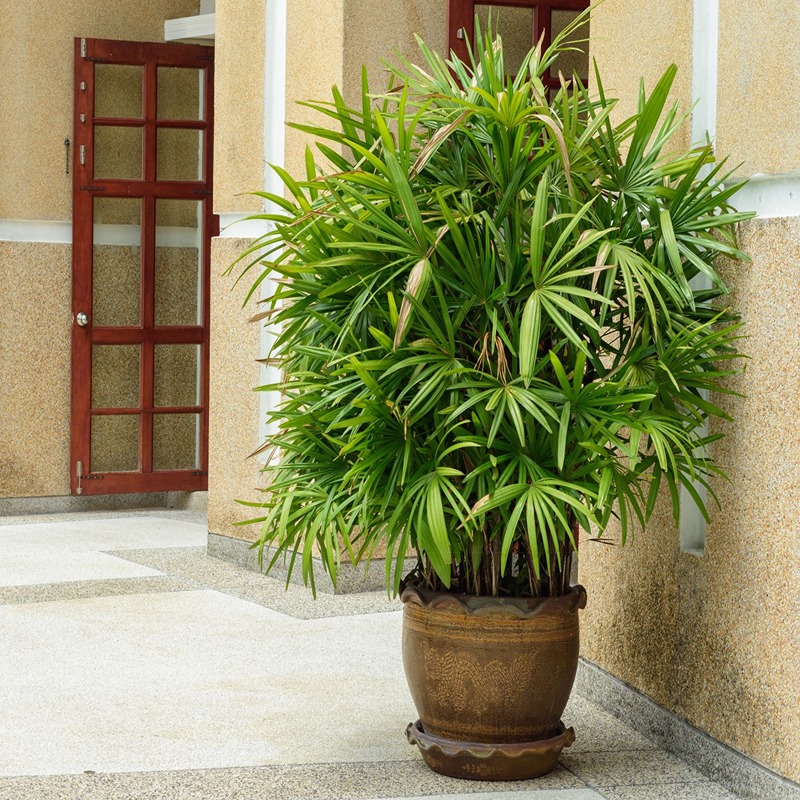
RHAPIS PALM – BAMBOO PALM
The bamboo palm (Rhapis excelsa) is a small palm species that grows in dense clumps of slender upright green stems. On the stems are fan-shaped, glossy green fronds that each have between five and eight narrow, lance-shaped segments. Because this palm is extremely tolerant of low-light conditions, it’s popular to grow indoors as a houseplant. It’s best planted in the spring at the start of the growing season, though houseplants generally can be started year-round. This palm has a fairly slow growth rate, gaining less than a foot in height per year.
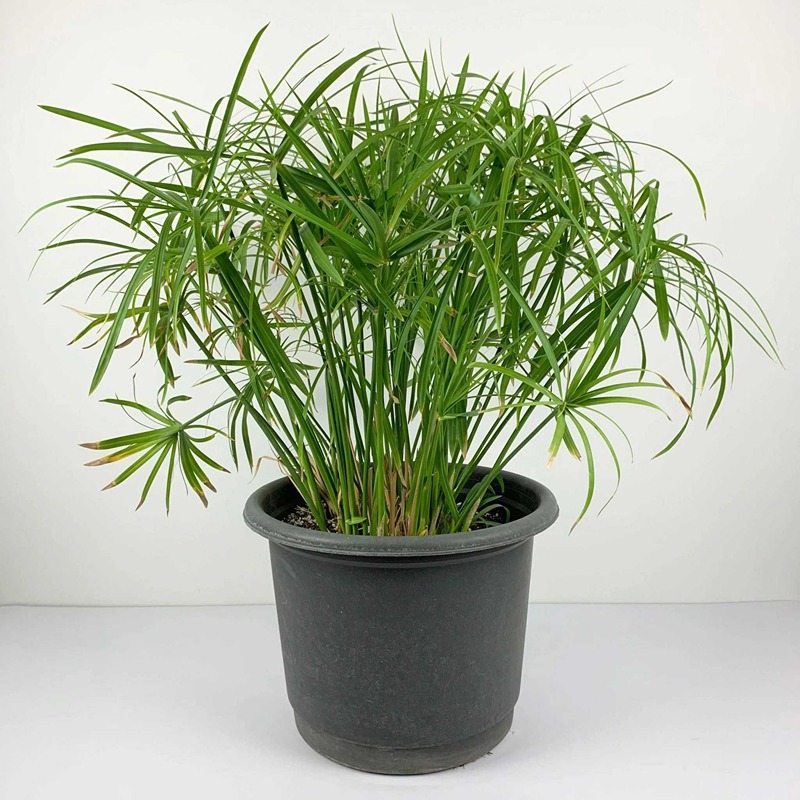
ROSEMARY PLANT
The rosemary plant (Salvia rosmarinus) is a fragrant herb that grows as a perennial rounded evergreen shrub. It features slender, needle-like, gray-green leaves on erect woody stems. It produces clusters of small, light blue to white flowers typically in the late spring to early summer, though it can bloom at other points of the year as well. Plant rosemary in the spring. You can grow rosemary indoors, too, though it will grow quite large. The shrub has a moderate growth rate and spreads when planted.
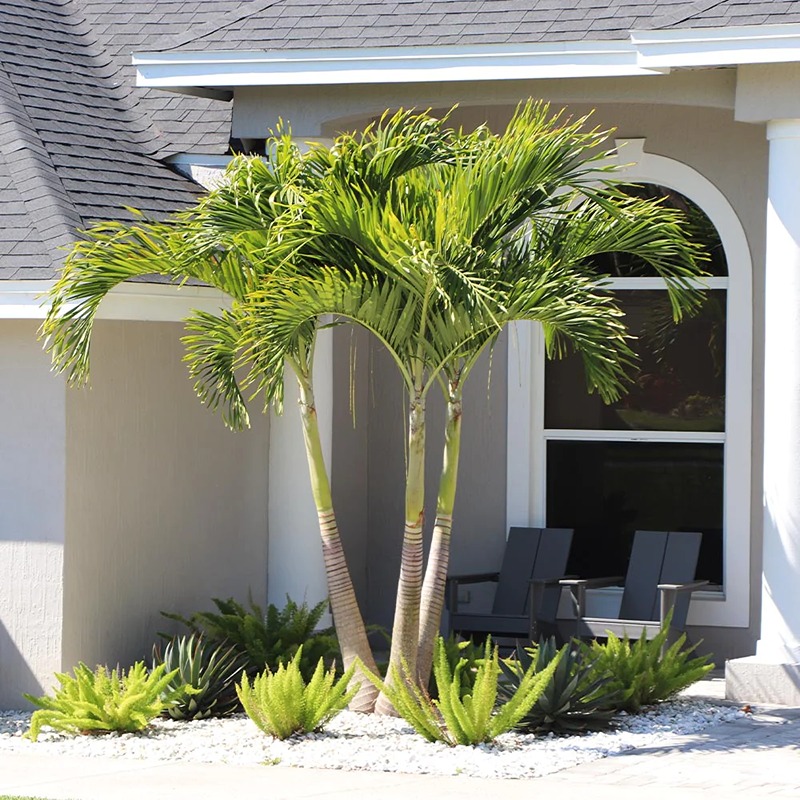
ROYAL PALM
This big beauty is the classic South Florida palm tree and a Florida native. Smooth trunks of gray to gray-white are topped with bright green crownshafts and long, luxurious, full fronds. Soaring to heights 25 mt tall, this giant palm tree is one of the most sought-after landscape palms for elegant South Florida homes.
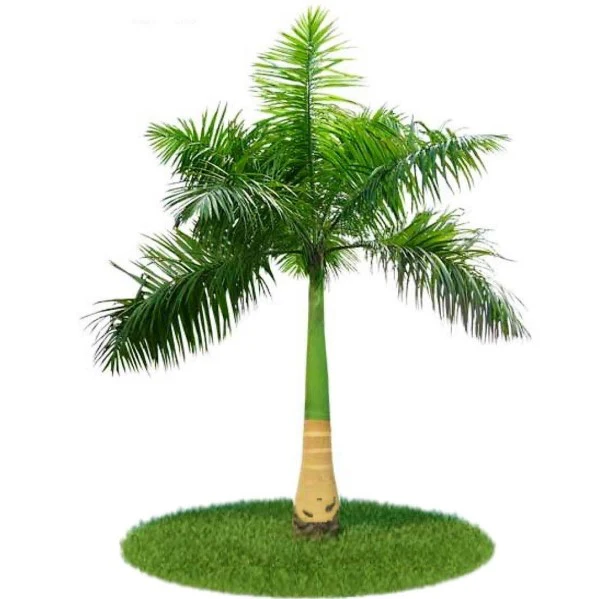

Royal Palm – Roystonia Regia
Common name of Roystonia regia is Royal Palm with a sturdy trunk, usually thickened at the base and again in the middle, becoming thinner towards the crownshaft. Leaves 3-5m long, have many linear, rich green leaflets arranged in several ranks. Cup-shaped white flowers are borne in panicles, to 1m long, usually in summer.
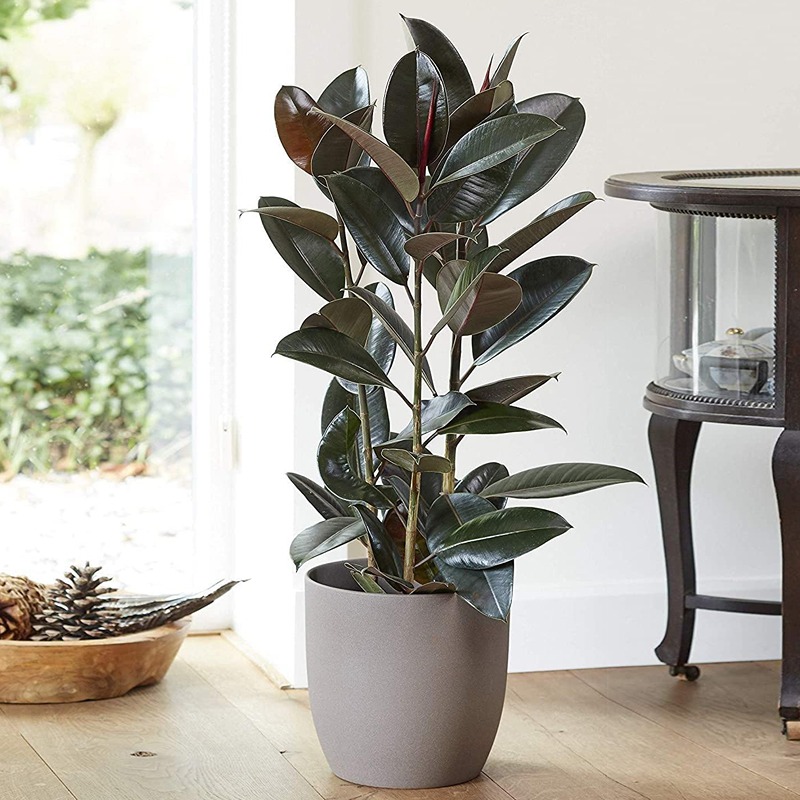
RUBBER PLANT – FICUS ELASTICA
Native to southern China, Southeast Asia, and Indonesia, Ficus elastica is a species of evergreen tropical plant that makes for an excellent houseplant: It is tolerant of indoor light conditions. Rubber plants (known scientifically as Ficus elastica or Ficus robusta) get their name from the milky white latex in their veins. The Mesoamerican people from way back in 1400BC used rubber plants as a key ingredient to make bouncy balls. In parts of India, people use their strong roots to make ‘living bridges’ over small rivers. But they’re best known today for being handsome houseplants with their silky sheen, creamy colors and air purifying qualities.
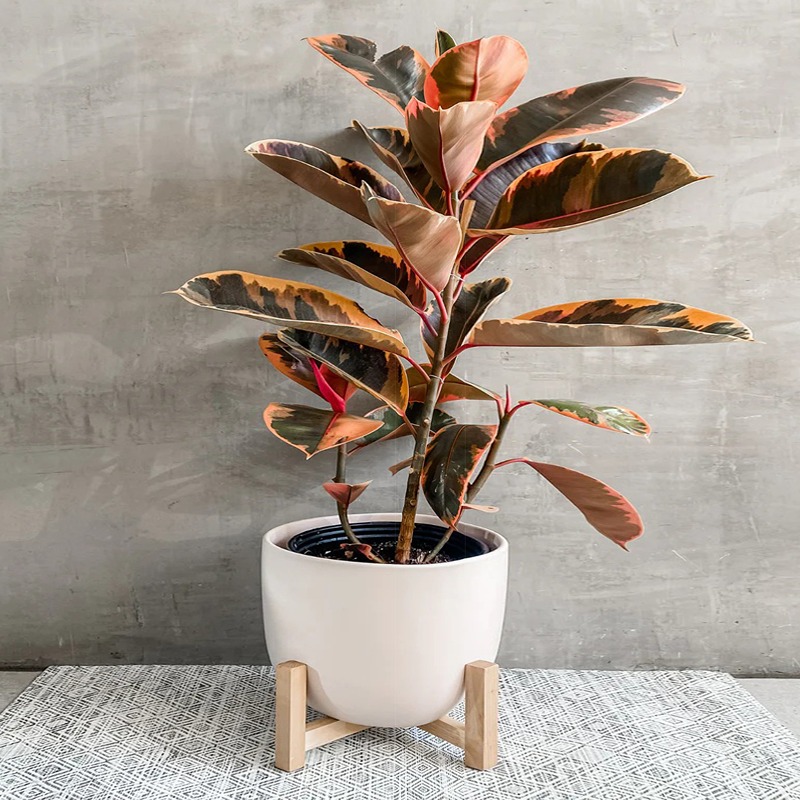
RUBBER PLANT VARIEGATED – FICUS ELASTICA
Variegated Rubber plants differ from regular rubber plants in their leaf color. Traditional rubber plants have dark green leaves but variegated rubber plants have leaves with shades of red, yellow, cream and green. Their colors fit the landscape of the desert perfectly. Perfect for bringing color and life to entry areas, empty corners and mixed plant groupings! Rubber Plants are a popular houseplant choice due to their ease of care, attractive foliage and tree-like presence. Perfect for all kinds of containers. Makes a breathtaking potted specimen plant. Keep soil evenly moist. Apply a balanced liquid fertilizer monthly during active growth. Dust or wipe off leaves for best display. Prune branches to maintain desired size.
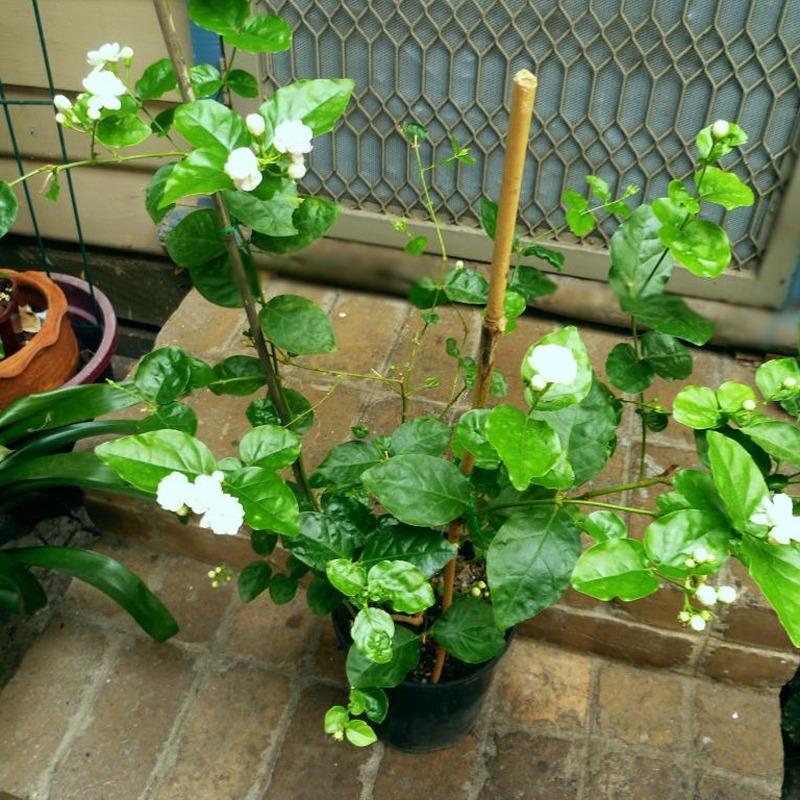
SAMBAC JASMIN – ARABIAN JASMINE
Arabian jasmine is famous for its fragrant flowers and its use in jasmine tea and leis. It is a fast-growing evergreen climbing shrub. Glossy, dark green oval leaves create a beautiful contrast to the highly fragrant, white flowers that fade to pink as they age. These beautiful-smelling blooms appear all summer long and may continue to bloom year-round in warm climates. Arabian jasmine can be trained as a flowering vine with support or maintained as a sprawling shrub. It also does very well in containers and makes an eye-catching plant for patios and porches.
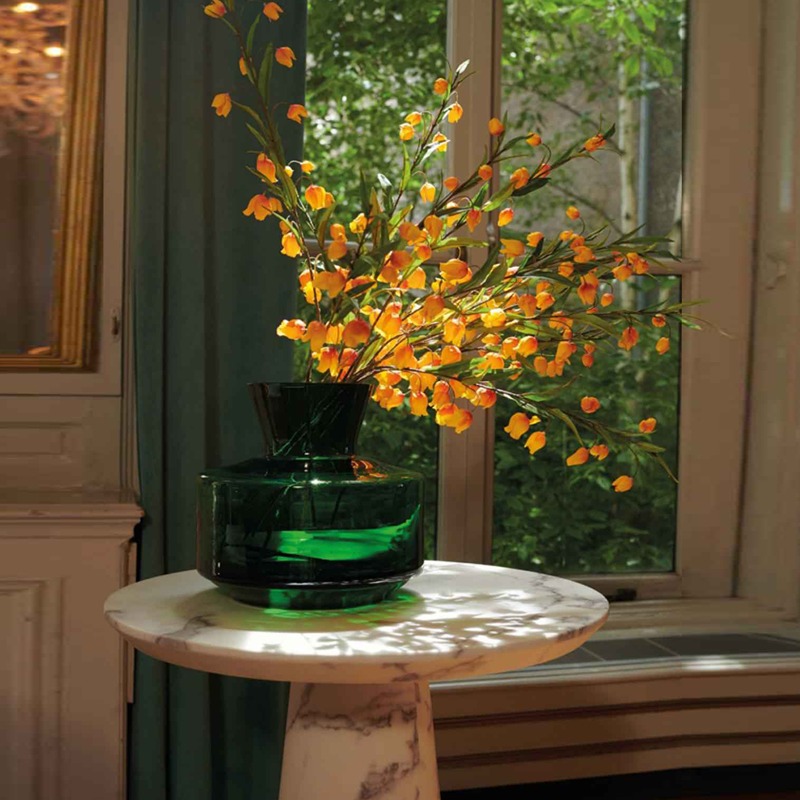
SANDERSONIA ORANGE / YELLOW ORANGE
Enhance your home decor with nature-inspired faux flowers, like this tall, stunning silk flower stem with green artificial leaves. Just style the branches in a tall vase to create a simple but sophisticated look.
This Sandersonia flower is designed with silk material & is part of flower collections. This flower is handmade by experienced artisans meeting with the highest standards of quality.
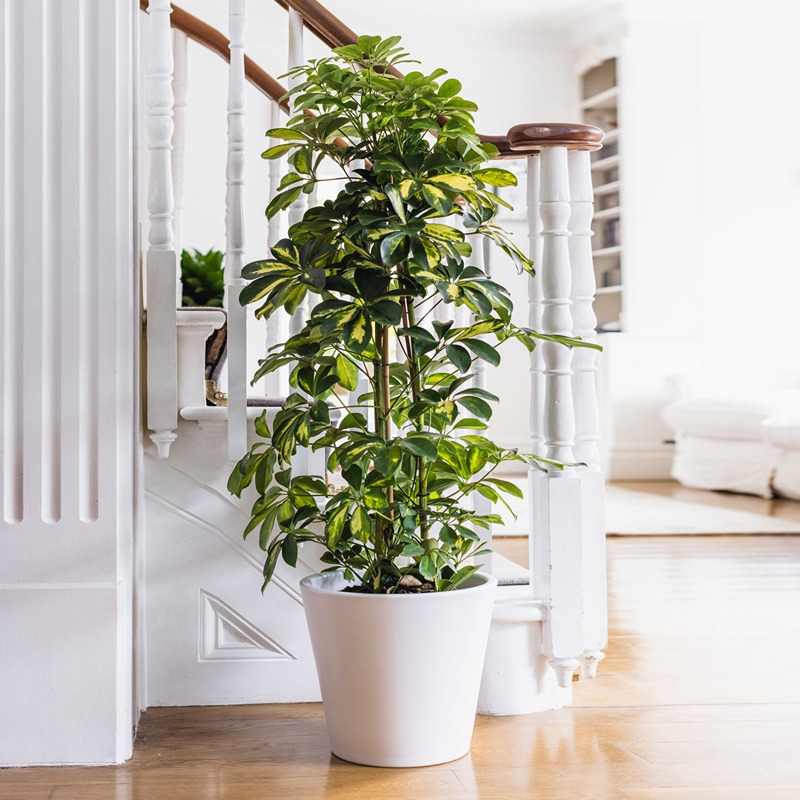
SCHEFFLERA – UMBRELLA PLANT
Schefflera is a large genus of tropical plants that includes two species that make wonderful tropical houseplants. The larger Schefflera actinophylla (sometimes called the umbrella plant or umbrella tree) features long, shiny, oval green leaves that droop gracefully from a central stalk, resembling an umbrella. A mature Schefflera might have 12 to 16 leaflets from a single stalk, while an immature Schefflera is more likely to have four to six. Schefflera arboricola (sometimes called dwarf Schefflera) features smaller, glossy leaves, sometimes with creamy variegation. Other than the smaller size, it looks very similar to its taller cousin. Schefflera pants are usually grown indoors for most of the year in cooler climates but can be taken outdoors for the warmer months, where they will thrive alongside other tropical plants. However, Schefflera plants typically have to be grown outdoors to display their show of long red, white, or pink tentacle-like flowers. Plants grown indoors rarely produce flowers. Schefflera plants are fast-growing plants, especially if planted outdoors, where they can add three feet per year. Indoor plants are slower-growing, especially if you keep them somewhat confined in a tight-fitting container. If you are planting a Schefflera in a warm climate garden, they are best planted in spring or fall when the weather is not blazing hot.
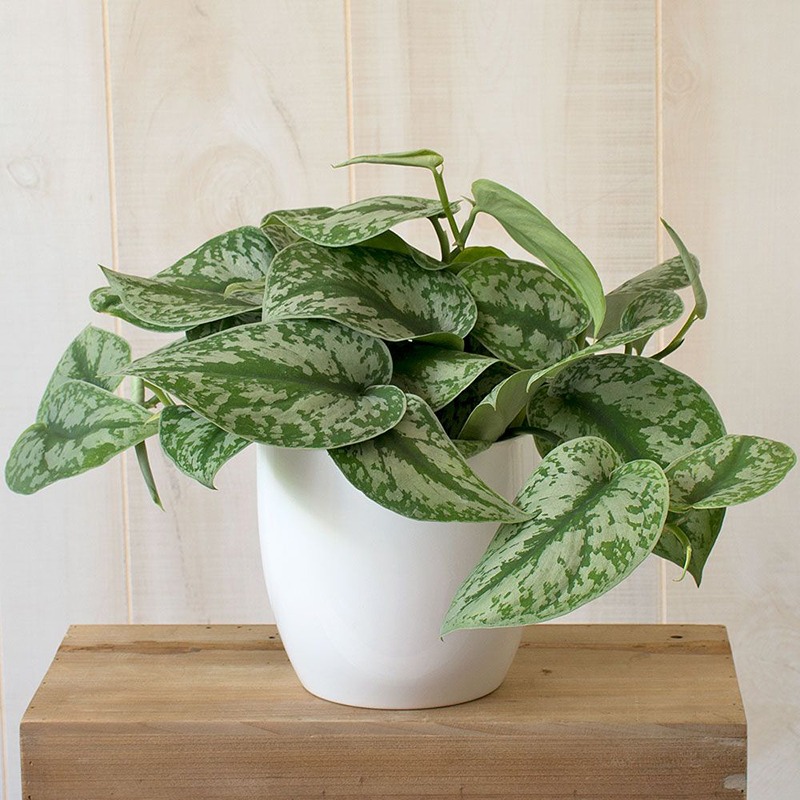
SCINDAPSUS PICTUS – SATIN POTHOS
Satin pothos (Scindapsus pictus), just like its botanical cousin pothos (Epipremnum aureum) is one of the easiest houseplants to grow. Both are members of the Arum family. They are evergreen tropical vines that are not cold-tolerant. That’s why pothos is usually grown indoors. What distinguishes satin pothos from pothos is the variegation of its foliage. The heart-shaped leaves have silvery grey splotches, which makes them look almost shiny and adds to the visual appeal of the plant. The intensity of the variegation depends on the cultivar. Satin pothos is a vine that will latch onto its surroundings—that can be a pole, a trellis, other plants, a wall, or a piece of furniture. The way the vine attaches to surfaces is through its aerial roots. Sometimes it does this on its own, sometimes it needs a little help, such as with invisible mini hooks. Instead of letting it trail, you can also grow satin pothos in a hanging planter allowing its foliage to cascade down.
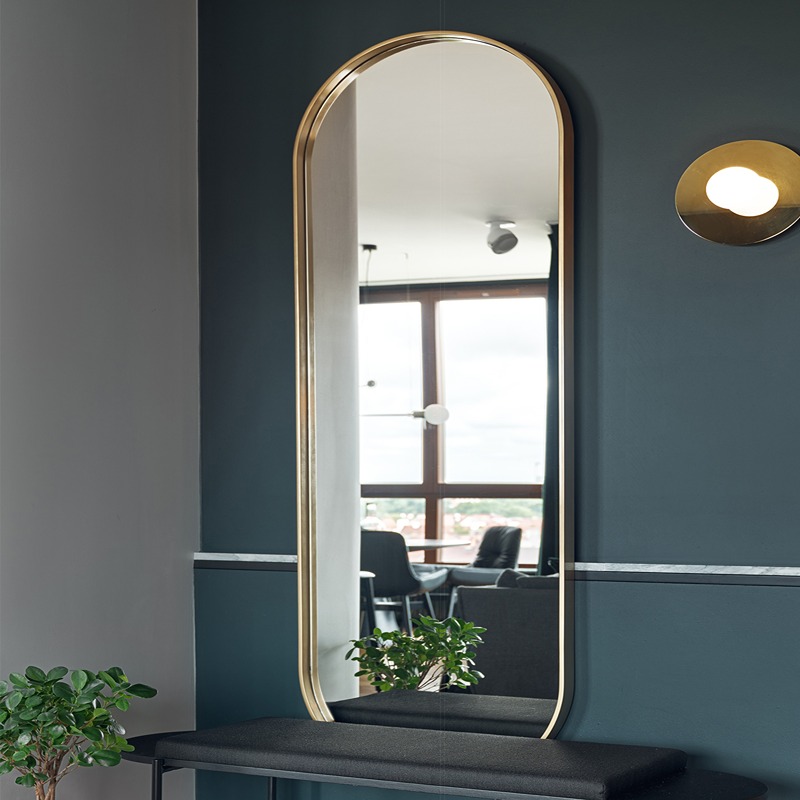
Shop Wall Accent & Modern Mirrors Online
Bring a touch of sophistication to your wall with this decorative wall mirror. Handcrafted with utmost precision, the mirror boasts a stunning brass polished finish that complements any room. Its sleek eye shape is sure to catch your attention, making it a statement piece in your home decor.
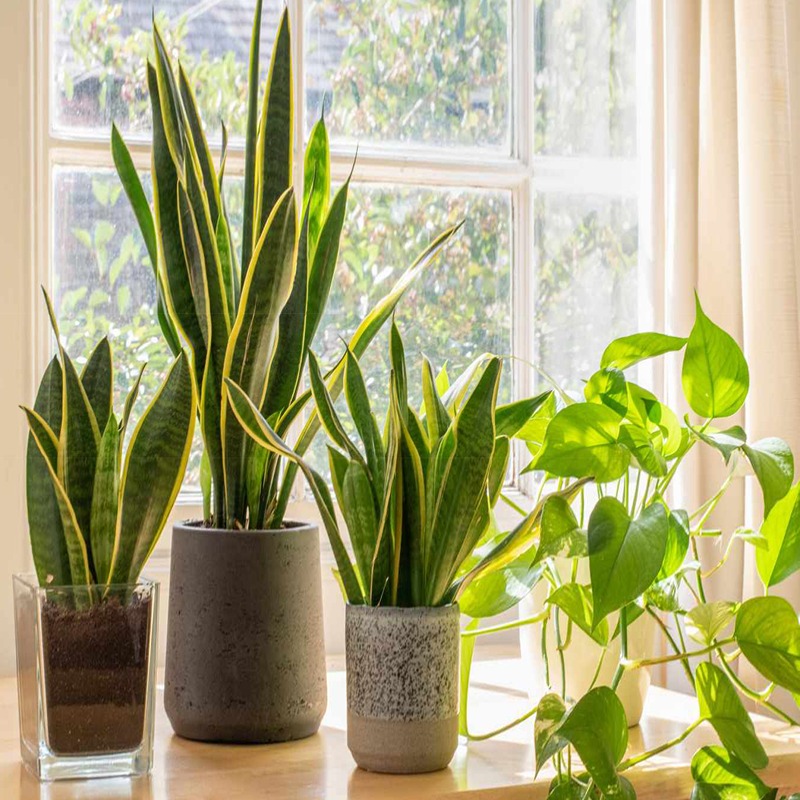
SNAKE PLANT – SANSEVIERIA
Snake plant, is a popular and hardy houseplant with stiff, sword-like leaves from six inches to 12 feet tall in its native habitat but usually reaches two feet tall when grown indoors. They vary in color but many have green-banded or striped leaves with a yellow or cream border. Snake plants are easy to grow and are nearly indestructible. They grow slowly indoors, adapting to both bright light and low-light corners, however a few hours of early morning direct sun can boost growth. Planting and repotting is best done in the spring. Snake plant is toxic to cats and dogs.
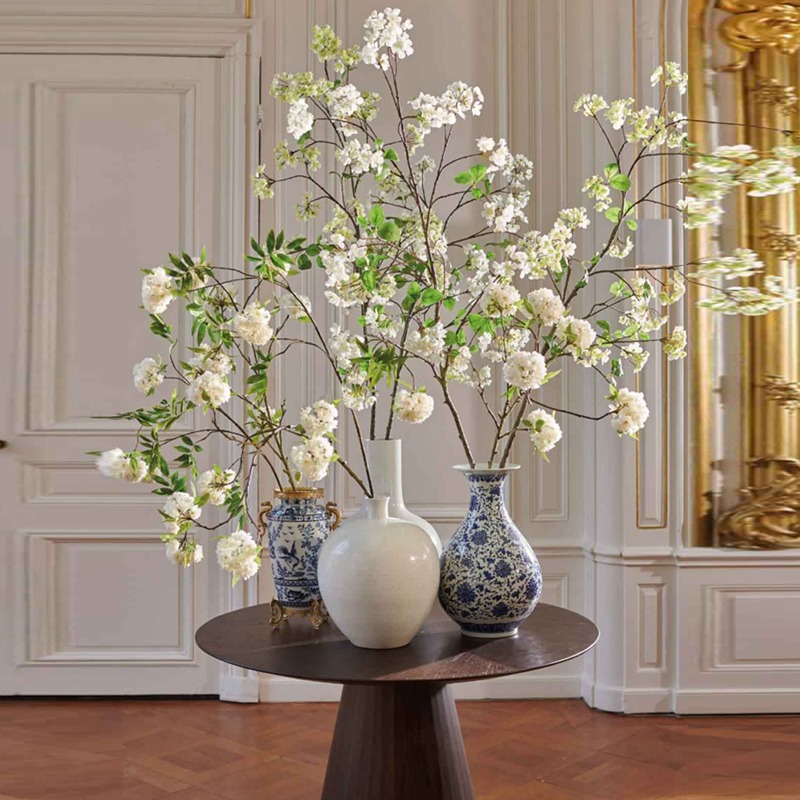
SNOWBALL
Create your faux floral arrangement with these exceptionally beautiful white snowball flowers that are among the best artificial botanicals inspired by nature. Simply style a few branches in a large vase to complete a sophisticated look that draws all the attention to the heavenly, hydrangea-like blooms.
This Snowball flower is designed with silk material & is part of flower collections. This flower is handmade by experienced artisans meeting with the highest standards of quality.
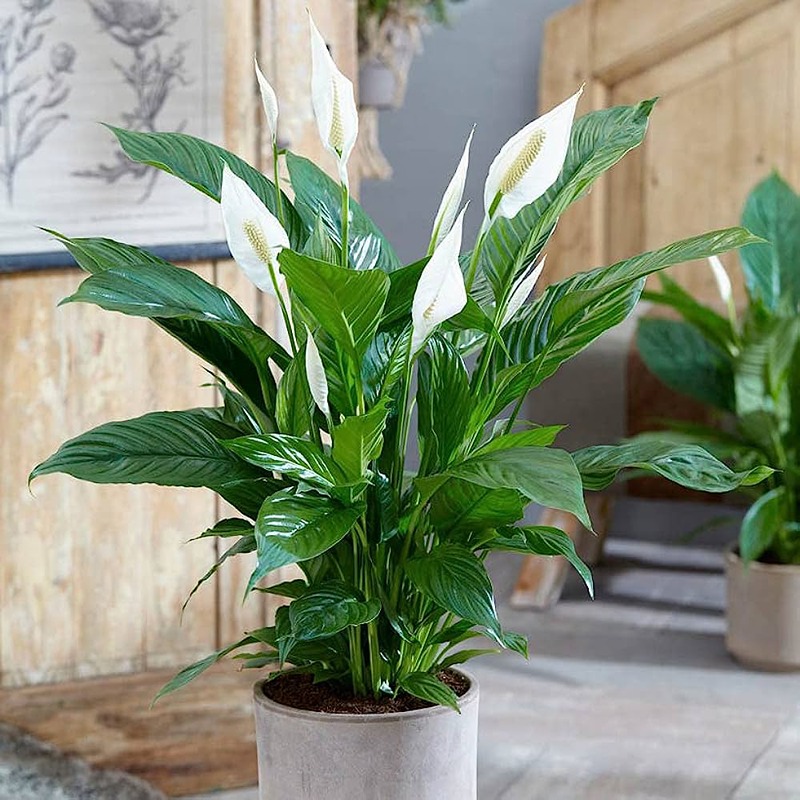
SPATHIPHYLLUM – PEACE LILY
Peace lilies are not true lilies. They are tropical, evergreen plants in the Arum family, native to tropical Central and South America. These plants thrive on the forest floor, where they receive dappled sunlight and consistent moisture and humidity. Replicating these conditions in the home is the key to getting your peace lily to be happy and healthy. With enough light, peace lilies produce white to off-white flowers starting in the early summer, continuing to bloom throughout the year in the right conditions. Most household varieties of peace lily grow up to 16 inches tall, but larger outdoor cultivars can have leaves that reach up to 6 feet in height.
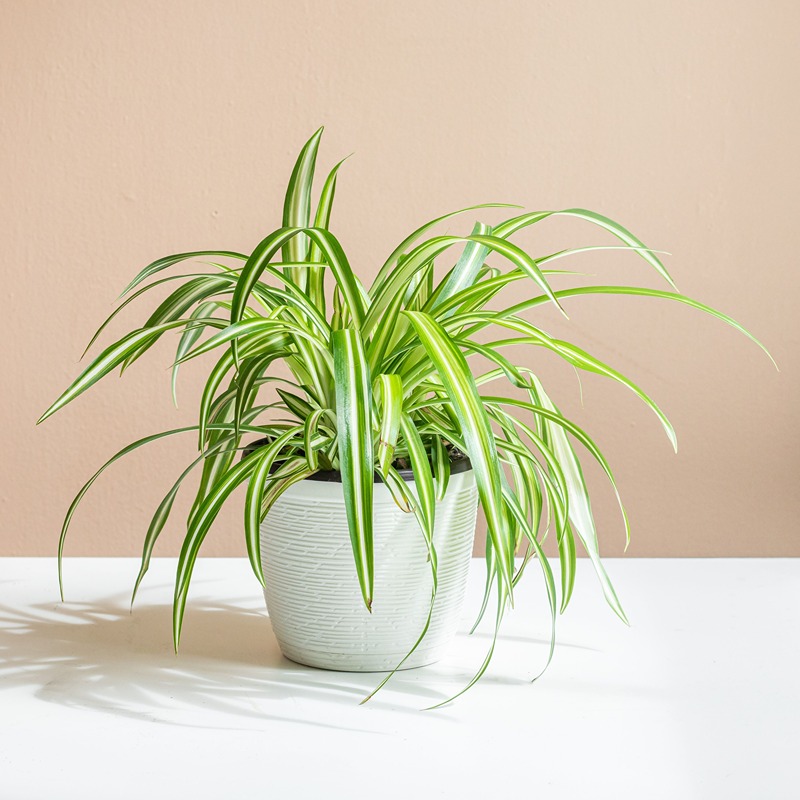
SPIDER PLANT
Spider plants produce a rosette of long, thin, arched foliage that is solid green or variegated with white. These easy-to-grow houseplants look especially nice in a hanging basket and were a favorite in Victorian-era households. During the summer, spider plants may produce tiny white flowers on long stems, as well as baby spider plants (offsets) called “pups.” The pups look like tiny spiders, hence the plant’s name! Caring for spider plants is easy. These tough plants tolerate lots of abuse, making them excellent candidates for newbie gardeners or those without a green thumb. Provide them with well-drained soil and bright, indirect light and they will flourish. Water them well but do not allow the plants to become too soggy, which can lead to root rot. In fact, spider plants prefer to dry out some between waterings.
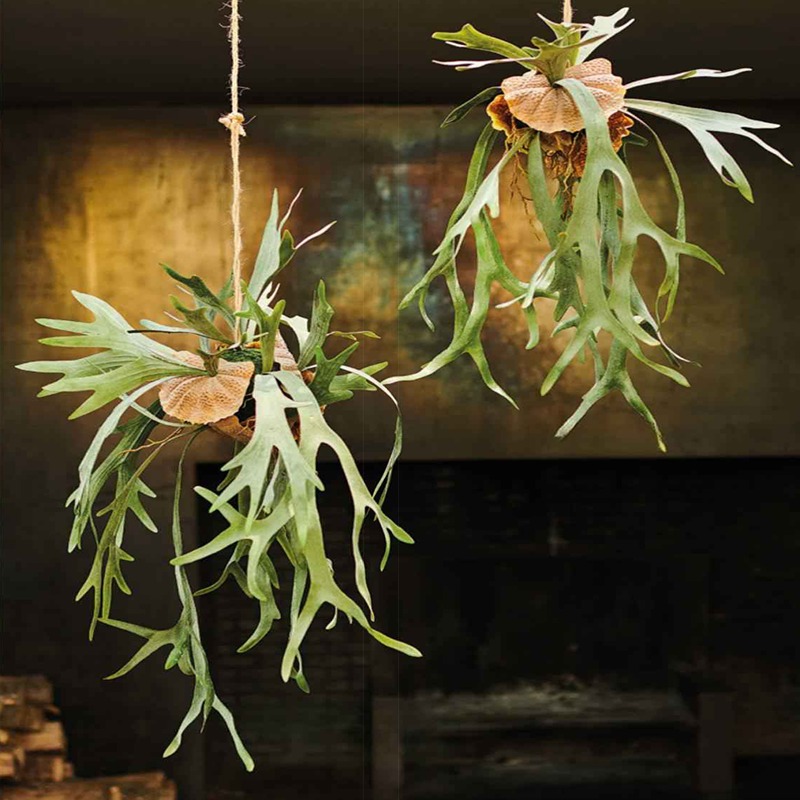
STAGHORN FERN
Find faux plants, like this lush green hanging plant. You can easily arrange this tropical houseplant in your favorite planter or hanging basket to showcase its gorgeous trailing leaves.
This plant is designed with silk material & is part of plant collections. This hanging plant is handmade by experienced artisans meeting with the highest standards of quality.
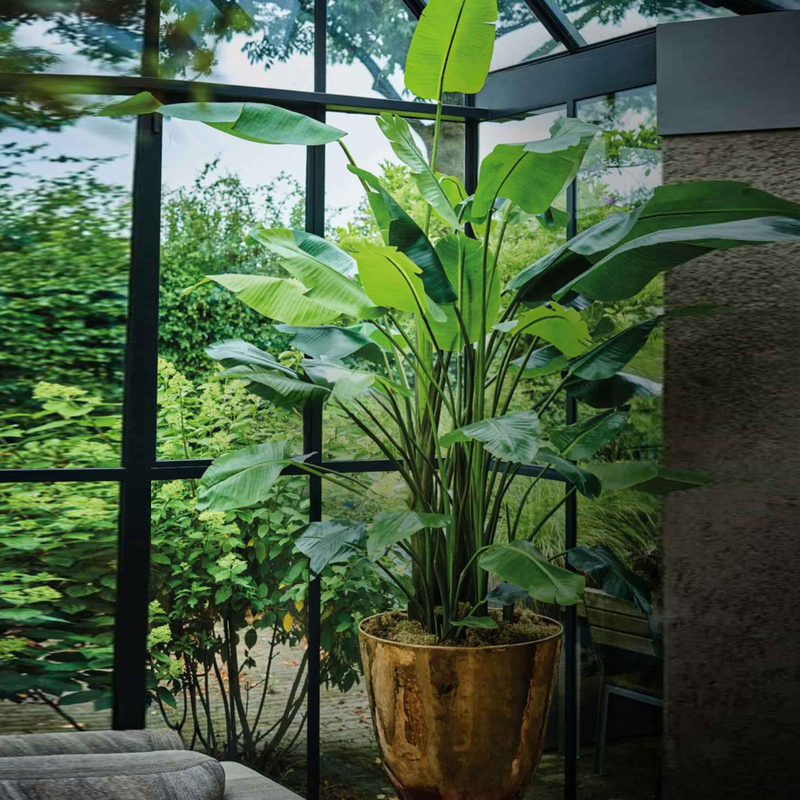
STRELITZIA / BIRD OF PARADISE
Elevated styling for home decor or interior design starts with tall, artificial plant like this strikingplant. It has beautiful green natural touch leaves. Style it in a corner of your space that needs a lively touch and a permanent feeling of nature.This plant is handmade by experienced artisans meeting with the highest standards of quality.
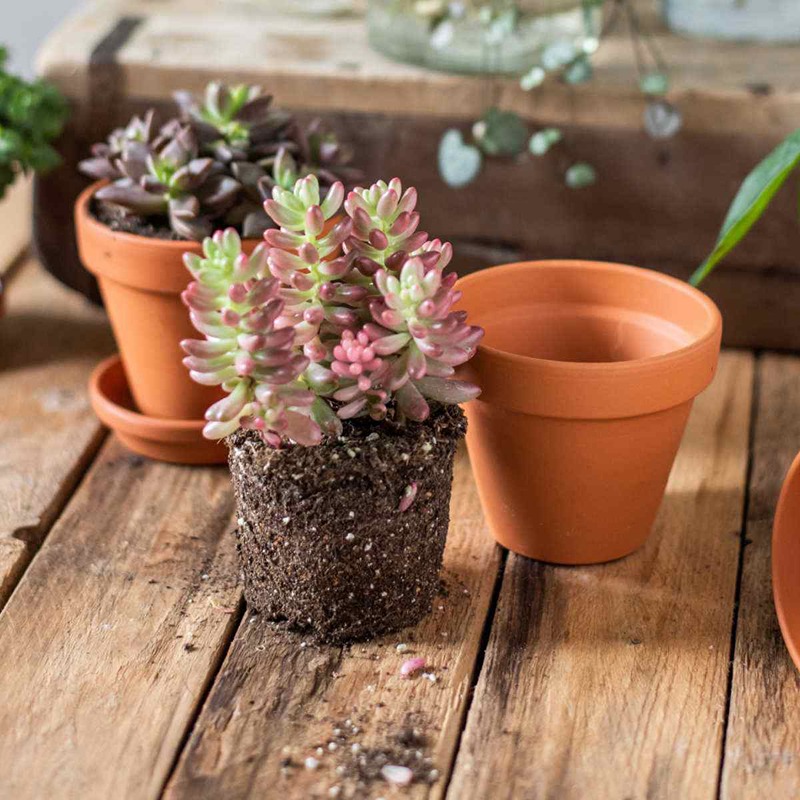
SUCCULENT MIX
These houseplants are celebrated for their low maintenance—that’s only true once you know what you’re doing. Succulents do best when kept in areas with moderate to bright, indirect sunlight and/or partial sunlight. Less is more when it comes to watering, All succulents (and all plants for that matter) benefit from a complete soaking, until water comes out of the bottom of the pot. For succulents, wait until the soil is bone dry — and then some — to water again. Just be sure to keep the leaves dry to keep mold at bay.
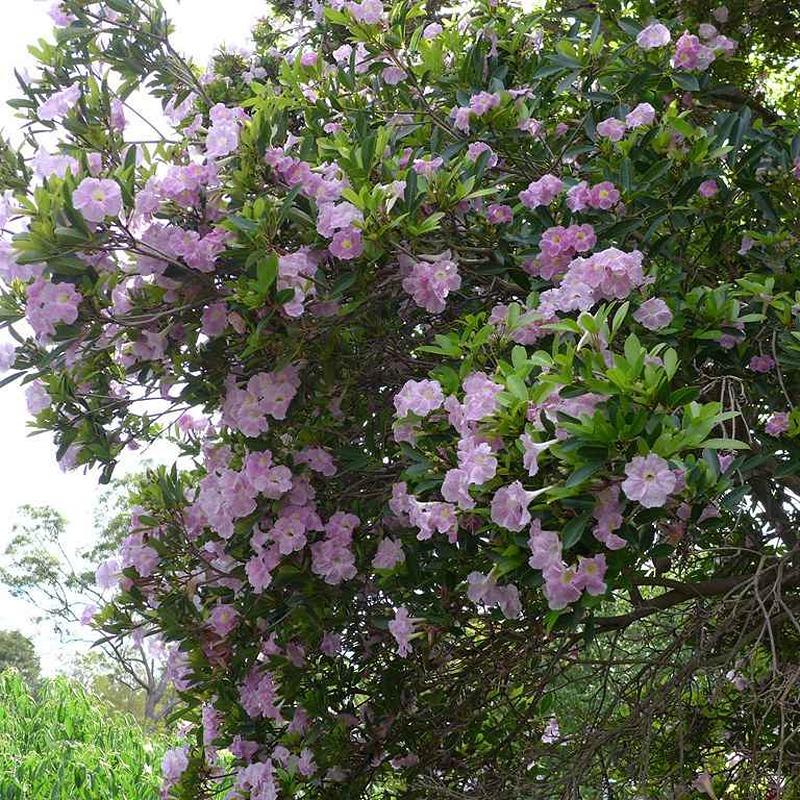
TABEBUIA ROSEA – ROSY TRUMPET TREE
Tabebuia Rosea, commonly known as the Pink Trumpet Tree, is a stunning deciduous tree native to the Caribbean region. It’s celebrated for its dazzling display of pink to purple trumpet-shaped flowers that bloom in clusters, providing a spectacular spring show. The tree can grow up to 15 mt. tall, with a similar spread, and has a rounded to vase-shaped canopy, making it a favored ornamental tree for urban and suburban landscapes. Its compound leaves are glossy and dark green, offering a pleasing contrast to the bright flowers.
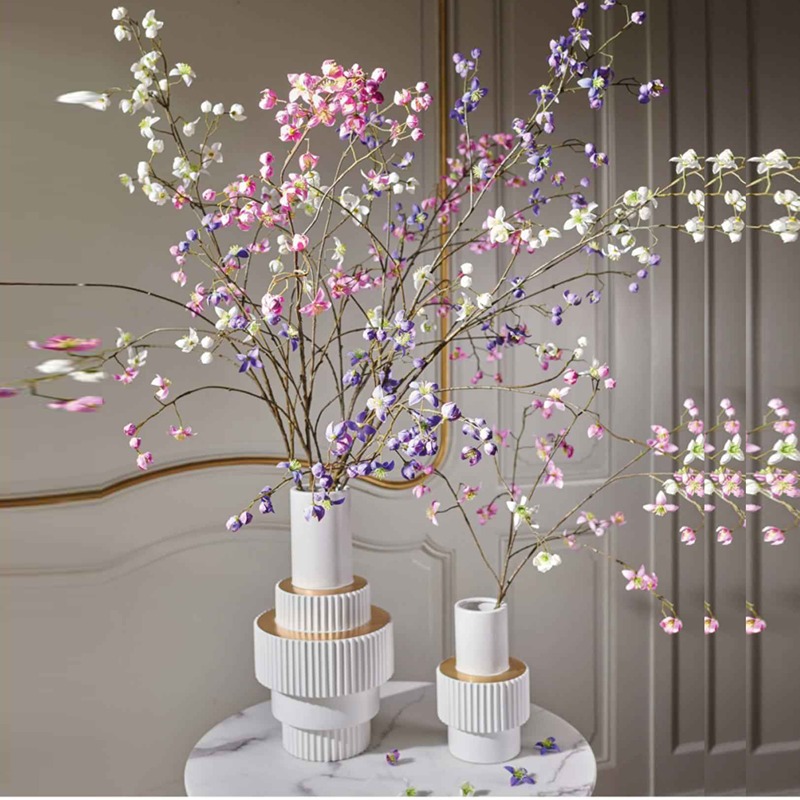
THALICTRUM
From the sophistication of a French countryside cottage to the refreshing feel spring brings to your home, enjoy this floral palette with hints of pink. This luxury faux flower has the feel of a damp petal from a fresh-cut stem, to be enjoyed carefree for a lifetime.
This Thalictrum flower is designed with silk material & is part of flower collections. This flower is handmade by experienced artisans meeting with the highest standards of quality.
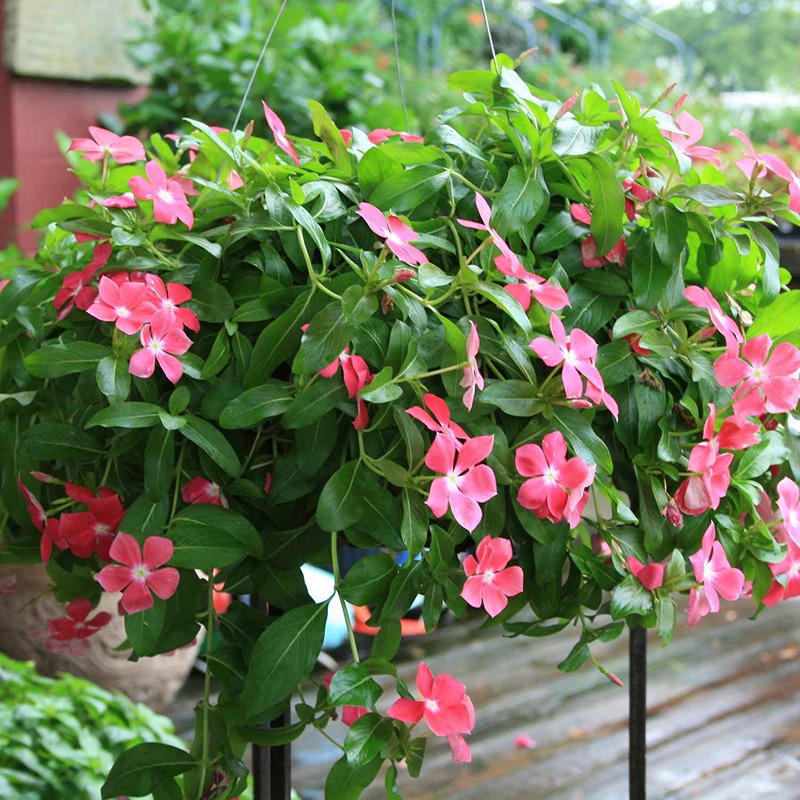
VINCA – MEDAGASCAR PERIWINKLE
Annual vinca (Catharanthus roseus) is a tropical perennial that is grown as an annual in most regions. The foliage is dark green and leathery. Depending on the variety, fast-growing vinca is 10 to 50 cm tall with a similar spread. Annual vinca plants bear single blooms with five petals that frequently touch or overlap from early summer.
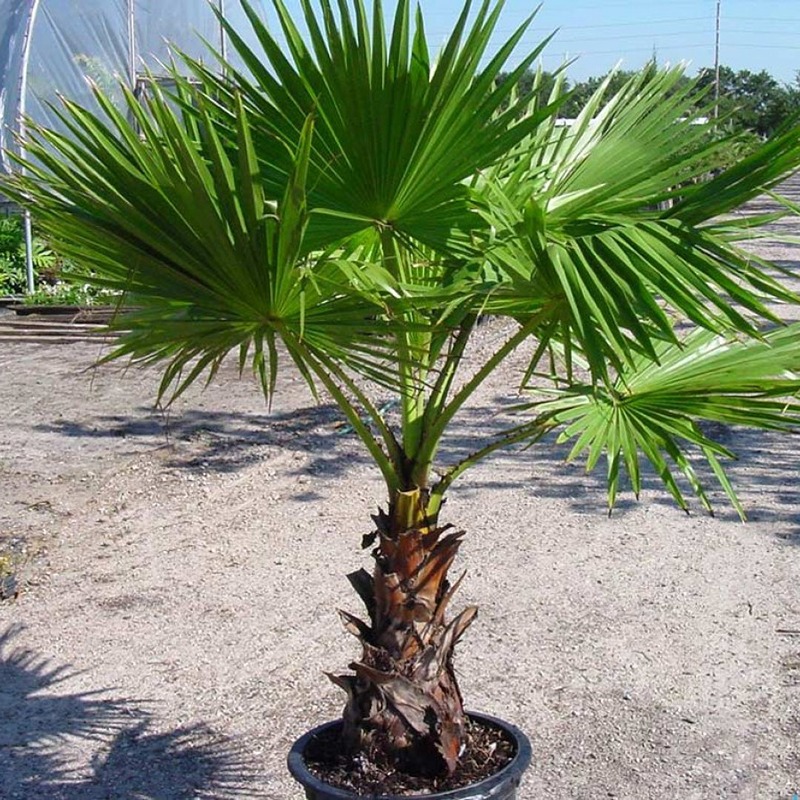
WASHINGTONIA PALM – MEXICAN FAN PALM
The fast-growing, extremely hardy Washingtonia Palm can provide big tropical landscape appeal in a hurry. Washingtonias grow fast – yet the rate can vary from palm to palm. No two grow at the same pace, so pairs of these palms are not a good choice for symmetrical landscape design. They’re a favorite with builders who want to give a finished look to a newly constructed home, and with homeowners who want more instant gratification.
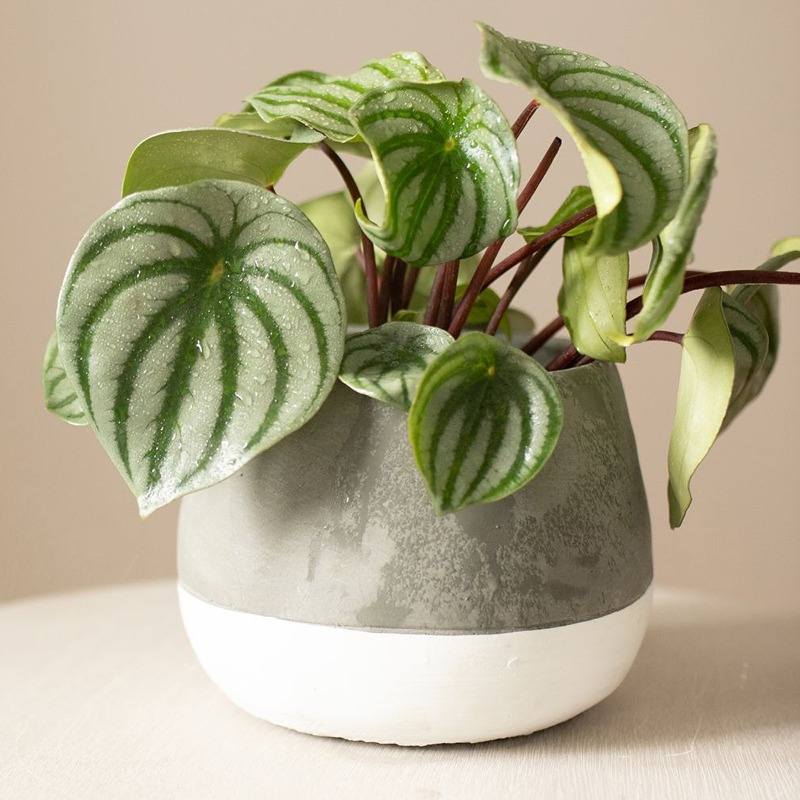
WATERMELON PEPEROMIA
Watermelon peperomia (Peperomia argyreia) have exploded in popularity among houseplant lovers thanks to their stunning watermelon-patterned foliage. They have a compact growth habit, and their leaves are not only colorful but also have a shimmery appearance that is especially stunning when the sunlight catches them. Native to South America, watermelon peperomia are tropical plants that grow naturally in the rainforest understory, and adapt exceptionally well to indoor growing.
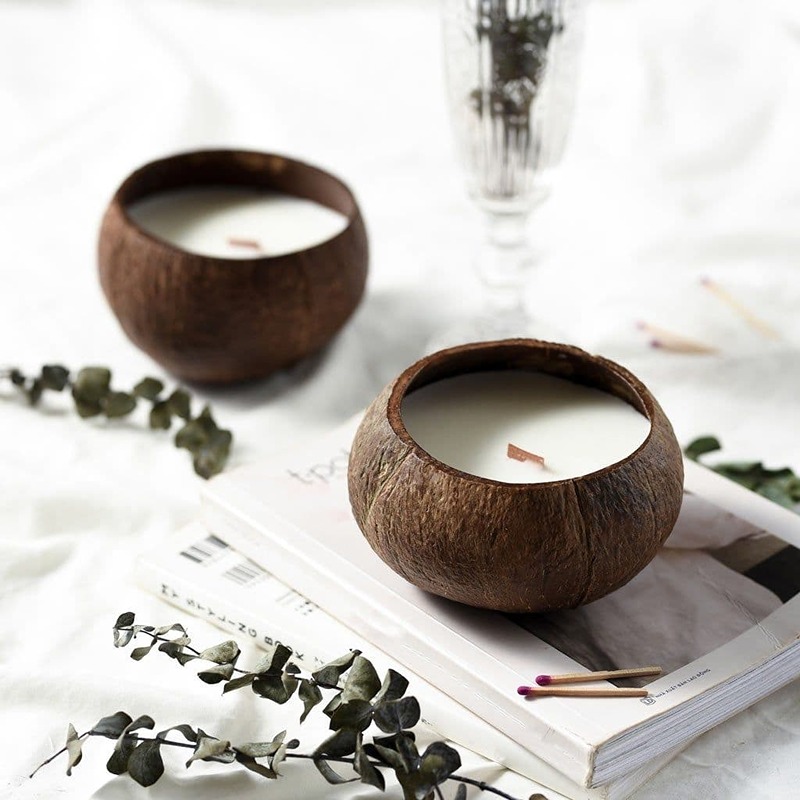
WOODWICK CANDLE
Our wood wick coconut shell candle is made with phthalate-free fragrance oils, all-natural soy and coconut waxes, and a wood wick. They come in real coconut shells that would otherwise be discarded as waste and are thus up-cycled.
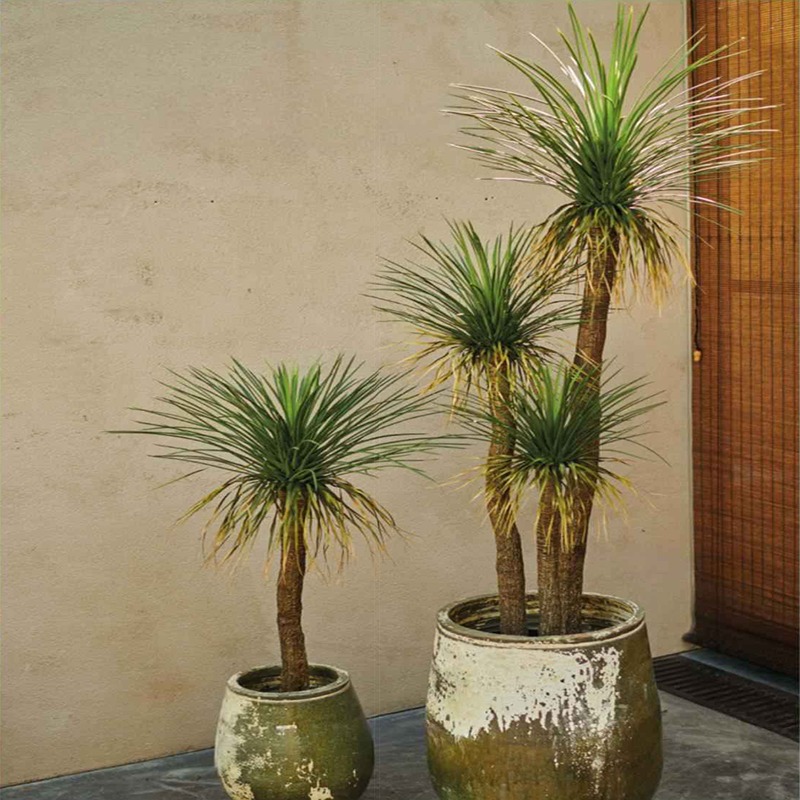
YUCCA
A stunning way to bring life and the feeling of nature into your interior design is to style the most realistic artificial plants in a statement pot. Start with this faux Yucca plant that has perfect, natural-looking green leaves.
This Yucca plant is designed with silk material & is part of plant collections. This plant is handmade by experienced artisans meeting with the highest standards of quality.
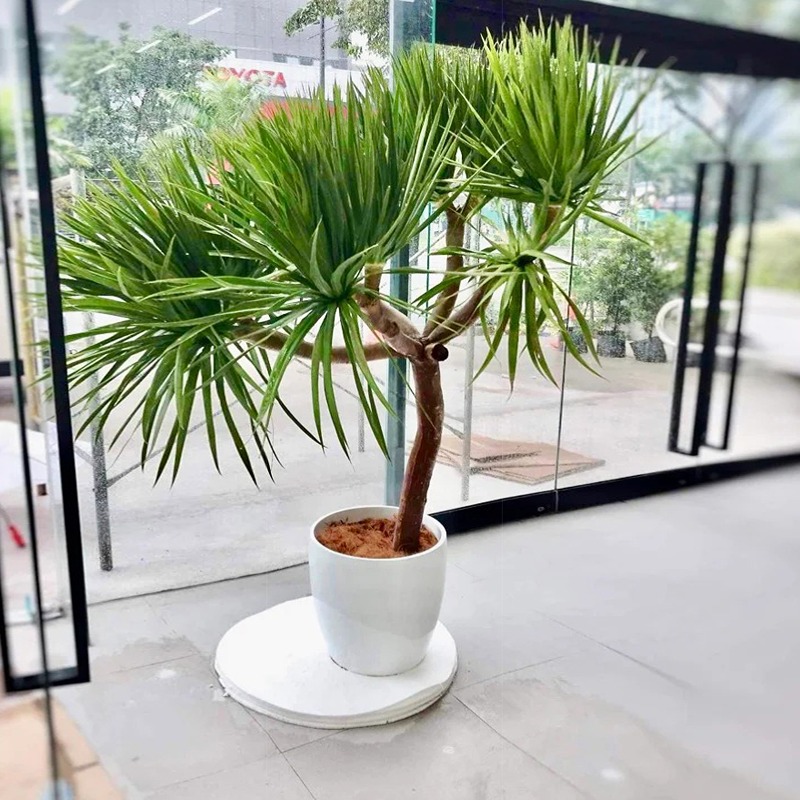
YUCCA MULTI HEAD – SPINELESS JEWELS
The drought tolerant Yucca is a low maintenance plant with sword like dark green leaves. The plant can add a tropical feel in your homes, cafes, restaurants.
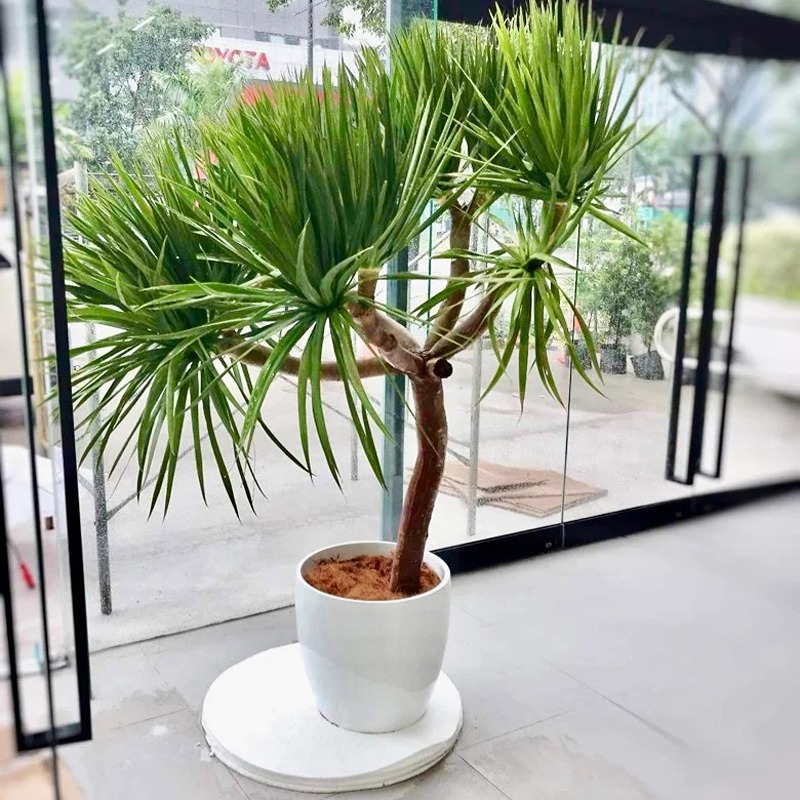
Yucca Plants Online
This type of yucca is native to the Southwest United States (Arizona, New Mexico, Texas, Colorado, Utah, Nevada, and the Death Valley area of California) as well as northern Mexico. It shares the same mounded clumps of stiff, sword-shaped leaves with all the other varieties of yucca. Yucca baccata often grows with sagebrush, pinyon juniper, or ponderosa pine in its natural environment. It is a slow-growing plant that is best planted in the spring. The banana yucca is non-invasive.
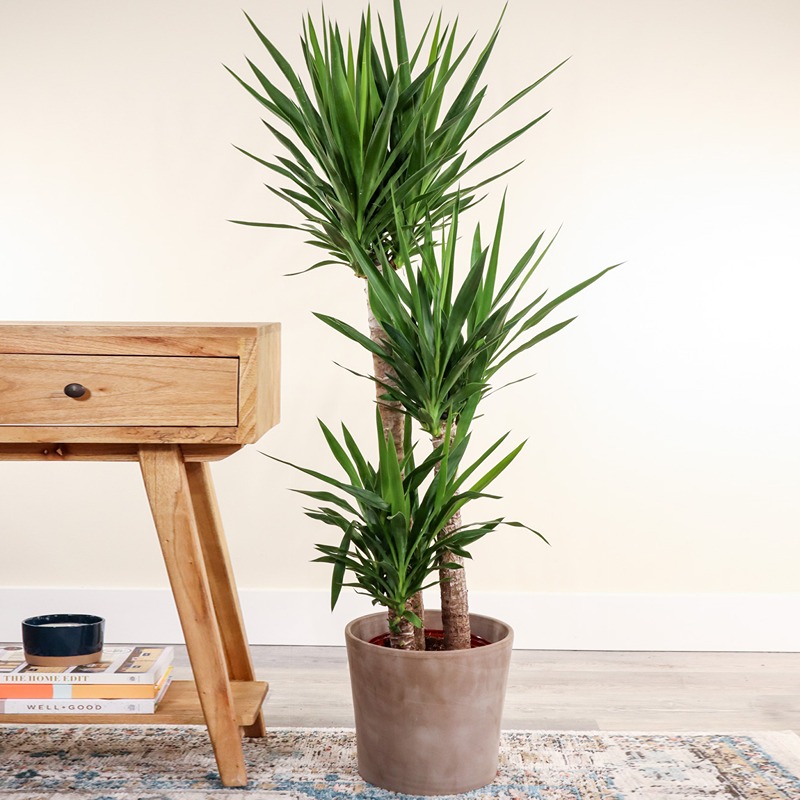
YUCCA SINGLE HEAD
Yucca is the common name for more than 40 species of plants in the Yucca genus. They have tough, sword-like leaves and a large spike of whitish flowers. Yucca contains chemicals that might reduce swelling. It might also have antibacterial and antifungal effects. Yuccas are native to the American Southwest, Mexico, and the Caribbean—they are visually interesting, looking similar to agave or dragon plants. Some are fast-growing plants growing up to two feet per year, while others grow slowly, about 5 inches a year. All are extremely drought tolerant. Most species of yucca will grow into room-devouring monsters, but this takes so long that you’ll get many years of use as a houseplant before it overwhelms your space. Most can grow outdoors, withstanding cold snaps. Some varieties can survive subzero temperatures. Plant them outdoors in the early spring. However, do not plant them too close to the house; these plants are not invasive species but have invasive root systems that can damage home foundations, sidewalks, and underground pipes. Beware the tips of the long, spiny leaves of yucca plants; they are sharp and pointy and can cause injury. Pet owners should take caution if adding yucca plants—all parts of the plant are toxic to dogs and cats.
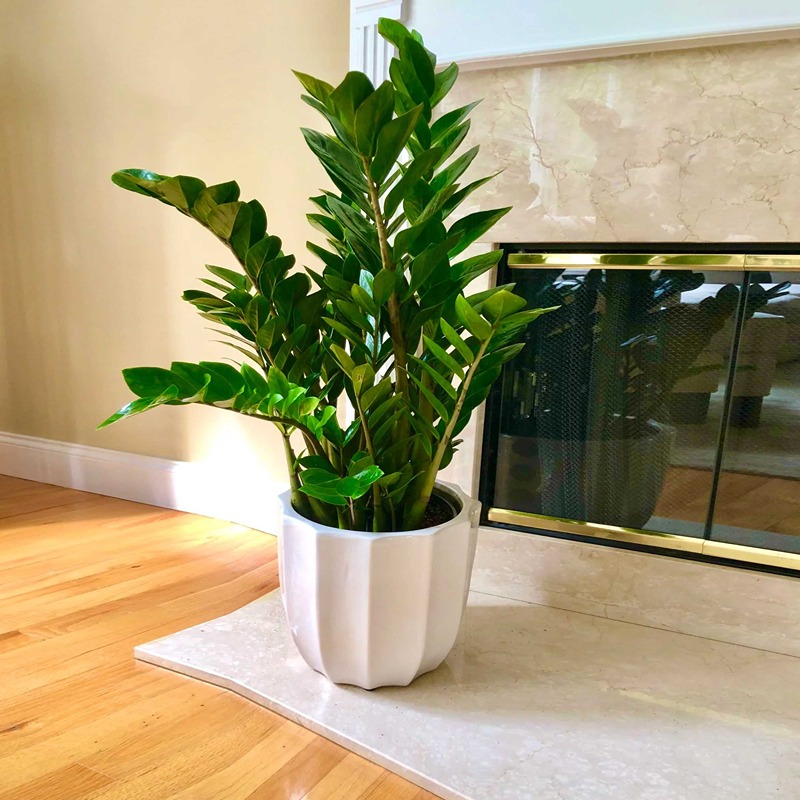
ZAMIA INDOOR
As per Feng Shui, zz plant must be grown indoors as it will attract protective and purifying energy. Many Feng shui experts believe keeping this plant in the southeastern corner of house or office could bring more wealth and growth. As per Vastu, zz plant may bring good fortune, and it can be lucky for many people. There are a variety of ZZ plants based on their height, size, color and growing requirements. Some of the most common types of zz plants are zz Raven (the dark beauty), zenzi (the dwarf zizi) & Zamioculcas zamiifolia (Variegata)
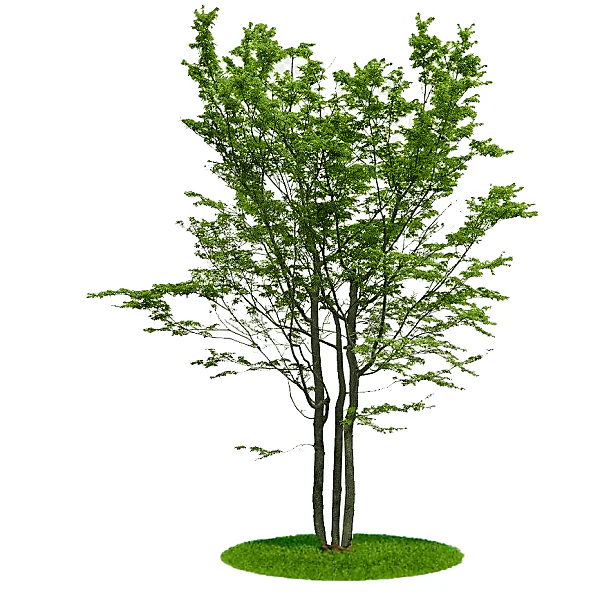
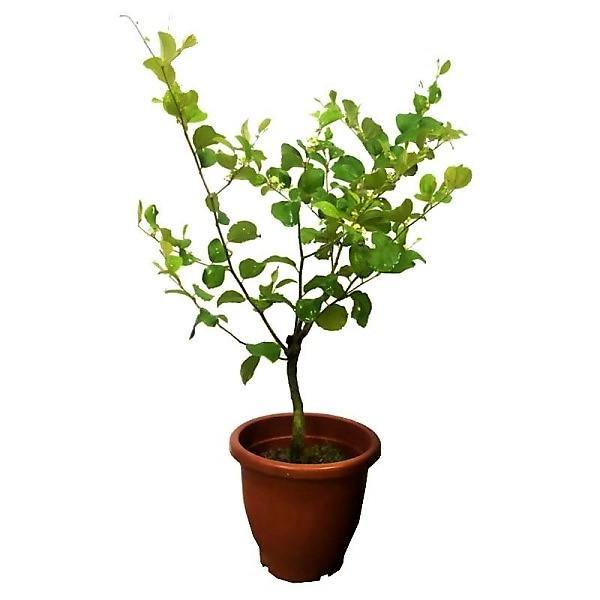
ZIZIPHUS JUJUBA
Ziziphus jujuba or Jujube tree ? is a spiny, somewhat pendulous tree with an erect trunk and rough gray bark. Leaves are glossy, bright green with pale underside, oval, with three prominent white veins radiating from their base. Flowers are small, greenish yellow, arranged in clusters, appearing in spring and followed by fleshy, reddish brown, berry-like edible fruits.
Chinese date, jujube red date, Jujube Tree, Korean date, or Indian date, Ziziphus jujuba,