
Table of Contents
ToggleLandscape Maintenance: Tips for Beautiful, Healthy Gardens
-
 Laura Bathia
- September 23, 2026
An effortless garden may appear perfect, but that doesn’t mean it is easy to maintain. Right behind every immaculately groomed villa yard, there is a landscape maintenance process at work; it might be a homeowner weeding out the garden, or it could be a team that helps with the maintenance on a regular basis. Professional landscaping services can also support the ongoing care and upkeep of outdoor spaces. Due to the hot weather, sandy soils, and the number of sunny days in the region, gardens here require much more care.
This article covers some strategies, tricks, and ideas that work wonders in making sure that a garden actually makes a difference throughout the entire year.
What Is Landscape Maintenance?
After your outdoor living area is designed and constructed, it will require maintenance in the form of anything that promotes good upkeep to keep the area looking impressive. Examples are lawn mowing, shaping of hedges, pulling of weeds, applying fertilizers, treating the landscape for pests, ensuring proper watering procedures, and upkeep of the non-plant elements such as paving, pergolas, pools, etc.
10 Essential Landscape Maintenance Tips for a Healthy Garden
- Water your plants early in the morning, not in the middle of the day. Watering before the sun comes up helps cut down on water loss from evaporation and lets the roots get the moisture they need before it gets hot.
- Cut the grass often in the summer. Don’t make the grass too short during the months. This can hurt the lawn. Make it need more water than usual.
- Prune, with a plan. Take out any broken or sick branches often instead of doing one big pruning job once a year.
- Feed your plants on a schedule. Give them fertilizer based on the time of year. What each plant needs. Don’t just do it every month no matter what.
- Check your irrigation pipes often. Look at the drip lines and water pipes at once a month. A clogged or broken line can hurt plants before you even see the problem.
- Put mulch on any dirt. Mulching keeps the roots cool stops water from drying out fast and means you don’t have to water much.
- Look for pests early. Check your plants often for bugs or sickness. Finding a problem early makes it easier to fix before it gets worse in the garden.
- Clean the parts of your yard that are made of stone or concrete. Paving, covered walkways, paths and pool areas need cleaning to stop dirt from building up, stop algae from growing, stop stains and stop the surfaces from getting slippery.
- Change your flowers with the seasons. Switching the plants that bloom with the time of year helps your garden look new and nice all year round.
- Stay steady with your gardening work. Pulling weeds, trimming edges, picking up leaves and cleaning up trash might not seem important. These little jobs help your whole garden look clean and well cared for.
Seasonal Landscape Maintenance Guide
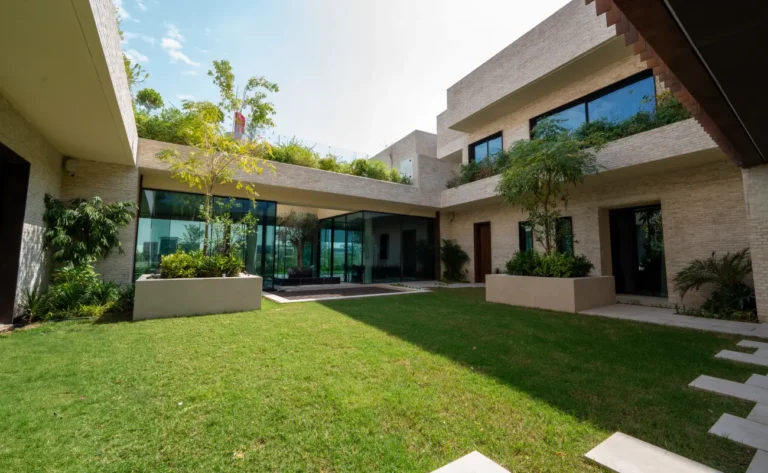
Gardens in the UAE operate on a different schedule compared to those in the rest of the world. The application of the 'seasonal' approach to gardening is a little varied here.
Summer (June to September)
This is the harshest period. More frequent watering will be needed and less frequent mowing, whilst shade cloth/temporary cover will be necessary for more tender plants which tend to scorch at this time. Irrigation systems need checks for leaks or blocked lines. Irrigation systems also benefit from being inspected to spot any leaks or blocked lines. Mulching can help reduce moisture loss from the soil. Watering should preferably be done during the morning or evening to limit evaporation.
Autumn (October to November)
This is the harshest period. More frequent watering will be needed and less frequent mowing, whilst shade cloth/temporary cover will be necessary for more tender plants which tend to scorch at this time. Irrigation systems need checks for leaks or blocked lines. Irrigation systems also benefit from being inspected to spot any leaks or blocked lines. Mulching can help reduce moisture loss from the soil. Watering should preferably be done during the morning or evening to limit evaporation.
Winter (December to February)
The growth rate of most plants will slow. It's an excellent opportunity for any structural pruning, repairs to any hardscape, and the designing of any other projects you plan to do during the year. Watering frequency can generally be lowered based on what the plants need. At the time pathways, paving, drainage areas and irrigation equipment should be checked and kept in good condition.
Spring (March to May)
The growth is happening quickly. More water and more fertilizer are. This is usually when the garden works best with not much effort. It's important to cut back the plants and remove weeds to keep the growth under control and you should check for pests more often. Spring is also a time to add flowers that bloom during this season and get the garden ready, for the warm weather coming up.
Landscape Maintenance Checklist for Homeowner in Dubai
- Weekly: Cut the grass, pull weeds and check the irrigation lines and take out any dead flowers to prevent possible bug issues.
- Biweekly: Trim new growths, watch plants carefully for any signs of bugs and clean the paths and the areas with pavement.
- Monthly: Add fertilizer according to the time of year, look at the parts of the yard for any cracks and check how well the water drains and how wet the soil is.
- Seasonally: Move plants if needed make the lawn easier to breathe by aerating it and clean the area, around the pool as well as the paved areas.
Having even a simplified version of a checklist like this one helps catch so many more minor issues before they become major costs.
Common Landscape Maintenance Mistakes to Avoid
There are a few issues which tend to be repeated across UAE gardens and most, once you are alerted to them, are easy enough to sort out.
- Frequent but light watering rather than long deep watering; this makes the roots grow shallow and lazy.
- Using the same kind of fertilizer throughout the year and throughout the different seasons gives a feed that encourages only leaf growth.
- Letting irrigation leaks go unnoticed until the plant is stressed and damage is difficult to undo.
- Extreme pruning, all at once rather than phased-in over a season, stresses the plant and prevents re-flowering.
Most issues are a matter of time as opposed to workload-if a garden is monitored carefully on a regular basis, rarely does any problem become a significant issue.
How Often Should Landscape Maintenance Be Done?
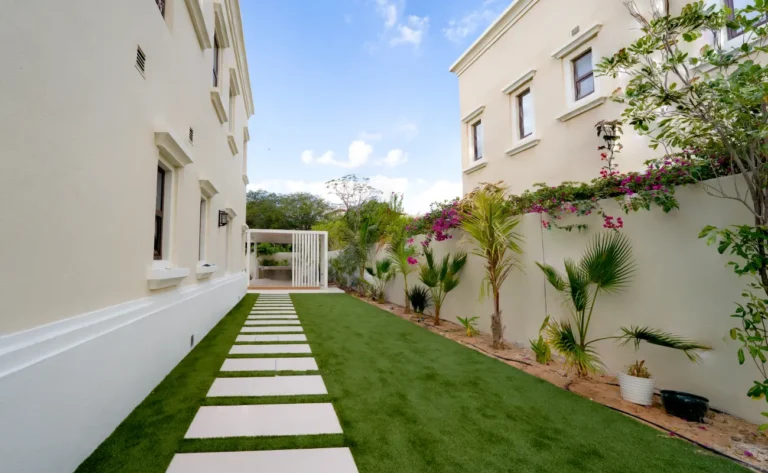
The frequency can be tailored to suit the size of your garden, and even the type of plants it contains, but a basic package of a weekly watering/basic upkeep service with an in-depth visit every two to four weeks should meet the needs of any average home.
Bigger villa gardens or those including a swimming pool, and/ or substantial amounts of hardscaping, and/ or a very diverse range of planting, typically require a planned maintenance approach rather than a reactive one.
A regular schedule helps spot irrigation problems, pest activity, plant stress and areas that're overgrown early on. Maintenance needs can change throughout the year during Dubai’s hotter months. That’s why watering, pruning, fertilization and overall plant care should be adjusted based on the season and the actual needs of the landscape.
Best Low Maintenance Plants for Dubai Gardens
Plants That Handle Dubai's Climate Well
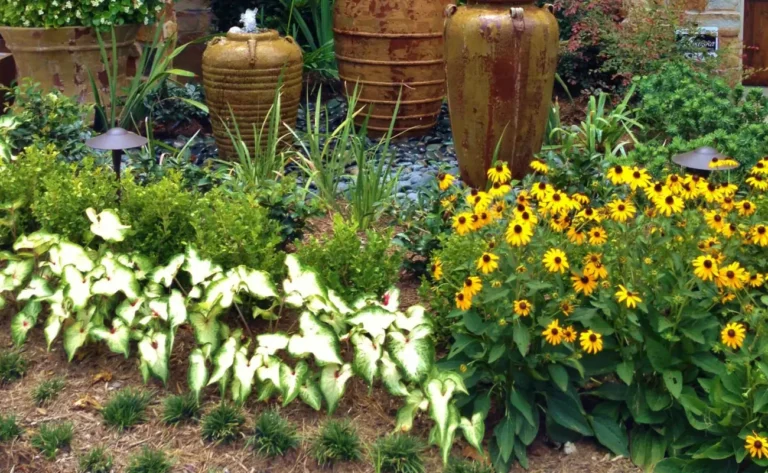
- Bougainvillea - For reliable colour with minimal water once it is properly established in the ground.
- Ghaf trees - Genuinely native and built for this exact climate, needing almost no intervention once mature.
- Agave and Succulents - Ideal for low-water areas and largely indifferent to extreme summer heat.
- Lantana - hardy and fast-growing, useful as ground cover that fills space without constant attention.
- Date palms - A classic regional choice that tolerates heat well and requires very little ongoing fuss.
Using these sorts of plants from the beginning dramatically decreases the long-term lawn and garden maintenance a property needs to undertake.
Sustainable Landscape Maintenance Practices
Sustainable landscaping is less about a huge change to how you landscape and more about making a few changes and sticking with them. Consistently reducing the amount of water used, the amount of waste generated, and the number of resources required for your landscaping choices can make a big difference to your overall footprint.
Using drip instead of sprinkler irrigation would minimize waste of water, particularly if used in conjunction with a smart controller based on weather conditions. Composting the waste from the garden instead of throwing it away will enhance soil quality over time and reduce demand on purchased fertilisers.
The single most sustainable choice a homeowner can make is probably selecting native or adapted plants rather than exotics struggling in a different climate.
Benefits of Regular Landscape Maintenance
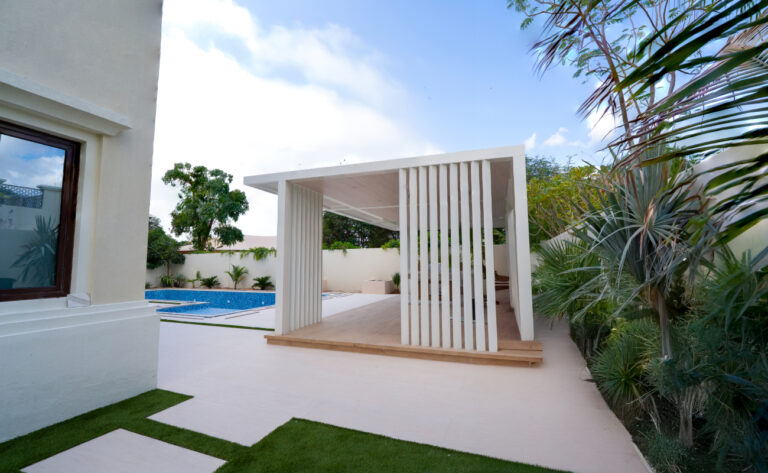
Regular upkeep can be beneficial in more ways than just looks. There are tangible returns on the investment in the form of land value, the well-being of plants, and the use-value of the garden, not its look value.
- Increased property value, as a well-maintained garden is usually the first thing a visitor/buyer will notice.
- Fewer expensive repairs as irrigation leaks and plant stress problems are identified and rectified at an early stage.
- Healthier plants overall, with fewer losses that need replacing and less money spent starting again from scratch.
- Better water efficiency, since a garden checked regularly rarely wastes water through leaks or overwatering habits.
- A garden that is simply more enjoyable to spend time in, rather than one you avoid looking at too closely.
Why Hire a Professional Landscaping Company in Dubai?

Conclusion
So in reality, the secret to good landscape maintenance involves having a consistent, rather than a massive, workflow. Irrigate correctly, prune judiciously, select properly adapted plants that thrive in existing conditions, and maintain your landscape ahead of any problems so there's no time for things to turn into an expense.
Whether you employ a professional team or manage it alone, the gardens that stay beautiful year-round are the ones that get attention regularly.
FAQs
This would include mowing, pruning, weeding, fertilising, dealing with pest control, checking irrigation, and maintenance of all hardscapes such as paving and pergolas; in fact, anything to maintain the healthy running of a garden once in place.
Weekly general maintenance to most domestic properties is a must, with a more thorough visit every two to four weeks depending on the size and structure of the property.
To start, have a basic weekly, monthly, and seasonal checklist in the form of watering, feeding, pruning, and pest checks – modify frequency, as dictated by your own garden.
Switch to a drip irrigation system, water in the morning to limit evaporation, and choose native or drought-tolerant plants that do not require a great deal of water.
Water less frequently and more deeply. Spread mulch over bare soil to retain water. Mow less in the middle of summer if possible. Try selecting heat-tolerant plants.
Costs would vary according to the size of the garden and type and complexity of plants, and the frequency of visits – from perhaps a basic monthly package, up to a weekly one, which may include the bigger gardens.