
Table of Contents
ToggleNatural Plants vs Artificial Plants: Which Is Right for Your Home or Business?
-
 Laura Bathia
- July 17, 2026
- July 17, 2026
Dubai homes and businesses are into indoor greenery like never before. But the choice between natural and artificial plants isn't as obvious as it looks. The climate, the constant air conditioning, and, frankly, how busy everyone is all make maintenance a genuine factor, not an afterthought. A plant that thrives in a magazine photo can struggle in a real Dubai living room, and a fake one that looks great from across the lobby can look cheap up close.
So this guide does the honest comparison. Natural vs Artificial Plants across the things that actually matter: cost, care, looks, lifespan, and which suits which space. Whether you're a villa or apartment resident, running an office, or fitting out a commercial space, the aim is simple: to help you choose the right greenery with your eyes open rather than guessing.
Why Indoor Plants Matter for Dubai Homes & Businesses
Greenery does real work indoors. It softens a room, adds calm, makes a space feel finished, and in an office or shop it quietly signals that someone cares about the place. In a city where so much time is spent inside, air-conditioned and away from the heat, a bit of green makes interiors feel alive rather than sterile.
That pull is only getting stronger. The move toward nature-led interiors, plants as part of how a space feels and not just decoration in a corner, is one of the defining design shifts happening right now. The question for most people isn't whether to bring greenery in. It's which kind, natural or artificial, actually fits their space, their time, and their budget. That's what the rest of this covers.
Understanding Natural Indoor Plants
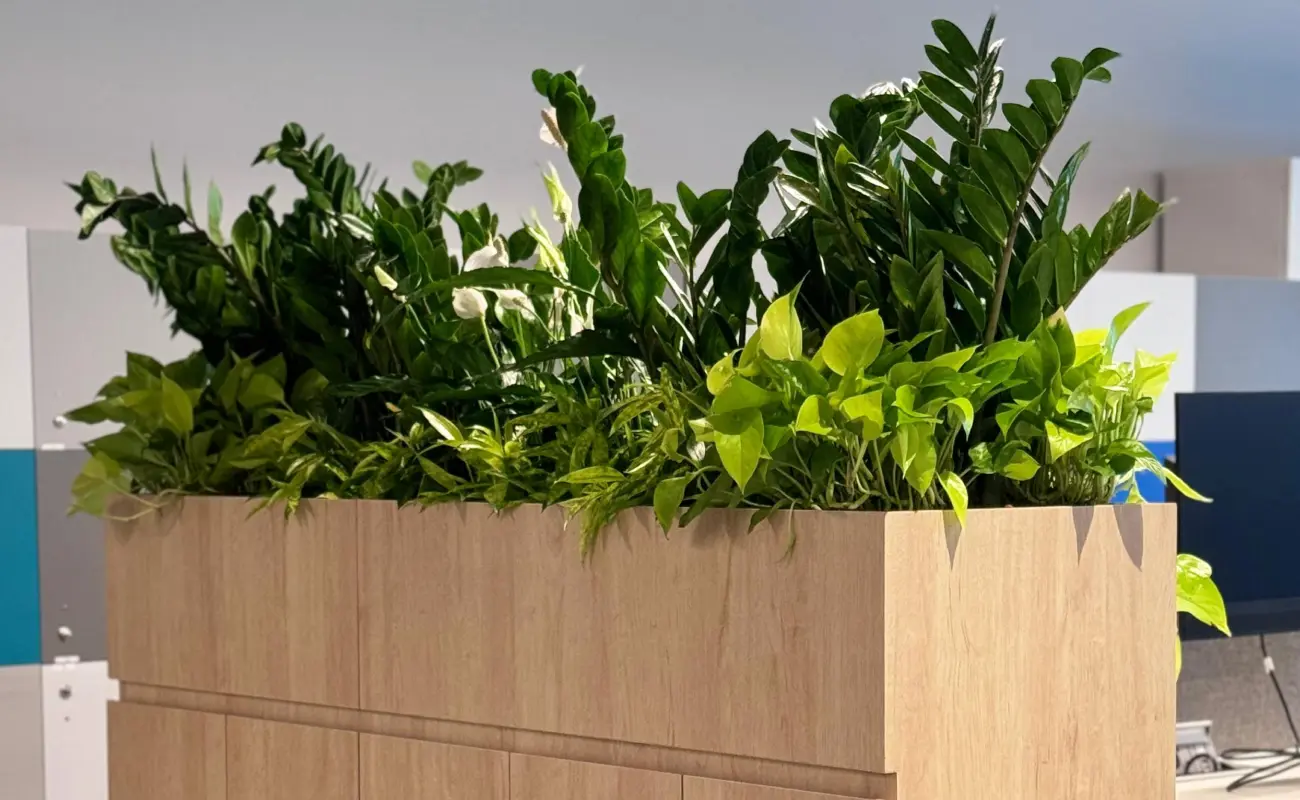
Natural plants are living plants, grown in soil or a medium, needing light, water, and a bit of care to thrive. Indoors in Dubai, the popular natural indoor plants tend to be the ones that cope with lower light and air conditioning: pothos, snake plant, ZZ plant, peace lily, and larger specimens like a natural tree such as a fiddle leaf fig or rubber plant for a statement corner.
Understanding Artificial Plants
The category is broad. There are artificial trees for height and presence, artificial palm trees for that resort feel, a sculptural artificial olive plant for a table or shelf, and smaller artificial house plants for desks and counters. What every one of them shares is the appeal: they look the part permanently, with zero watering, feeding, or light needed. They're the answer for spots where a living plant simply wouldn't cope, or where nobody has time to keep one alive.
Natural vs Artificial Plants: Detailed Comparison
Here's the honest side-by-side. This is the heart of the Artificial Plants vs Natural Plants question, and seeing it laid out makes the decision much clearer:
| Factor | Natural Plants | Artificial Plants |
|---|---|---|
| Appearance | Real, fresh, changes and grows | Consistent, looks the same always, best quality needed up close |
| Maintenance | Needs watering, light, feeding, and care | None, occasional dusting only |
| Lifespan | Years with care, can decline or die | Years, holds its look with no upkeep |
| Light Needs | Essential, limits where it can go | None, goes anywhere |
| Air Quality | Genuinely improves it | No air benefit |
| Upfront Cost | Usually lower per plant | Higher per piece for good quality |
| Ongoing Cost | Water, feed, replacements | Effectively zero |
| Best For | People and spaces with light and time | Busy spaces, dark spots, permanent display |
Neither wins outright. The right answer depends entirely on the space and the person, which is the whole point of comparing them properly rather than declaring one better.
Benefits of Natural Indoor Plants
Living plants bring things a replica simply can't. The real advantages:
- They clean the air. Natural Plants genuinely filter and freshen indoor air, which matters in sealed, air-conditioned interiors.
- They boost wellbeing. Caring for a plant, and just being around greenery, is proven to lower stress and lift mood.
- They feel alive. Real growth and change give a room a warmth and energy that's hard to fake.
- They're the base of a naturalistic garden. For anyone wanting a genuinely natural look, indoors or in a naturalistic garden outside, living plants are the only real route.
- Lower upfront cost. A single living plant is often cheaper to buy than a premium artificial equivalent.
For people with a bit of light and a bit of time, the living option pays back in ways that go well beyond looks.
Benefits of Artificial Plants
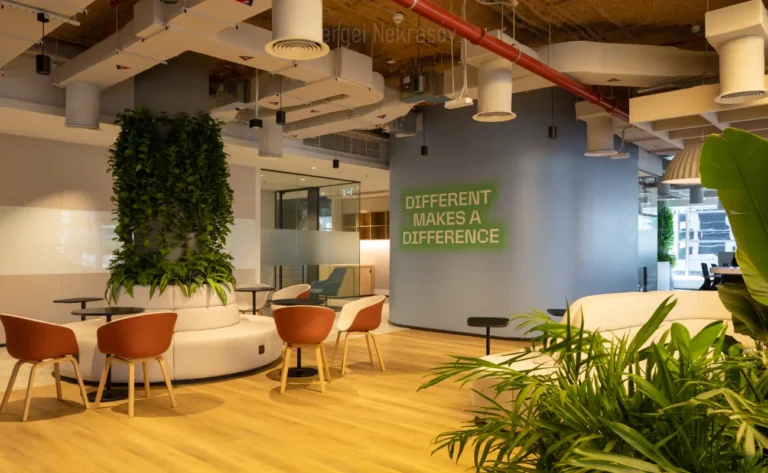
Artificial has its own clear wins, and they're practical ones:
- Zero maintenance. No watering, feeding, or light. They look after themselves entirely.
- They go anywhere. A dark corner, a high shelf, a windowless meeting room, all fine, since they don't need light.
- Always consistent. No wilting, no leaf drop, no seasonal dip. The same look every single day.
- Allergen-free. No pollen or soil, which suits clinics, kitchens, and anyone sensitive.
- Long-lasting. Good pieces hold their look for years, making the higher upfront cost pay off over time.
For busy spaces, tricky spots, and anyone who'd rather not think about upkeep, that list is hard to argue with.
Challenges to Consider
Both sides have honest downsides, and it's worth knowing them before you commit.
For natural plants, the challenge is simply care. They need the right light, regular watering without overdoing it, feeding, and attention. Dubai's air conditioning dries the air and dims the light, which some plants dislike, and a neglected living plant looks worse than no plant at all. There's also the risk of pests and the reality that some plants just don't survive indoor conditions.
For artificial plants, the main issues are quality and honesty. Cheap fakes look cheap, especially close up, and can gather dust or fade if they're not UV-rated and end up in sunlight. And they give nothing back to the air. The Artificial Plants vs. Real Plants trade is real: you gain zero maintenance but lose the living benefits. Knowing which compromise you're making is the point.
Which Option Is Better for Different Spaces?
Matching the plant to the space is where the decision usually resolves itself:
- Homes with good light and time: natural plants reward you here, real greenery, real benefit.
- Busy offices: artificial often wins, consistent looks with no one rostered to water them.
- Dark or windowless areas: artificial, easily, since there’s no light for a living plant.
- Reception areas and lobbies: either, or both, statement natural pieces where there’s light, artificial where there isn’t.
- Clinics, kitchens, food areas: artificial, for the allergen-free, soil-free cleanliness.
- Bright villa interiors: natural, to make the most of the light and the space.
The pattern is clear once you see it: light and time push you toward natural, their absence pushes you toward artificial.
Cost Comparison: Natural vs Artificial Plants
Cost is where people often assume wrong, so it’s worth separating upfront from ongoing, and treating any figure as approximate since it varies with size and quality.
Natural plants: usually cost less to buy per plant. But there’s an ongoing cost: water, feed, and the reality that some will need replacing, especially if conditions aren’t ideal. Over the years, a living display has a running cost, even if each plant is cheap.
Artificial plants: cost more upfront, particularly the convincing, higher-grade pieces, and a large artificial tree is a real investment. But after that, the ongoing cost is essentially nothing. No water, no feed, no replacements.
So the honest way to think about it: natural is cheaper to start, artificial is often cheaper to own over the long run. Which works out better depends on your timeframe and how many plants you’d otherwise be replacing. For exact numbers, it’s worth a quick enquiry, since size and quality move the price a lot.
Which Option Suits Dubai's Climate Best?
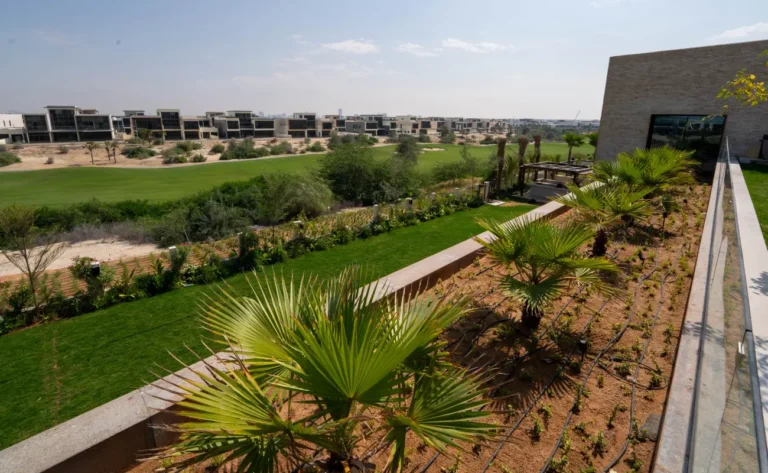
This is where Dubai tilts the scales more than it would elsewhere. Indoors, the constant air conditioning creates dry air and low natural light, which a lot of living plants find hard. Plenty of natural indoor plants still do well, the tough, low-light ones, but the climate genuinely narrows the field and raises the care needed.
Artificial sidesteps all of that indoors. The heat, the light, the dryness, none of it matters to a replica. And for outdoor and semi-outdoor spots, where Dubai’s sun is brutal, UV-rated artificial holds up where a living plant would struggle, though living outdoor plants chosen for the climate still thrive with the right care. The upshot: Dubai’s conditions make artificial more practical in more places than a milder climate would, without ruling natural out where the light and care are there.
Hybrid Green Design: Combining Natural & Artificial Plants
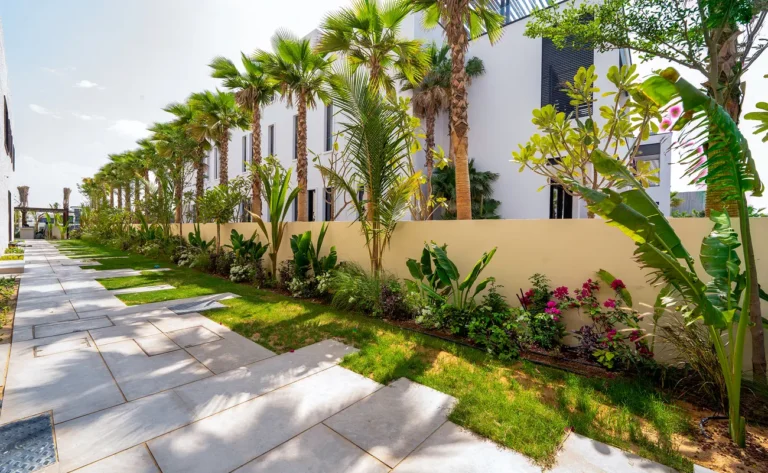
Here’s the option most people overlook, and it’s often the smartest. You don’t have to choose one side. Combining Natural & Artificial Plants lets each do what it’s best at: living plants where there’s light and someone to tend them, artificial in the dark corners and hard-to-reach spots where nothing living would last.
This isn’t a compromise, it’s a genuine 2026 design direction. Designers are increasingly mixing real and faux in the same space, using artificial versions of exotic, hard-to-grow species like palms and strelitzia alongside living plants that cope well indoors. Done well, the eye reads the whole thing as lush and green, and nobody’s counting which is which. For a big space, especially a home with varied light or an office with both bright and dim zones, the hybrid approach gives you a consistently green result without asking the impossible of a living plant in a windowless room.
Indoor Plant Trends in Dubai for 2026
Greenery is having a real moment in 2026, and the trends are specific rather than vague. What’s actually shaping interiors this year:
- Biophilic design is the headline. The dominant theme is building interiors around a connection to nature for wellbeing, with plants central to it, and research linking these spaces to real reductions in stress. In Dubai’s sealed, air-conditioned interiors, that pull toward greenery is especially strong.
- It’s the “Year of the Ficus.” Trend forecasters have named 2026 exactly that, with the fiddle leaf fig, rubber plant, and weeping fig all surging back as statement indoor trees.
- Statement plants as living art. The shift is toward fewer, larger, sculptural plants used as focal points, grouped into deliberate “wellness nooks,” rather than lots of small scattered pots.
- Dark, textured foliage. Moody, dramatic leaves (think Black Velvet Alocasia and burgundy-toned foliage) are in, and leaf texture and form are prized over flowers.
- Natural-material pots. Clay, terracotta, wood, and woven fibres in earthy tones are the containers of choice, part of the same nature-led look.
- Real and faux, mixed. Notably, for this whole comparison, 2026 openly embraces artificial versions of tricky exotic species and mixes them with living plants, which makes the hybrid approach very on-trend.
- Fuss-free staples stay strong. For busy urban professionals, easy-care plants like ZZ, snake plant, and pothos remain firm favourites.
The through-line: greenery as something intentional and wellbeing-focused, whether you get there with natural, artificial, or a mix.
How to Choose the Right Plant Solution
Pulling it all together, the decision comes down to a few honest questions about your space and yourself:
- How much light does the space get? Good light opens the door to natural. Little light points to artificial.
- How much time and interest do you have? Happy to water and tend? Natural. Would rather not think about it? Artificial.
- What’s the spot? Bright living room versus dark lobby corner changes the answer entirely.
- What matters most, the living benefit or zero upkeep? Air quality and that alive feeling, or permanence and no maintenance.
- What’s the budget shape? Lower upfront and ongoing care, or higher upfront and none after.
Answer those and the choice usually makes itself. And remember the hybrid route is always on the table if the honest answer is “a bit of both.”
Where to Buy Natural & Artificial Plants in Dubai
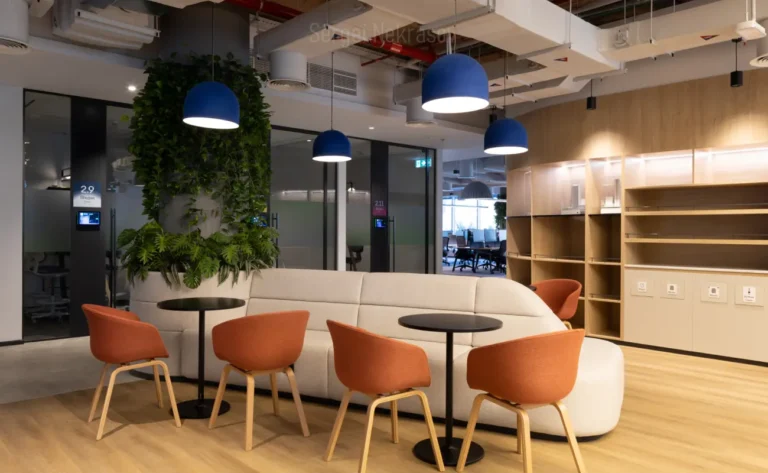
Once you know what you want, buying well matters. You’ll find artificial plants in Dubai, Abu Dhabi, Sharjah, Ajman, UAE, across all sorts of sellers, and living plants everywhere from supermarkets to specialists, but quality and advice vary hugely. The thing to look for is a supplier who stocks both natural and artificial, knows the local climate, and will tell you honestly which suits your space rather than just selling you whatever’s in front of them.
Buying both types from one place has a real advantage too: you can plan a whole space, or a hybrid scheme, in one go, and get consistent quality across your indoor & outdoor plants rather than piecing it together from five different shops.
Why Choose Golden Seed Buy Natural & Artificial Plants in Dubai
Golden Seed sits in a genuinely useful spot here because we do both. We’re a plant specialist across living and artificial, which means when you ask us whether it’s natural or artificial, you get an honest answer rather than a sales pitch for whichever we’d rather sell.
Conclusion
Natural or artificial was never a question with one right answer. Natural Plants give you life, freshness, cleaner air, and that daily connection to something growing, in exchange for light and care. Artificial gives you a permanent, consistent, zero-maintenance look that goes anywhere, in exchange for the living benefits. Dubai’s climate and busy pace nudge more spaces toward artificial or hybrid than a milder place would, but living plants still thrive wherever there’s light and a little time. The smart move is to be honest about your space, your schedule, and what you want most, and then choose accordingly, natural, artificial, or the best of both.
FAQs
Neither is simply better. Artificial wins on zero maintenance and going anywhere; natural wins on air quality, wellbeing, and that living feel. The right choice depends on your space, light, and how much time you want to spend.
Artificial, by a distance. They need only occasional dusting, no watering, feeding, or light. Natural plants need regular care, which is the main reason busy spaces often lean artificial.
Yes, very. Their consistency and zero upkeep make them ideal for offices, lobbies, and commercial spaces that must look good daily, and they work at home too, especially in darker spots where living plants struggle.
Many can, if you choose the right ones. Low-light, hardy plants like snake plant, ZZ plant, and pothos cope well with air conditioning. The trick is matching the plant to the room’s light and keeping watering consistent.
Only if they’re UV-rated. Standard indoor artificial plants fade fast in Dubai’s sun, but UV-stabilised outdoor pieces are made to hold up outside. Always check before placing artificial greenery in direct sun.
Apartments and balconies suit compact, low-maintenance plants and potted greenery. Villas, with more light and space, can take larger statement plants and fuller displays. In both, matching the plant to the available light matters most.
Absolutely, and it’s a smart, on-trend approach. Use living plants where there’s light and care, and artificial in dark or awkward spots. Done well, the space reads as lush and green throughout.
From a specialist that stocks natural and artificial together, like Golden Seed, so you get consistent quality, honest advice on which suits your space, and the option to plan a whole or hybrid scheme in one place.
Often artificial or a hybrid, because commercial spaces need a reliable look with minimal upkeep. Artificial handles the high-traffic and low-light areas, while living plants can feature where there’s light and someone to maintain them.